What a Carbon Steel Conveyor Bracket Does
A carbon steel conveyor bracket is the structural component that holds the idler roller in position along a conveyor frame. It connects the roller shaft to the main stringer or channel, setting the height, angle and alignment of the belt line. In a quarry, a coal handling plant or a cement kiln feed line, these brackets carry steady loads and keep the belt tracking within its intended path. Because the bracket is made from carbon steel, it offers a practical balance of strength, weldability and cost for general bulk handling duty.
The same item is often called a carbon steel conveyor support bracket or a steel idler mounting bracket. These names describe the same product; they are not different components. The bracket does not tension or drive the belt. It simply provides a stable mounting point for the rollers that shape and support the conveyor belt.
How the Bracket Is Built
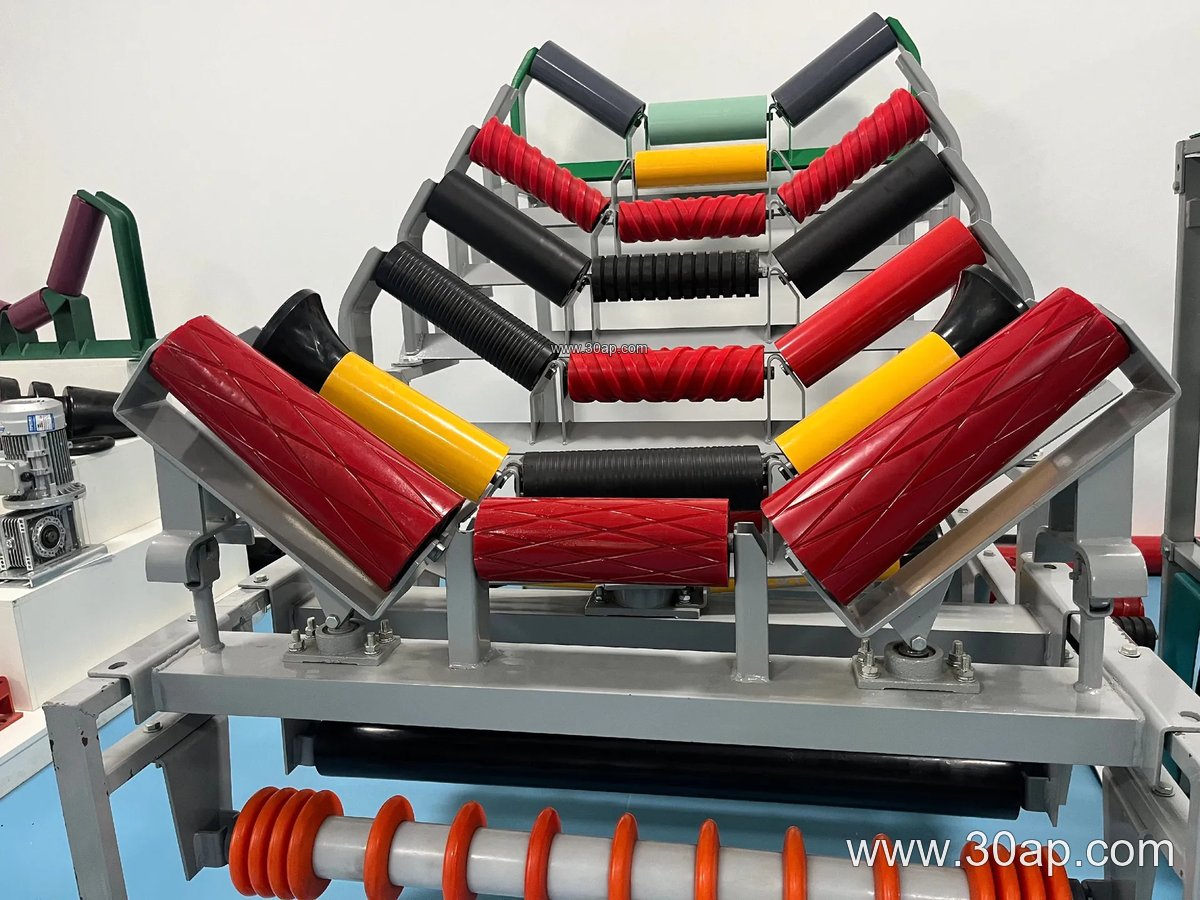
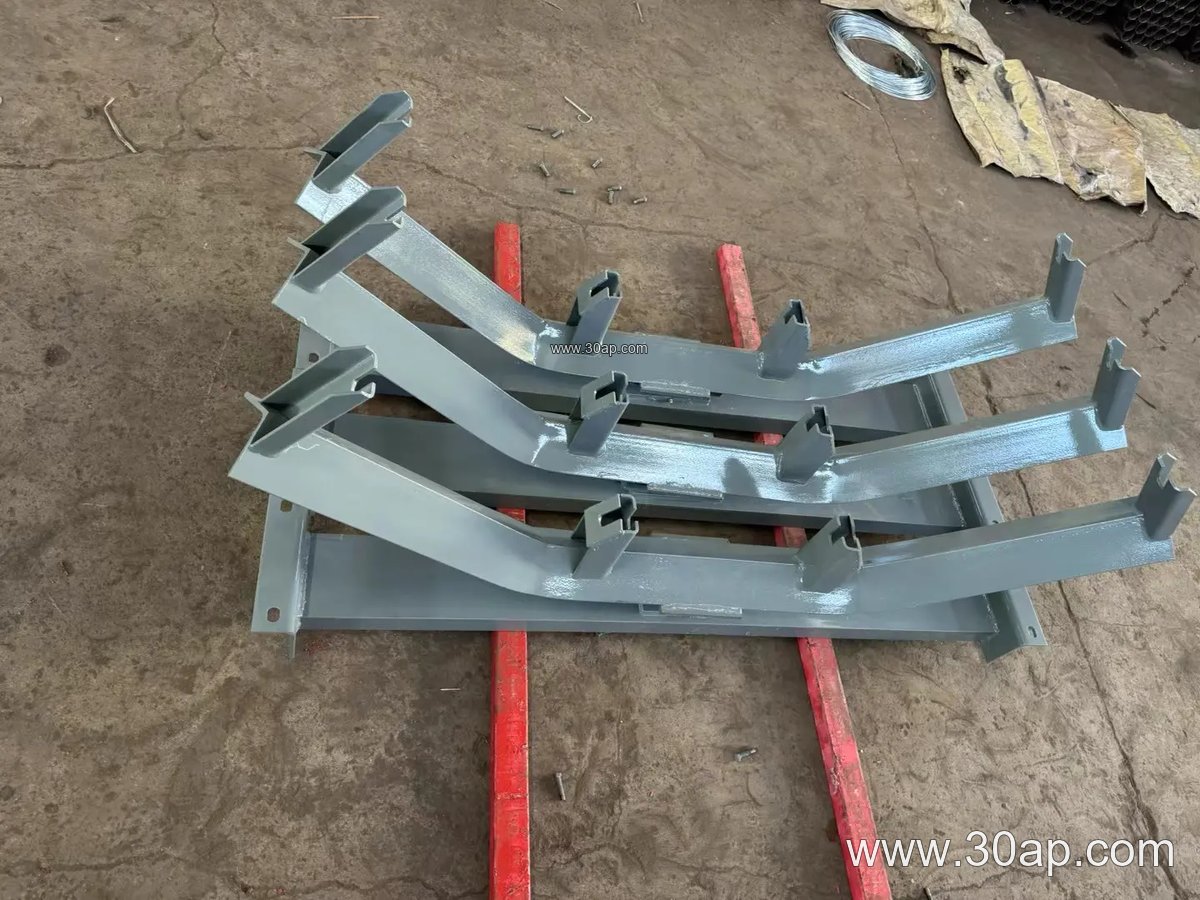
Most units are fabricated from angle steel, channel steel or folded steel plate. A typical troughing bracket uses two or three arms welded to a base plate, with mounting slots or holes that accept the roller shaft ends. The angle of the arms determines the trough angle of the belt, while the base plate fixes the assembly to the conveyor frame. Surface treatment such as painting or galvanizing helps resist corrosion in damp or dusty conditions.
Key construction points a buyer should confirm include plate thickness, weld quality, hole spacing and the method of fixing to the stringer. Installation hole spacing and crossbeam length are not fixed numbers; they change with belt width and trough angle, so they should be confirmed against the conveyor design drawing.
Common Types and Where They Fit
Brackets are selected by their position on the conveyor and the job they perform. The table below gives common reference types; the list is not exhaustive and no single type suits every conveyor.
| Bracket Type | Typical Position | Function |
|---|---|---|
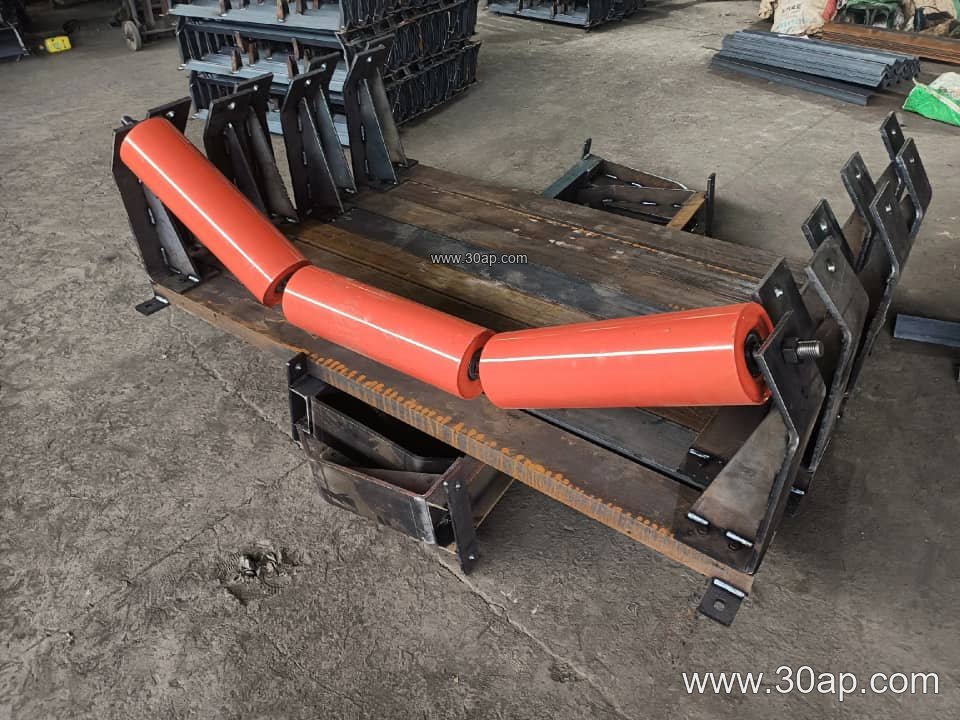
| Troughing bracket | Carrying side | Supports three rollers to form a trough |
| Transition bracket | Near pulleys | Guides the belt from flat to troughed shape |
| Return bracket | Return side | Holds return idlers or V-return rollers |
| Impact bracket | Load point | Carries impact rollers under the chute |
| Self-aligning bracket | Along the line | Allows slight rotation to correct belt drift |
| Adjustable bracket | Carrying side | Permits trough angle changes on site |
Common belt widths referenced in design work include B500, B650, B800, B1000, B1200, B1400 and B1600, with larger frames used on wide installations. Trough angles are usually 20, 30, 35 or 45 degrees, and adjustable versions can be set between these positions. Roller diameters such as Ø89, Ø108, Ø133, Ø159 and Ø194 appear in many layouts, but a given belt width does not lock the design to one roller diameter or one trough angle. For example, a B800 frame at 35 degrees with Ø108 rollers is a common arrangement, while a B1200 line at 45 degrees with Ø133 rollers also occurs. These are reference combinations, not universal rules.
Matching the Bracket to the Belt and Rollers
The bracket must suit the conveyor belt it carries. A heavy-duty mining conveyor belt on an iron ore or copper ore line will need a sturdier bracket than a light aggregate conveyor belt in a sand and gravel plant. Abrasion resistant conveyor belt and heat resistant conveyor belt duties also affect roller choice, and therefore the bracket that holds the roller. On a coal mining conveyor belt or an underground coal mining conveyor belt, flame retardant conveyor belt is often specified, and the bracket should be compatible with the fire-resistant roller bearing arrangement used.
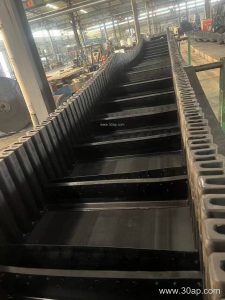
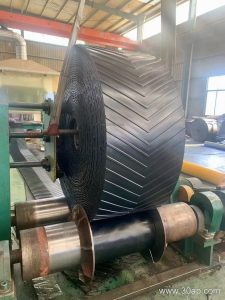
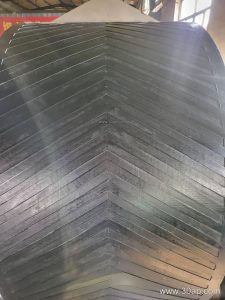
For long overland lines, a steel cord conveyor belt or an EP conveyor belt may run at higher tension, so bracket alignment and frame rigidity matter more. Where a pipe conveyor belt or a corrugated sidewall conveyor belt is used, bracket geometry follows the special idler profile rather than a standard trough. Chevron conveyor belt and skirted conveyor belt installations may need extra clearance around the bracket. Buyers should also consider the idler roller shaft size and the fixing method, because the bracket hole must match the shaft end without excessive play.
Buyer Checklist
- Confirm belt width, trough angle and roller diameter from the conveyor drawing.
- Check material grade and plate thickness for the expected load.
- Verify hole spacing and crossbeam length rather than assuming a standard size.
- Match the bracket to the roller shaft and the frame fixing points.
- Consider the environment: washdown, dust, heat or corrosion may call for a specific finish.
- For adjustable brackets, confirm the angle range and locking method.
A well-chosen carbon steel conveyor bracket keeps the idler roller square to the belt and helps the whole conveyor run smoothly. Whether the site is a limestone mine, a power plant coal yard or a port loading terminal, the bracket is a small part that rewards careful specification. For related components such as the conveyor pulley, conveyor belt and conveyor bracket, buyers should compare dimensions against the same frame drawing so that every part fits together on site.