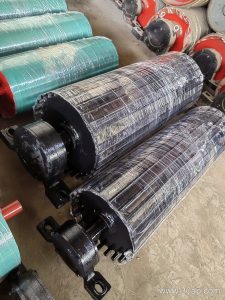
What a Mining Ceramic Lagged Pulley Is
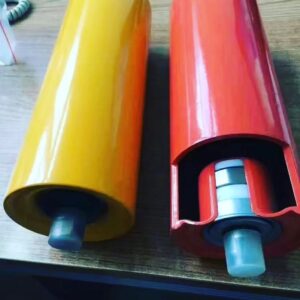
A mining ceramic lagged pulley is a conveyor pulley whose outer surface is covered with ceramic tiles bonded to a rubber backing. This ceramic lagging is engineered to provide exceptional grip in the most abrasive and demanding environments found in mining, quarrying, and bulk material handling. The pulley itself serves as a key component in a conveyor system, transmitting power to the conveyor belt or redirecting its path. In mining operations, where belts often carry sharp, heavy, and wet materials, the ceramic lagging helps maintain traction and reduces slippage.
While standard rubber lagging is common, ceramic lagging offers superior wear resistance and friction coefficients, especially when conditions are wet or muddy. This makes the mining ceramic lagged pulley a preferred choice for drive pulleys in high-tension applications, as well as for tail and bend pulleys where belt tracking is critical.
Construction and Design Features
The construction of a ceramic lagged pulley involves several layers. The pulley shell is typically made from steel, with shaft diameters commonly ranging from Ø50 to Ø200 mm, determined by torque and load requirements. The lagging consists of ceramic tiles embedded in a rubber matrix, which is either hot-vulcanized or cold-bonded to the pulley surface. The ceramic tiles are available in various shapes and sizes, often with raised dimples or grooves to enhance grip.
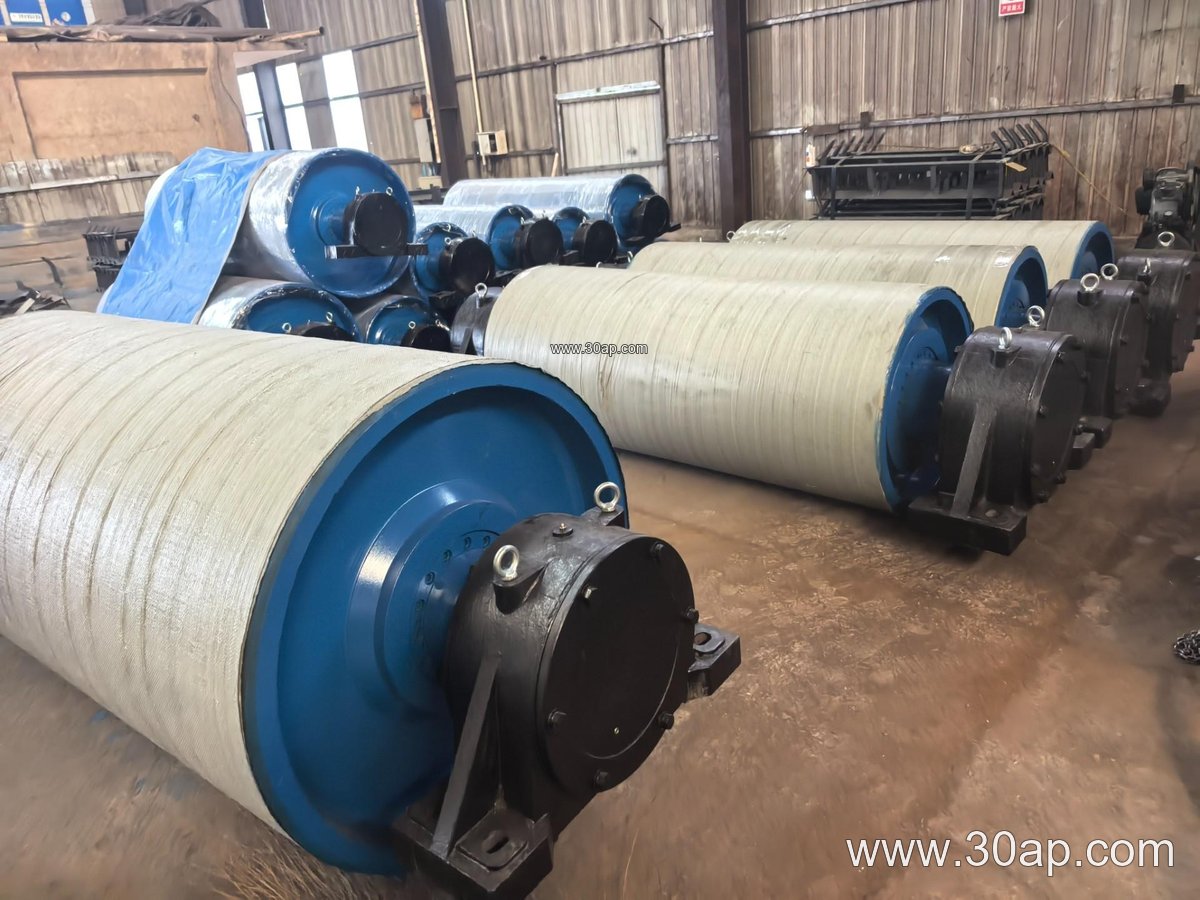
Common lagging thicknesses are 8, 10, 12, 15, and 20 mm, with 12 mm being a frequent choice for mining applications. The pulley face width is usually slightly wider than the conveyor belt to ensure full contact. For example, a B1200 belt might use a pulley with a face width around 1400 mm, but this is not a fixed rule; design considerations dictate the exact dimensions.
Surface Patterns and Their Benefits
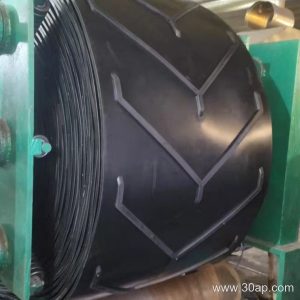
Ceramic lagging can feature different surface patterns, such as diamond or herringbone, to improve traction and self-cleaning. These patterns help channel water and debris away from the contact area, reducing the risk of belt slip. The ceramic tiles themselves are extremely hard and resistant to abrasion, making them ideal for handling materials like iron ore, copper ore, and coal.
Where It Is Used
Mining ceramic lagged pulleys are found in a variety of bulk material handling operations. In underground coal mining, they are often used on drive pulleys to ensure reliable power transmission in wet and dirty conditions. In limestone quarries and aggregate plants, they help maintain belt alignment on tail and bend pulleys, reducing maintenance downtime. Cement plants use them in clinker transport, where heat and abrasion are concerns.
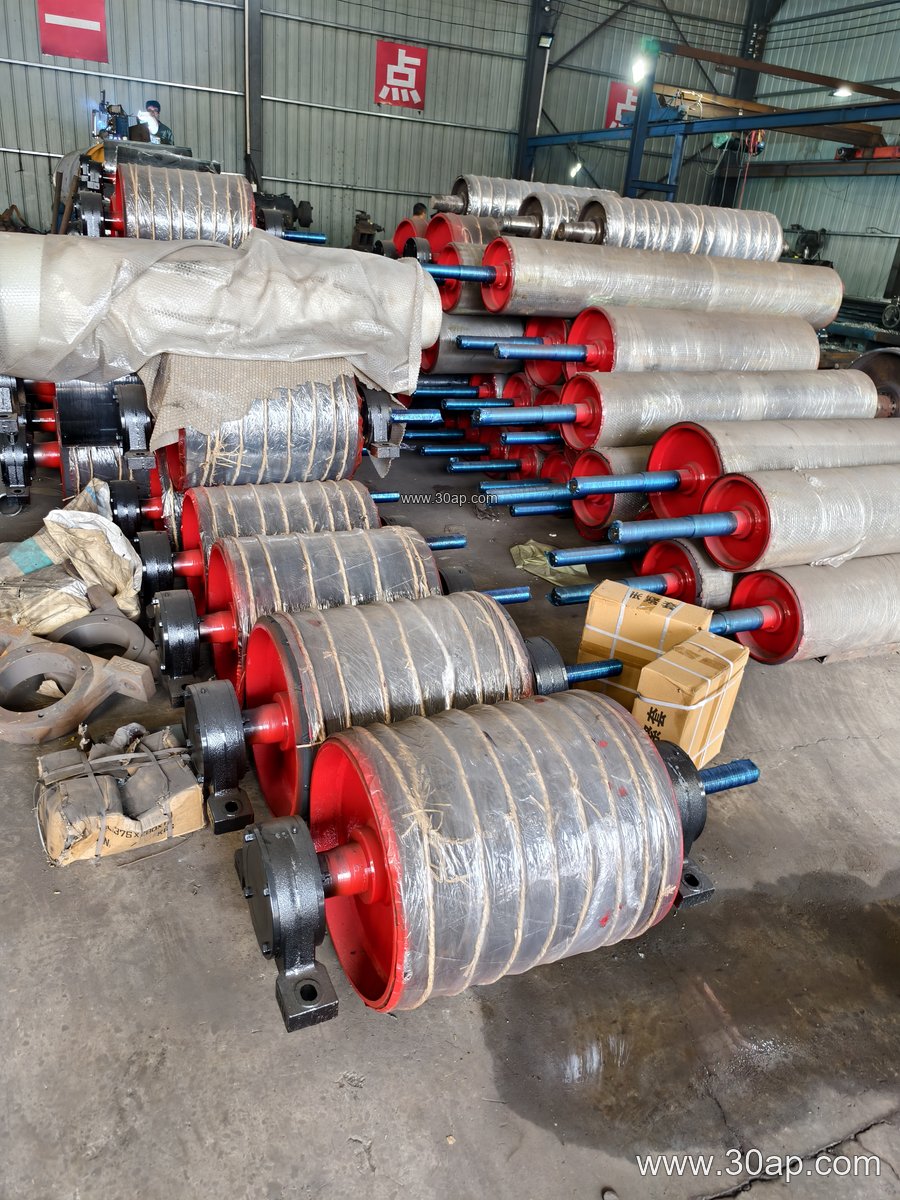
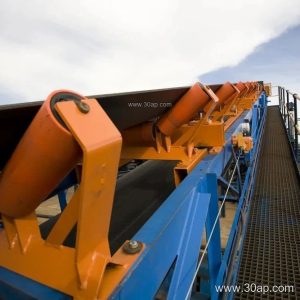
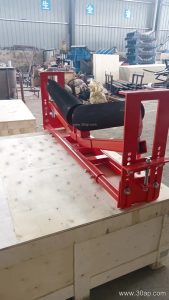
Other common applications include power plant coal handling, port ship loading, and steel mill sinter lines. In these settings, the pulley works in conjunction with other components such as the conveyor belt, idler rollers, and conveyor brackets to keep the system running smoothly.
Key Considerations for Buyers
When selecting a mining ceramic lagged pulley, several factors should be evaluated. First, determine the pulley’s role: drive, tail, or bend. Drive pulleys require higher friction and are often specified with ceramic lagging to prevent slip under high torque. Tail pulleys may use ceramic lagging for self-cleaning and wear resistance. Bend pulleys benefit from the increased traction to maintain belt tension.
Second, consider the belt width and pulley diameter. Common belt widths in mining range from B650 to B2000, and pulley diameters from Ø200 to Ø1800. The diameter should be chosen based on belt tension, speed, and the minimum pulley diameter recommended by the belt manufacturer. There is no one-to-one mapping between belt width and pulley diameter; for instance, a B1000 belt could be used with a Ø500 or Ø800 pulley depending on the conveyor design.
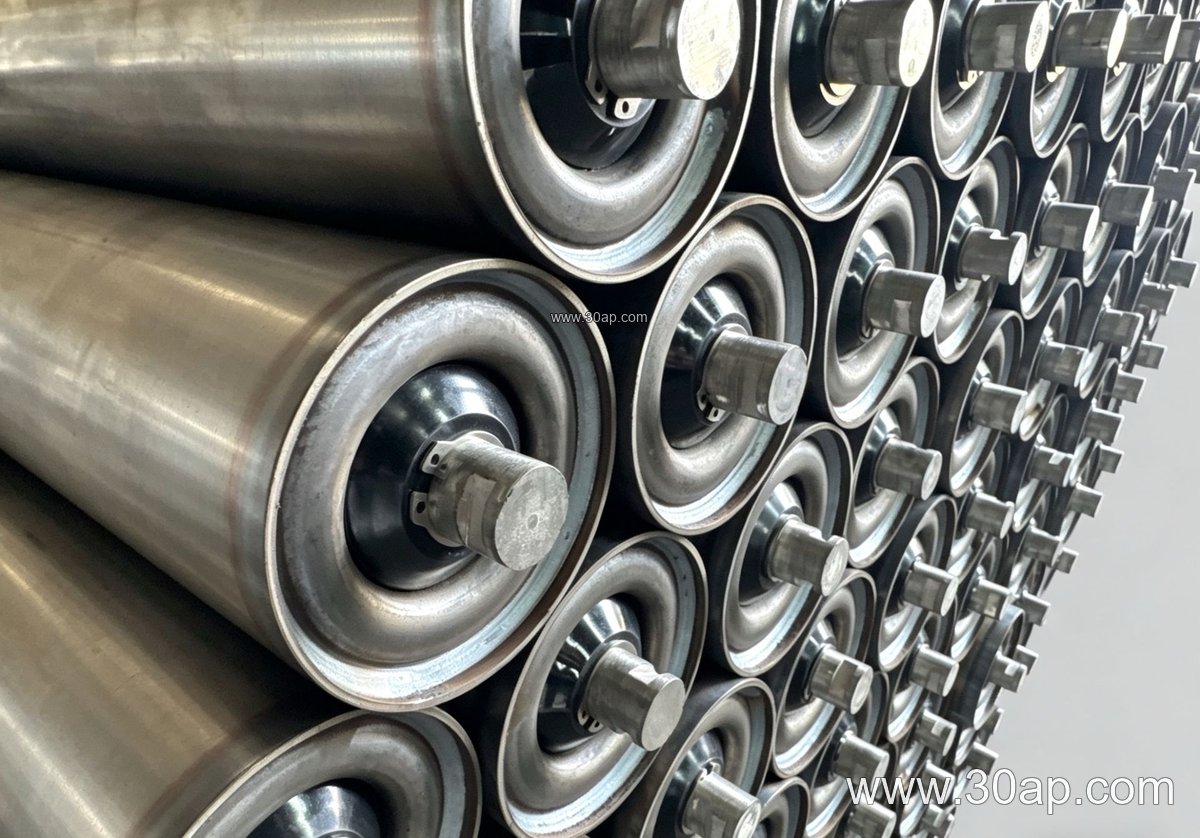
Third, evaluate the lagging thickness and pattern. Thicker lagging (15–20 mm) is often used in high-wear areas, while 10–12 mm may suffice for moderate conditions. The pattern should suit the material being conveyed; for sticky materials, a grooved pattern may help.
Finally, ensure the pulley shaft is sized correctly. Shaft diameters are determined by the torque and radial loads, not simply by belt width. A qualified engineer should calculate the required shaft size based on the conveyor’s power and tension.
Maintenance and Longevity
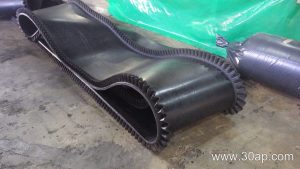
Ceramic lagged pulleys are known for their long service life, but regular inspection is still important. Check for ceramic tile damage or wear, and ensure the lagging remains firmly bonded. Keep the pulley clean and aligned to prevent uneven wear. When used with abrasion-resistant conveyor belts, such as those with EP or steel cord construction, the pulley contributes to the overall efficiency of the conveyor system.
In summary, a mining ceramic lagged pulley is a robust solution for improving traction and reducing wear in harsh mining environments. By understanding its construction and application, buyers can make informed decisions to enhance their conveyor performance.