What the Loading Point Impact Idler Does
A loading point impact idler is the cushioning roller set placed directly beneath the chute or transfer point where material drops onto the conveyor belt. Its job is simple to describe and hard to overstate: absorb the energy of falling rock, ore, clinker or aggregate before that energy reaches the belt carcass. In a quarry, a coal preparation plant or a cement plant, the first meters after the loading chute are the harshest part of the whole conveyor line, and the impact idler is the component that takes the beating.
Unlike a standard carrying idler, this roller is built around shock absorption. The frame still supports the belt, but the roller surface and bearing arrangement are designed to flex or cushion rather than pass the full impact load straight through to the conveyor belt.
How the Roller Is Built
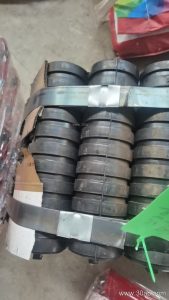
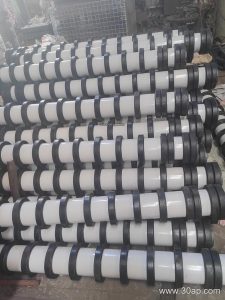
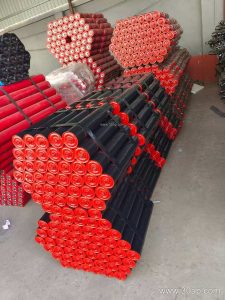
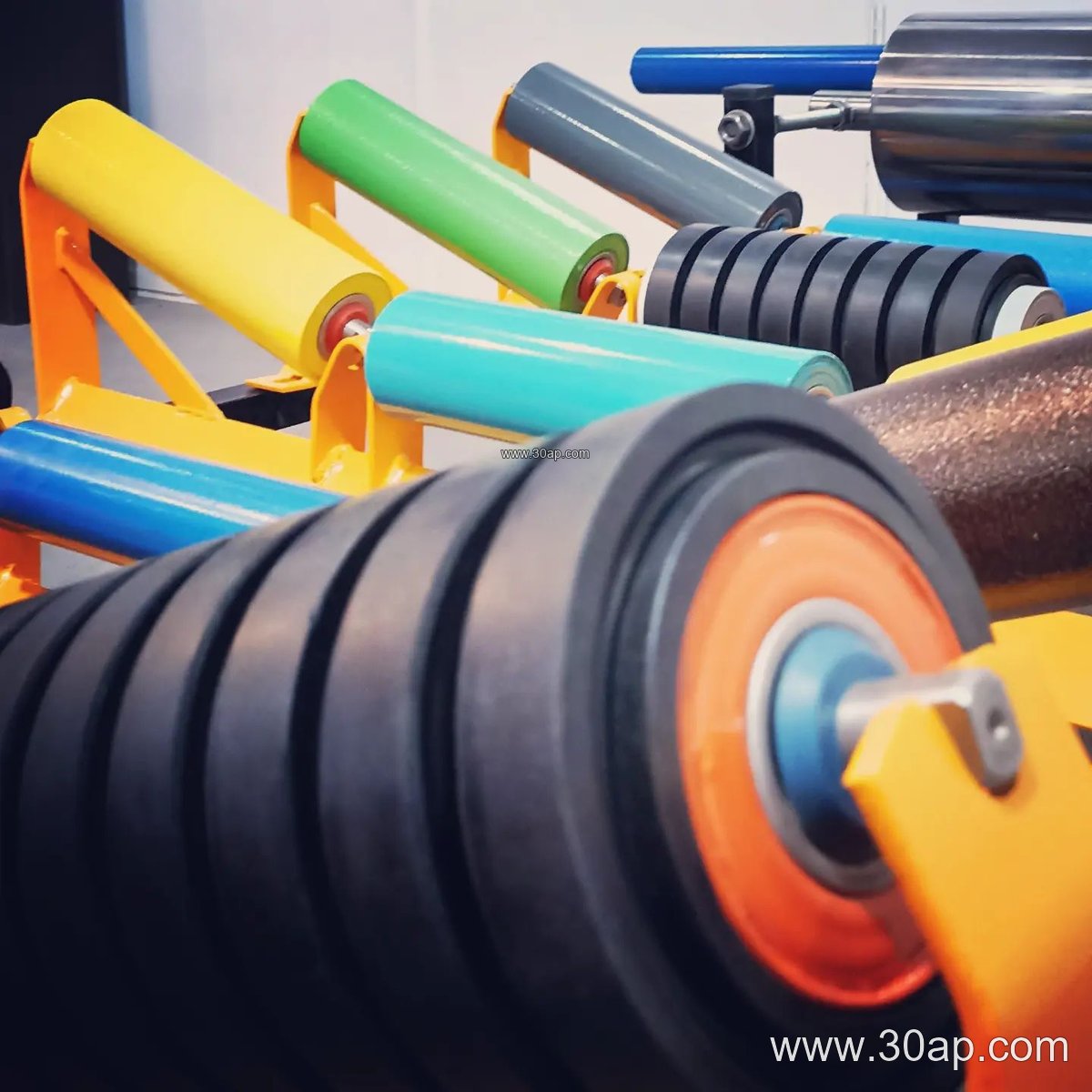
The common form is a rubber ring impact idler, also called a rubber disc impact roller. Steel discs are fitted with thick rubber rings, and the rings are spaced along the shaft so the belt rests on a compliant surface. Under a falling lump, the rubber compresses, spreads the load over several rings, and reduces peak stress on the carcass. Some designs use a rubber-cushioned shell instead of separate rings, and both are accurate expressions for the same product.
Typical construction details include:
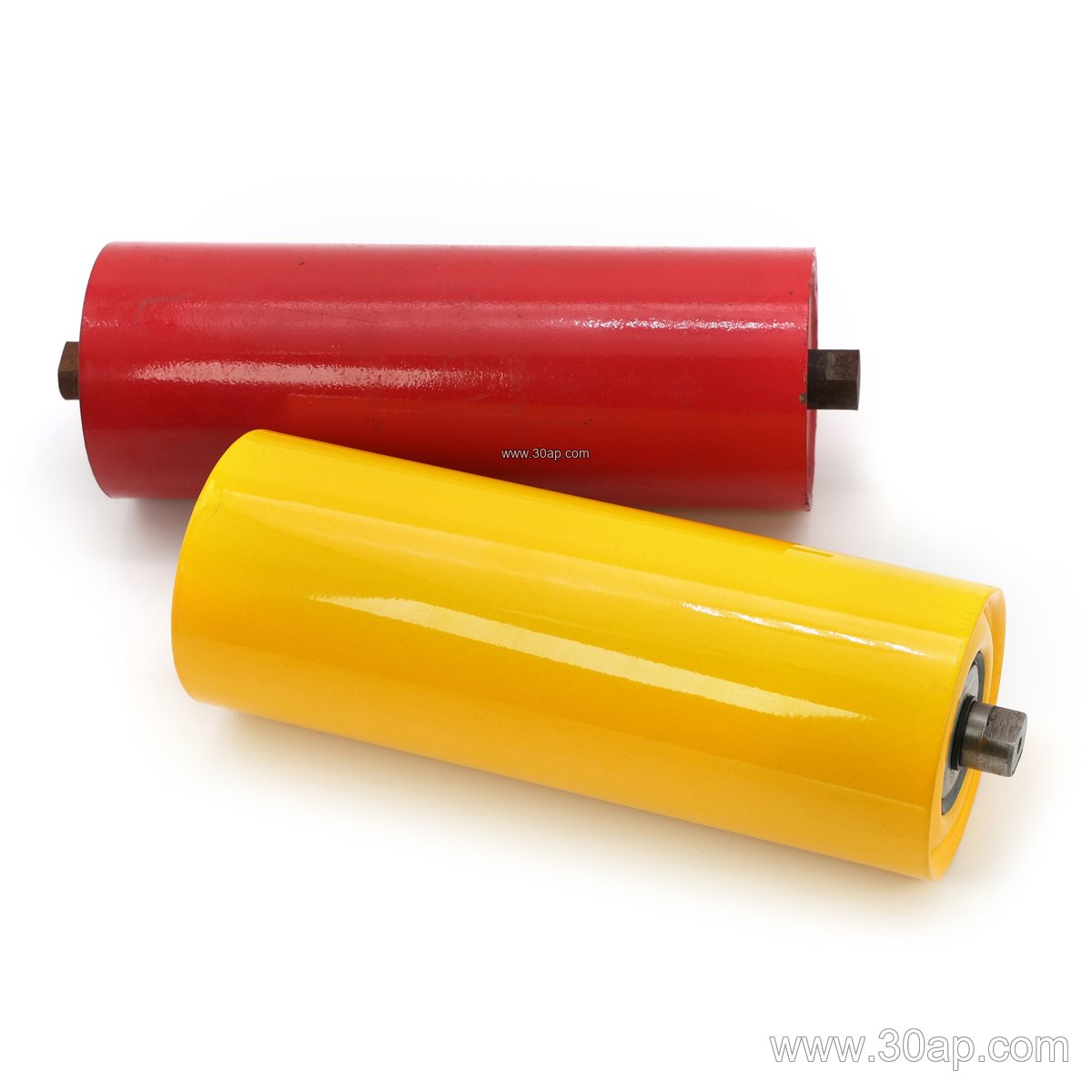
- Roller surface: steel tube with rubber rings, or a rubber-sleeved shell
- Bearing housings: sealed, often with labyrinth or multi-stage seals against dust and fines
- Common bearing sizes: 6205, 6305, 6306, 6308, depending on shaft and load design
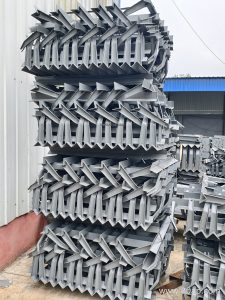
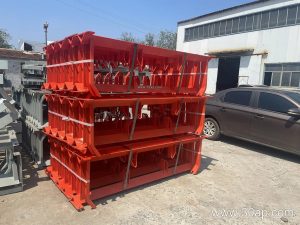
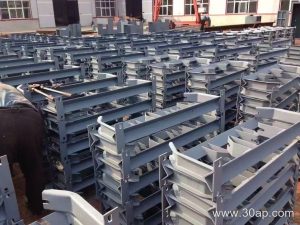
- Frame: three-roll troughing set, usually 20, 30, 35 or 45 degree trough angle
- Mounting: bolted to the conveyor bracket on the stringer, same as standard idler sets
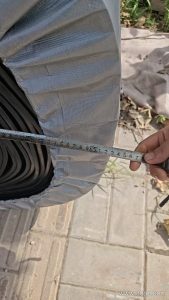
Roller diameters for impact stations commonly follow the standard idler range, for example Ø89, Ø108, Ø127, Ø133, Ø159 and Ø178 mm. The diameter is chosen from belt width, belt speed and the size of the lump, not from belt width alone.
Where It Sits on the Conveyor
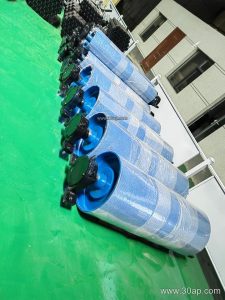
The impact idler belongs at the transfer point, and often a short run of them is installed for two or three idler spacings after the chute. This is different from a bend pulley or a tail pulley, which redirect or drive the belt; the impact idler only supports and cushions. It is also different from a training idler, which corrects belt misalignment. At a crusher discharge in a stone crushing line, or under a ship loader at a port terminal, the impact zone may need a reinforced frame and closer idler spacing to spread the shock.
In underground coal mining, flame retardant and anti-static properties matter for the belt, and the impact idler itself is usually specified with rubber compounds suited to the environment. A PVG conveyor belt or a steel cord conveyor belt in the same transfer point will call for different cushioning because the carcass stiffness differs.
Common Sizes and Selection Points
The table below gives typical reference values, not fixed matches. Final dimensions follow the conveyor design.
| Belt width | Typical roller length, three-roll trough | Common roller diameter |
|---|---|---|
| B500 | about 200 mm | Ø89, Ø108 |
| B650 | about 250 mm | Ø89, Ø108, Ø127 |
| B800 | about 315 mm | Ø108, Ø127, Ø133 |
| B1000 | about 380 mm | Ø127, Ø133, Ø159 |
| B1200 | about 465 mm | Ø133, Ø159, Ø178 |
| B1400 | about 530 mm | Ø159, Ø178 |
| B1600 | about 600 mm | Ø159, Ø178, Ø194 |
| B1800 | about 670 mm | Ø178, Ø194 |
| B2000 | about 750 mm | Ø194, Ø219 |
Buyers should confirm the drop height, maximum lump size, throughput and belt speed before choosing a ring thickness or ring hardness. A high abrasion resistant conveyor belt and a heat resistant conveyor belt may both run over impact idlers, but the rubber ring compound should suit the material temperature. For wet or sticky ore, ring spacing affects how easily fines fall away.
Buyer Checklist
- Match the idler set to the existing frame and conveyor bracket hole pattern.
- Check seal type for dusty service such as cement plant or limestone quarry transfer points.
- Confirm ring hardness and thickness against lump size and drop height.
- Ask for the bearing designation and housing material, not just the roller diameter.
- Consider a reinforced impact frame where the loading chute delivers large rock.
For related components, see the idler roller range and conveyor pulley options used at drive, tail and bend positions. A well chosen loading point impact idler protects the belt and keeps the transfer point running quietly.