What a Mining Conveyor Belt Is and Where It Fits
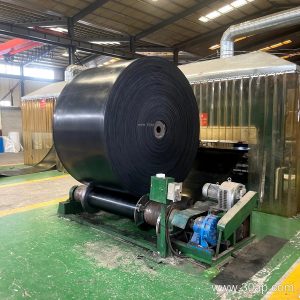
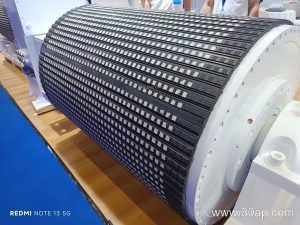
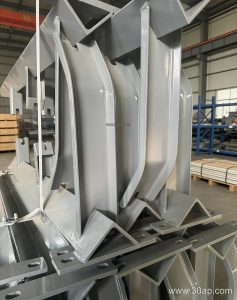
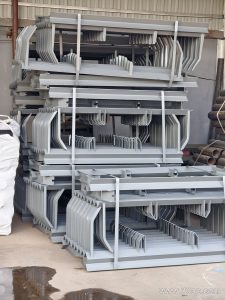
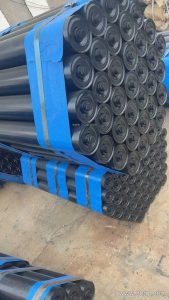
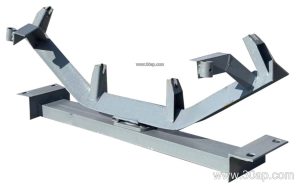
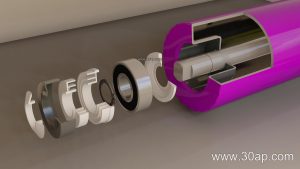
A mining conveyor belt is the load-carrying element of a continuous haulage system built for rock, ore, coal, aggregate, and other abrasive bulk materials. In a quarry, coal mine, cement plant, power plant, or sand and gravel yard, the belt works together with idler rollers, conveyor pulleys, and conveyor brackets to move material from the crusher or loading point to stockpiles and transfer stations. The belt itself is only one part of the line, but it is the part that touches the load and absorbs the impact, so its construction and cover compound decide much of the service life.
Construction and Common Types
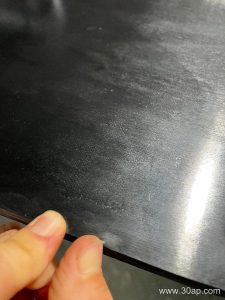
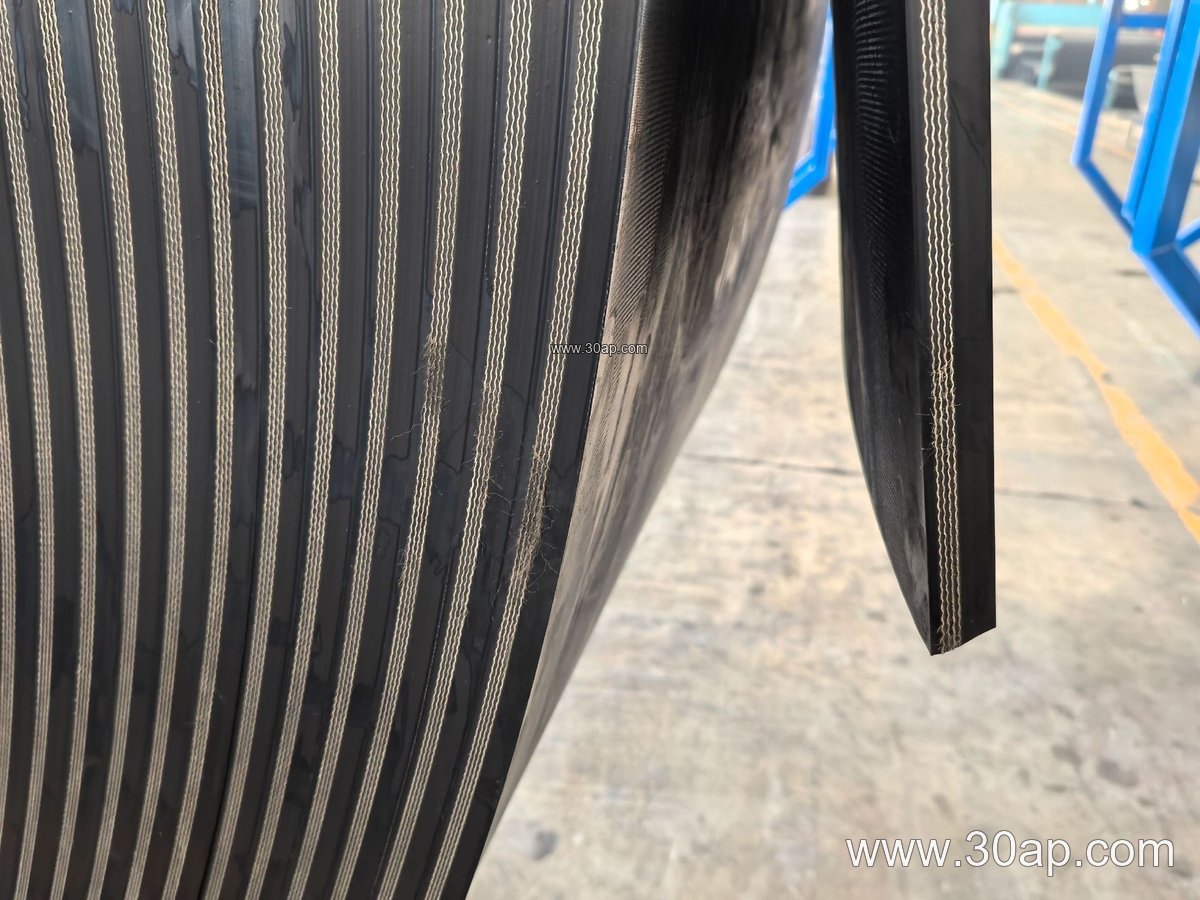
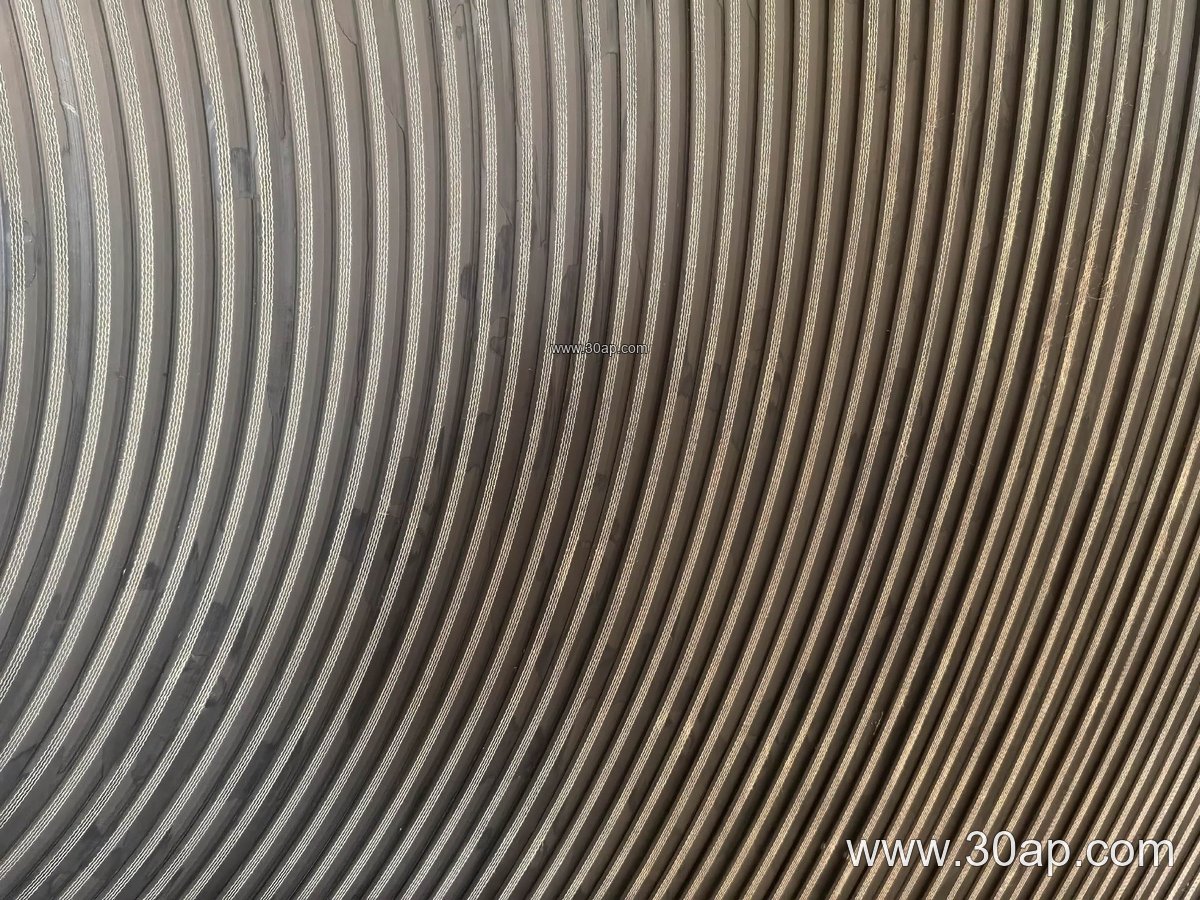
The carcass provides tensile strength and resistance to stretch, while the rubber covers protect the carcass from cutting, abrasion, heat, oil, and moisture. Buyers usually choose among fabric-core and steel-cord designs, and the right choice depends on the duty, the lump size, the incline, and the environment rather than on a single rule.
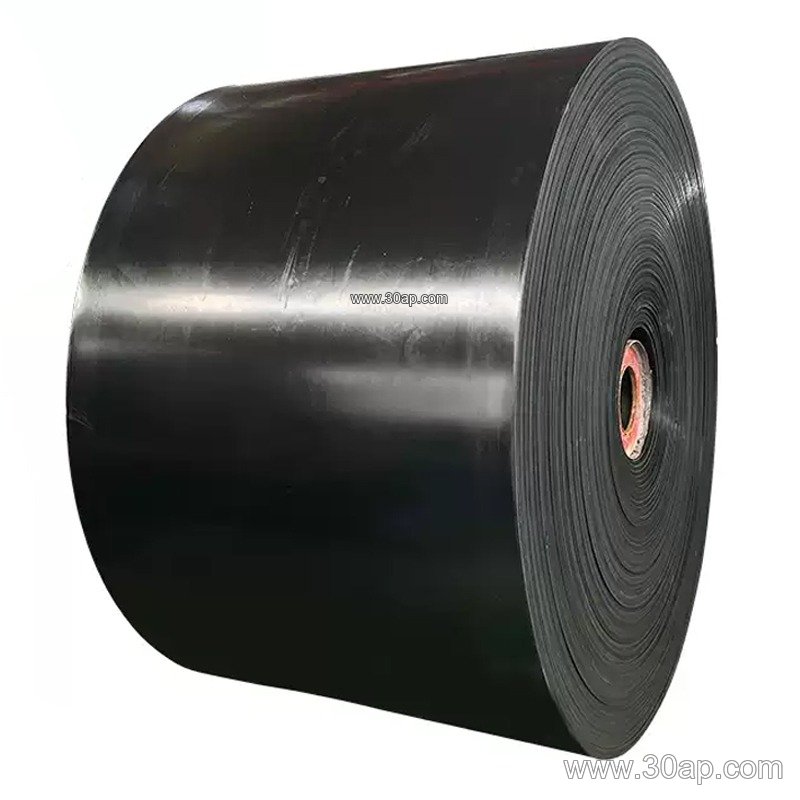
- Fabric core conveyor belt — flexible and suited to many quarry and aggregate lines; EP Conveyor Belt and NN Conveyor Belt are common carcass options.
- Steel Cord Conveyor Belt — used where long center distances and high tension demand greater strength with less stretch.
- Special covers — abrasion resistant, heat resistant, flame retardant, fire resistant, oil resistant, cold resistant, and anti-static grades are selected to match the site conditions.
- Profile and containment designs — chevron conveyor belt, skirted conveyor belt, corrugated sidewall conveyor belt, and pipe conveyor belt handle steep angles or enclosed transport.
Underground coal mining conveyor belt and underground mining conveyor belt installations often call for flame retardant grades, while a heavy-duty mining conveyor belt at a primary crusher may need thicker covers and impact-resistant construction. A rubber conveyor belt for ore handling is not automatically the same as one for cement powder, so the material being carried should always be stated.
Typical Specifications and Reference Data
The values below are common reference points, not fixed combinations. Actual belt width, cover thickness, and carcass grade should be confirmed against the conveyor design, pulley diameters, and load profile. A wider belt does not dictate one specific pulley size, and shaft dimensions are determined by the conveyor designer.
| Parameter | Common reference values |
|---|---|
| Belt width | B500, B650, B800, B1000, B1200, B1400, B1600, B1800, B2000 |
| EP carcass grades | EP200, EP315, EP400, EP500, EP630, EP800, EP1000, EP1250, EP1600, EP2000 |
| Cover thickness | 3+1.5, 4+2, 5+2, 6+2, 8+3 mm |
| Fabric plies | Typically 2 to 6 plies depending on duty |
For example, EP1000 1200mm conveyor belt and EP1250 1800mm conveyor belt descriptions combine a carcass grade with a width, but the cover grade and ply count still need to be specified. A 1500mm wide conveyor belt or 1800mm wide conveyor belt may be required at a high-capacity transfer point, while narrower widths are common on secondary and tertiary crushing lines.
Applications Across Mining and Processing
Mining conveyor belt systems appear in open-pit and underground operations, coal preparation plants, cement kilns and clinker lines, power station coal yards, steel plants, port ship loading facilities, and recycling plants. A crusher conveyor belt must tolerate sharp edges and drop impact; an ore conveyor belt at an iron ore or copper ore site faces abrasion and sometimes moisture; a gold mining conveyor belt may run in a remote location where reliable splices matter. Aggregate conveyor belt and rock conveyor belt duties are often abrasive but relatively dry, while a cement conveyor belt may encounter fine dust and heat.
Where the route climbs steeply, a chevron conveyor belt or corrugated sidewall conveyor belt can help retain material. Where dust and enclosed transfer are priorities, a pipe conveyor belt may be considered. In coal mining, a flame retardant conveyor belt or fire resistant conveyor belt grade is often requested, and an anti-static conveyor belt helps control static charge. For hot clinker or sinter, a heat resistant conveyor belt is selected; for oily scrap or certain mineral feeds, an oil resistant conveyor belt may be appropriate. Cold resistant and acid resistant grades serve specific climates and chemical exposures.
Selection and Maintenance Notes for Buyers
Start with the material: lump size, density, moisture, temperature, oil content, and abrasiveness. Then confirm the conveyor’s capacity, incline, trough angle, and the smallest pulley in the line, because the carcass must flex around it. Specify belt width, carcass grade, ply count, cover thickness, and cover compound together rather than choosing a width alone. For high-tension main lines, compare steel cord and high-strength fabric options; for shorter or more flexible layouts, a multi-ply fabric core conveyor belt may be the practical choice.
On site, check idler roller alignment, pulley condition, and skirt rubber clearance regularly. Material buildup at transfer points and misaligned conveyor brackets can shorten belt life faster than ordinary wear. Keep splices inspected, track cover wear, and record the operating hours of each belt so replacement planning is based on observed condition. A belt that is correctly matched to its duty and maintained with its conveyor pulley and idler roller system will usually deliver more predictable service than one chosen by width or price alone.