What a Q355 Conveyor Bracket Does on a Conveyor Line
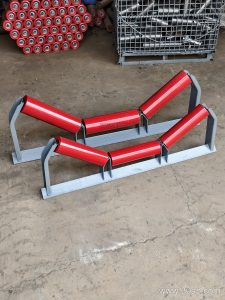
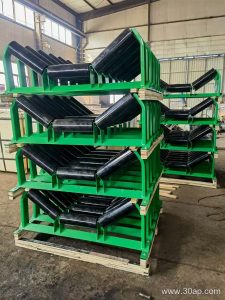
A Q355 Conveyor Bracket is the steel support that holds idler rollers in the correct position under or over a conveyor belt. In practice, the bracket carries the load of the belt and the material, keeps the idlers at the designed trough angle, and transfers the force into the conveyor frame. Because Q355 is a low-alloy, high-strength structural steel, this bracket is often chosen for crushing circuits, cement plants and power plant coal handling, where vibration and impact are part of daily operation. It is sometimes called a Q355 conveyor idler bracket or Q355 belt conveyor bracket, and these names refer to the same product.
How the Bracket Is Built
Most Q355 Conveyor Bracket designs are fabricated from angle steel, channel steel or bent steel plate. The material thickness, rib arrangement and weld size are set by the conveyor designer according to the belt width, the idler diameter and the expected load. A typical assembly includes a cross beam, one or two mounting plates, and slots or holes for the idler shaft. Adjustable versions add a pivoting or slotted connection so the trough angle can be set on site.
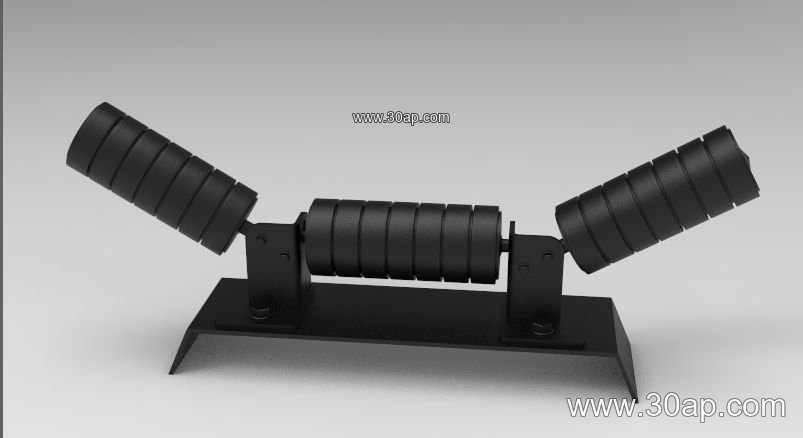
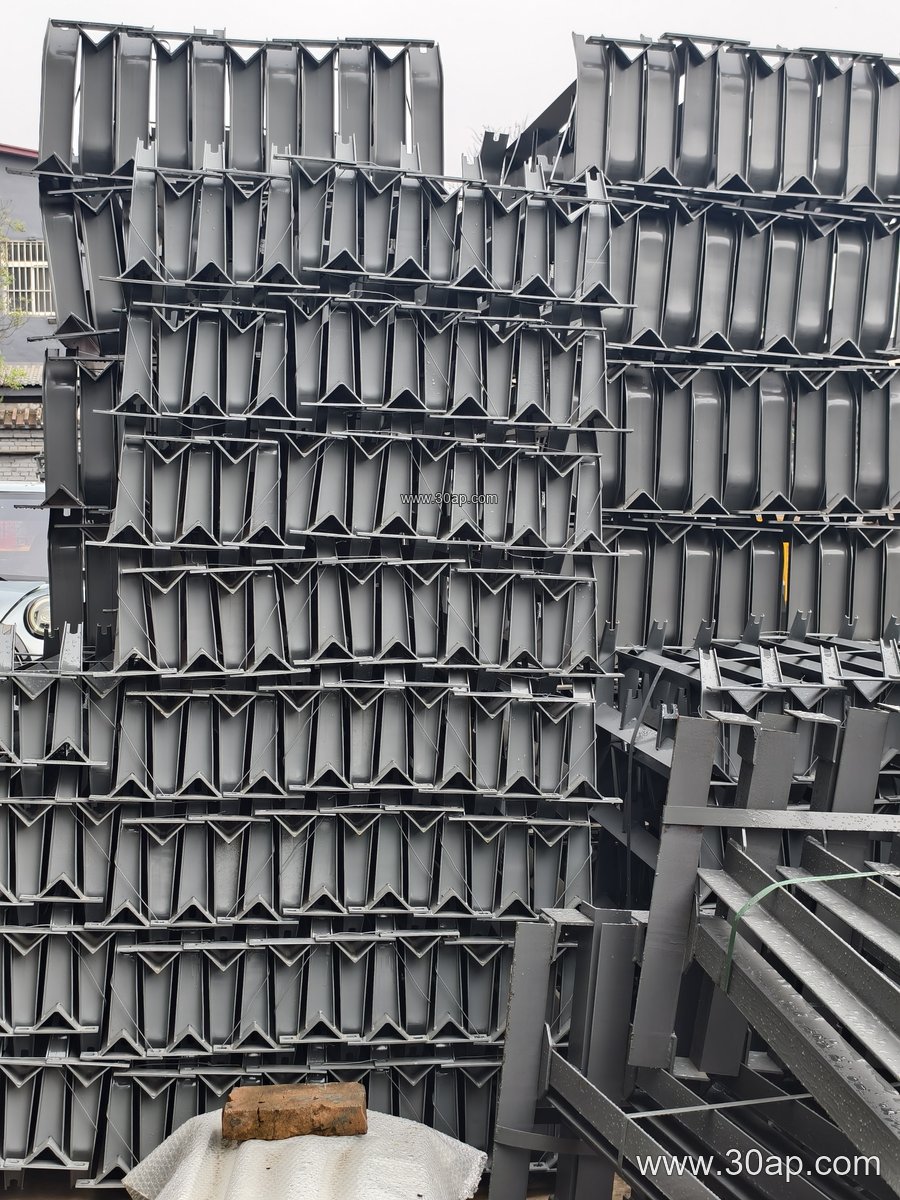
- Material: Q355 structural steel, sometimes with a painted or galvanized finish
- Form: welded cross beam with bolted or welded idler seats
- Mounting: bolted to the conveyor stringer or frame, with hole spacing set by belt width and trough angle
Common Types and Where They Sit
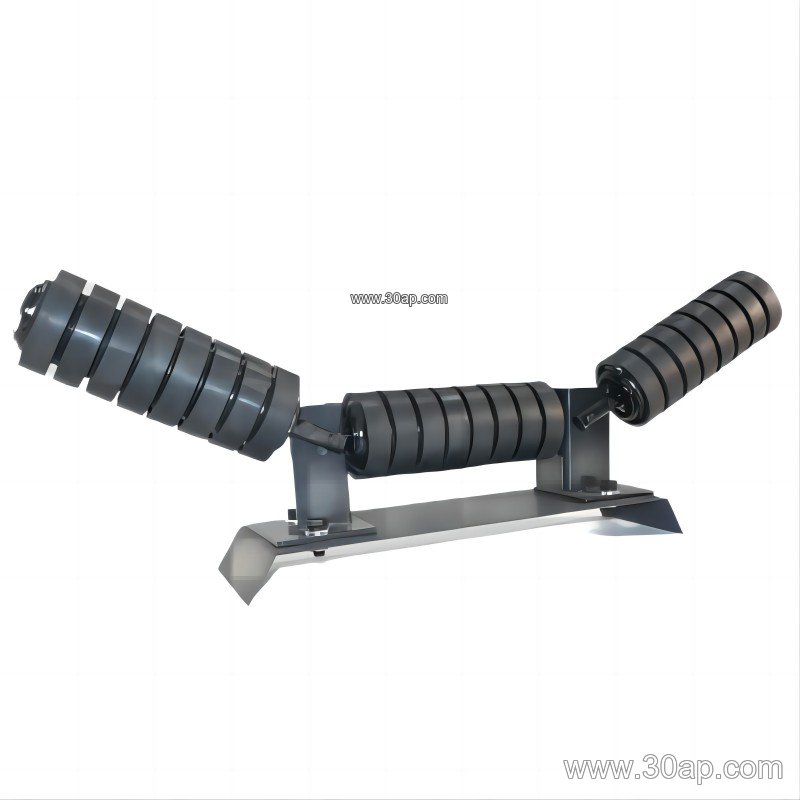
The bracket family is broad, and each type has a fixed place in the conveyor structure. A trough bracket, also called an upper troughing bracket, supports the three-roll idler set on the carrying side. A transition bracket sits near the head or tail and guides the belt from flat to troughed. Return brackets and V-return brackets hold the return idlers under the belt. Impact brackets are placed under the loading point, while self-aligning brackets help correct belt drift. A hanging bracket is used where the frame cannot take a floor-mounted support.
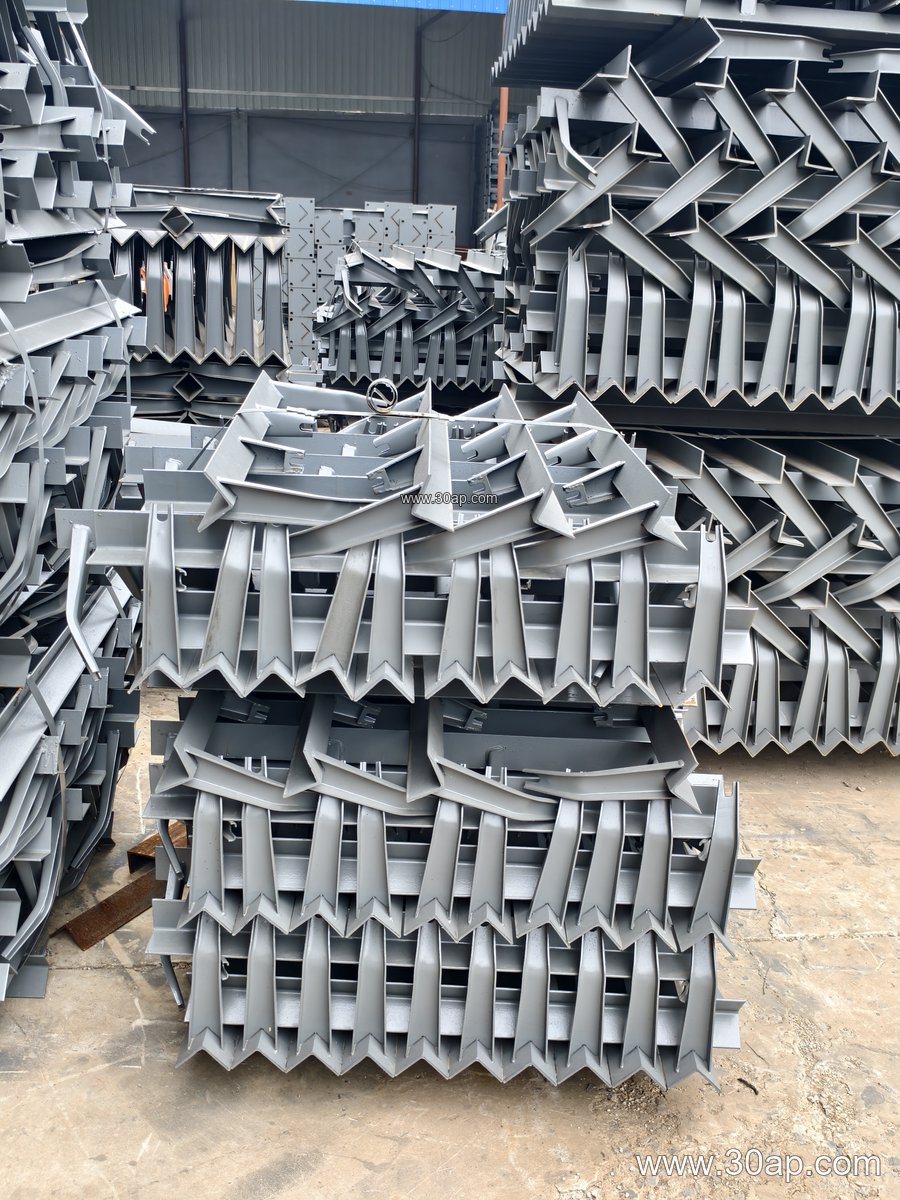
| Bracket type | Typical location | Function |
|---|---|---|
| Troughing bracket | Carrying side | Holds idlers at the set trough angle |
| Transition bracket | Near head or tail pulley | Gradual change of belt shape |
| Return bracket | Return side | Supports return idlers |
| Impact bracket | Loading point | Absorbs material impact |
| Self-aligning bracket | Long straight sections | Corrects belt misalignment |
Matching Bracket to Belt Width, Trough Angle and Roller Diameter
Belt width, trough angle and roller diameter are selected together, not in isolation. A B800 belt may run at 30 degrees with Ø108 idlers on one line and at 35 degrees with Ø133 idlers on another, depending on capacity and material. Common trough angles are 20, 30, 35 and 45 degrees, and adjustable brackets can be set between these values. Forward-leaning brackets are usually set at about 1.5 to 2 degrees to help center the belt. Installation hole spacing and cross beam length change with belt width and trough angle, so they should be confirmed from the drawing rather than assumed.
| Belt width | Common trough angle | Common idler diameter |
|---|---|---|
| B650 | 30 degrees | Ø89 |
| B800 | 35 degrees | Ø108 |
| B1000 | 35 degrees | Ø133 |
| B1200 | 45 degrees | Ø133 |
| B1400 | 35 to 45 degrees | Ø159 |
| B1600 to B2000 | 35 to 45 degrees | Ø159 to Ø194 |
These are reference ranges, not fixed pairings. The final match depends on belt tension, material density and the conveyor profile. For heavy-duty mining conveyor belt duty, a thicker bracket plate and a wider cross beam are often specified. For a long overland line carrying iron ore or copper ore, the bracket design should be checked against the actual idler load rather than copied from a smaller line.
Where Q355 Brackets Are Used
You will find this bracket in quarry and aggregate plants, limestone mines, coal washing plants, cement plants, power plant coal yards and steel plant sinter lines. It also appears in port bulk terminals and tunnel spoil handling. On a typical stone crushing line, a crusher conveyor belt discharges onto a troughed section where impact brackets and troughing brackets work together. In a coal yard, flame retardant conveyor belt and anti-static conveyor belt are common, and the bracket must be positioned to keep the belt tracking straight. See our conveyor bracket range for frame-mounted and adjustable designs.
Buyer Checklist
- Confirm belt width, trough angle and idler diameter before ordering.
- State whether the bracket is fixed or adjustable, and whether it is for carrying or return side.
- Check the mounting hole spacing against the existing stringer.
- Ask for the steel grade and finish, since Q355 is not the same as plain carbon steel.
- Match the bracket to the duty: a heavy-duty mining conveyor belt line needs a stronger frame than a light package line.
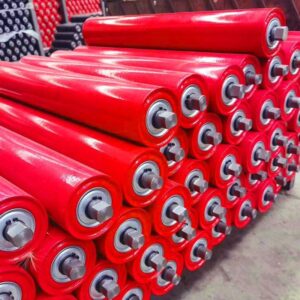
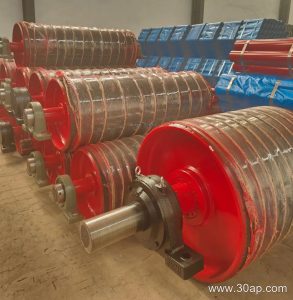
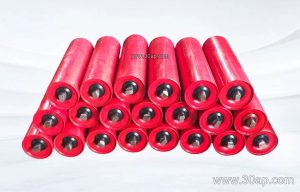
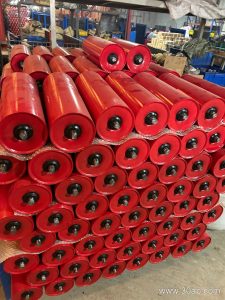
A well-chosen Q355 Conveyor Bracket keeps idlers aligned, reduces belt edge wear and makes maintenance faster. Pair it with the right conveyor pulley and idler roller, and the whole conveyor runs with less downtime. For related components such as conveyor pulley and idler roller, check the matching dimensions before assembly.