What a Non-Standard Conveyor Bracket Is
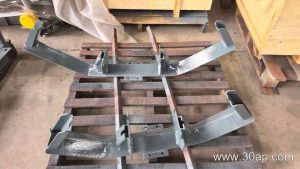
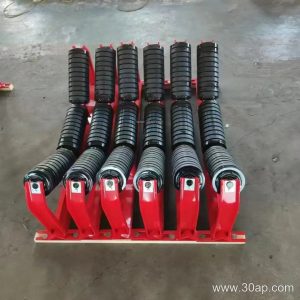
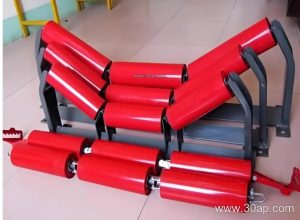
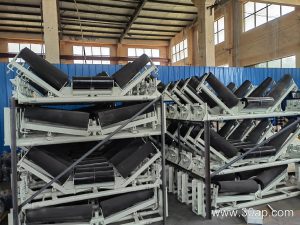
A non-standard conveyor bracket is a support component made to fit a conveyor line that does not follow a catalog drawing. Instead of matching a stock dimension, the bracket is produced around the actual belt width, trough angle, roller diameter, frame height, and installation hole pattern of the machine. In practice, this custom conveyor bracket often appears when a plant modifies an existing line, joins equipment from different suppliers, or installs a conveyor in a cramped transfer house. The bracket may look simple, but it carries the idler roller, holds the belt profile, and keeps the whole carrying side aligned.
Because it is a made-to-fit part, the non-standard bracket is usually defined by a drawing rather than a model number. Buyers should expect to supply a sketch or a sample, together with the belt width and the roller size that will sit in it.
How the Bracket Is Built
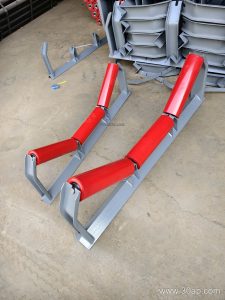
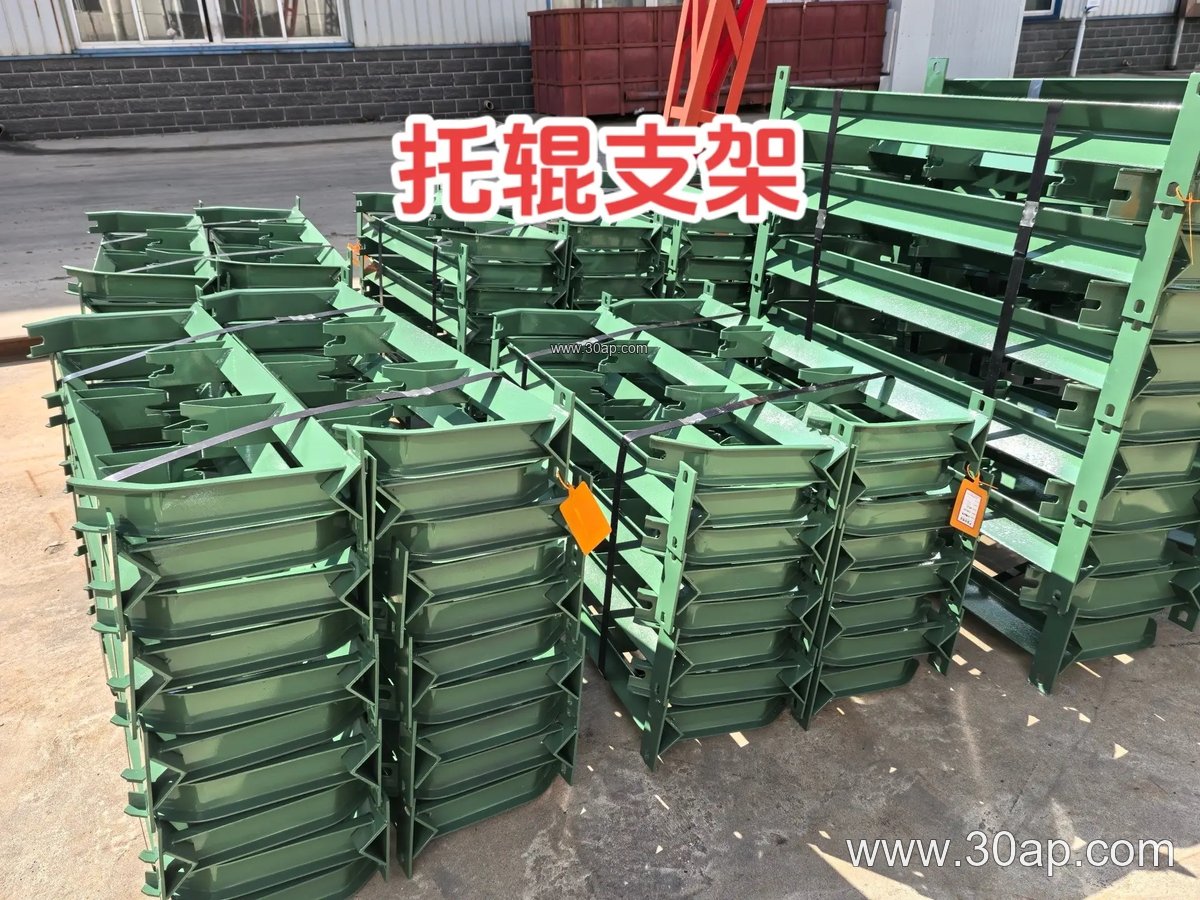
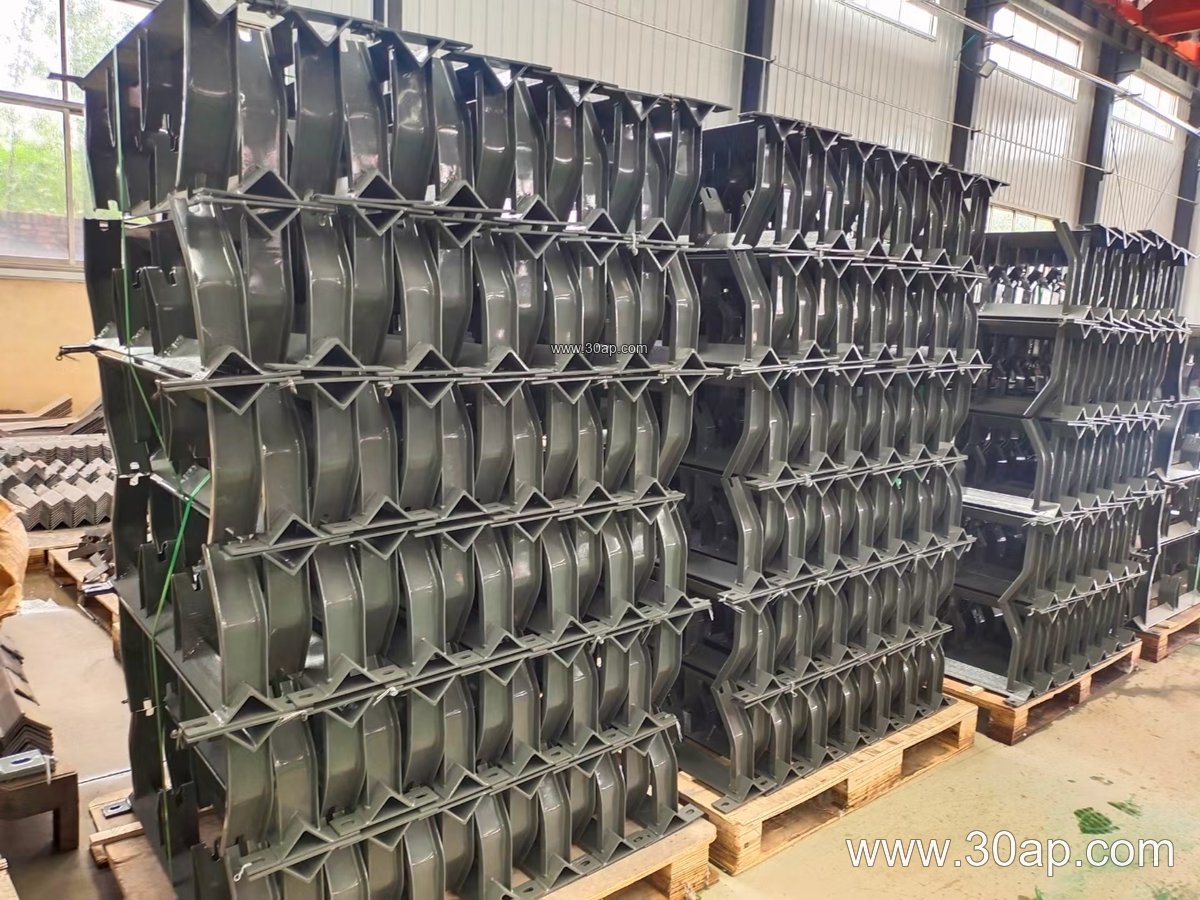
Most brackets are fabricated from angle steel, channel steel, or folded steel plate. The choice depends on load and on the space available under the belt. A typical assembly includes a cross beam, two or more mounting arms, roller seats, and bolt holes for the conveyor frame. Welded joints are common, and the bracket is usually painted or galvanized after fabrication.
Key dimensions are set by the project, not by a fixed table:
- Belt width, for example B650, B1000, B1400, or B1800
- Trough angle, commonly 20, 30, 35, or 45 degrees
- Roller diameter, such as Ø89, Ø108, Ø133, Ø159, or Ø194
- Mounting hole spacing and cross beam length, determined by the frame design
A practical example is a B1200, 35 degree, Ø133 bracket for a cement plant transfer point, or a B800, 30 degree, Ø108 unit for a small aggregate line. These are common combinations, not fixed rules. A wider belt can use different trough angles and roller sizes depending on the load and the transition length.
Where It Fits on the Conveyor
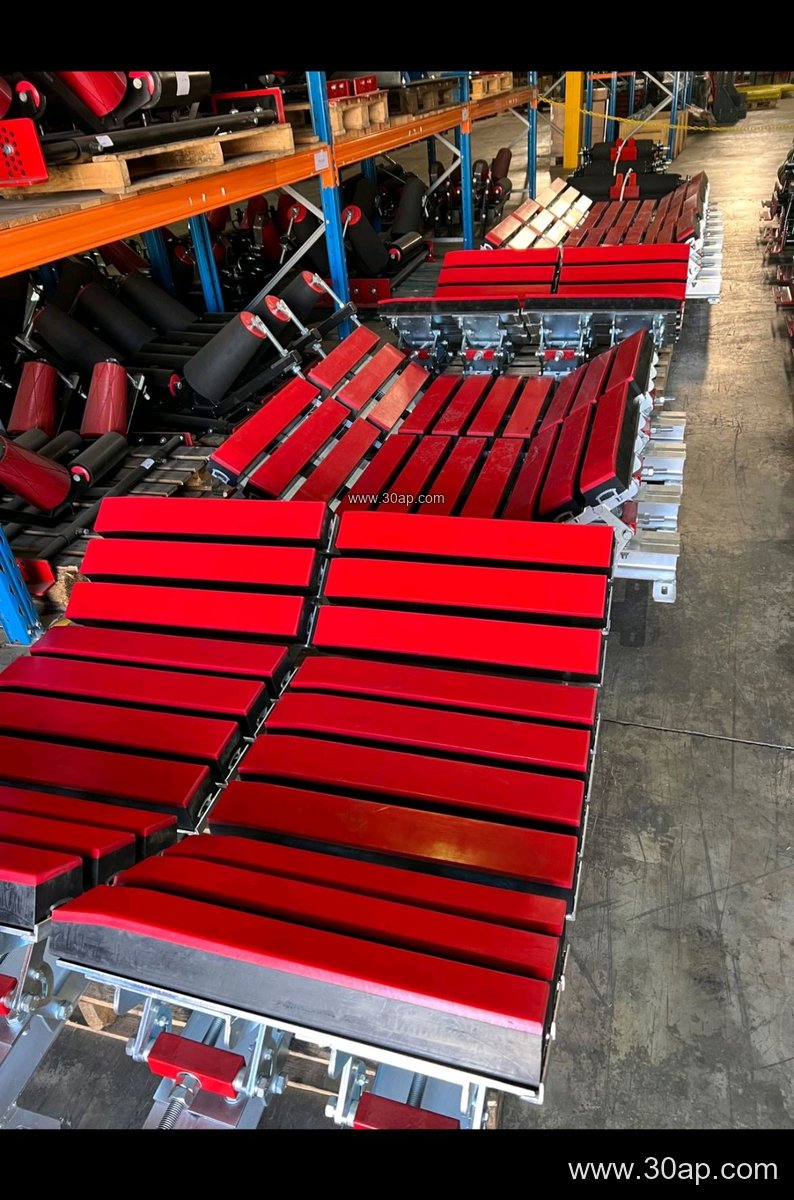
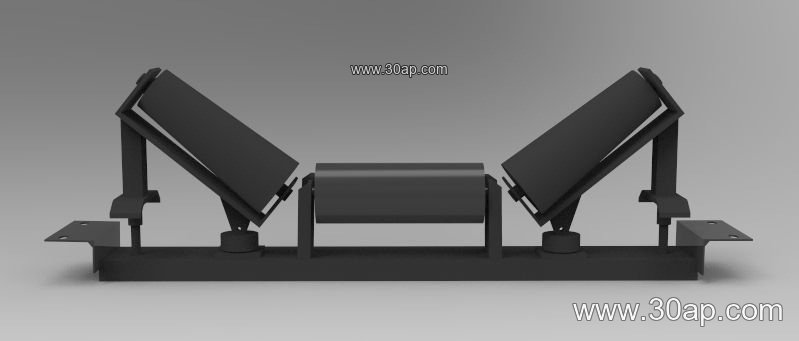
The non-standard bracket is not tied to one position. It may be a carrying-side trough bracket, a transition bracket near a conveyor pulley, a return bracket under the belt, or an adjustable bracket that lets maintenance staff change the trough angle. On a quarry conveyor or a crusher conveyor, a reinforced custom bracket often sits at the loading point where impact is heavy. In a coal mining conveyor or underground mining conveyor, space is tight and the bracket may need an offset shape to clear the frame.
Adjustable versions are useful where the belt needs fine tuning after installation. Fixed versions are simpler and stiffer. The right choice depends on whether the line will be re-tensioned often or left alone.
Working With the Belt and Rollers
The bracket only works well when it matches the belt and the idlers. A heavy-duty mining conveyor belt or a steel cord conveyor belt carries more load, so the bracket and its roller seats need enough stiffness. At a port or ship loading conveyor, a wide belt such as 1800mm or 2000mm needs a long cross beam and careful support. For abrasive duty, an abrasion resistant conveyor belt paired with a well-aligned bracket reduces edge wear. In hot areas, a heat resistant conveyor belt still needs the bracket to hold a stable trough, otherwise the belt may train poorly.
Alignment matters as much as strength. A bracket that is twisted or mounted at the wrong height will push the belt to one side, and no amount of idler adjustment will fully correct it.
What a Buyer Should Check
Before ordering, confirm the belt width, the roller diameter, the required trough angle, and the frame hole pattern. Ask for a drawing showing the cross beam length, the roller seat position, and the material thickness. State the working environment, since a wash plant, a power plant coal yard, and a fertilizer store have different corrosion and dust conditions. Confirm whether the bracket must be adjustable or fixed, and whether it will sit at a transition, a loading point, or a return run.
Do not assume that one belt width locks in one roller size or one trough angle. The correct non-standard conveyor bracket is the one drawn for your frame, your idlers, and your belt. A clear drawing and a sample photo save more time than a long list of guessed dimensions.