What a 2200mm Conveyor Belt Is
A 2200mm conveyor belt is an extra-wide belt designed for conveying lines that must move large tonnages or handle bulky, wide-spread material loads. The 2200mm figure refers to the belt width, which places this product among extra-wide conveyor belts rather than the common 500mm to 1400mm range. It is used where a single conveyor must carry high volume without excessive belt speed, making it a practical choice in mines, coal preparation plants, cement works, power stations, ports and large sand and gravel yards.
Because of the width, the belt demands careful matching with the conveyor structure. The frame, idler roller sets, conveyor pulley and conveyor bracket must all be sized for the load and the wider belt path. A 2200mm belt is not simply a scaled-up narrow belt; its carcass, splices and support spacing need proper engineering.
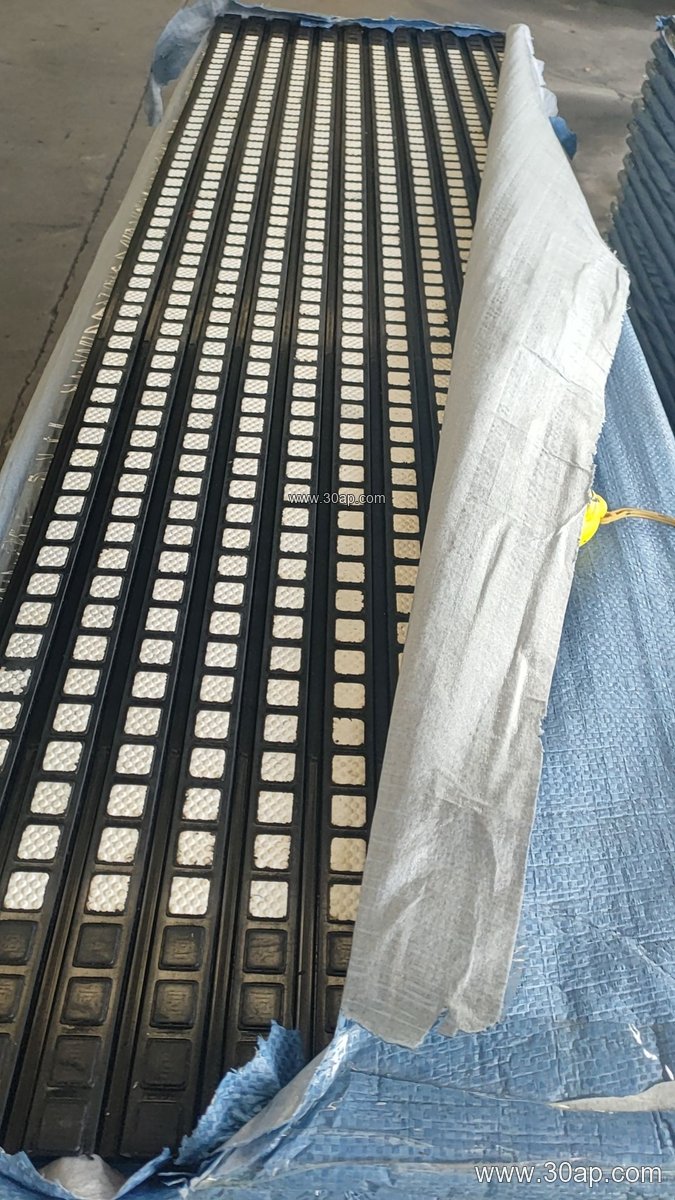
Construction and Common Specifications
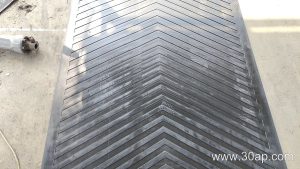
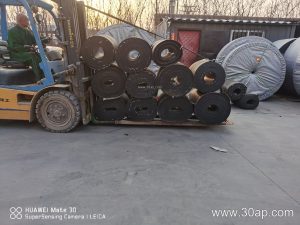
The belt body usually combines a fabric or steel cord carcass with rubber covers. Buyers can specify different carcass types depending on tension and impact. Common options include EP conveyor belt, NN conveyor belt and steel cord conveyor belt, along with special constructions such as chevron conveyor belt, corrugated sidewall conveyor belt and pipe conveyor belt.
Typical reference values are shown below. These are common ranges, not fixed universal specifications; actual values are determined by design and supplier confirmation.
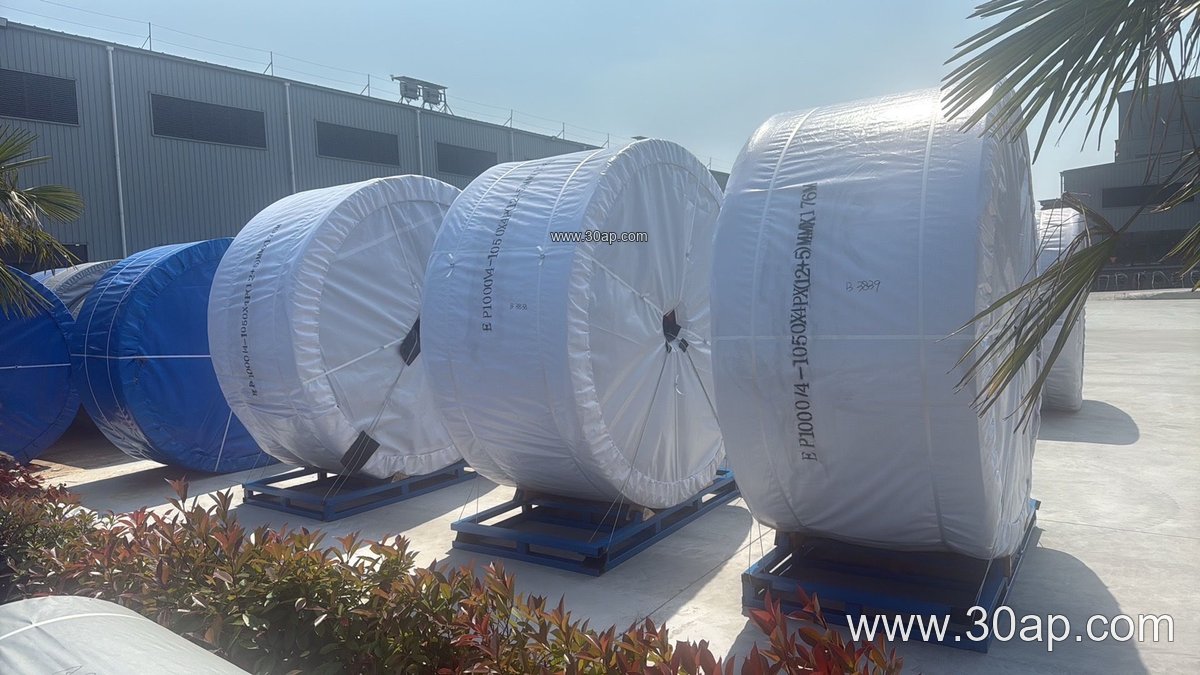
Reference Parameters
- Belt width: 2200mm (extra-wide)
- Carcass types: EP, NN, steel cord, PVC, PVG
- EP strength grades: EP200, EP315, EP400, EP500, EP630, EP800, EP1000, EP1250, EP1600, EP2000
- Cover thickness examples: 3+1.5mm, 4+2mm, 5+2mm, 6+2mm, 8+3mm
- Fabric plies: commonly 2 to 6 layers
For abrasive duties, an abrasion resistant conveyor belt with thicker top cover is often chosen. In coal mines, a flame retardant conveyor belt or fire resistant conveyor belt may be required. Heat resistant conveyor belt grades suit cement clinker and sintered material, while oil resistant conveyor belt grades help where oily feedstock is present. Cold resistant and anti-static versions are also available for specific climates and hazardous areas.
Where the 2200mm Width Fits
Extra-wide belts are common in high-capacity primary crushing circuits, stockyard feed lines and ship loading systems. A quarry conveyor belt or crusher conveyor belt at this width can accept large lumps and spread them across the carrying side, reducing spillage at transfer points. In a coal mining conveyor belt system, the width supports heavy tonnage while keeping belt speed moderate.
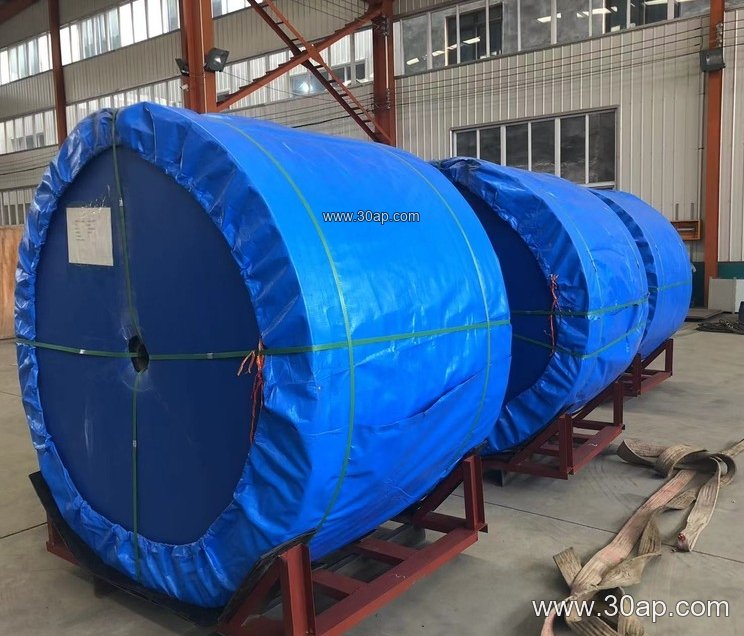
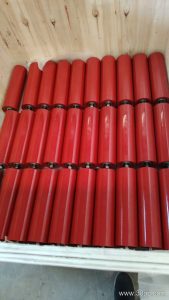
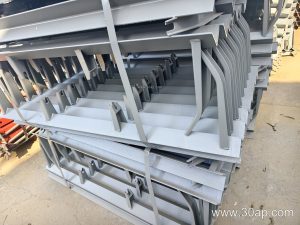
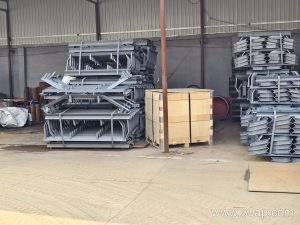
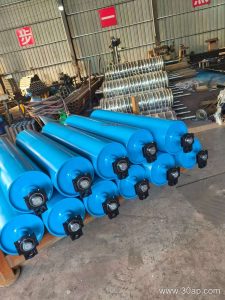
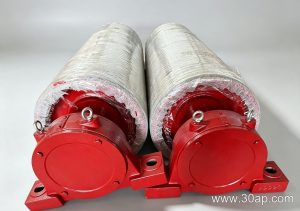
The belt works together with conveyor pulley assemblies at the head and tail, and with idler roller groups along the carry and return sides. Drive, tail and bend pulleys each have a distinct role and are not interchangeable. Correct pulley face width and lagging, together with well-aligned idler roller frames and sturdy conveyor bracket supports, protect belt edges and extend service life.
Selection and Use Notes
When specifying a 2200mm conveyor belt, confirm the actual duty rather than choosing by width alone. Review material lump size, bulk density, abrasion, temperature, oil exposure and fire safety requirements. Check the calculated belt tension against the selected carcass grade, and confirm cover thickness against impact and wear. Splice design should match the carcass type and the available splicing method on site.
- Verify pulley face width and lagging for the 2200mm belt.
- Confirm idler roller spacing and load rating for the wider belt.
- Check conveyor bracket and frame stiffness at transfer points.
- Allow for adequate take-up travel and belt tracking devices.
- Plan inspection of edges, splices and covers during routine maintenance.
For buyers sourcing a wide belt, request a data sheet covering carcass type, strength grade, cover thickness, total thickness and splice method. A 2200mm conveyor belt can serve high-capacity mining, cement, power and port operations well when the complete conveyor system is engineered around it.