What an Idler Bracket Does on a Conveyor
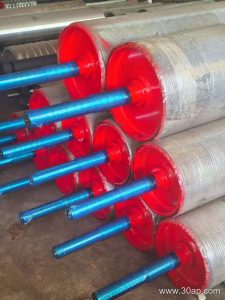
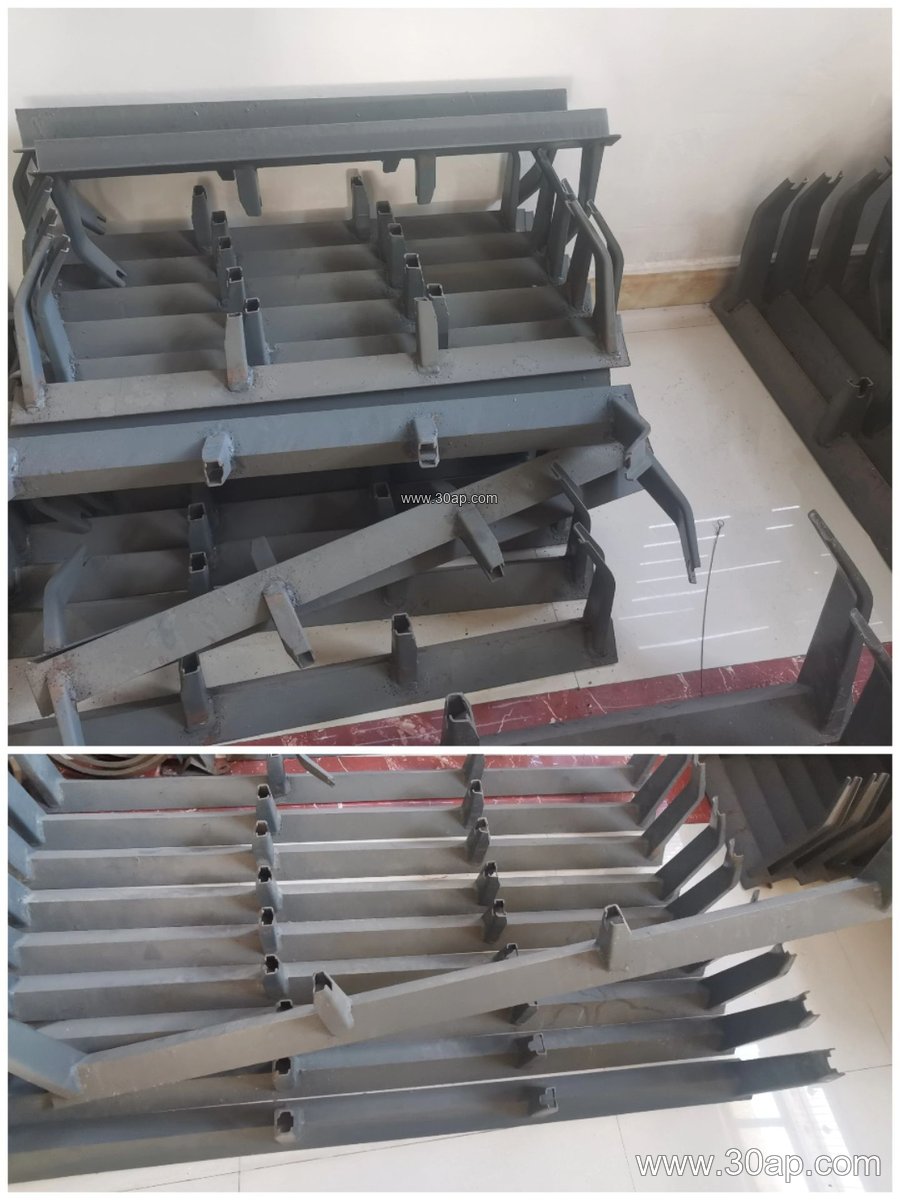
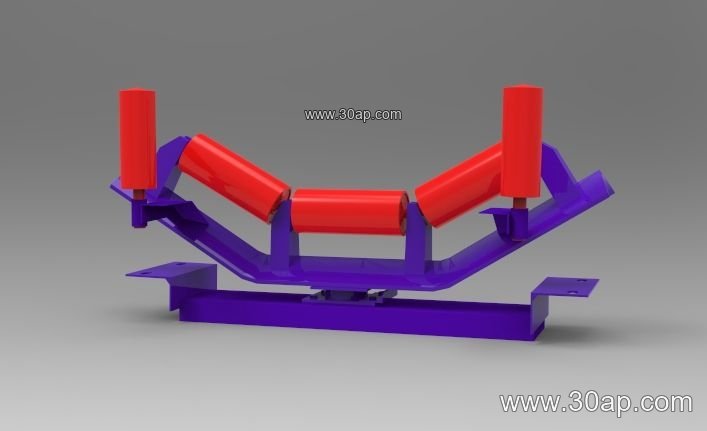
An idler bracket is the structural interface that holds a conveyor idler roller in position and transfers its load to the conveyor frame. In a typical troughing arrangement, the bracket supports the end shafts of the idler roller and maintains the chosen trough angle so the conveyor belt forms a stable material-carrying profile. Without a properly aligned bracket, even a high-quality idler roller will run off-centre, wear unevenly, and shorten belt life.
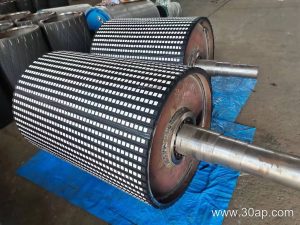
The bracket is not a standalone product; it works as part of the conveyor bracket system together with the idler roller, conveyor pulley, and conveyor belt. In quarry and aggregate lines, a loose or misaligned idler bracket is a common cause of belt tracking problems and spillage.
Construction and Common Materials
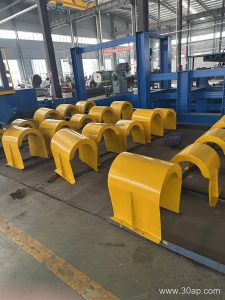
Most idler brackets are fabricated from angle steel, channel steel, or folded steel plate. The material choice depends on load, environment, and the level of corrosion protection required. A heavy-duty bracket for a primary crusher discharge may use thicker channel steel, while a lighter bracket on a clean, low-tonnage line may use folded plate. Bolt holes, slots, and mounting tabs are positioned to match the idler roller shaft and the conveyor frame stringer.
Common bracket types include troughing brackets, transition brackets, return brackets, V-return brackets, impact brackets, self-aligning brackets, and adjustable brackets. Each type serves a different position on the conveyor, and they are not interchangeable.
Matching Bracket, Belt Width, and Roller Diameter
Bracket dimensions are usually tied to belt width and roller diameter, but there is no single fixed combination. A B800 conveyor may use a 30-degree or 35-degree troughing bracket with a Ø108 idler roller, while a B1200 conveyor in a cement plant may use a 45-degree bracket with a Ø133 roller. The installation hole spacing and beam length are determined by the specific belt width, trough angle, and frame design, not by a universal table.
Typical reference ranges are shown below. These are common examples, not mandatory specifications or supply promises.
| Belt Width | Trough Angle | Roller Diameter | Typical Bracket Type |
|---|---|---|---|
| B500 | 20°–30° | Ø89 | Troughing bracket |
| B650 | 30°–35° | Ø89–Ø108 | Troughing bracket |
| B800 | 30°–35° | Ø108 | Troughing bracket |
| B1000 | 35°–45° | Ø108–Ø133 | Troughing bracket |
| B1200 | 35°–45° | Ø133 | Troughing bracket |
| B1400 | 35°–45° | Ø133–Ø159 | Troughing bracket |
| B1600 | 35°–45° | Ø159 | Troughing bracket |
| B1800 | 35°–45° | Ø159–Ø194 | Troughing bracket |
| B2000 | 35°–45° | Ø194 | Troughing bracket |
Adjustable brackets allow the trough angle to be changed within a range, commonly between 20 and 45 degrees. Forward-leaning brackets often use an angle of about 1.5 to 2 degrees to help centre the belt. Return brackets and V-return brackets are used on the return strand and should not be substituted for troughing brackets.
Where Idler Brackets Are Used
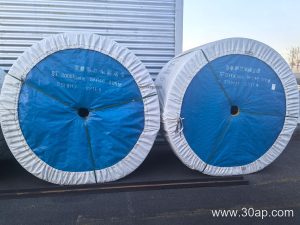
Idler brackets appear wherever a conveyor belt carries bulk material. In a limestone mine, troughing brackets support the idler rollers under the loading zone and along the main incline. In a coal washing plant, flame retardant conveyor belt and anti-static conveyor belt are common, and the brackets must be aligned carefully to avoid belt edge damage.
Other typical sites include cement plants, power plant coal handling, port ship loaders, and aggregate crushing lines. In these environments, an abrasion resistant conveyor belt or a heat resistant conveyor belt may be used, but the bracket selection still follows the same basic rules: correct belt width, correct roller diameter, and a bracket type that matches the load and position.
Buyer Checklist
- Confirm the belt width, such as B800 or B1200, and the idler roller diameter, such as Ø108 or Ø133.
- State the required trough angle and whether an adjustable bracket is needed.
- Specify the bracket type by position: troughing, transition, return, V-return, impact, or self-aligning.
- Check the mounting hole spacing against the existing conveyor frame; do not assume a fixed dimension from belt width alone.
- Match the material and surface treatment to the site conditions, such as dust, moisture, or corrosive atmosphere.
When ordering, keep the idler bracket, idler roller, and conveyor pulley specifications together. A bracket that fits the frame but not the roller shaft will cause installation delays and poor belt tracking. For more information on related components, visit conveyor bracket and idler roller pages.