What Conveyor Bracket Price Really Covers
When a maintenance planner in a quarry or a project engineer at a cement plant asks about conveyor bracket price, the answer is rarely a single number. A conveyor bracket is the steel support that holds the idler roller in position under the belt. The price depends on the bracket family, the belt width it serves, the trough angle, the roller diameter it accepts, the steel section used, and the surface treatment. Two brackets that look similar from a distance can differ by a factor of two once galvanizing, adjustable arms, or reinforced impact sections are added.
The bracket is a modest item next to a full conveyor pulley, yet it repeats hundreds of times along a long overland line. That repetition is why buyers negotiate this part carefully. A small saving per unit becomes significant across a 2 km run in an iron ore mine or a coal handling system at a power plant.
How the Bracket Is Built
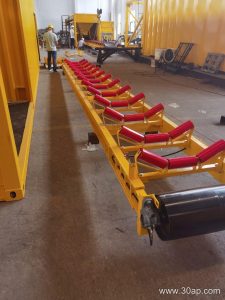
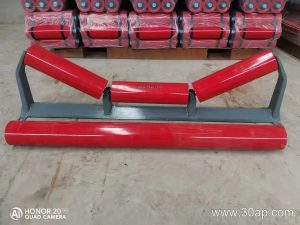
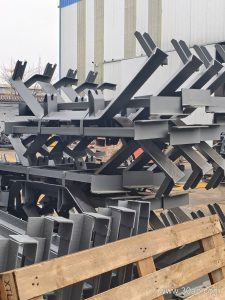
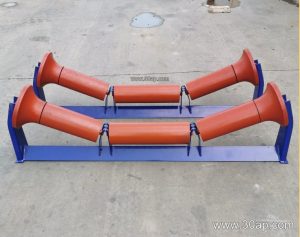
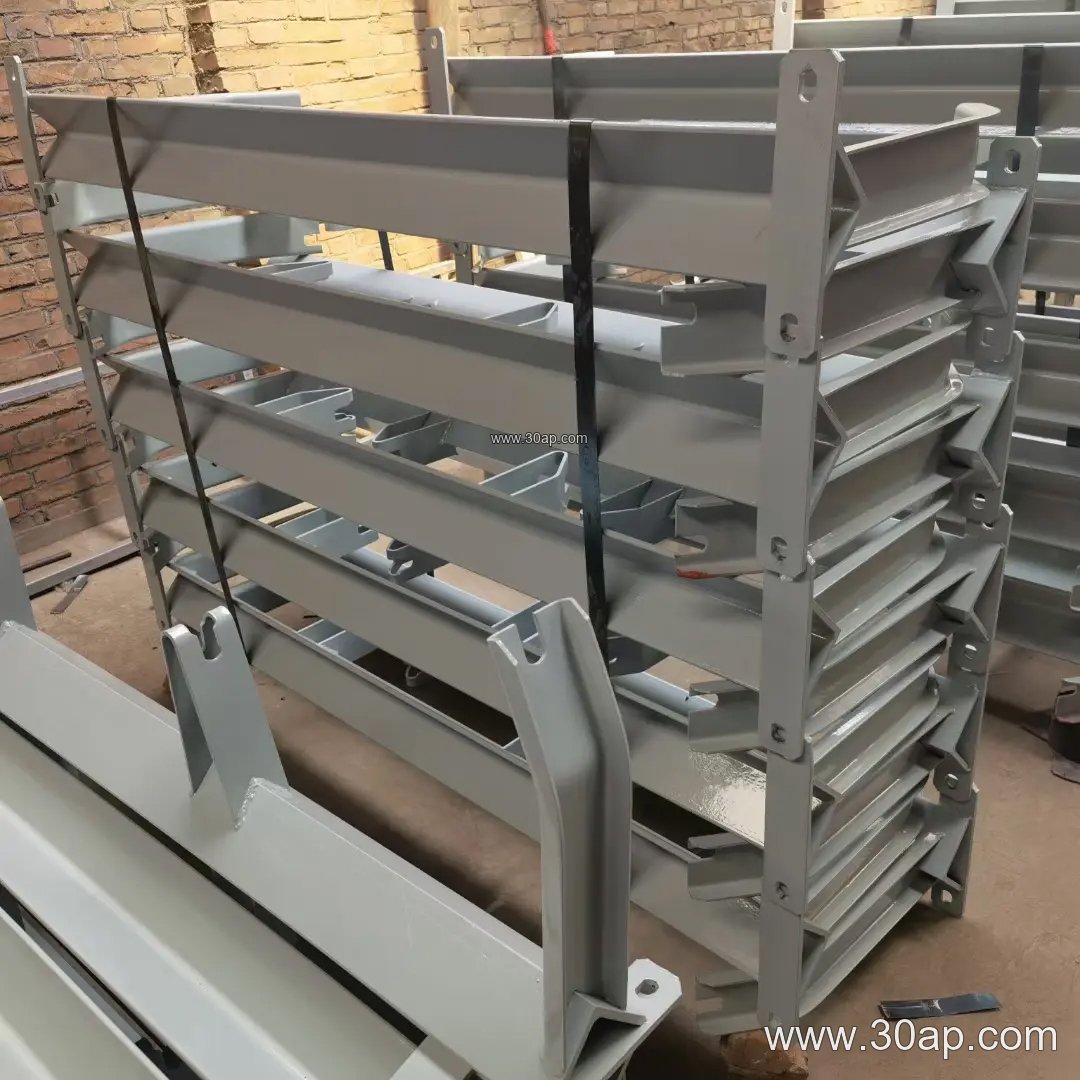
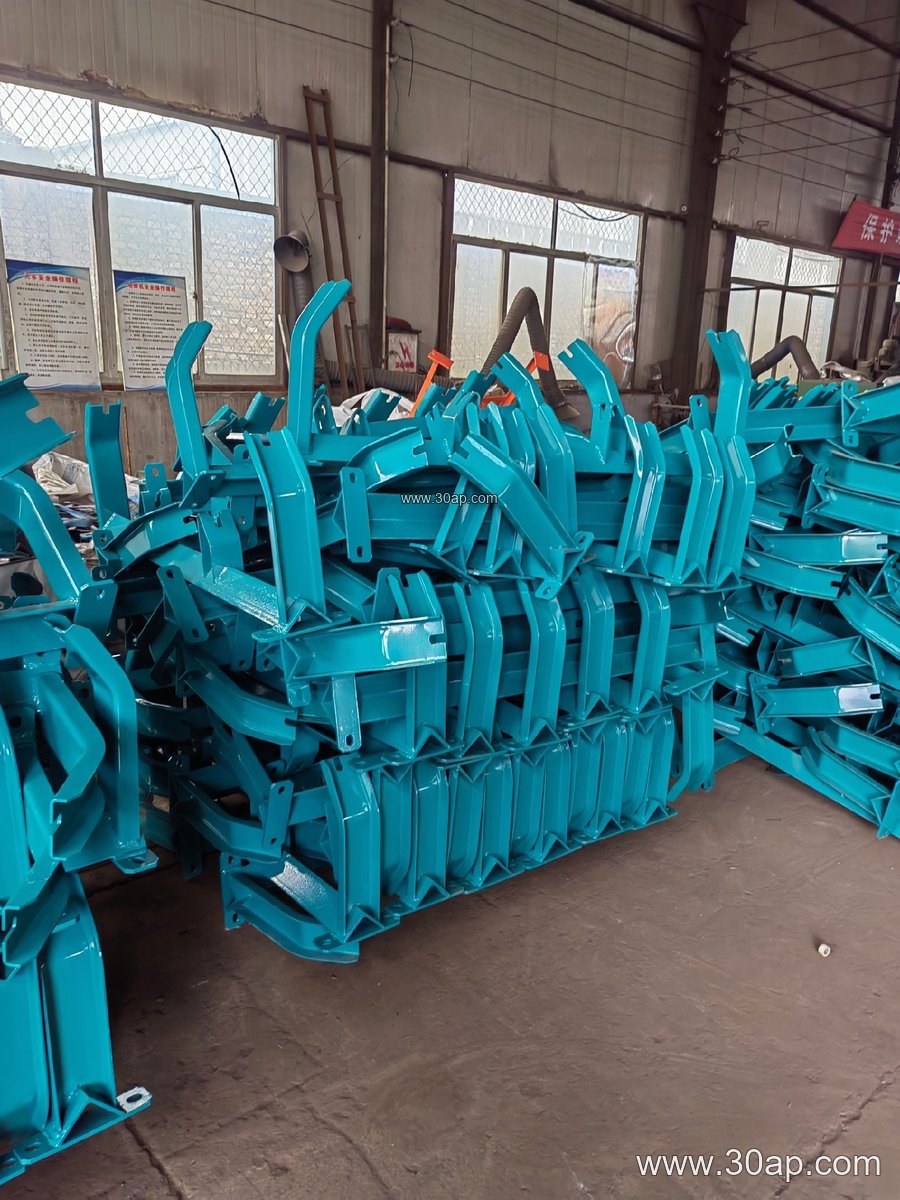
Most brackets are fabricated from angle steel, channel steel, or folded steel plate. The frame carries mounting slots or holes for the idler shaft, and the cross beam length follows the belt width. Common structural forms include trough brackets on the carrying side, return brackets underneath, transition brackets near the pulleys, and self-aligning or forward-tilted designs where tracking control matters. Materials are usually carbon steel, finished by painting or hot-dip galvanizing.
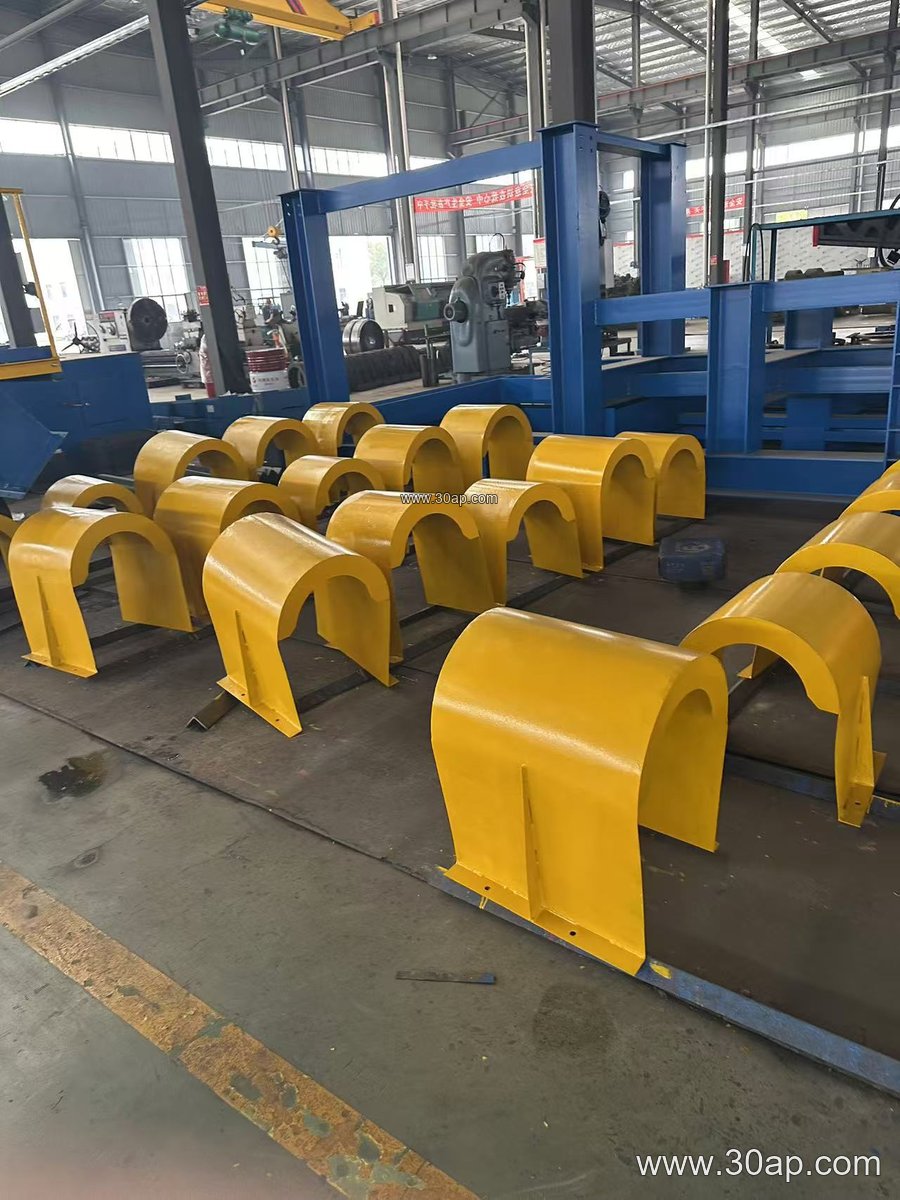
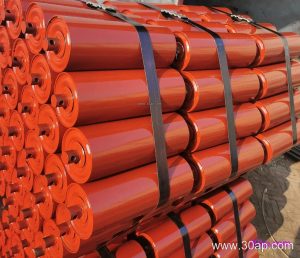
Because the bracket sits beneath the belt and beside the conveyor idler roller, its geometry must match the roller end. A bracket ordered for Ø108 rollers will not correctly seat a Ø159 shaft without an adapter or a different frame. This is the most frequent source of return claims and price renegotiation.
Typical Reference Ranges
The values below are common reference points for discussion, not fixed combinations and not a supply promise. Actual mounting hole spacing and beam length are determined by design.
- Belt width: B500, B650, B800, B1000, B1200, B1400, B1600, B1800, B2000
- Trough angle: 20°, 30°, 35°, 45°; adjustable brackets can move between these settings
- Roller diameter: Ø89, Ø108, Ø133, Ø159, Ø194
- Forward tilt: typically about 1.5° to 2° where used
Examples such as B800 with 35° and Ø108, or B1200 with 45° and Ø133, are written only to show how the three variables combine. No belt width is tied to one trough angle or one roller diameter.
Where the Price Differences Come From
Steel and Finish
Channel steel frames generally cost more than light angle frames but resist bending better on wide belts. Galvanizing adds cost over shop paint, yet it often pays back in wet ports or fertilizer plants where corrosion is aggressive.
Adjustability
A fixed bracket is the cheapest form. An adjustable bracket with slotted arms or interchangeable angle settings costs more but lets a plant change trough angle without replacing the whole frame. Forward-tilted and self-aligning brackets carry a further premium because of the extra pivot and stop details.
Duty and Quantity
Impact brackets under a crusher discharge need thicker plate and gussets. Small trial orders carry relatively higher unit prices than full container loads. Buyers should always ask whether the quoted price includes fasteners, and whether it is ex-works or delivered.
Matching the Bracket to the Rest of the Line
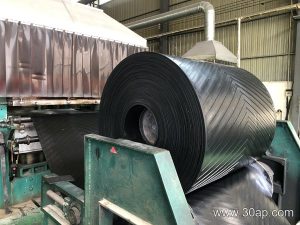
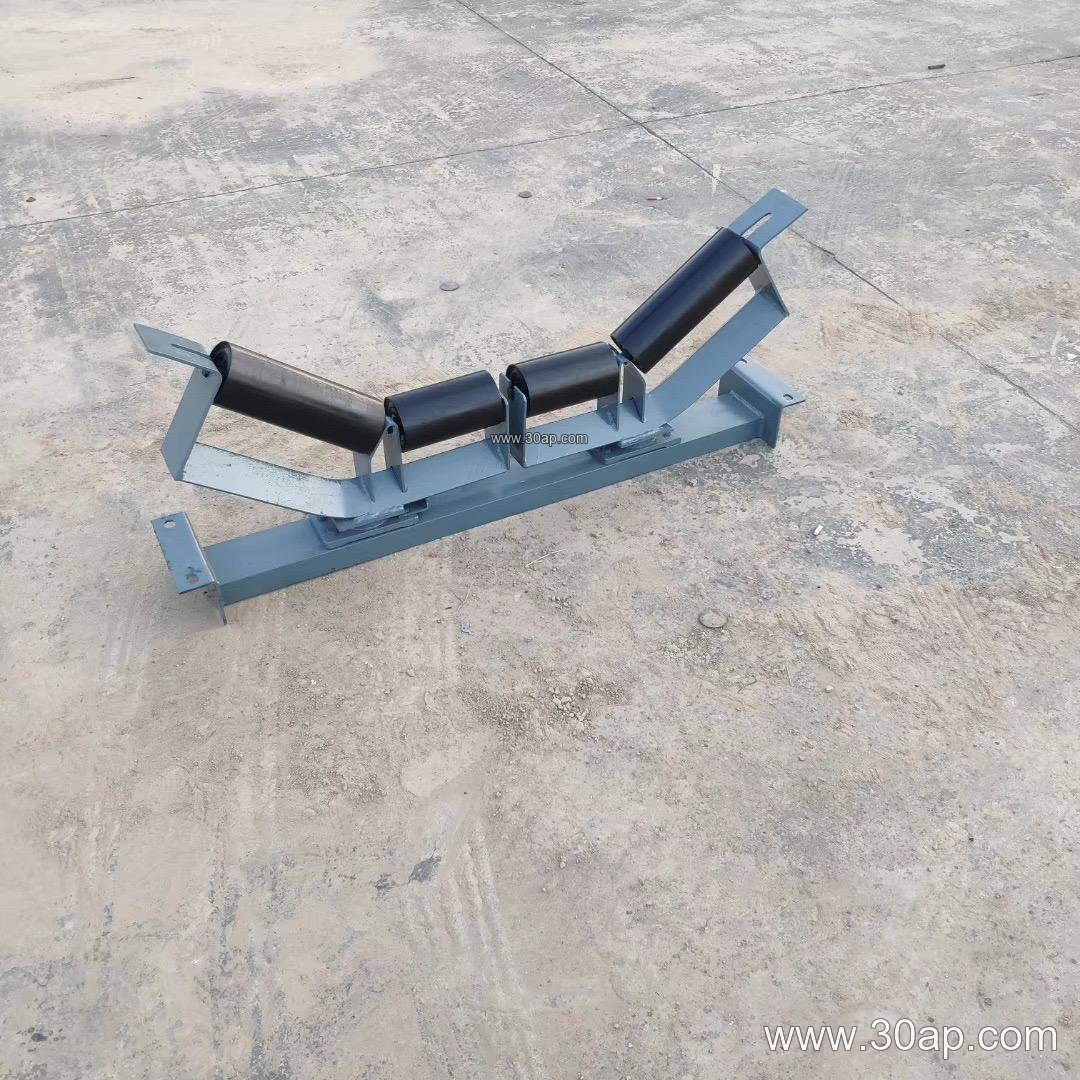
A bracket does not work alone. On the carrying side it supports the roller that shapes the conveyor belt into a trough; underneath, the return bracket holds the return roller. Near the head, a transition bracket gradually changes the belt profile as it approaches the conveyor pulley. On a steel cord conveyor belt line with high tension, bracket spacing and frame rigidity deserve more attention than on a short aggregate conveyor. In coal mining or underground coal mining conveyor belt service, flame retardant properties apply to the belt, while the bracket is selected for strength, fit, and corrosion resistance.
What to Put in the Enquiry
To get a comparable conveyor bracket price from several suppliers, state the belt width, the trough angle, the roller diameter, the bracket type, the steel section preference, the finish, and the quantity. Add a sketch of the mounting hole pattern if an existing frame is being replaced. Mention whether the line handles abrasive rock, wet coal, or hot sinter, since that affects the steel and coating choice. Ask for the unit weight as well; freight on a few hundred brackets is not trivial.
Finally, request a sample or dimensional drawing before a large order. The lowest quoted figure is only meaningful when the bracket actually fits the idler roller and the beam length suits the belt width.