Introduction to EP Conveyor Belt Performance in Heavy Industries
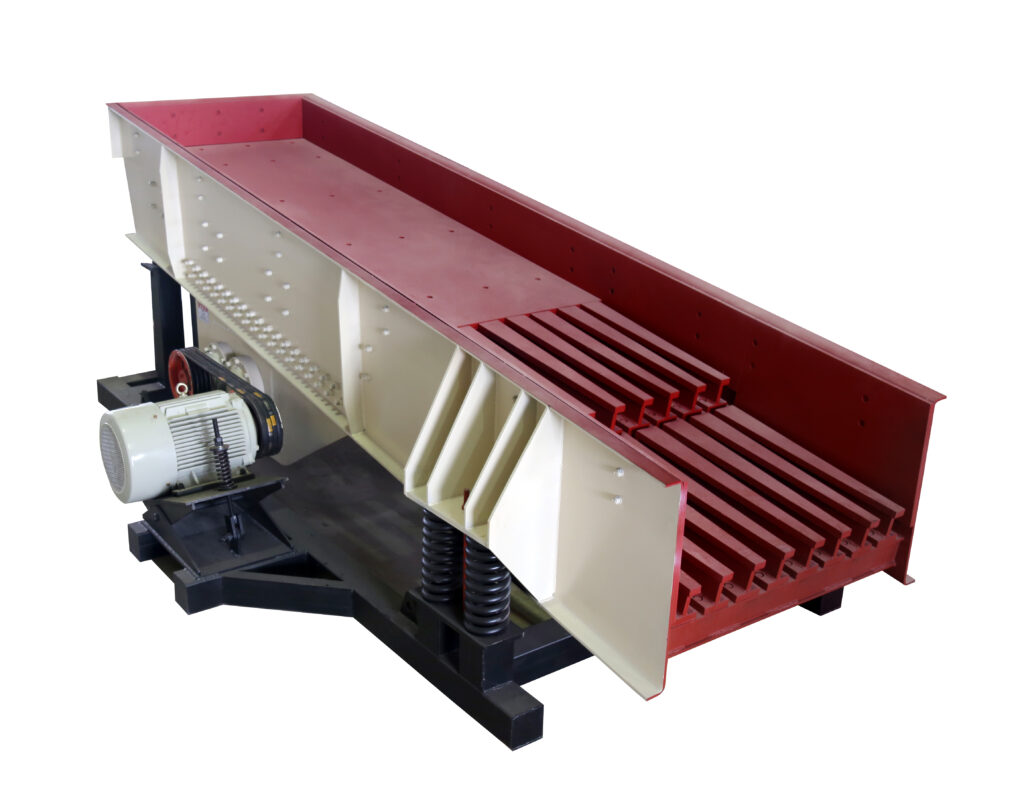
Efficient material transport forms the backbone of modern heavy operations, especially across demanding sectors like Mining Conveyor Belt systems, aggregate processing plants, cement manufacturing facilities, and thermal power stations. Among various tension-resistant mediums, the EP Conveyor Belt stands out due to its superior dimensional stability, low elongation characteristics, and high tensile strength. This fabric core medium utilizes polyester for its warp threads and nylon for its weft threads, striking an optimal balance between longitudinal rigidity and transverse flexibility. When operating across rugged terrains in a Quarry Conveyor Belt line or feeding raw aggregates into a primary crusher, selecting the correct carcass specification ensures uninterrupted material flow and reduces unexpected downtime.
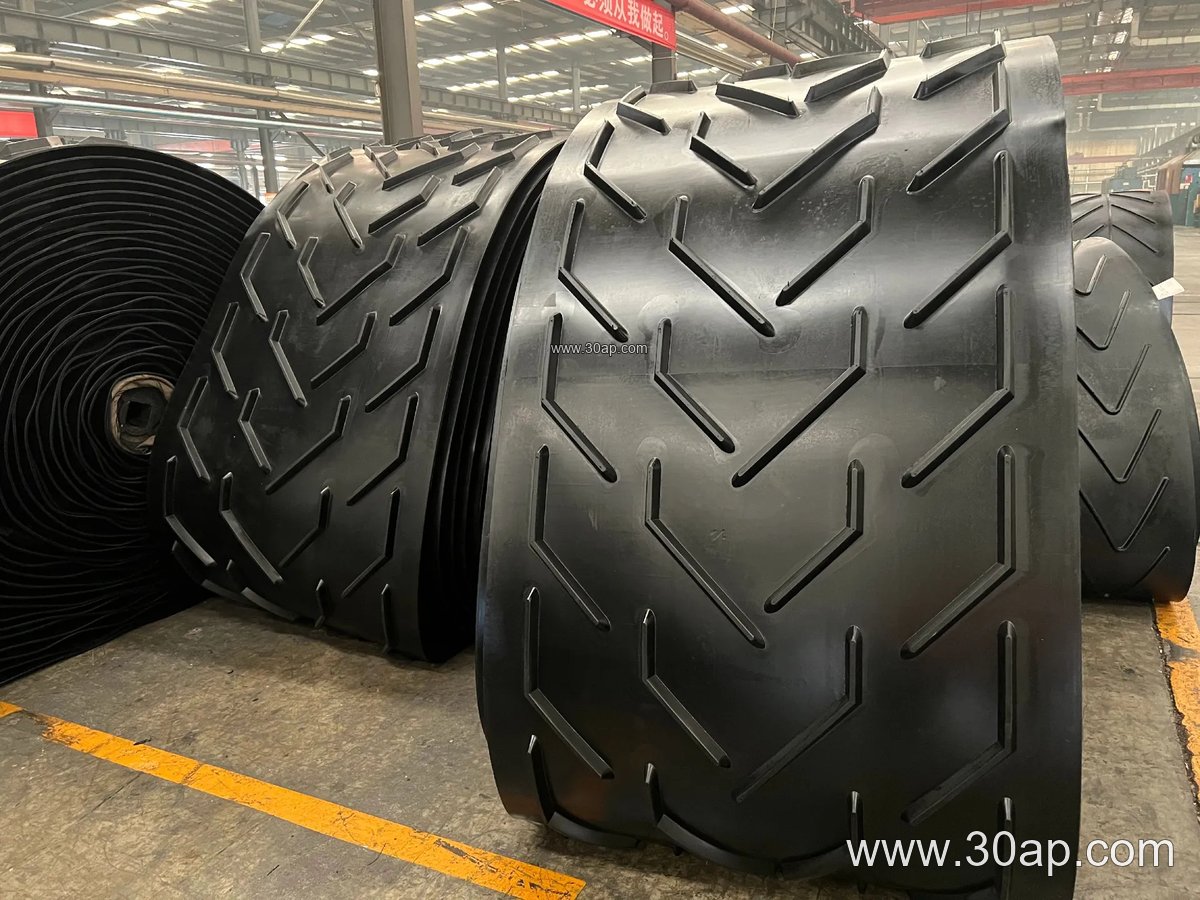
Structural Composition and Technical Specifications
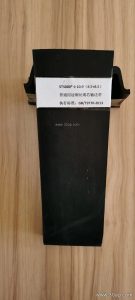
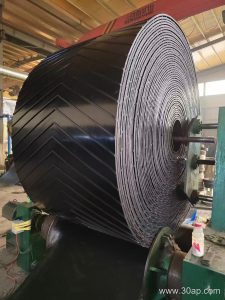
The construction of a standard polyester-nylon fabric carcass involves multiple plies bonded together with high-adhesion skim rubber, protected by top and bottom rubber covers tailored to specific operational environments. To assist engineers and maintenance planners in evaluating appropriate configurations for different plant layouts, the following reference table outlines typical parameters often encountered during system design.
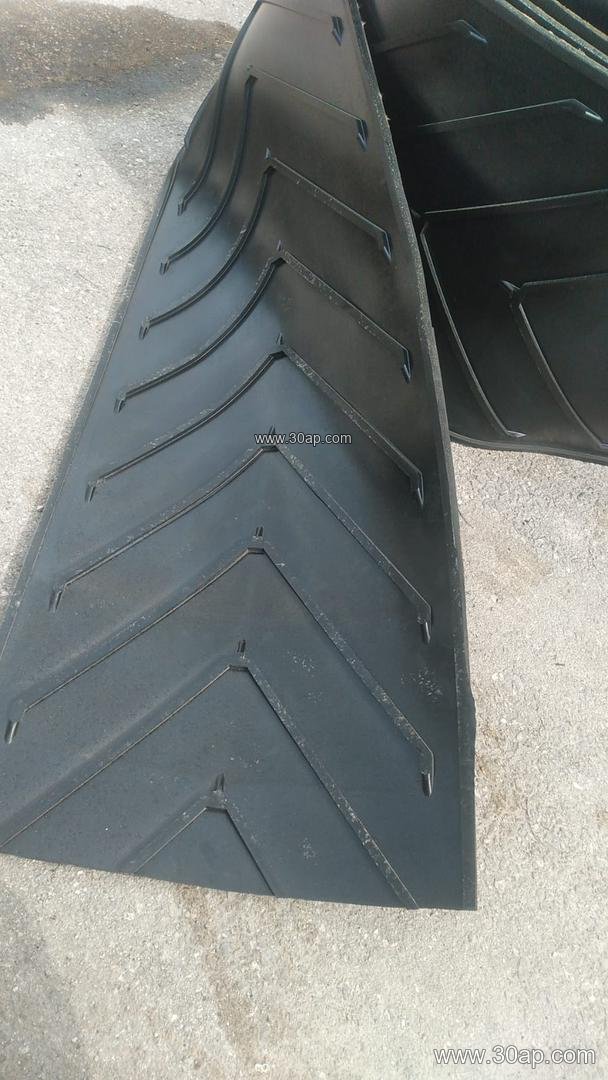
| Parameter Category | Common Reference Options |
|---|---|
| Tensile Strength Classifications | EP200, EP315, EP400, EP500, EP630, EP800, EP1000, EP1250, EP1600, EP2000 |
| Standard Belt Widths (mm) | B500, B650, B800, B1000, B1200, B1400, B1600, B1800, B2000 |
| Fabric Ply Count Range | Typically 2 layers to 6 layers |
| Top and Bottom Cover Thickness (mm) | 3+1.5, 4+2, 5+2, 6+2, 8+3 |
These values serve as general engineering reference points rather than fixed universal mandates. Actual operational requirements depend on individual site layouts, pulley diameters, and material weights.
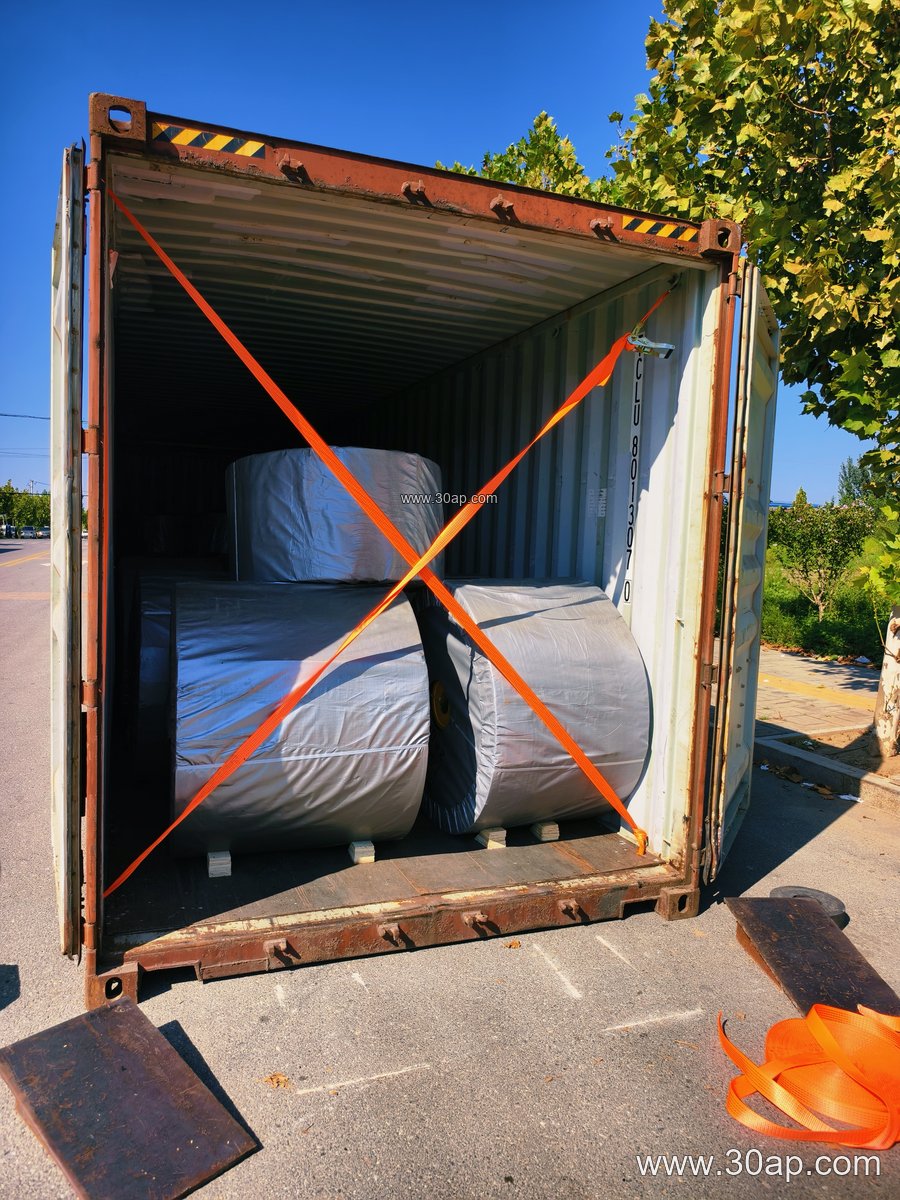
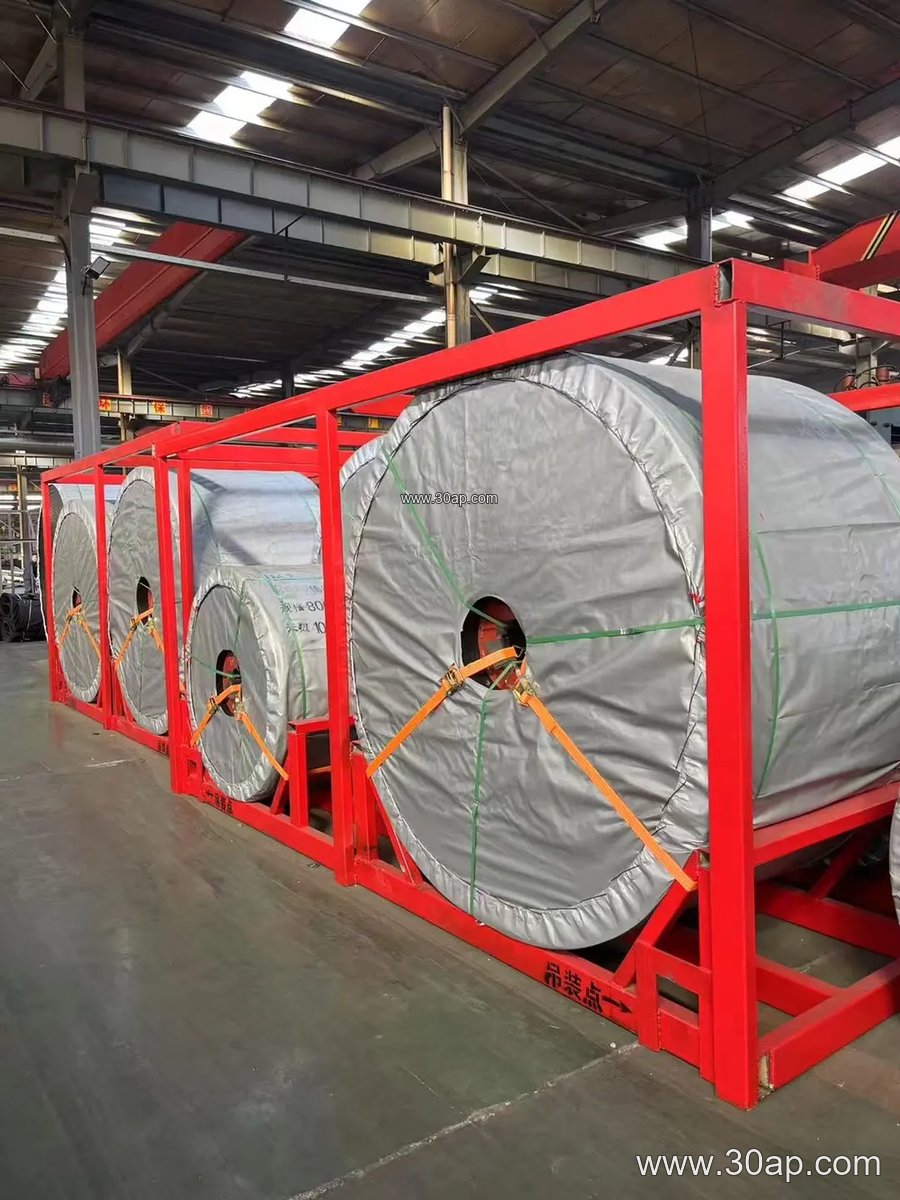
Integration with Plant Machinery and Operational Environment
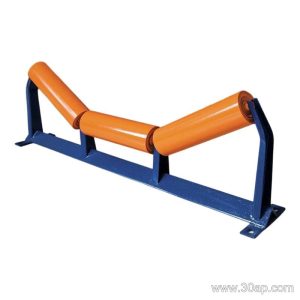
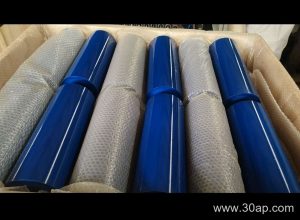
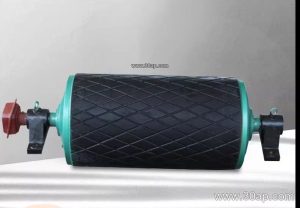
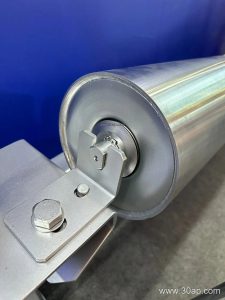
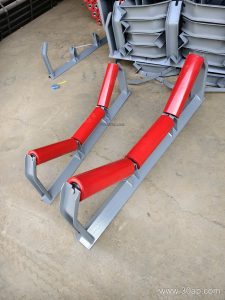
A reliable bulk material transport circuit relies on the seamless interaction of multiple mechanical components. Along the transport line, the EP Conveyor Belt rests securely upon a series of precisely aligned idler rollers that minimize troughing resistance and edge wear. As the continuous loop travels, it wraps around the heavy-duty drive pulley to transfer rotational force, while the tail pulley maintains proper tension at the feed-in zone. Additionally, strategic placement of change-of-direction bend pulleys helps manage complex routing inside cramped industrial galleries.
Specialized compound formulations allow these rubber-covered carcasses to perform reliably in harsh settings. For instance, facilities handling abrasive stone ores frequently utilize abrasion-resistant cover grades, whereas operations dealing with hot clinker or oily minerals require heat-resistant or oil-resistant variants. Proper alignment across every supporting conveyor bracket prevents mistracking, ensuring that heavy loads remain centered throughout long hauling cycles.
Maintenance Best Practices for Extended Service Life
Maximizing the operating lifespan of an EP Conveyor Belt requires proactive inspection routines. Maintenance crews should monitor joint vulcanization integrity, check for surface gouges caused by sharp rocks, and verify that idler rollers rotate freely without seizing. Promptly addressing minor edge fraying or cover wear prevents moisture from penetrating the fabric plies, safeguarding the structural integrity of the entire system across cement plants, coal mines, and aggregate processing sites.