Introduction to Nylon Core Materials
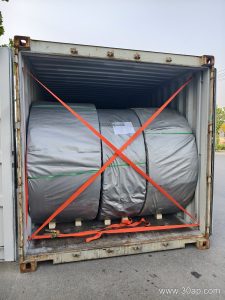
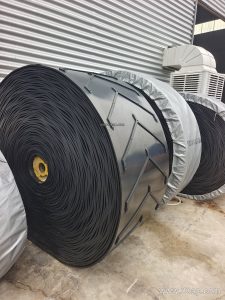
The NN Conveyor Belt utilizes a high-performance nylon fabric carcass designed for demanding bulk material handling. Unlike standard options, nylon plies offer superior elasticity, high tensile strength, and excellent troughability. These physical properties allow the conveyor belt to absorb heavy impact forces efficiently, making it a reliable asset in harsh operational environments such as underground coal mining and aggregate processing.
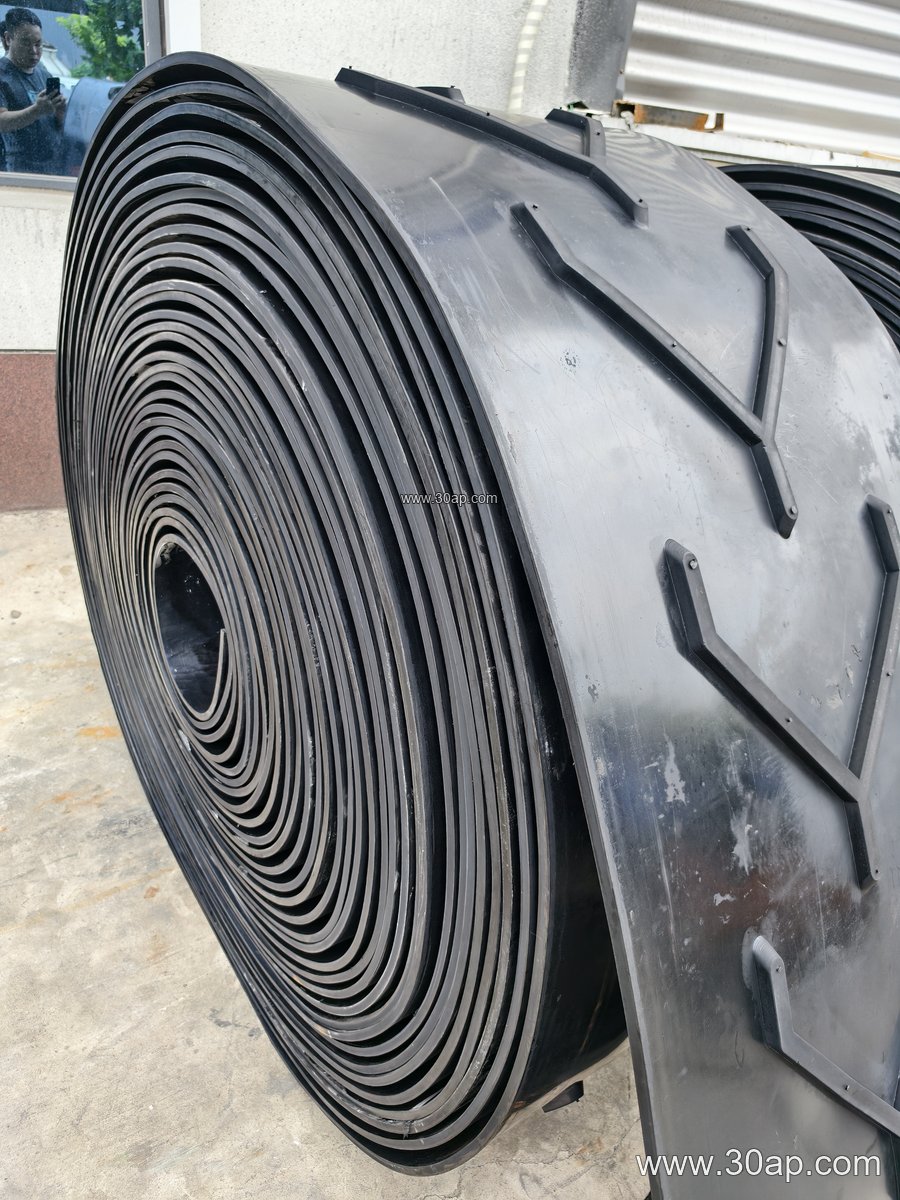
Structural Design and Composition
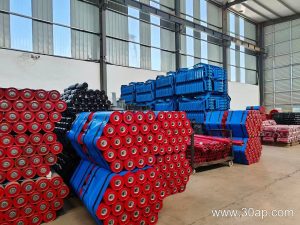
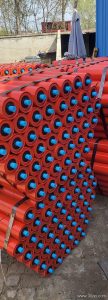
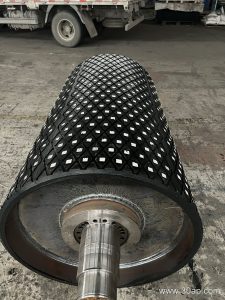
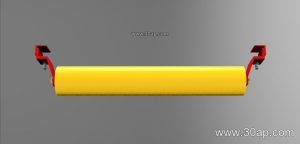
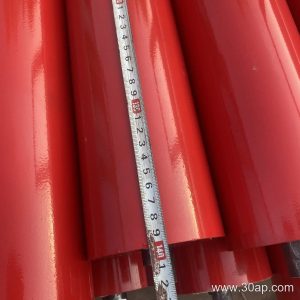
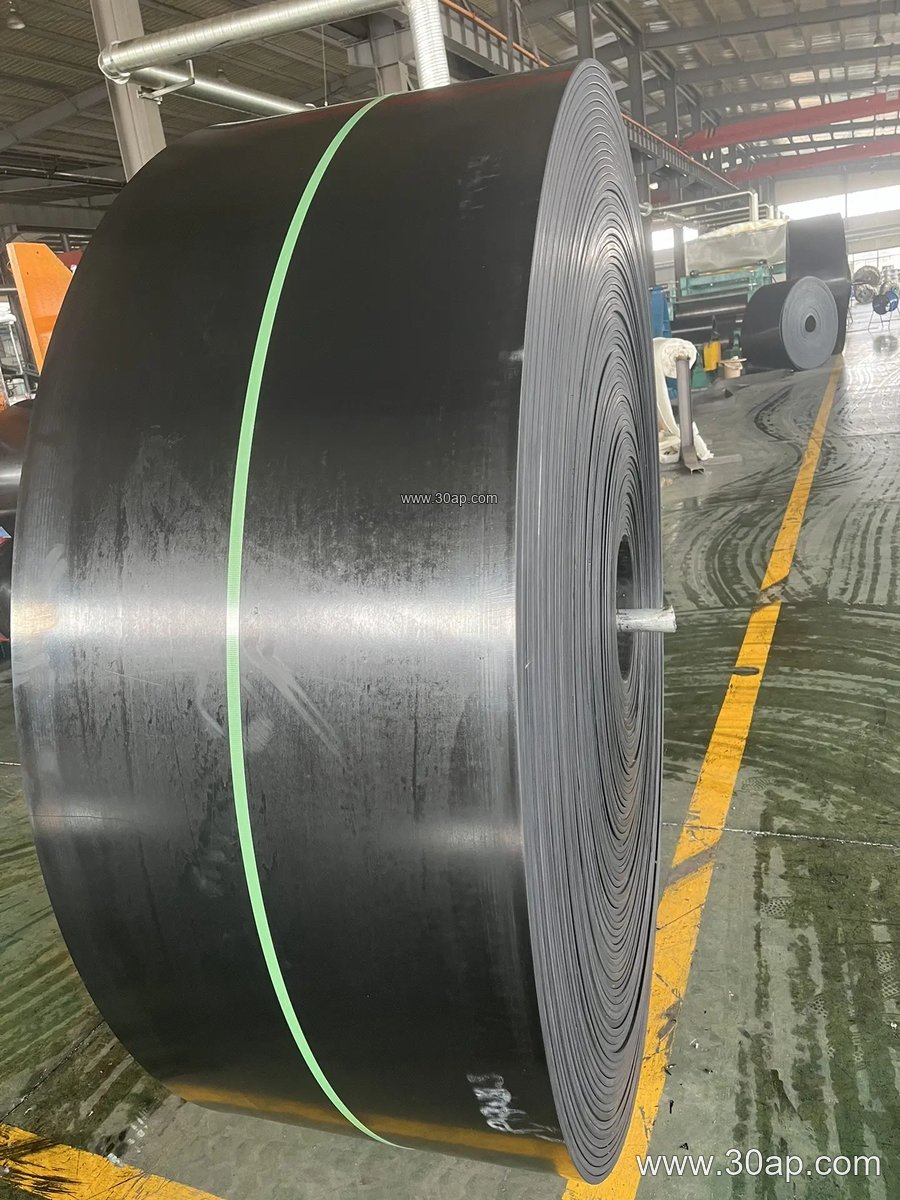
A typical NN Conveyor Belt consists of a multi-ply nylon fabric core sandwiched between durable rubber cover layers. The inner plies provide longitudinal strength and transverse flexibility, while the outer rubber compounds protect against abrasion, cutting, and tearing. During operation, the belt moves smoothly over each idler roller and wraps around the drive conveyor pulley without excessive mechanical fatigue. Proper tensioning is maintained through structural conveyor bracket assemblies that secure the system alignment.
Technical Specifications and Dimensional Range
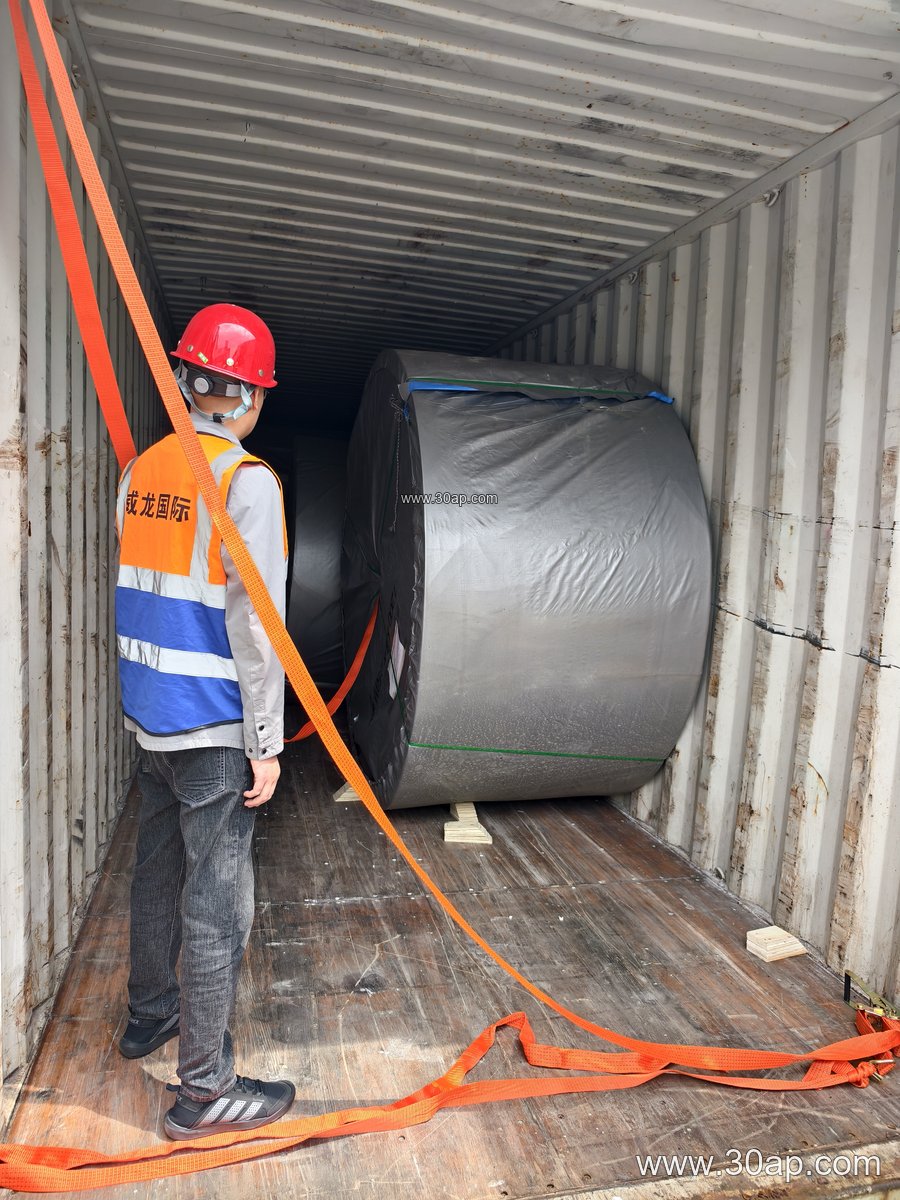
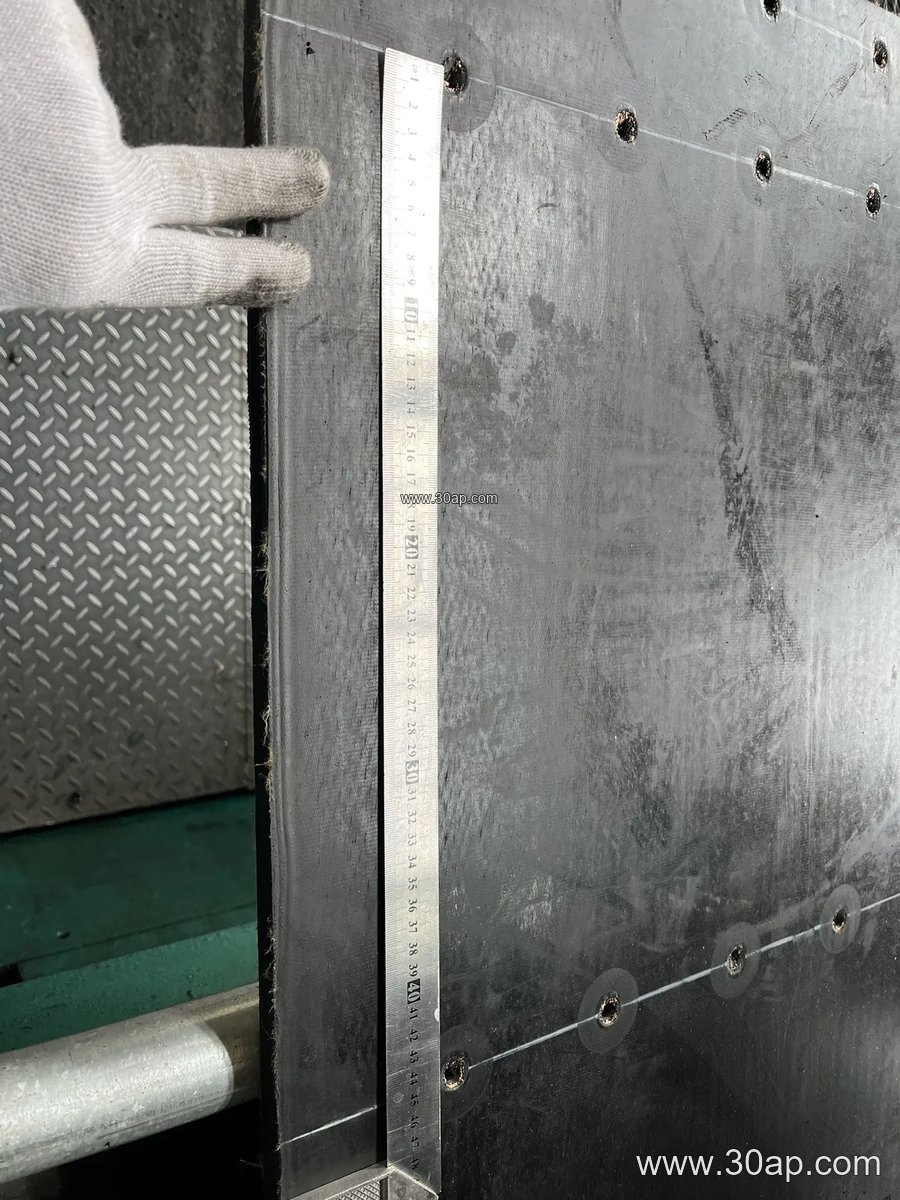
Material specifications vary depending on operational demands in cement plants, power plants, and quarries. Engineers select appropriate tensile strengths, belt widths, and cover thicknesses according to load requirements. The reference data below outlines common configuration ranges utilized in industrial facility designs:
| Parameter Type | Common Industrial Specifications |
|---|---|
| Tensile Strength Ratings | NN100, NN200, NN300, NN400 |
| Standard Belt Widths (B) | 500mm, 650mm, 800mm, 1000mm, 1200mm, 1400mm, 1600mm, 1800mm, 2000mm |
| Ply Count Range | 2 plies to 6 plies |
| Top and Bottom Cover Thickness | 3+1.5 mm, 4+2 mm, 5+2 mm, 6+2 mm, 8+3 mm |
Application Across Heavy Industrial Sectors
Bulk material transportation requires robust components capable of continuous duty cycles. The NN Conveyor Belt is widely deployed in iron ore operations, quarry crushing lines, and port terminal stockyards. Whether moving raw aggregate from a primary jaw crusher or routing fine coal dust in a thermal power station, this rubber conveyor belt delivers stable performance under heavy loads. Its high elongation property also helps mitigate shock loads when large rocks drop directly onto the loading zone.
Operational Maintenance and Selection Guidelines
Selecting the correct NN Conveyor Belt involves evaluating material weight, conveying distance, and environmental conditions. Facility operators must inspect belt tracking regularly to prevent edge wear against support frameworks. Furthermore, checking the rotation of every conveyor pulley and idler roller prevents excessive friction and heat buildup, ensuring a long and reliable service life for the entire material handling system.