What a V-Type Idler Bracket Does
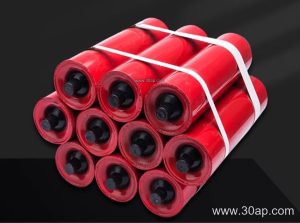
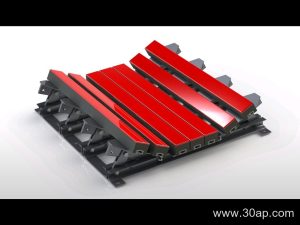
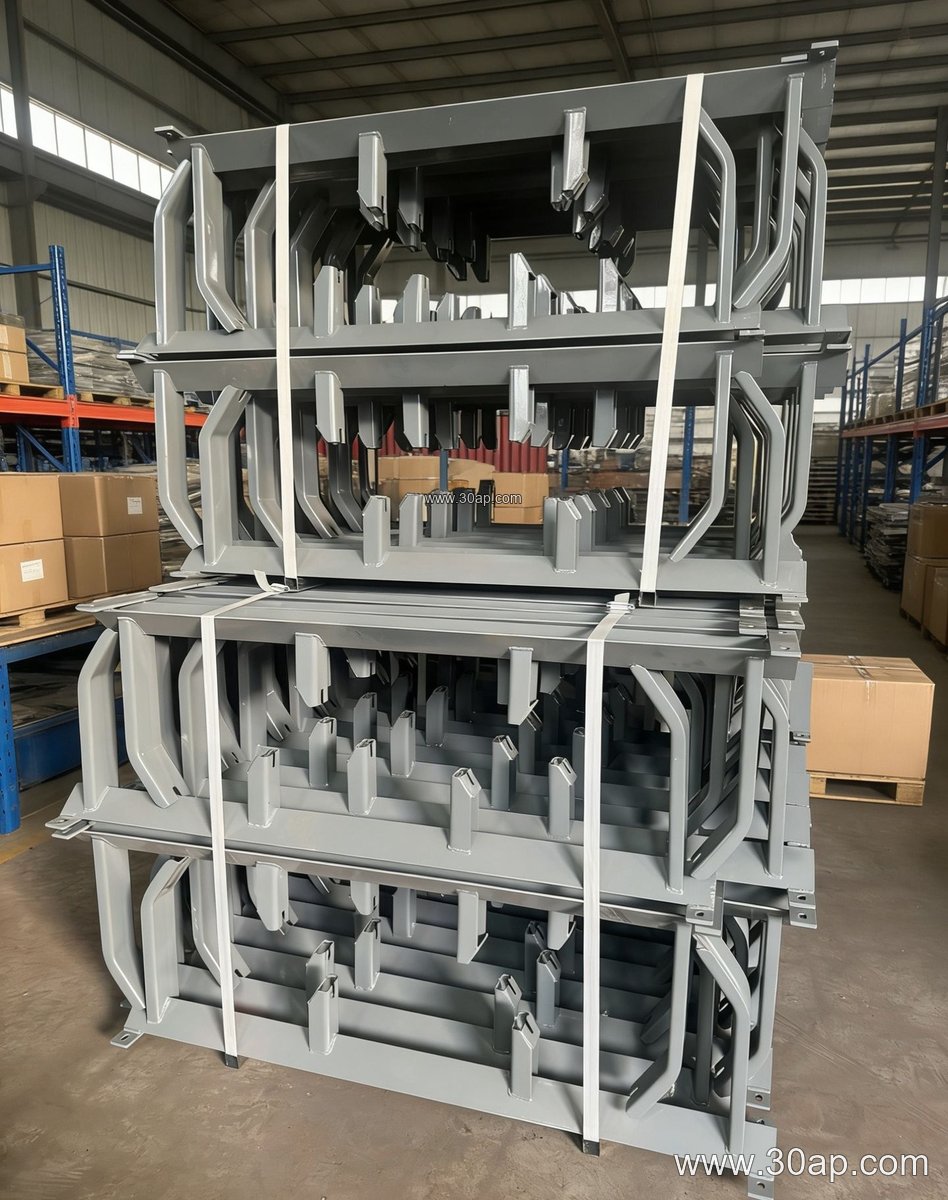
A V-Type Idler Bracket is a return-side support component that holds two idler rollers at an angle to form a shallow V shape beneath the belt. Instead of a single flat roller, the bracket positions the rollers so the belt rests in a cradle, which helps center the return strand and shed loose material. In a quarry, cement plant, or coal handling line, this small steel frame often decides whether the return belt tracks cleanly or wanders against the structure.
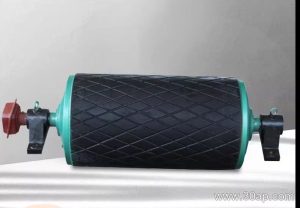
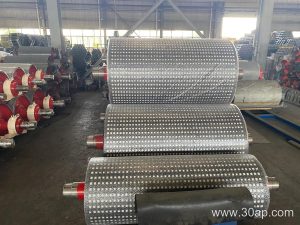
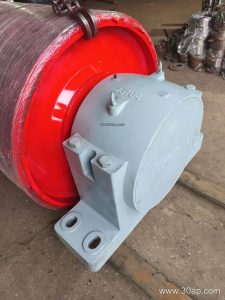
The bracket is not a pulley. Drive pulleys, tail pulleys, and bend pulleys each transmit or redirect belt tension at the ends of a conveyor, while the V-type bracket simply supports and guides the returning belt. It works together with the conveyor bracket family and the idler rollers mounted in it.
Construction and Mounting Position
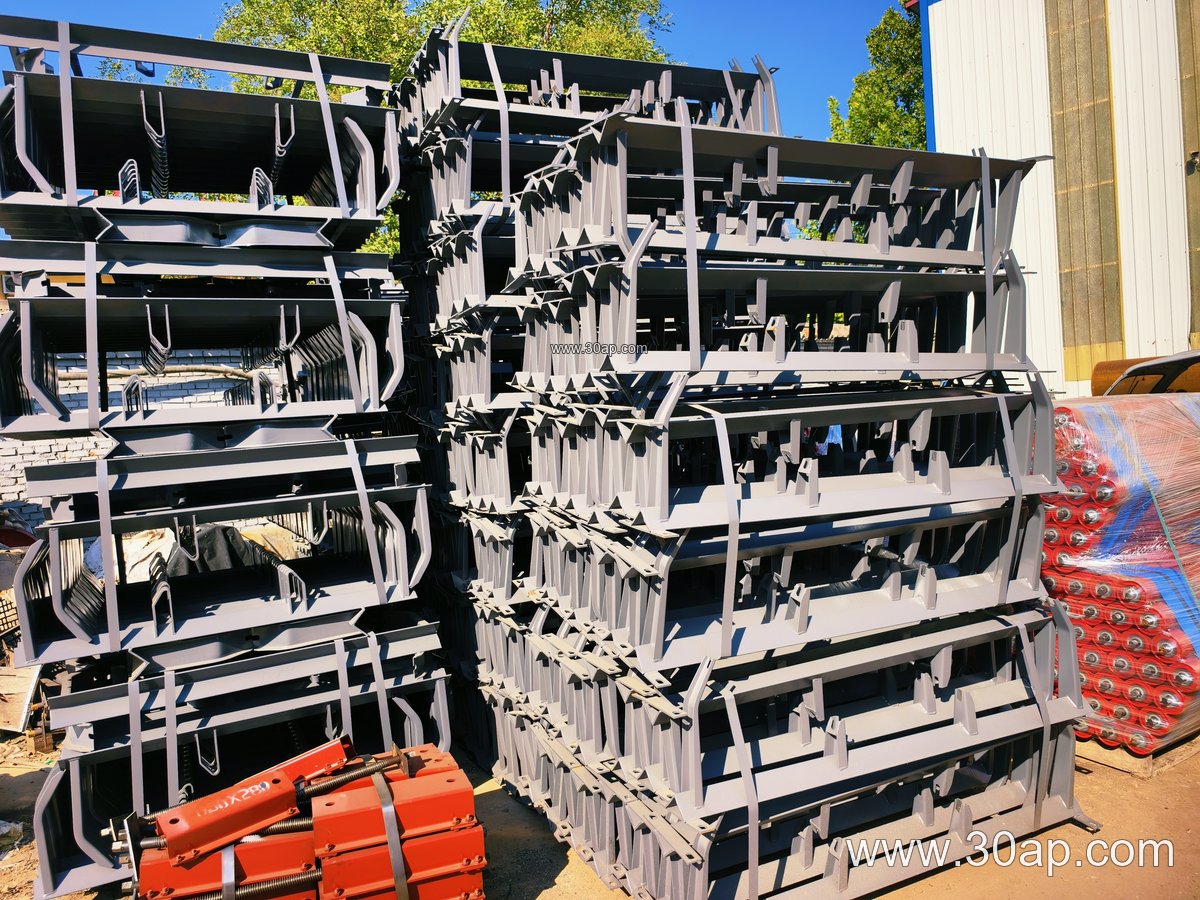
Most units are fabricated from angle steel, channel steel, or folded steel plate. Two inclined arms carry the roller shafts, and a cross member ties the arms to the conveyor frame. The angle between the arms creates the V profile, typically shallow enough that the belt sits stable without pinching the edges.
The bracket is bolted to the return-side stringers, usually at intervals along the carrying run. Installation height and hole spacing are determined by belt width, roller diameter, and frame design, so a buyer should confirm the mounting dimensions rather than assume a universal fit.
Common Configurations
Reference values below are typical ranges, not fixed rules. A wider belt does not automatically require one specific groove angle or roller size.
| Item | Common Options |
|---|---|
| Belt width (B) | B500, B650, B800, B1000, B1200, B1400, B1600, B1800 |
| Return roller diameter | Ø89, Ø108, Ø133, Ø159 |
| V angle | Usually set by design; adjustable versions may vary the included angle |
| Material | Angle steel, channel steel, folded steel plate |
| Mounting | Bolted to return stringers; hole spacing and beam length vary with belt width |
Example combinations such as B800 with Ø108 rollers, or B1200 with Ø133 rollers, are common in practice but should be treated as reference points during selection.
Where It Fits in a Conveyor System
In a stone crushing line, the return strand often carries fines that drop from the carrying side. The V shape encourages those fines to fall away from the belt center and reduces buildup on the rollers. In a coal yard or power plant coal handling system, the same bracket helps keep the return belt aligned before it reaches the tail pulley.
The bracket also pairs well with a conveyor belt that has some transverse stiffness, since the belt must bridge the two inclined rollers without sagging between them. Heavier belts, such as a steel cord conveyor belt on a long overland run, may call for a stronger frame and larger roller diameter than a short plant conveyor.
Selection Points for Buyers
- Confirm belt width and the actual return roller diameter before ordering; the two are related but not locked together.
- Check the mounting hole pattern against the existing stringer, especially when replacing a flat return bracket.
- Match frame material and finish to the environment; wet washing plants and coastal ports need more attention to corrosion than a dry cement silo area.
- Decide whether a fixed or adjustable version suits the conveyor, since adjustable brackets allow the V angle to be trimmed during commissioning.
- Consider the material being carried. A sticky or wet load may need a different return support arrangement than dry aggregate.
Maintenance and Replacement
Inspect the bracket for bent arms, worn bolt holes, and loose fasteners during routine idler checks. A distorted V frame can tilt the return rollers and cause the belt to run off-center. Replacing a worn bracket is usually straightforward, but the new unit should match the existing roller shaft ends and mounting centers.
Because the bracket is a passive component, its service life depends largely on alignment and load. Keeping the return strand clear of spilled material and checking roller rotation will extend both the rollers and the frame. For conveyors handling abrasive ore or mining conveyor belt duties, periodic inspection of the bracket welds is worth adding to the maintenance schedule.