What a Heavy-Duty Lagged Pulley Does on a Conveyor
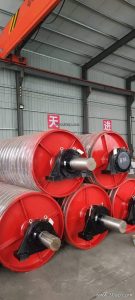
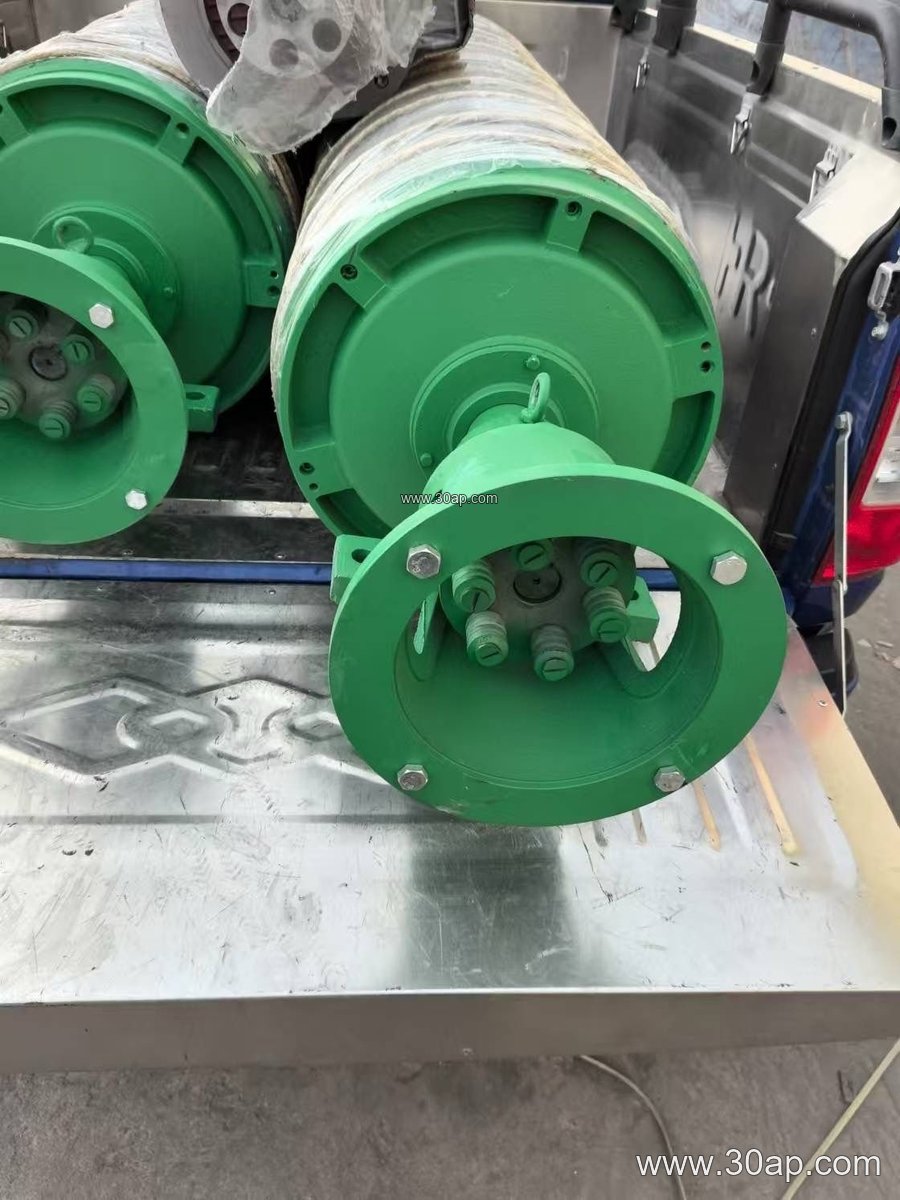
A heavy-duty lagged pulley is the large rotating drum at the heart of a bulk material conveyor, wrapped with a rubber or ceramic lagging layer that grips the belt and protects the shell. In a coal mining conveyor or an iron ore transport line, this component transfers drive torque into the belt, keeps the belt tracking, and absorbs the punishment of continuous heavy loads. Unlike an idler roller that simply supports the belt, a lagged pulley carries the full tension of the system and must be built for years of service.
Drive, tail, and bend pulleys are distinct positions on the same conveyor, and they are not interchangeable. A drive pulley transmits power, a tail pulley returns the belt, and a bend pulley changes its direction. Each position demands a different lagging strategy, which is why buyers should specify the duty rather than order a generic drum.
Construction and Lagging Options
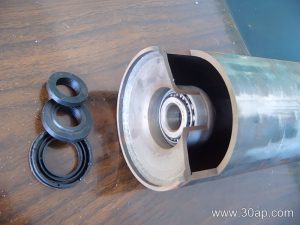
The shell is typically fabricated from rolled steel plate, machined true, and fitted with forged or cast hubs. Shafts are sized by torque and radial load, not by belt width alone. Common shaft diameters include Ø80, Ø100, Ø120, Ø140, Ø160, and Ø180 mm, but the final value must follow the actual drive calculation. Lagging is bonded to the shell in several forms:
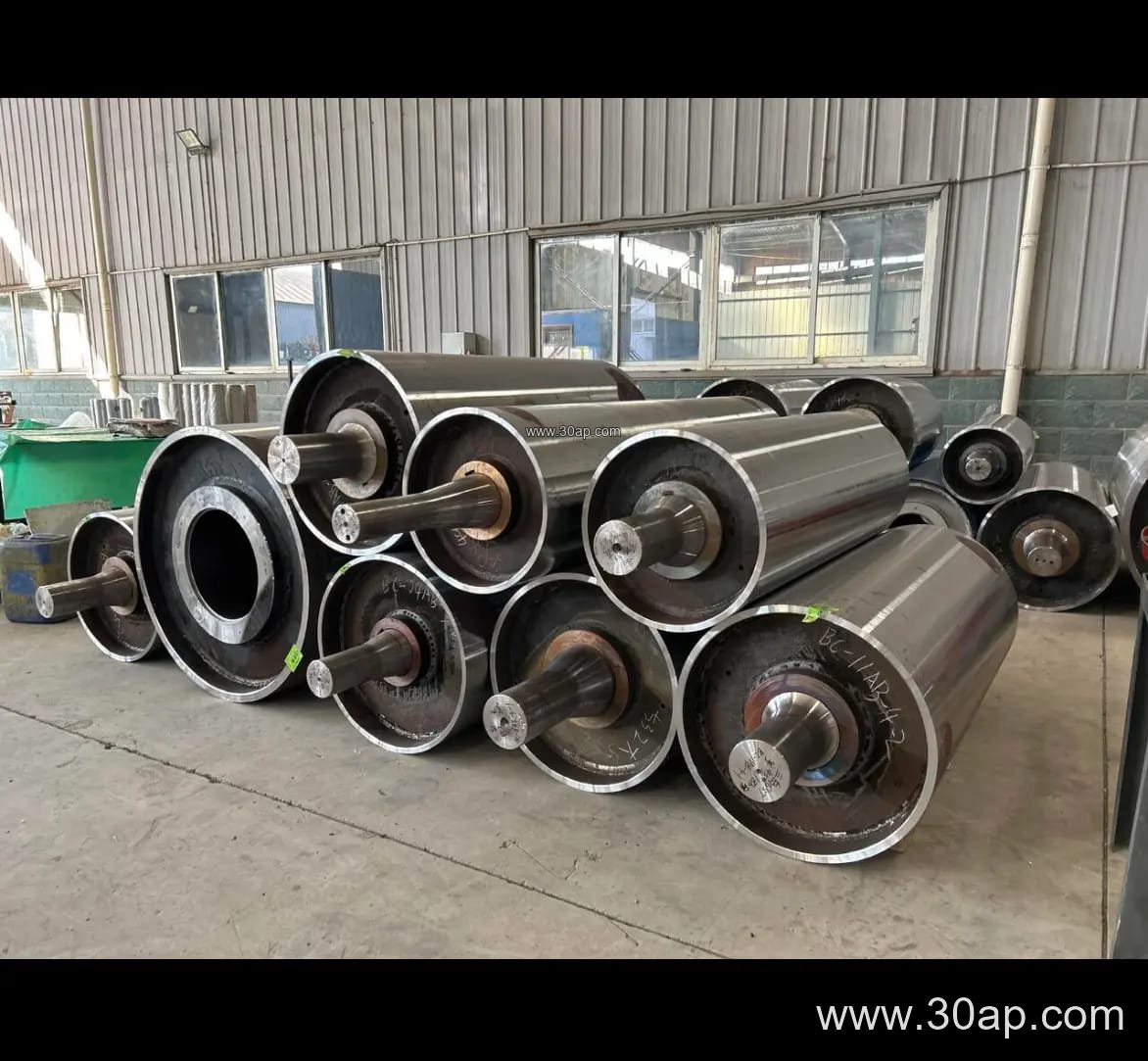
- Hot-vulcanized rubber lagging, often 10 or 12 mm thick, for general grip and abrasion resistance
- Diamond or herringbone grooved lagging to shed water and improve traction on wet belts
- Ceramic lagging for the highest wear areas in quarry and aggregate service
- Plain rubber for light tracking correction on bend and snub positions
Thickness commonly ranges from 8 mm to 20 mm. A B1200 × Ø1000 heavy-duty lagged pulley with 12 mm diamond lagging is a typical combination for a main drive station, while a B800 × Ø500 unit may serve a smaller transfer point. These pairings are examples, not fixed rules; belt width and pulley diameter are matched through tension and wrap-angle calculations.
Where These Pulleys Are Used
In a coal preparation plant, the head drive pulley must cope with wet, abrasive fines, so ceramic or grooved rubber lagging is often preferred. In a cement plant clinker line, heat and dust shorten the life of ordinary rubber, and a heavy-duty lagged pulley with thicker hot-vulcanized lagging helps maintain grip. Power plant coal handling and port bulk terminals also rely on these drums at the head and tension positions, where a slipping belt would stop the entire circuit.
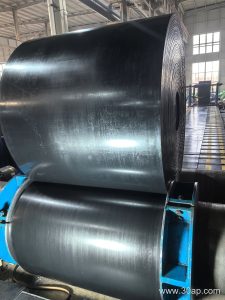
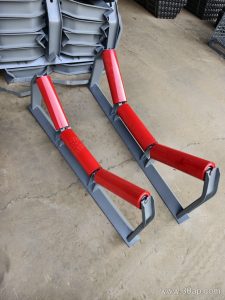
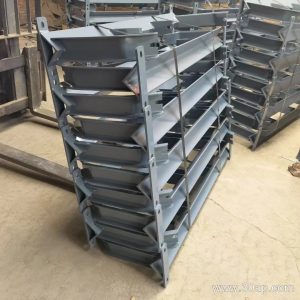
The pulley works together with the Rubber Conveyor Belt, the idler roller set, and the conveyor bracket that anchors the bearing housings. A well-aligned frame reduces edge loading and extends lagging life.
Diameter, Face Width, and Shaft Sizing
Face width is normally wider than the belt so the belt stays centered. Reference values for common combinations are shown below; final dimensions should be confirmed against the conveyor design.
| Belt Width | Typical Face Width | Example Pulley Diameter |
|---|---|---|
| B650 | about 750 mm | Ø400 to Ø500 |
| B800 | about 950 mm | Ø500 to Ø630 |
| B1000 | about 1150 mm | Ø630 to Ø800 |
| B1200 | about 1400 mm | Ø800 to Ø1000 |
| B1400 | about 1600 mm | Ø1000 to Ø1250 |
| B1600 | about 1800 mm | Ø1250 to Ø1400 |
Larger diameters reduce belt bending stress and are common on high-tension main drives. Do not assume that a given belt width can only match one diameter, and never derive shaft size from belt width alone. Torque, bearing span, and load must drive that decision.
Buyer Checklist
- Confirm the pulley position: drive, tail, take-up, or bend, since each has different lagging needs
- State belt type and tension so the shell and shaft can be checked, whether the line uses an EP Conveyor Belt or a Steel Cord Conveyor Belt
- Choose lagging thickness and pattern for the material: wet, oily, hot, or highly abrasive
- Verify face width, bearing centers, and keyway dimensions against the conveyor bracket drawing
- Ask for dynamic balance and weld inspection records where high speed is involved
- Plan regular lagging inspection, because worn grooves reduce grip and accelerate belt wear
For abrasive mining duty, matching the pulley to a High Abrasion Resistant Conveyor Belt and a properly sized idler roller set keeps the whole system efficient. A heavy-duty lagged pulley is a long-life investment when the specification reflects the real load, environment, and maintenance plan.