What a Steel Pulley Does on a Conveyor
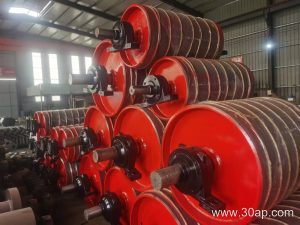
A steel pulley is the rotating drum that carries, drives, or redirects the conveyor belt in a bulk material handling system. It is usually fabricated from a rolled steel shell, welded to end discs, and mounted on a through shaft with bearing housings on both sides. Because the pulley transfers torque and belt tension, its shell thickness, shaft diameter, and lagging all matter as much as its face width.
The term describes the material and construction, not a single position in the conveyor. A steel pulley may be a drive pulley at the head, a tail pulley at the loading end, a bend pulley that changes belt direction, or a tension pulley that maintains take-up. These roles are not interchangeable, and each places different demands on the drum.
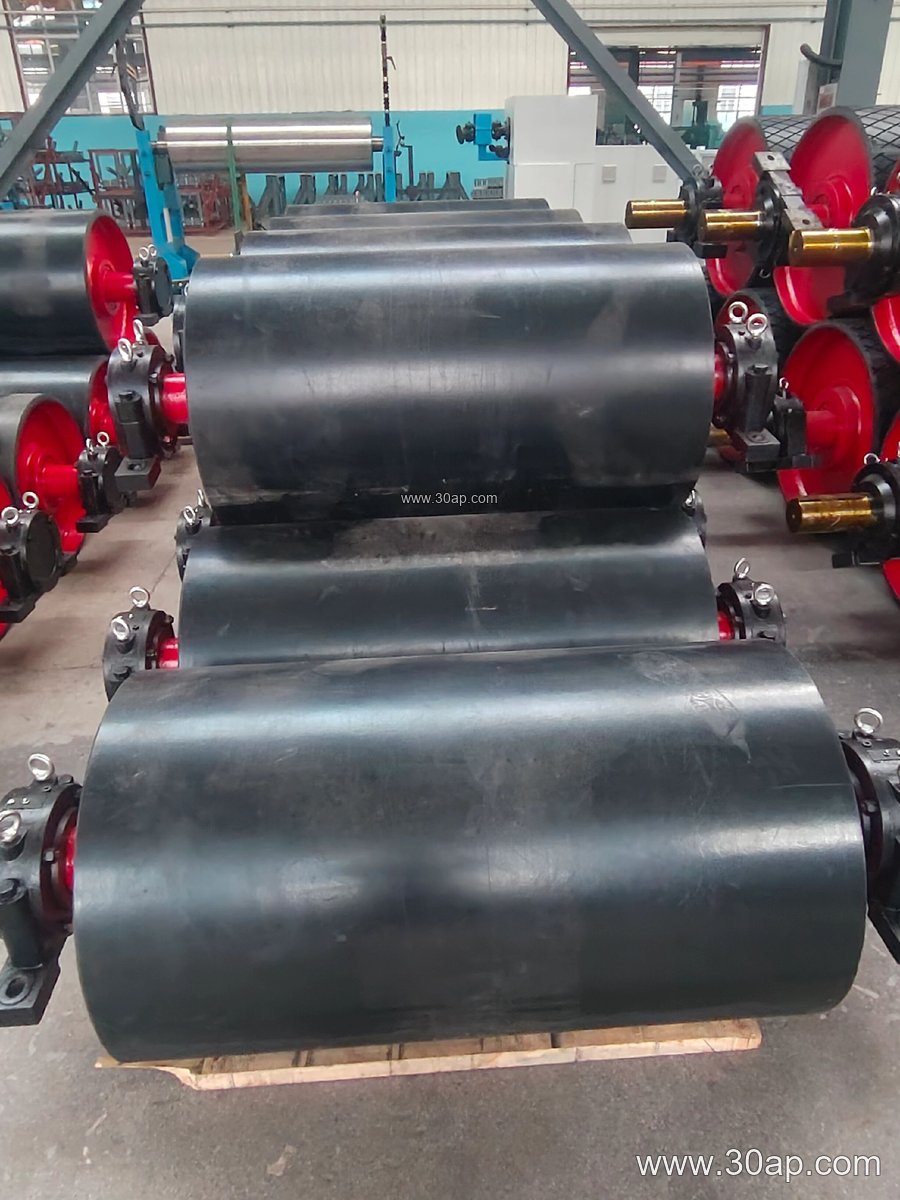
How the Drum Is Built
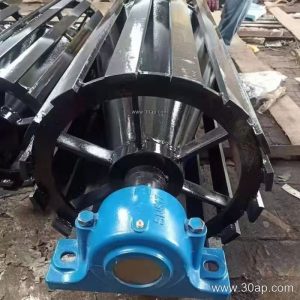
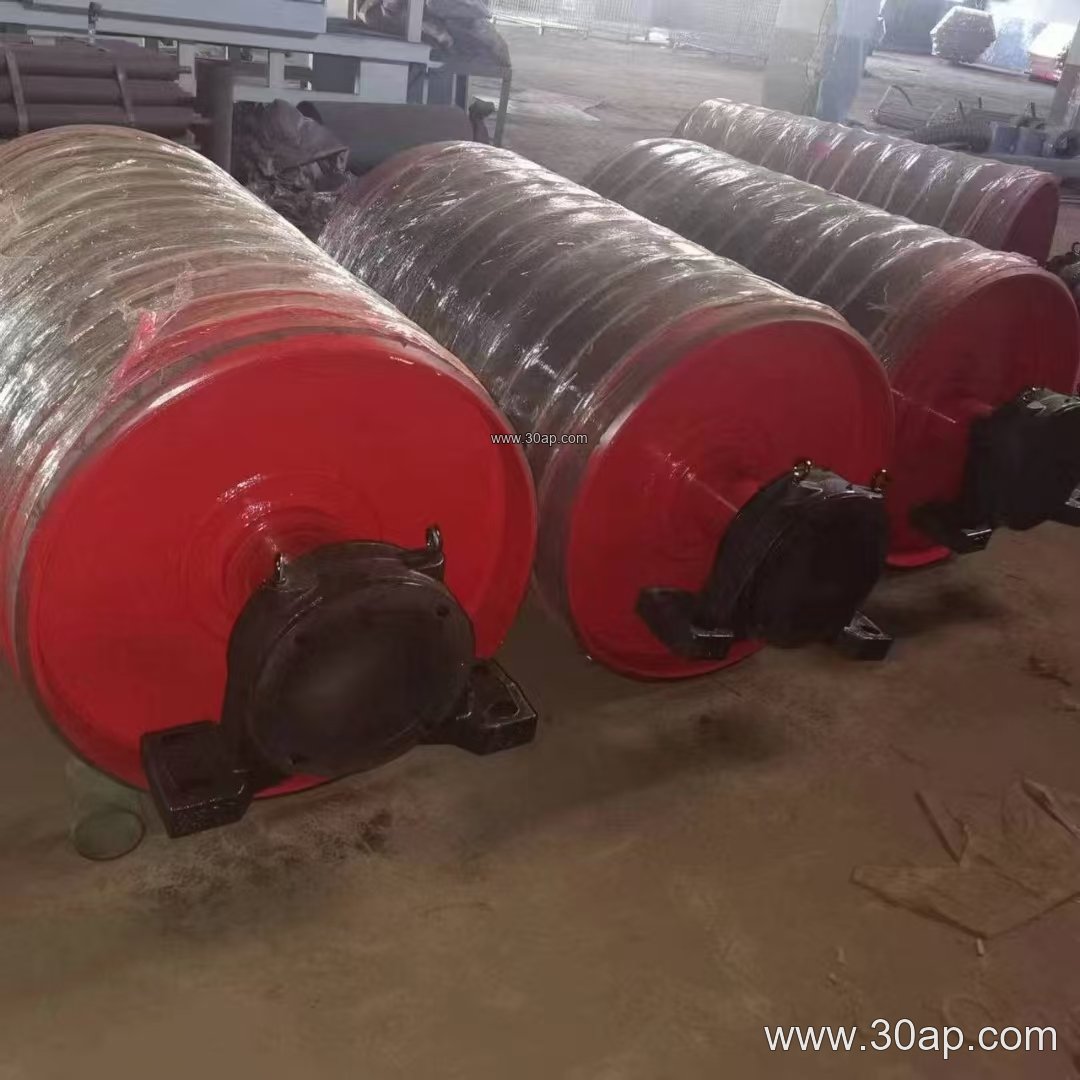
Most industrial pulleys use a seamless or rolled steel shell with machined end plates. The shaft is keyed or shrink-fitted to the end discs, and the assembly is balanced for the intended belt speed. Bearing selection follows the radial load from belt tension and the axial load from misalignment.
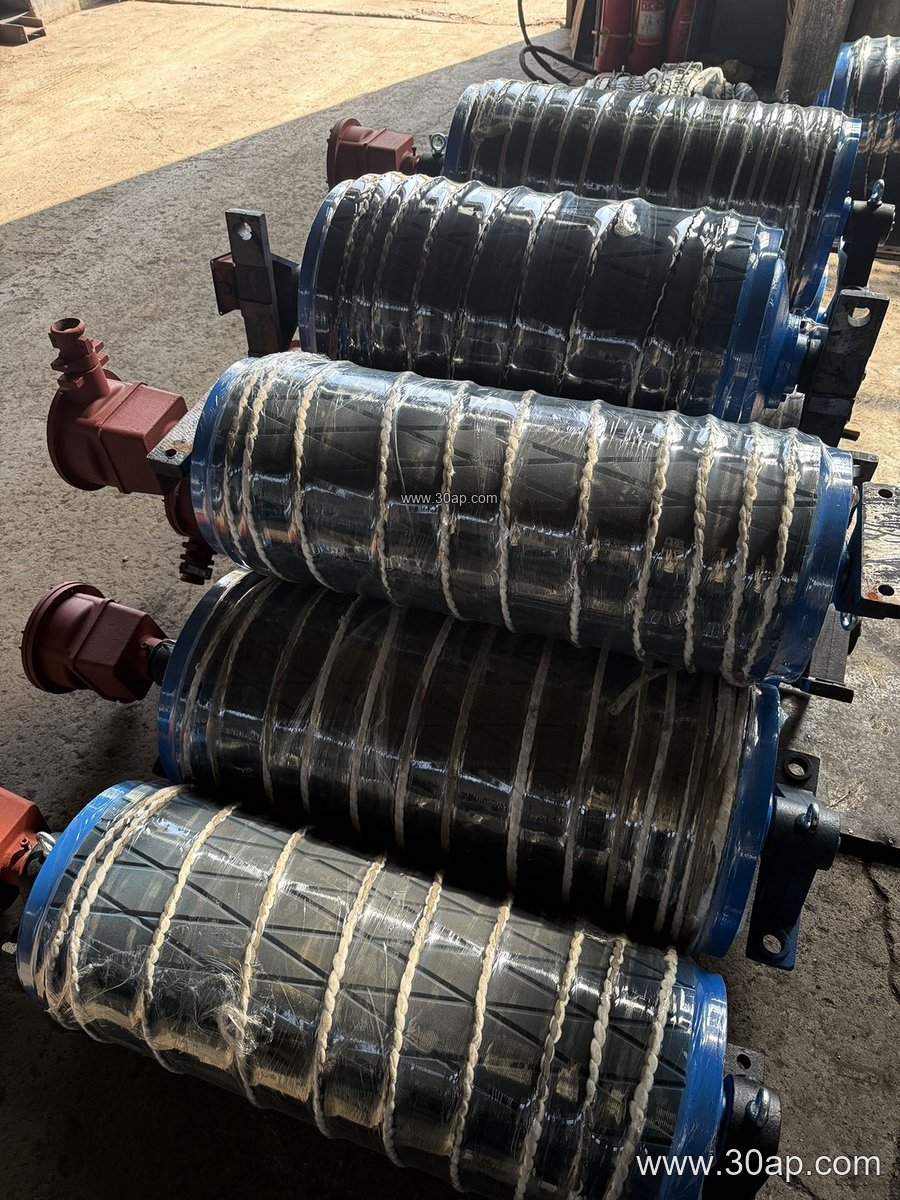
- Shell: rolled steel, often machined for concentricity
- End discs: welded and machined to accept the shaft
- Shaft: turned, keyed, and sized by torque and load
- Bearings: pillow block or flanged housings
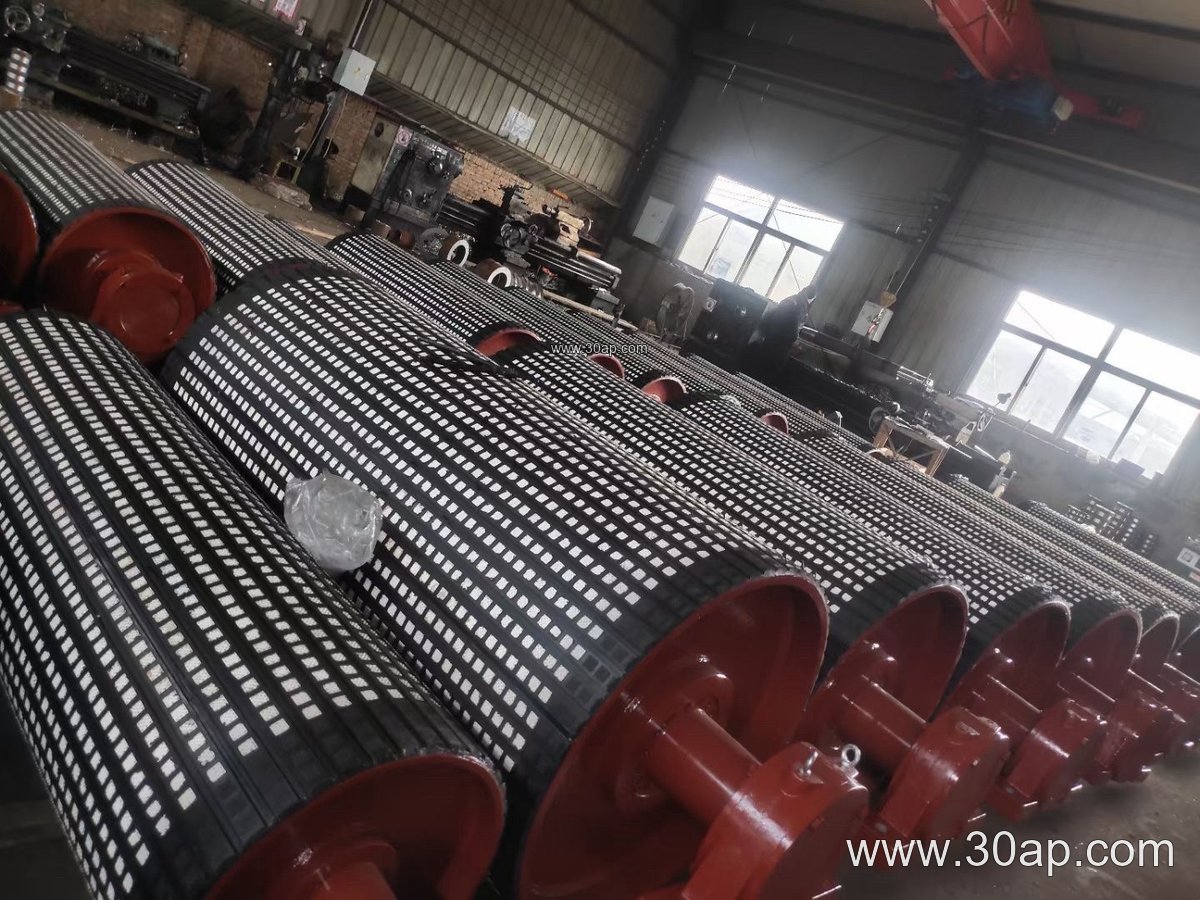
- Surface: plain, rubber lagged, ceramic lagged, or grooved
Surface treatment is where many specifications differ. Plain steel suits light duties and clean running. Rubber lagging in 8, 10, 12, 15, or 20 mm thickness improves grip and cushions impact. Diamond and herringbone patterns help shed water and fines, while ceramic lagging is chosen where abrasion is severe.
Matching Diameter, Face Width, and Shaft
Face width is normally a little wider than the belt it carries. A B800 belt, for example, commonly runs on a pulley with a face around 950 mm, and a B1200 belt on a face near 1400 mm. Diameter is a separate decision driven by belt tension, wrap angle, and the space available. A B800 × Ø500 pulley and a B1200 × Ø1000 pulley are both plausible combinations, but no belt width has only one correct diameter.
Shaft diameter is set by torque and bearing load, not by belt width alone. Common shaft sizes run from Ø50 up to Ø200, and the final value should come from the conveyor designer. The table below shows representative reference values; treat them as starting points for discussion, not fixed supply promises.
| Belt width | Typical face width | Common diameters | Typical shaft range |
|---|---|---|---|
| B400 | about 500 mm | Ø200 to Ø400 | Ø50 to Ø80 |
| B650 | about 750 mm | Ø250 to Ø500 | Ø60 to Ø100 |
| B800 | about 950 mm | Ø315 to Ø630 | Ø70 to Ø120 |
| B1000 | about 1150 mm | Ø400 to Ø800 | Ø80 to Ø140 |
| B1200 | about 1400 mm | Ø500 to Ø1000 | Ø90 to Ø160 |
| B1400 | about 1600 mm | Ø630 to Ø1250 | Ø100 to Ø180 |
| B1600 | about 1800 mm | Ø800 to Ø1400 | Ø120 to Ø200 |
| B1800 | about 2000 mm | Ø1000 to Ø1600 | Ø140 to Ø200 |
Where Steel Pulleys Are Used
In a quarry or aggregate line, a steel pulley at the head discharges crushed rock onto a stockpile belt, while a bend pulley keeps the return strand clear of the structure. In a coal preparation plant, flame retardant belt and lagged pulleys work together to reduce slip on wet, dusty surfaces. Cement plants rely on heavy-duty drums to handle clinker at high temperature, and power plant coal handling uses large face widths to match wide belts.
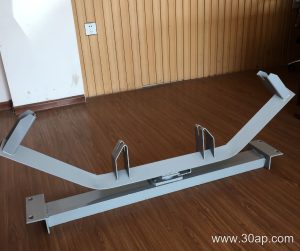
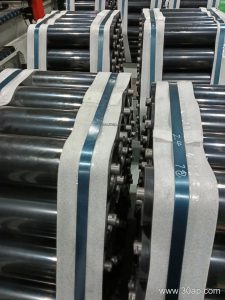
The pulley never works alone. It pairs with the conveyor belt, idler rollers that support the load, and the conveyor bracket that anchors the bearing housings. A well-matched steel pulley reduces belt tracking problems, while a poorly sized one accelerates belt edge wear and bearing failure.
Selection and Maintenance Notes
Buyers should confirm the belt width, the belt type, the wrap angle, and the duty cycle before choosing a drum. A steel cord belt carries higher tension than a fabric belt of the same width, so the shaft and bearings usually need to be larger. Abrasion resistant belt in a crusher discharge line may call for thicker lagging, while a food grade belt in a clean plant may prefer a plain or lightly lagged surface.
- Check lagging thickness against impact and slip risk
- Confirm shaft diameter from torque, not from belt width
- Verify bearing housing spacing matches the conveyor bracket
- Inspect lagging wear and bearing play at each shutdown
For a drive pulley, the lagging and diameter affect grip; for a tail pulley, self-cleaning and impact resistance matter more. Keeping that distinction clear helps avoid ordering the wrong drum for the position. A steel pulley is a long-life component when it is specified against real loads rather than copied from a neighbouring line.