What a Trough Idler Bracket Does on a Conveyor
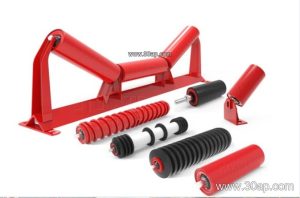
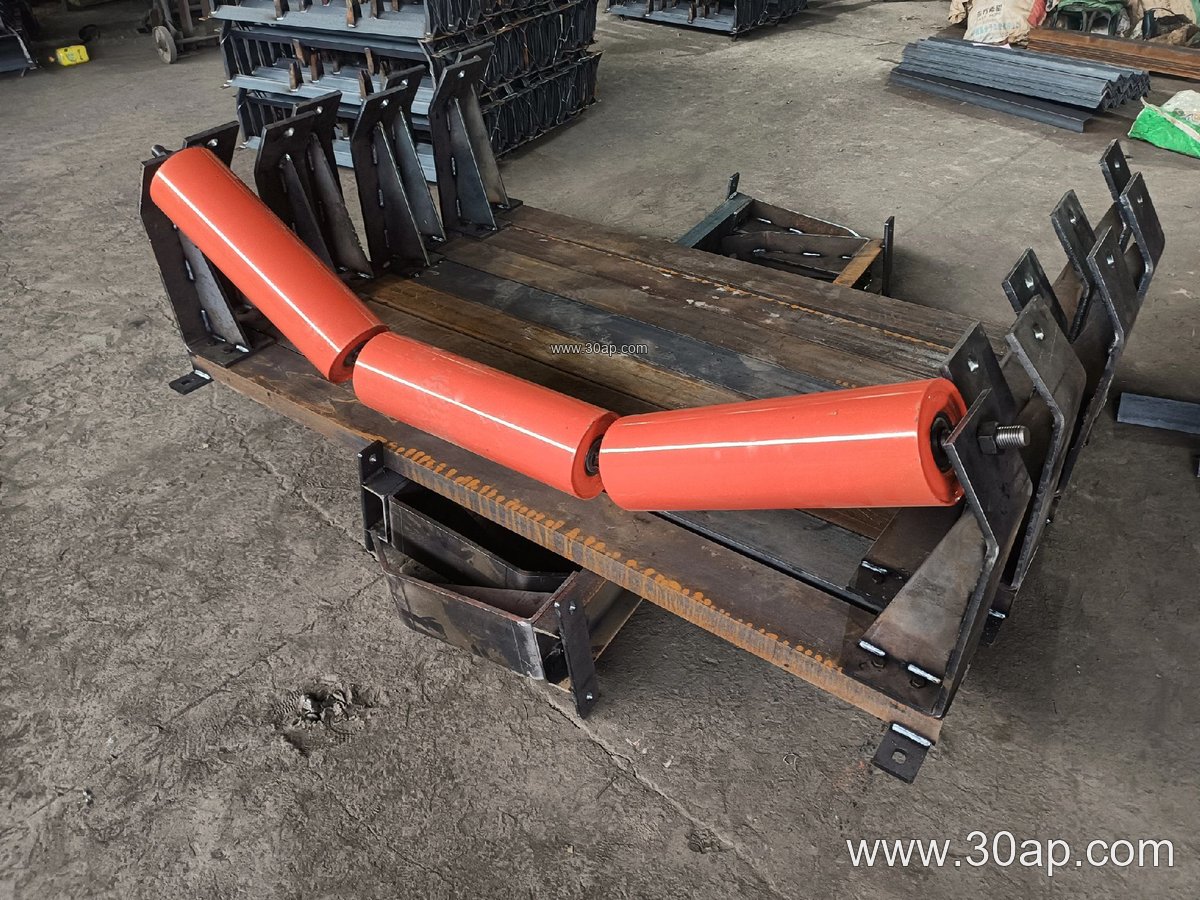
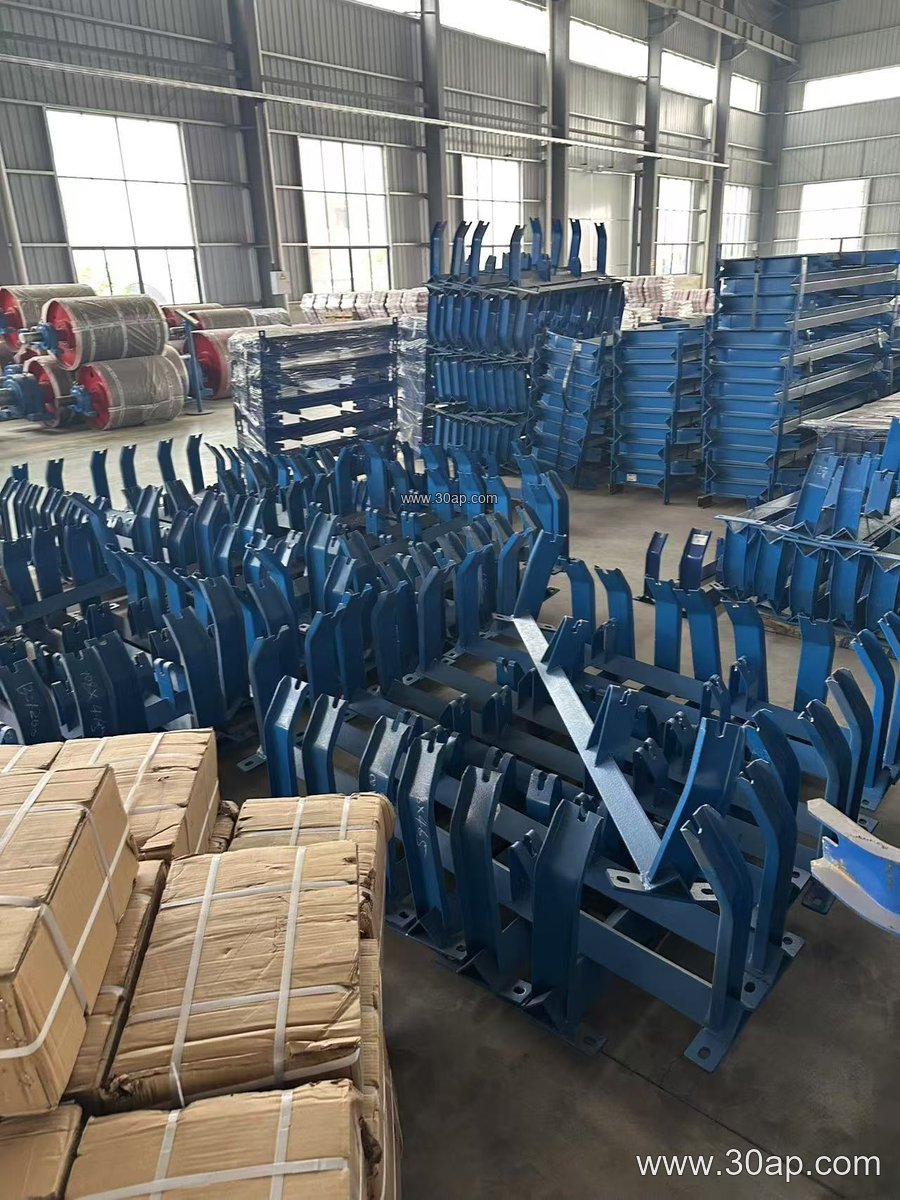
A trough idler bracket is the steel frame that holds the three (or sometimes five) idler rollers in a troughed shape under the loaded run of a conveyor belt. It is the mounting point between the conveyor structure and the idler roller set, and its geometry decides the trough angle the belt sits in. In a quarry, a coal preparation plant, or a cement kiln feed line, this bracket is one of the least expensive parts on the conveyor, yet it controls belt tracking, material spillage, and how evenly the load is carried.
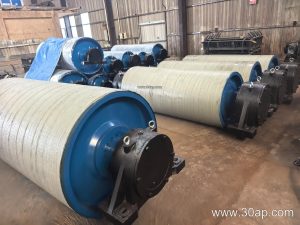
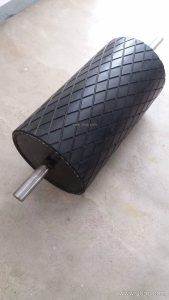
The bracket is usually called a troughing idler frame or a troughed idler support in catalogs. It should not be confused with a return bracket, which supports the belt on the empty side, nor with the bend pulley or drive pulley assembly at the ends of the conveyor.
How the Bracket Is Built
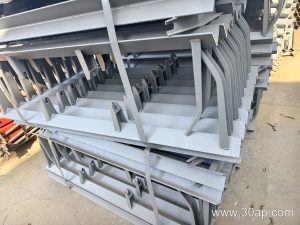
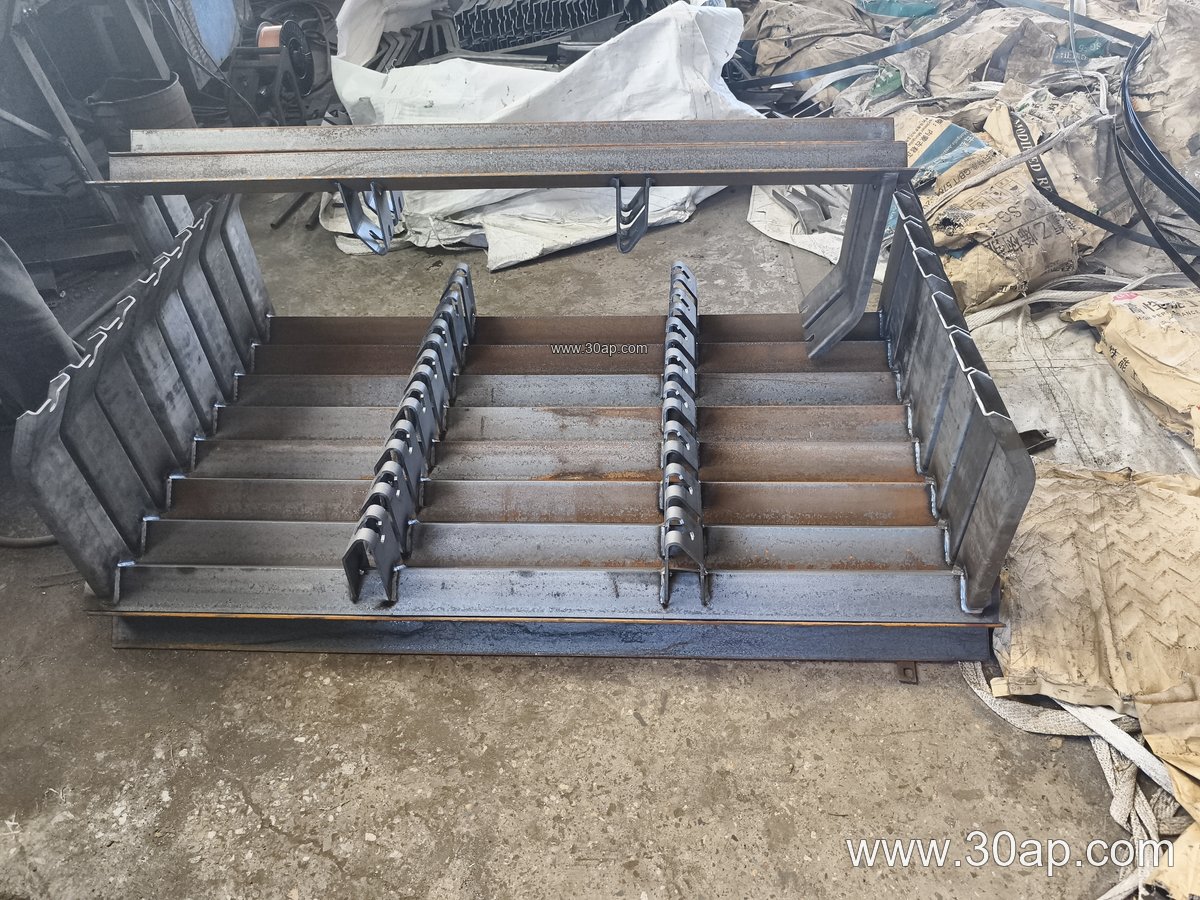
Most trough idler brackets are fabricated from angle steel, channel steel, or folded steel plate. The cross member carries the mounting slots for the side rollers and the center roller, and the end plates or hooks attach the frame to the conveyor stringer. Common designs include fixed brackets, where the trough angle is set at fabrication, and adjustable brackets that can be set to different angles during installation.
- Fixed troughing bracket with a welded angle, typically 20, 30, 35, or 45 degrees.
- Adjustable bracket with slotted side arms so the trough angle can be changed on site.
- Forward-tilted bracket, about 1.5 to 2 degrees, used to help belt centering.
- Impact bracket under the loading point, built heavier to absorb lump impact.
- Transition bracket at the conveyor ends, where the belt changes from flat to troughed.
Material thickness and weld quality matter more than cosmetic finish. A bracket that flexes under load will wear the idler shaft seats and cause uneven roller contact with the belt.
Where These Frames Are Used
The most common duty is the carrying side of a bulk handling conveyor. In a limestone mine or a sand and gravel line, trough idler brackets support the belt through the loading zone and along the inclined sections. In a power plant coal yard, they carry the belt that feeds the bunkers. In a fertilizer or grain silo facility, lighter brackets are often enough, while an iron ore terminal needs heavier frames and thicker rollers.
The bracket works together with the conveyor belt, the idler roller, and the conveyor pulley at each end. A well-aligned bracket set keeps the belt centered, which reduces edge damage on an abrasion resistant conveyor belt and lowers the chance of spillage at transfer points.
Matching Bracket to Belt Width and Roller Diameter
Bracket dimensions follow the belt width and the roller diameter, not the other way round. The table below shows common reference combinations; the final hole spacing and cross beam length are determined by the conveyor design, not by a single fixed rule.
| Belt width | Typical trough angle | Common roller diameter | Typical bracket type |
|---|---|---|---|
| B500 | 20 to 35 degrees | Ø89 | Fixed troughing bracket |
| B650 | 30 degrees | Ø89 or Ø108 | Fixed or adjustable |
| B800 | 35 degrees | Ø108 | Troughing bracket |
| B1000 | 35 to 45 degrees | Ø108 or Ø133 | Troughing or transition bracket |
| B1200 | 35 to 45 degrees | Ø133 | Heavy troughing bracket |
| B1400 | 35 to 45 degrees | Ø133 or Ø159 | Heavy troughing bracket |
| B1600 | 35 to 45 degrees | Ø159 | Heavy or impact bracket |
| B1800 | 35 to 45 degrees | Ø159 or Ø194 | Heavy-duty bracket |
| B2000 and above | 35 to 45 degrees | Ø194 | Engineered bracket |
A wider belt does not force one specific angle or roller size. A B1200 conveyor may run at 35 degrees with Ø133 rollers in one plant and at 45 degrees with Ø159 rollers in another, depending on capacity, belt speed, and material characteristics.
Buyer Checklist
- Confirm belt width, trough angle, and roller diameter before ordering; give the conveyor drawing if available.
- State whether the frame is fixed or adjustable, and whether it is for the carrying side or the return side.
- Ask for the mounting hole pattern and cross beam length, since these vary with design.
- Check steel thickness and surface treatment for dusty or wet conditions in a coal mine or port terminal.
- Specify impact brackets separately for loading points under a crusher or transfer chute.
For conveyors handling abrasive rock, pair the bracket with a durable Rubber Conveyor Belt and well-sealed rollers. In underground coal work, a Flame Retardant Conveyor Belt and correctly rated frames are usually specified together. Plants moving large tonnages often choose an EP Conveyor Belt or a Steel Cord Conveyor Belt for the main haul, while a Heat Resistant Conveyor Belt may be needed near a clinker or sinter discharge point. Whatever the belt type, the trough idler bracket should be selected as part of the whole conveyor support system, not as a stand-alone item.