What an NN200 Conveyor Belt Is
An NN200 Conveyor Belt is a multi-ply fabric core belt built on nylon (polyamide) warp and weft cords. The “NN” marks the carcass as nylon-nylon, and the 200 refers to the nominal tensile strength of the fabric layer, commonly expressed in N/mm per ply. In everyday plant language it is simply called an NN200 belt or a nylon conveyor belt, and it sits in the middle of the NN range between lighter NN100 and heavier NN300 constructions.
Because both warp and weft are nylon, the carcass stretches more than a polyester-based EP belt but absorbs shock and impact well. That trade-off makes the NN200 a practical choice for primary crushing circuits, transfer points and other spots where lumps hit the belt hard.
How the Belt Is Built
A typical NN200 Conveyor Belt combines several elements:
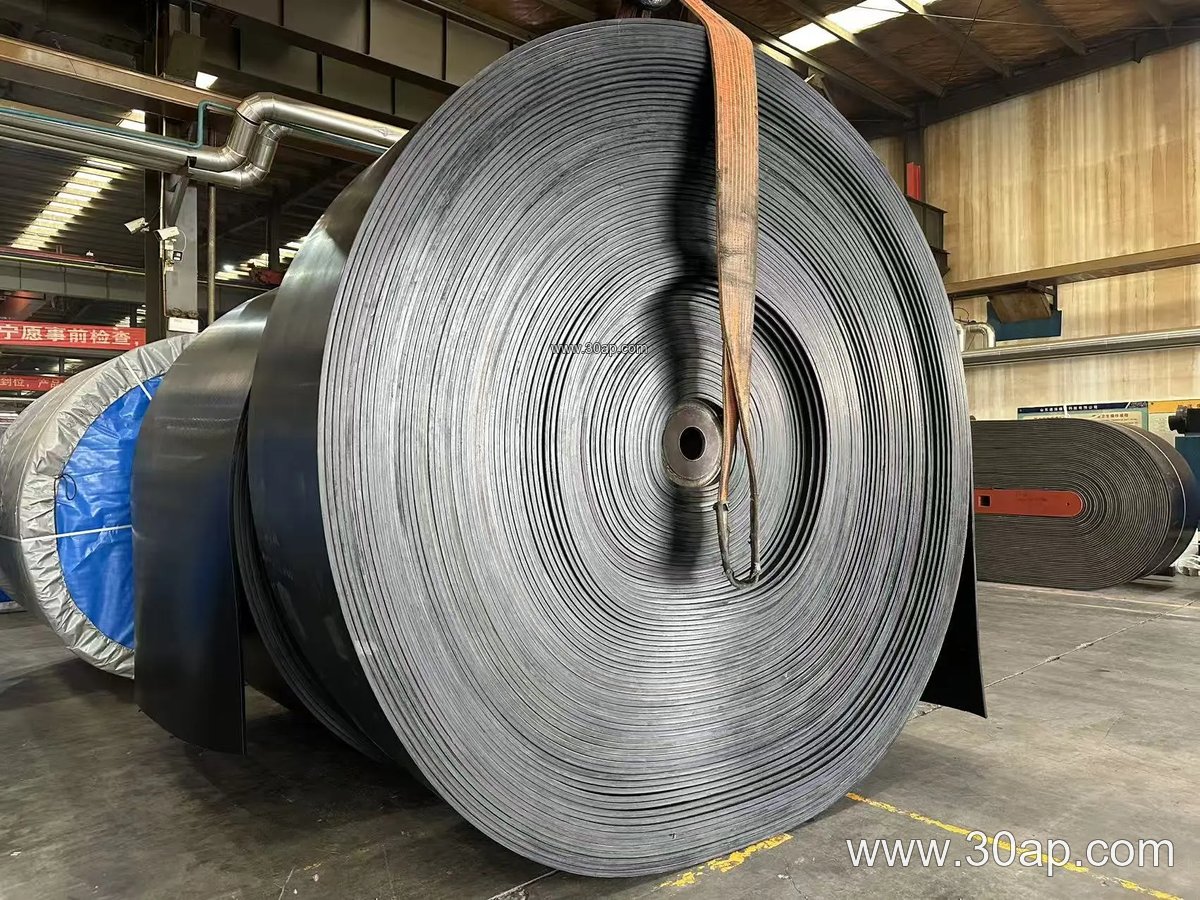
- Two to six plies of NN200 fabric, bonded with skim rubber between layers
- Top and bottom cover rubber in common gauges such as 4+2 mm, 5+2 mm or 6+2 mm
- Edge protection, either cut edges sealed with rubber or moulded edges for rougher service
The cover compound decides much of the belt’s field life. A plain abrasion resistant Conveyor Belt cover suits sand, gravel and clinker, while a Heat Resistant Conveyor Belt variant is chosen for hot sinter or cement clinker lines. Flame retardant and anti-static covers are common for coal handling, and an Oil Resistant Conveyor Belt cover helps where oily scrap or treated aggregate is carried.
Where NN200 Belts Fit
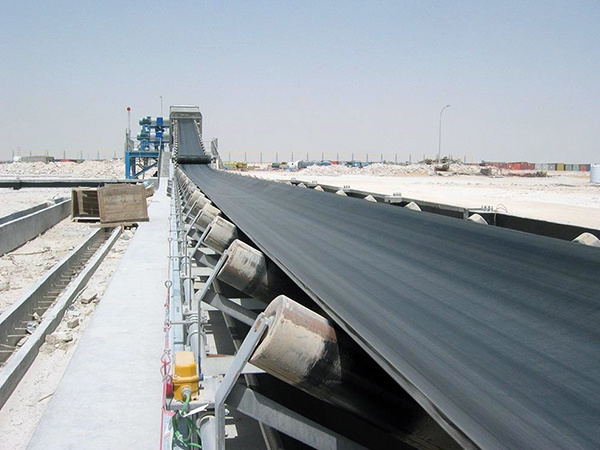
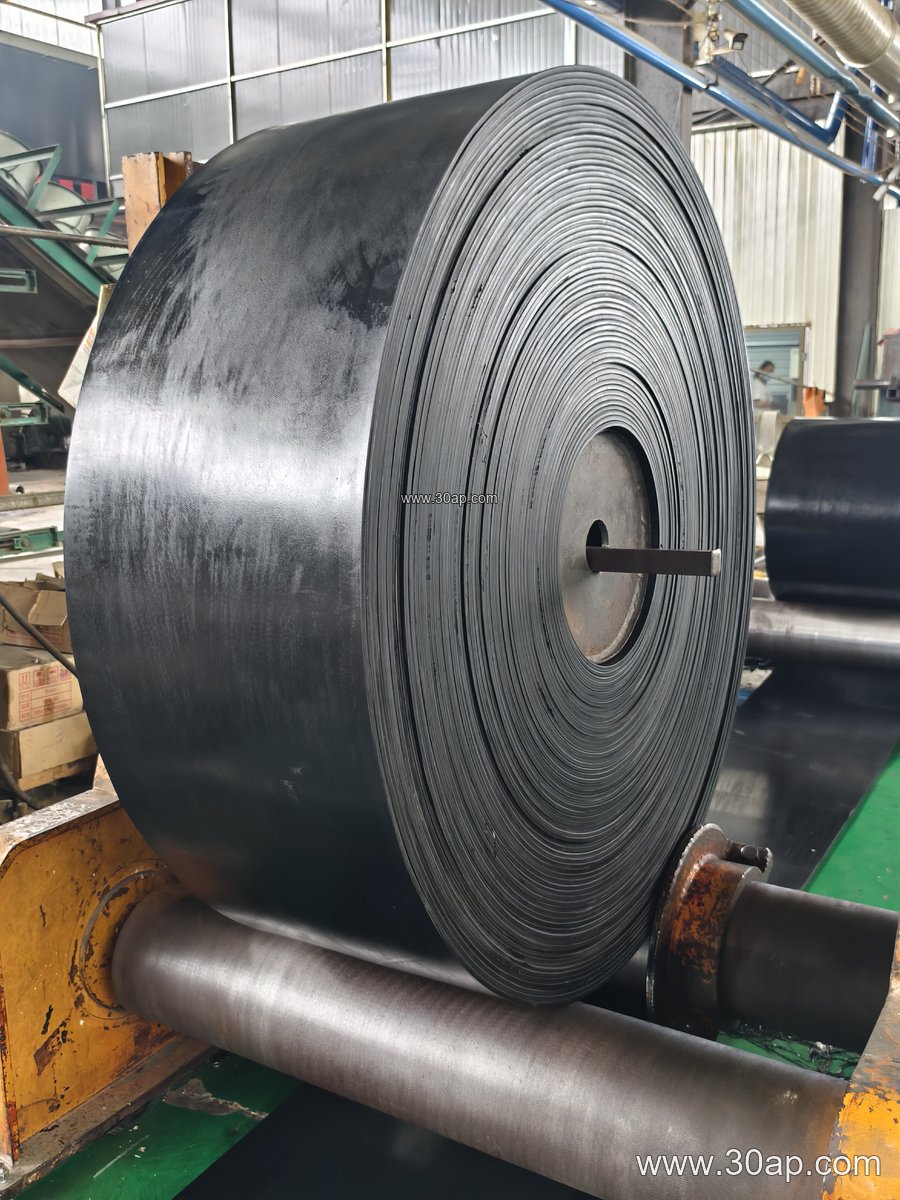
The belt turns up across mining, cement, power, quarry and port operations. In a quarry or sand and gravel plant it often runs from the crusher discharge to the screening deck, where impact is heavy and the material is sharp. In a cement plant it may feed raw meal or clinker, and in a coal yard it can be specified with flame retardant properties for safety. Power plants use it on coal and ash lines, while a bulk terminal may run it on ship loading conveyors.
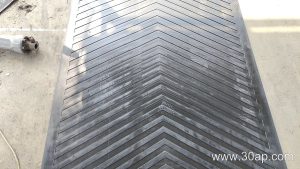
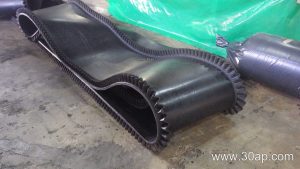
An NN200 belt is not the only option, and the choice should follow the duty. A steel cord conveyor belt is preferred for very long, high-tension routes; an EP conveyor belt gives lower stretch where take-up travel is limited; and a chevron or corrugated sidewall belt is used on steep inclines where standard flat belts would slip or spill. Each of these is a different product, so specify the one the conveyor design actually calls for.
Common Reference Dimensions
The table below lists typical values for orientation. Actual belt width, ply count, cover gauge and strength class are set by the conveyor design and confirmed with the supplier.
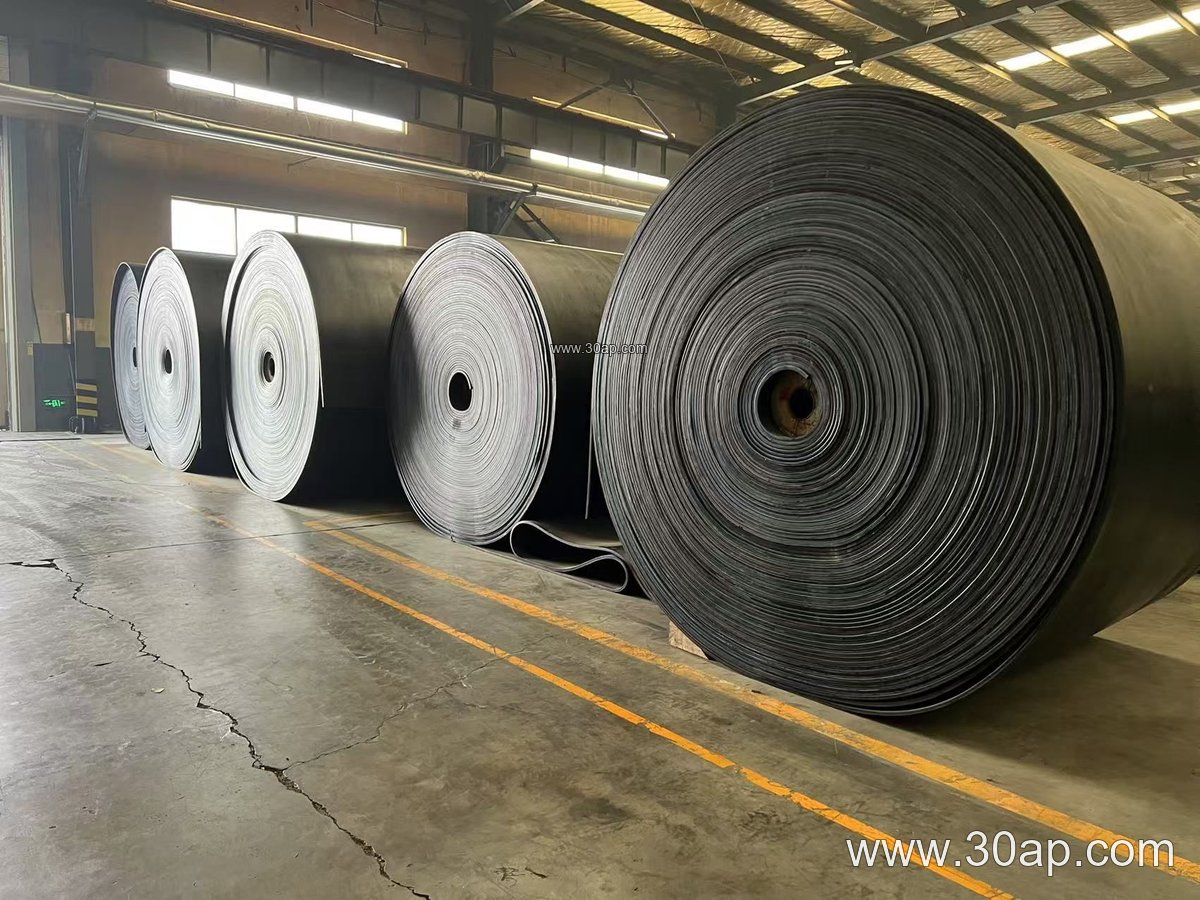
| Parameter | Common reference values |
|---|---|
| Strength class | NN100, NN200, NN300, NN400 |
| Belt width | B500, B650, B800, B1000, B1200, B1400, B1600, B1800, B2000 |
| Number of plies | 2 to 6 |
| Cover gauge (top + bottom) | 3+1.5 mm, 4+2 mm, 5+2 mm, 6+2 mm, 8+3 mm |
| Cover options | Abrasion resistant, heat resistant, oil resistant, flame retardant, anti-static, cold resistant |
Belt width and pulley diameter are separate design decisions. A wider belt does not automatically dictate one pulley size, and shaft diameter comes from the conveyor’s load and torque calculations, not from the belt width alone.
Buying and Maintenance Notes
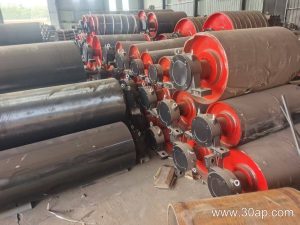
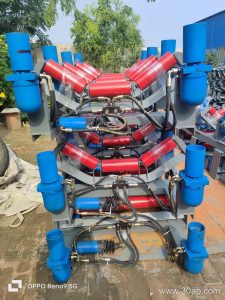
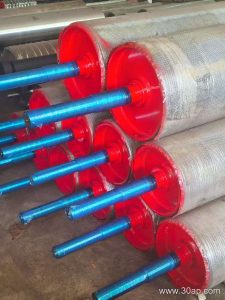
When ordering, state the strength class, width, ply count, cover gauges and any special cover property, plus whether an endless belt is required for a fixed-centre conveyor. Ask for the recommended minimum pulley diameters for the carcass, and check that the drive pulley, tail pulley and bend pulleys are sized for the belt’s flexibility. Keep idler roller alignment and conveyor pulley lagging in good condition, since a misaligned frame or a worn pulley will shorten belt life faster than the cover compound.
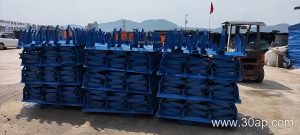
Store belts off the ground, away from direct sunlight and ozone sources, and avoid tight coils that crease the carcass. During installation, allow the belt to run slack before tensioning, and check tracking at low speed first. A correctly specified NN200 belt, matched to its conveyor bracket and structure, gives reliable service in abrasive, high-impact bulk handling.