What an EP Conveyor Belt Is
An EP Conveyor Belt is a fabric-core rubber belt built around polyester (E) warp yarns and polyamide (P) weft yarns. The carcass gives the belt its tensile strength and its ability to flex around pulleys without cracking, while the rubber covers protect the fabric from abrasion, moisture and the material being carried. Because the EP fabric stretches less than all-nylon construction under the same load, it holds a steadier line on long runs and needs less take-up travel over its service life.
Buyers often meet this product under its equivalent name, EP fabric core conveyor belt, or simply as polyester-polyamide belt. Any of these names refers to the same fabric-reinforced rubber belt, and the strength grades written on the invoice should always be checked against the application.
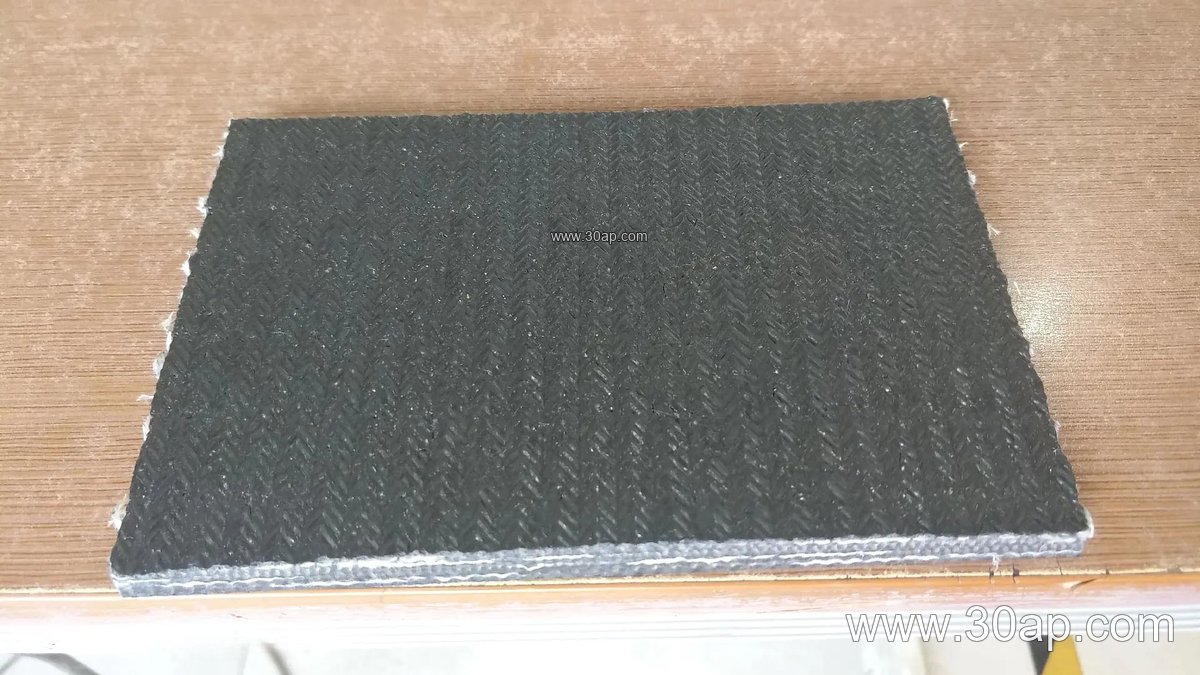
How the Belt Is Built
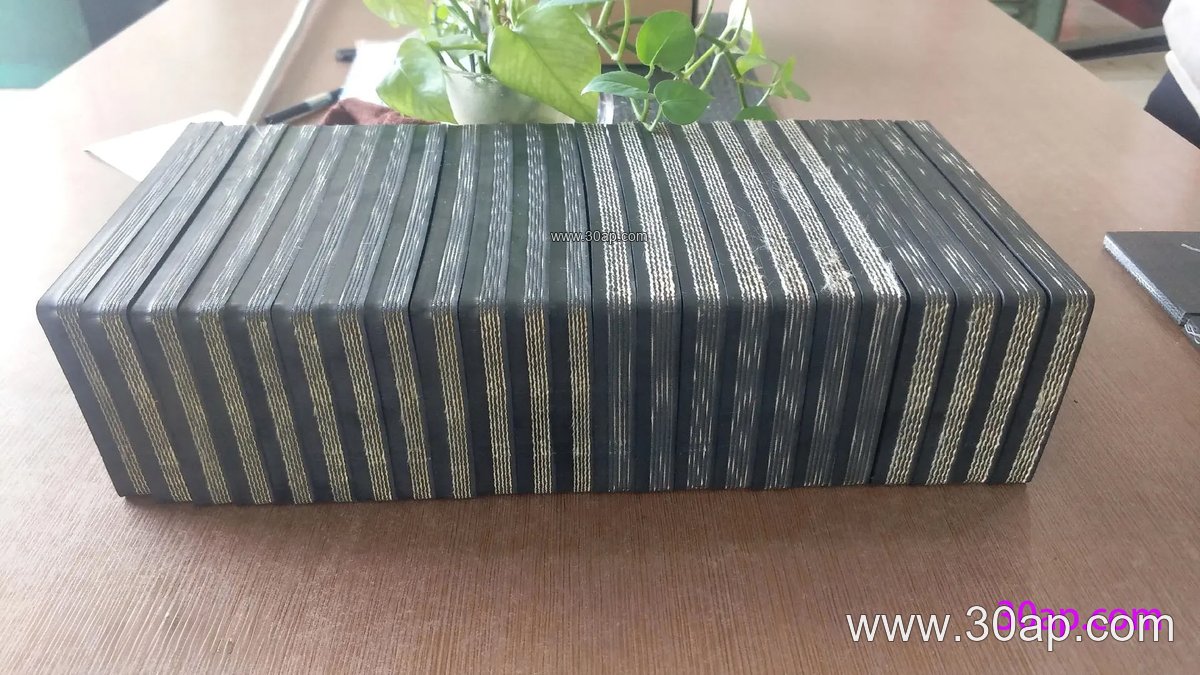
The carcass is usually made of two to six plies of EP fabric, bonded with skim rubber and then covered on both faces with abrasion-resistant rubber. Common cover combinations include 3+1.5 mm, 4+2 mm, 5+2 mm, 6+2 mm and 8+3 mm, where the first figure is the top cover and the second is the bottom cover. The top cover is normally thicker because it faces the load. Edges may be cut and sealed or moulded, and the belt can be supplied open-ended for mechanical fastening or spliced into an endless belt on site.
Typical Strength and Width References
The figures below are reference data, not a fixed supply promise. Actual values are confirmed by the manufacturer for each order.
- Strength grades commonly quoted: EP200, EP315, EP400, EP500, EP630, EP800, EP1000, EP1250, EP1600, EP2000
- Belt widths commonly quoted: B500, B650, B800, B1000, B1200, B1400, B1600, B1800, B2000
- Cover thickness examples: 4+2 mm, 6+2 mm, 8+3 mm
A belt width and a pulley diameter are chosen together from the conveyor design; no single belt width dictates one pulley size.
Where EP Belts Are Used
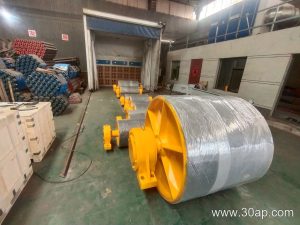
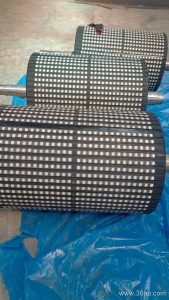
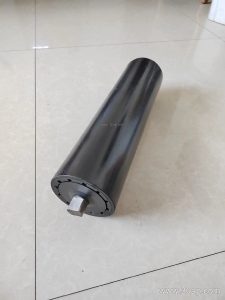
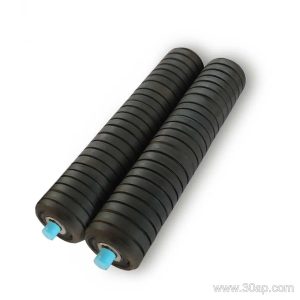
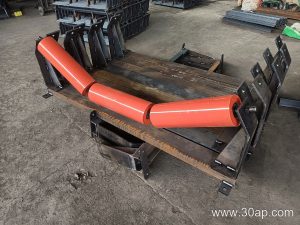
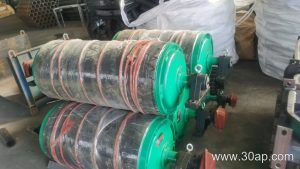
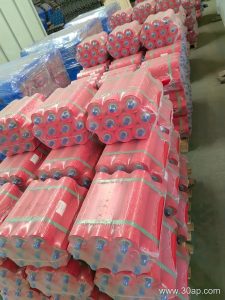
The belt suits bulk handling in mining, coal preparation, cement plants, power stations, quarries, sand and gravel yards, steel works and port loading systems. In a typical circuit the belt runs over a drive pulley, returns over a tail pulley and is guided by bend pulleys, while idler rollers support the loaded strand and return strand, and conveyor brackets hold the whole frame in place. A properly matched conveyor pulley and set of idler roller assemblies keep the belt tracking centred and extend cover life.
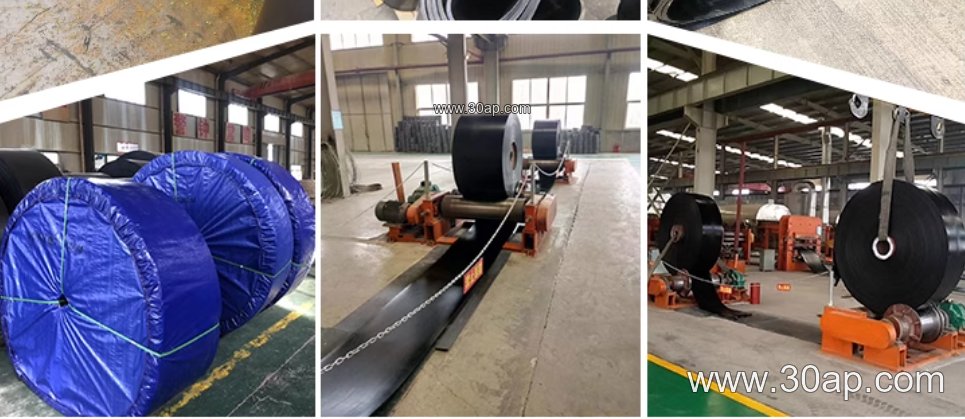
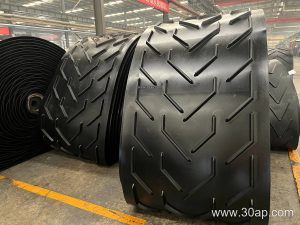
Special constructions are available when the duty demands them: abrasion resistant, heat resistant, oil resistant, flame retardant and anti-static covers, plus chevron or corrugated sidewall forms for steep inclines. These are variants of the same fabric-core family, not replacements for it. For very high tension or very long single flights, a steel cord conveyor belt may be the better comparison, but for most medium-duty and general bulk lines the EP construction remains a practical choice. Rubber conveyor belt users in cement and coal handling often prefer it for its balance of strength, spliceability and cost.
Selection Points for Buyers
Start with the duty: material type, lump size, tonnage per hour, incline angle and the distance between the head and tail. Then confirm the required tensile grade, the number of plies, cover thickness and cover compound. Check that the pulley diameters on the conveyor allow the belt to flex without over-stressing the carcass, and confirm the trough angle of the idler roller sets. For underground coal work, flame retardant and anti-static properties are usually specified alongside the strength grade. Ask for the splice method and the recommended fastener or vulcanising procedure, because a poor joint shortens belt life more than cover wear does.
Installation and Maintenance Notes
Store belts in a dry, shaded place and avoid sharp folds. During installation keep the belt centred, tension it gradually and check tracking at low speed before loading. Inspect edges, covers and splices at regular intervals; small edge nicks can grow into long tears if ignored. Keep pulleys clean and check that every idler roller turns freely, since a seized roller can wear through a cover quickly. Record the belt width, ply count and grade so replacement orders match the original specification.