What a Turning Pulley Does
A turning pulley is a type of conveyor pulley that changes the direction of the conveyor belt without driving it. Unlike a drive pulley, which transmits power, or a tail pulley, which maintains tension at the loading end, the turning pulley simply guides the belt along a new path. In many plants, it is also called a bend pulley, and this accurate equivalent name reflects its role in redirecting the belt around corners or into tensioning devices. The turning pulley is common in aggregate lines, coal handling systems, and cement plants where layout constraints require the belt to snake through structural supports.
Because it does not transmit torque, the turning pulley is typically smaller in diameter than a drive pulley of the same belt width. However, it must still be robust enough to handle the belt tension and the centrifugal forces generated as the belt wraps around it. Proper selection of the turning pulley ensures smooth belt travel and reduces the risk of belt edge damage or mistracking.
Construction and Surface Options
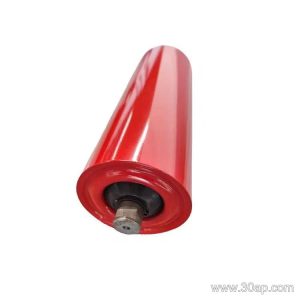
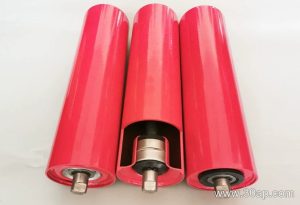
A turning pulley consists of a cylindrical shell, end discs, a shaft, and bearing housings. The shell is usually made from seamless steel tube or rolled plate, machined to ensure concentricity. The shaft is sized according to the torque and load it carries, not simply by belt width. Common shaft diameters include Ø50, Ø60, Ø70, Ø80, Ø90, Ø100, Ø120, Ø140, Ø160, Ø180, and Ø200 mm, but the final choice depends on the conveyor design and the resulting radial loads.
The pulley surface can be plain or covered with rubber. Plain (光面) turning pulleys are adequate for many clean, dry applications. When extra grip or protection is needed, lagging is applied. Common lagging types include cold-bonded rubber, hot-vulcanized rubber, diamond pattern, herringbone pattern, and ceramic lagging. Lagging thickness often ranges from 8 mm to 20 mm. For a turning pulley, lagging primarily protects the shell from wear and can improve belt tracking on longer wraps. In dusty quarry or cement environments, a diamond or herringbone rubber lagging helps shed material and maintain contact.
Typical shell diameters for turning pulleys include Ø200, Ø250, Ø315, Ø400, Ø500, Ø630, and Ø800 mm. The pulley face width is usually slightly wider than the belt. For example, a B800 belt might run on a pulley with a face width around 950 mm, while a B1200 belt could use a face width near 1400 mm. These are common references, not fixed pairings. The actual combination of belt width, pulley diameter, and shaft size is determined by the conveyor designer based on tension, wrap angle, and space constraints.
Where It Fits in the Conveyor
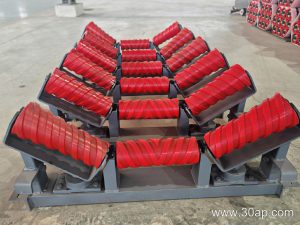
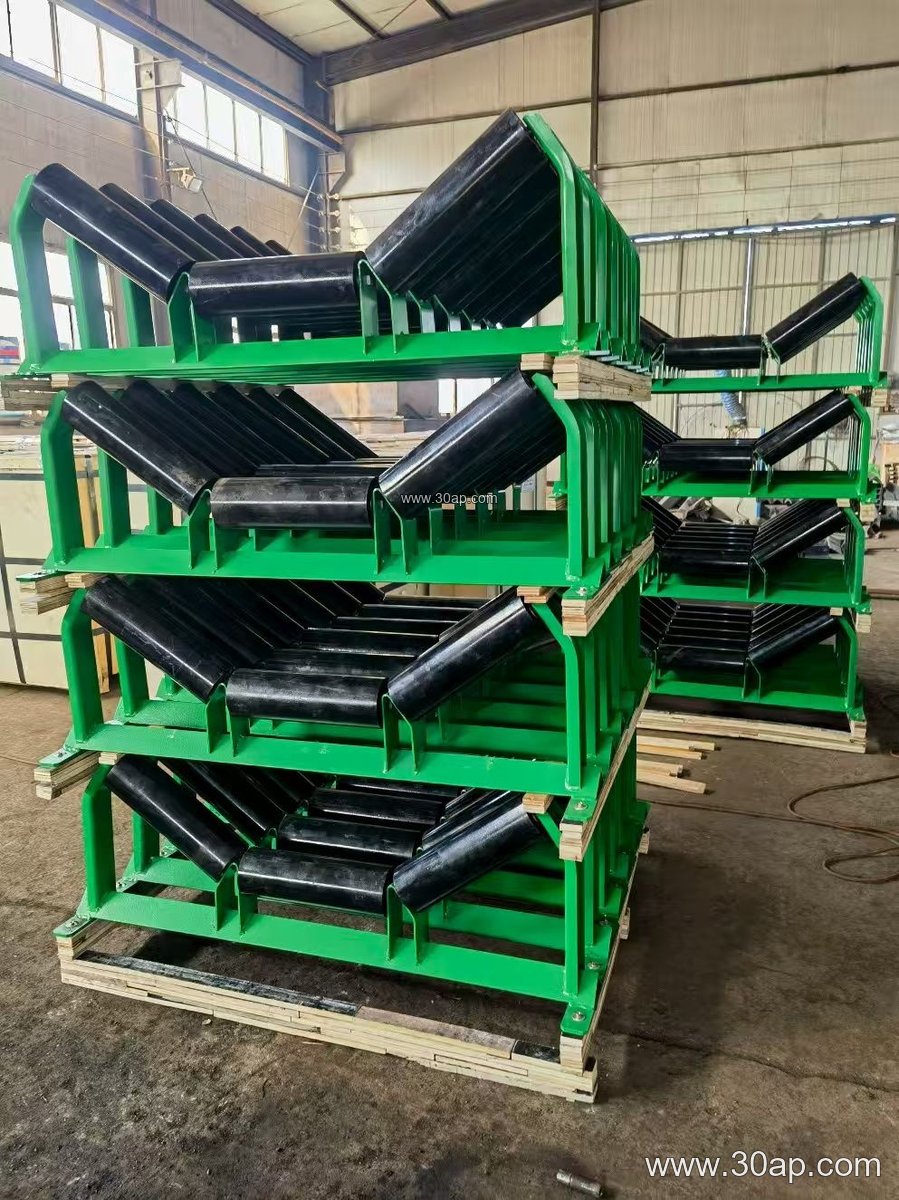
Turning pulleys are often installed at the head or tail area to route the belt around obstacles, or in the take-up section to guide the belt into a tensioning pulley. They are also used to increase the wrap angle on a drive pulley when space is tight. In a typical coal mining conveyor, a turning pulley may redirect the return belt before it enters the take-up. In a limestone quarry, it might guide the belt around a transfer tower. The turning pulley works together with the conveyor belt, idler roller, and conveyor bracket to keep the system aligned and efficient.
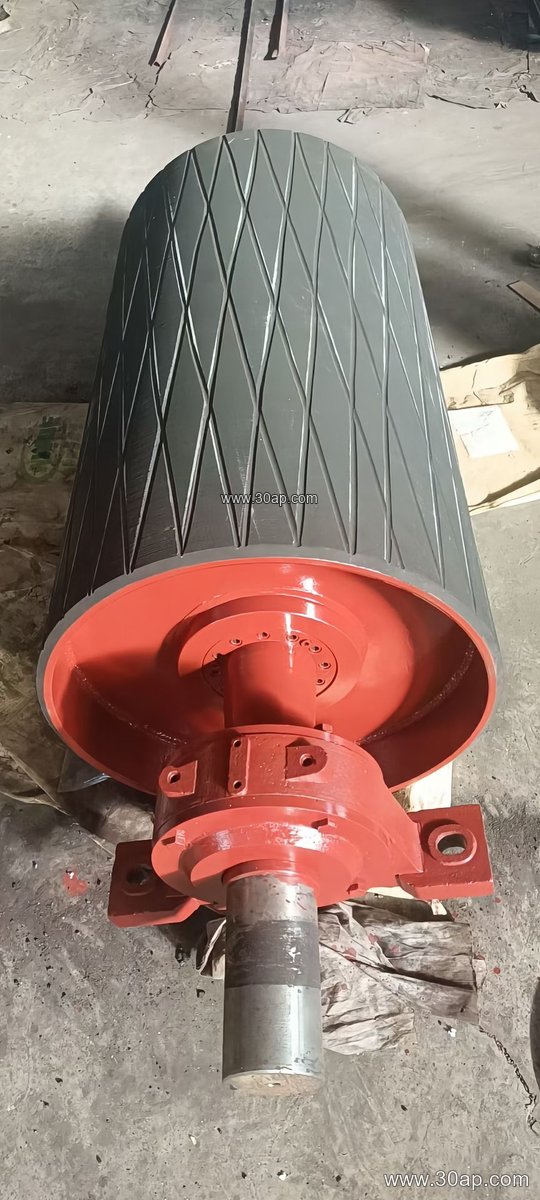
It is important not to confuse the turning pulley with a drive pulley, tail pulley, or bend pulley. While a bend pulley is another name for the same function, a drive pulley delivers power and a tail pulley provides tension at the loading point. Each has a distinct role, and they are not interchangeable. Using a turning pulley in a drive position would not transmit the required torque, and using a drive pulley as a simple redirect would be an unnecessary cost.
Selection and Maintenance Notes
When specifying a turning pulley, consider the belt width, the belt tension, the wrap angle, and the environment. The bearing size and shaft diameter must be adequate for the resultant load. For abrasive materials such as iron ore or copper ore, consider a wear-resistant lagging or a slightly larger shell diameter to reduce belt bending stress. In food or clean applications, a plain stainless or painted shell may be preferred.
Regular inspection of the turning pulley includes checking for lagging wear, bearing condition, and shell alignment. Misalignment can cause the belt to run off-center, leading to edge damage. Lubrication schedules should follow the bearing manufacturer’s recommendations. Keeping the pulley clean and free of material buildup helps maintain consistent belt tracking.
For more information on conveyor components and compatible belting, visit our conveyor belt and conveyor pulley pages. Whether you are working with a rubber conveyor belt in a sand and gravel plant or a flame retardant conveyor belt in an underground coal mine, selecting the right turning pulley is a key step toward reliable operation.