What a 1400mm Conveyor Belt Is
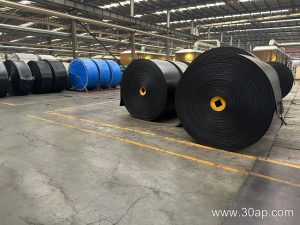
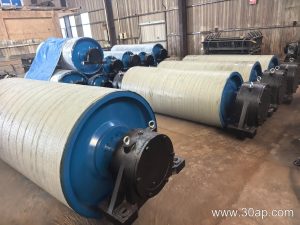
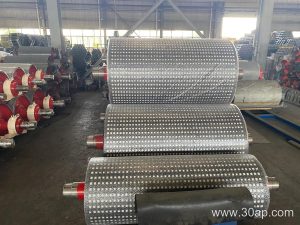
A 1400mm conveyor belt is a wide-format rubber or fabric-reinforced belt designed for high-capacity bulk material transport. With a nominal width of 1400 millimeters, it sits in the heavy-duty range, bridging standard 1200mm belts and extra-wide 1600mm or 1800mm systems. This width is common in mining, coal preparation, cement plants, power stations, and large quarry operations where throughput per hour matters. The belt itself is only one part of the conveyor, working alongside idler rollers, conveyor pulleys, and conveyor brackets that together form the complete material handling line.
Construction and Common Configurations
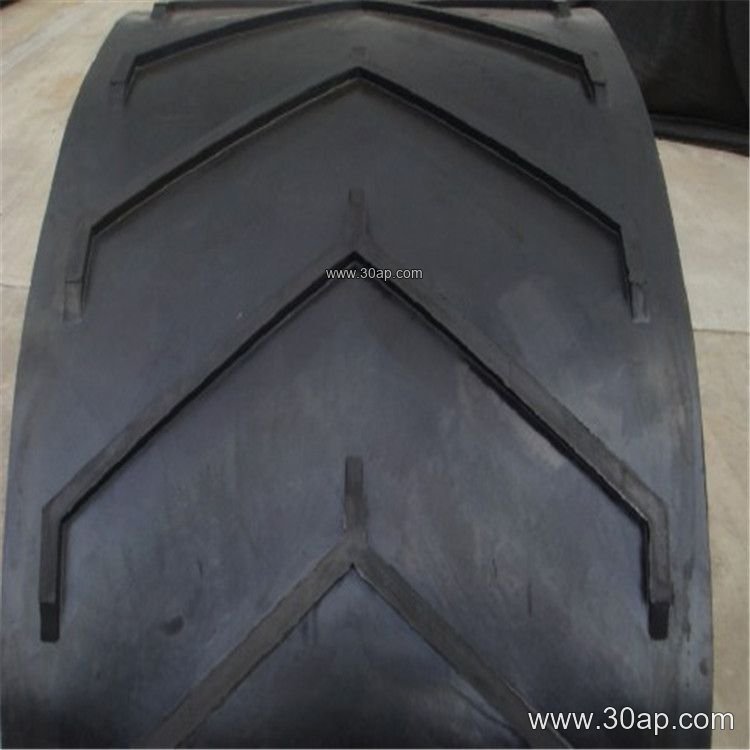
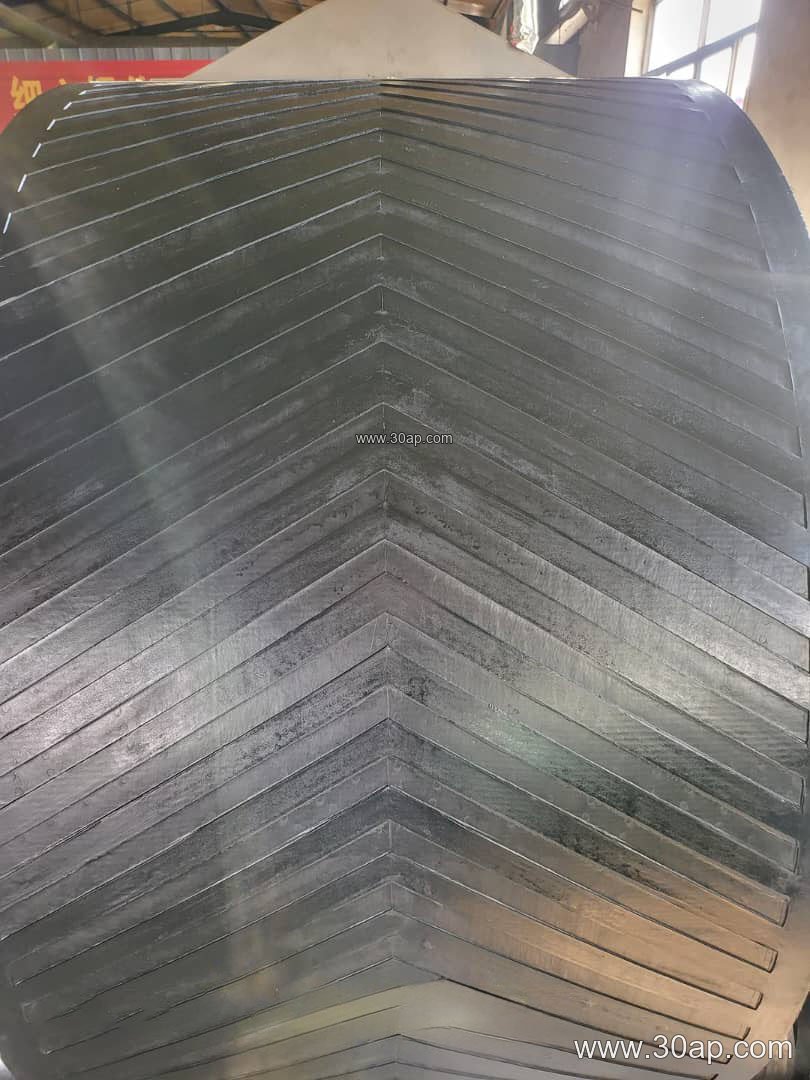
The 1400mm conveyor belt is typically built with a fabric core or steel cord reinforcement, covered by rubber layers on both sides. Fabric core options include EP conveyor belt and NN conveyor belt constructions, while steel cord belts are chosen for very long runs or high tension. The cover rubber grade depends on the cargo: abrasion resistant for crushed stone and ore, heat resistant for cement clinker, oil resistant for recycled materials, and flame retardant for underground coal mining. Edge construction may be plain, or the belt may carry chevron ribs, corrugated sidewalls, or skirted edges to contain material on inclines.
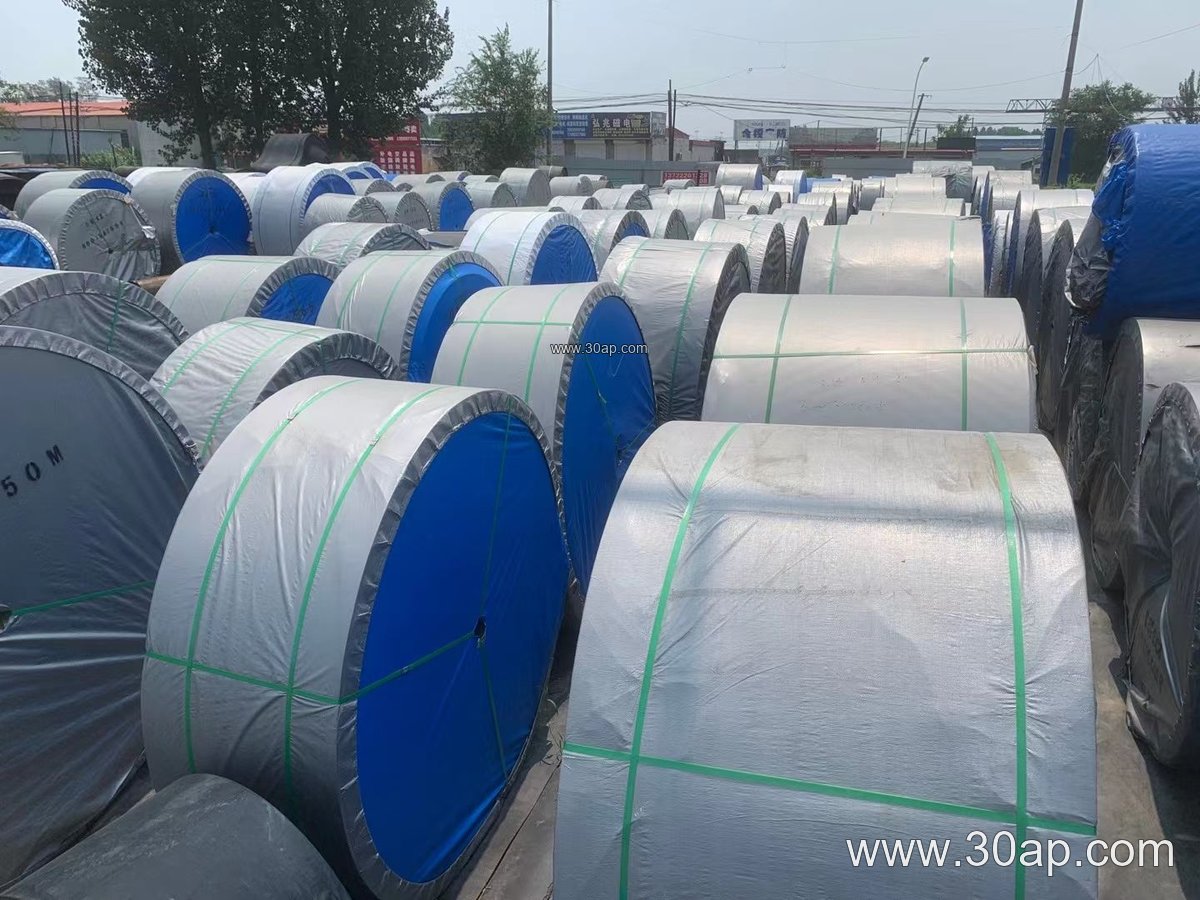
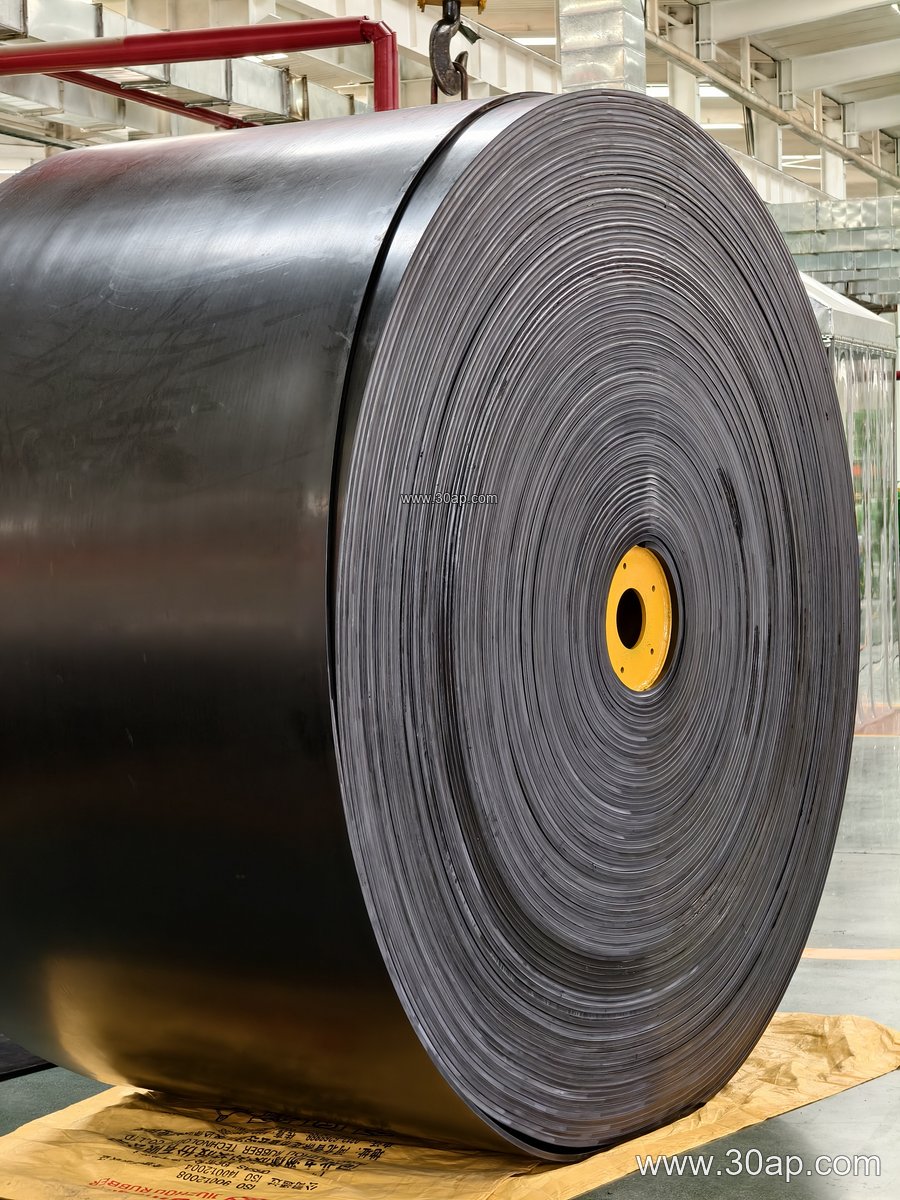
Common cover thickness combinations for this width include 4+2 mm, 5+2 mm, 6+2 mm, and 8+3 mm, with fabric plies usually ranging from 2 to 6 layers. These values are typical references and should be confirmed against the actual duty and pulley diameter of the conveyor.
Typical Specifications at a Glance
| Parameter | Common Reference Range |
|---|---|
| Belt width | 1400 mm (B1400) |
| Fabric core types | EP200 to EP2000, NN100 to NN400 |
| Steel cord grades | ST1000 to ST3150 (for high-tension duties) |
| Cover thickness | 4+2, 5+2, 6+2, 8+3 mm |
| Number of plies | 2 to 6 (fabric core) |
| Surface options | Plain, chevron, corrugated sidewall, skirted |
| Special grades | Abrasion, heat, oil, flame, cold, acid resistant |
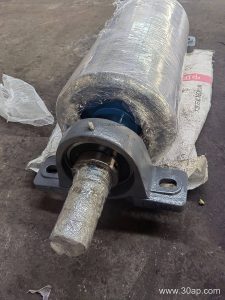
These figures are for orientation only. A 1400mm belt can be paired with various pulley diameters and idler roller sizes depending on the conveyor design, and no single shaft or pulley size is fixed by belt width alone.
Where 1400mm Belts Are Used
This belt width appears in primary and secondary crushing circuits, stockyard conveyors, ship loading systems, and overland lines in the mining conveyor belt sector. In coal mining, flame retardant and anti-static grades are common for underground mining conveyor belts. Cement plants use heat resistant versions for clinker transport, while power plants rely on abrasion resistant belts for coal and limestone. Aggregate and quarry operations often select heavy-duty EP or steel cord belts to handle sharp rock and high impact at transfer points. The 1400mm width offers a practical balance between capacity and structural load on the conveyor frame, idlers, and pulleys.
Selection and Maintenance Notes for Buyers
When specifying a 1400mm conveyor belt, buyers should define the material type, lump size, throughput, incline angle, and ambient conditions. The belt tension rating must match the drive power and the number of plies or steel cord grade. Check compatibility with existing idler rollers, pulley face width, and bracket spacing. For dusty or combustible environments, flame retardant and anti-static properties are important. Regular inspection of belt edges, splice condition, and cover wear helps avoid unplanned downtime. Keeping spare idler rollers and a spare pulley on hand can reduce maintenance delays.
Always request the manufacturer’s data sheet for the exact belt construction, and confirm that the selected grade suits the conveyor’s actual operating profile. The 1400mm conveyor belt is a versatile width, but it should be engineered as part of the whole system, not chosen by width alone.