What a Q355 Conveyor Bracket Does
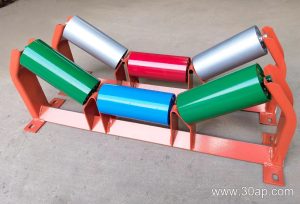
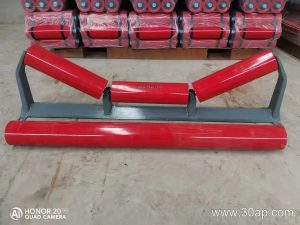
A Q355 Conveyor Bracket is the steel support that holds conveyor idlers in position along a belt conveyor. It carries the weight of the belt, the material on it, and the idler itself, then passes that load into the conveyor frame. Because Q355 is a low-alloy structural steel with good strength and weldability, the bracket keeps its shape under repeated loading in quarry, cement plant, and power plant coal handling service. In many plants the same part is simply called a Q355 idler bracket or a Q355 roller support bracket, depending on the workshop’s naming habit.
The bracket works together with the conveyor belt, the idlers, and the pulley assemblies. A weak bracket shows up quickly as belt misalignment, vibration, or uneven wear on the idler shells.
How the Bracket Is Built
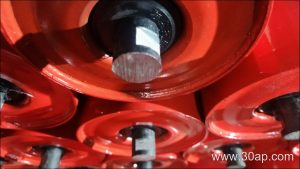
Most Q355 Conveyor Brackets are fabricated from angle steel, channel steel, or bent steel plate. The main beam and the end plates are welded together, then drilled for the idler shaft. Common workshop practice includes:
- Cutting and drilling according to the belt width and trough angle
- Welding the support arms and end stops
- Cleaning and painting for corrosion protection
Mounting hole spacing and crossbeam length change with belt width and trough angle, so these are confirmed at design stage rather than taken as fixed numbers. A well-made bracket keeps the idler axis square to the belt centerline, which matters more than the steel grade alone.
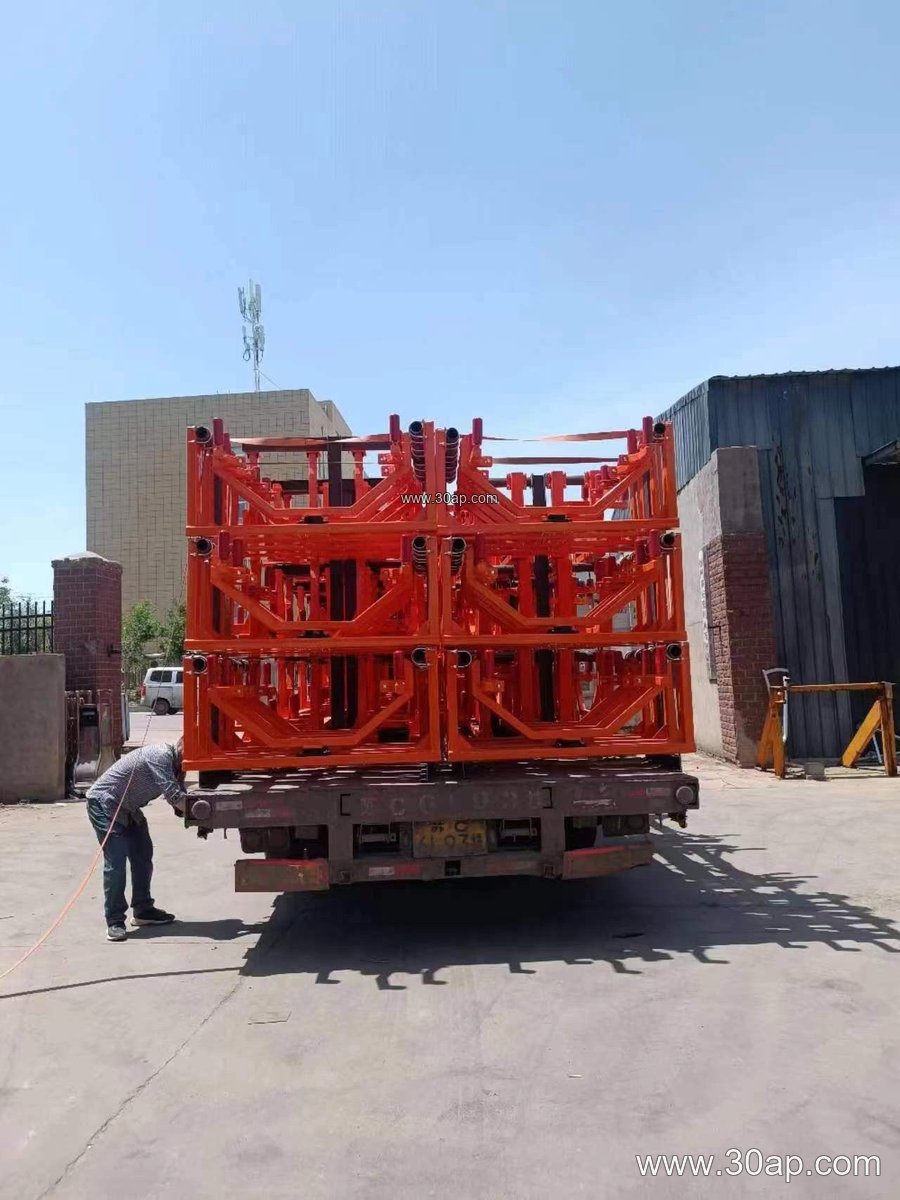
Bracket Types and Where They Sit
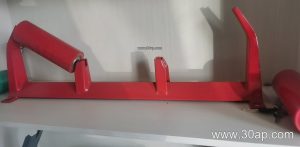
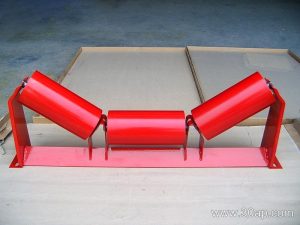
The bracket family covers several positions on a conveyor. Trough brackets support the carrying side; return brackets carry the belt back; impact brackets sit under loading points; self-aligning and forward-tilted brackets help track the belt. A few typical arrangements are shown below as reference data, not as fixed supply promises.
| Bracket type | Position | Belt width example | Trough angle | Idler diameter example |
|---|---|---|---|---|
| Trough bracket | Carrying side | B800 | 35 degrees | Ø108 |
| Trough bracket | Carrying side | B1200 | 45 degrees | Ø133 |
| Return bracket | Return side | B650 | Not applicable | Ø89 |
| Impact bracket | Loading point | B1000 | 35 degrees | Ø133 |
| Adjustable bracket | Carrying side | B1400 | 20 to 45 degrees | Ø159 |
Adjustable brackets let maintenance staff change the trough angle between commonly used settings such as 20, 30, 35, and 45 degrees. Forward-tilted brackets usually sit around 1.5 to 2 degrees to help belt tracking. None of these values should be read as a rule that one belt width only matches one angle or one idler diameter.
Where It Is Used
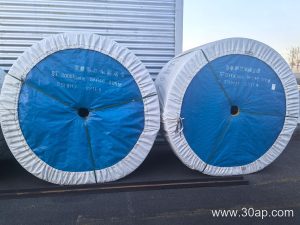
You will find Q355 Conveyor Brackets in stone crushing and screening lines, where dust and shock loading are constant, and in cement plant clinker and raw meal transport. They also appear in power plant coal yards and in iron ore handling circuits feeding a crusher. In these places the bracket is often paired with a heavy-duty mining conveyor belt or an abrasion resistant conveyor belt, and with idler rollers that suit the duty.
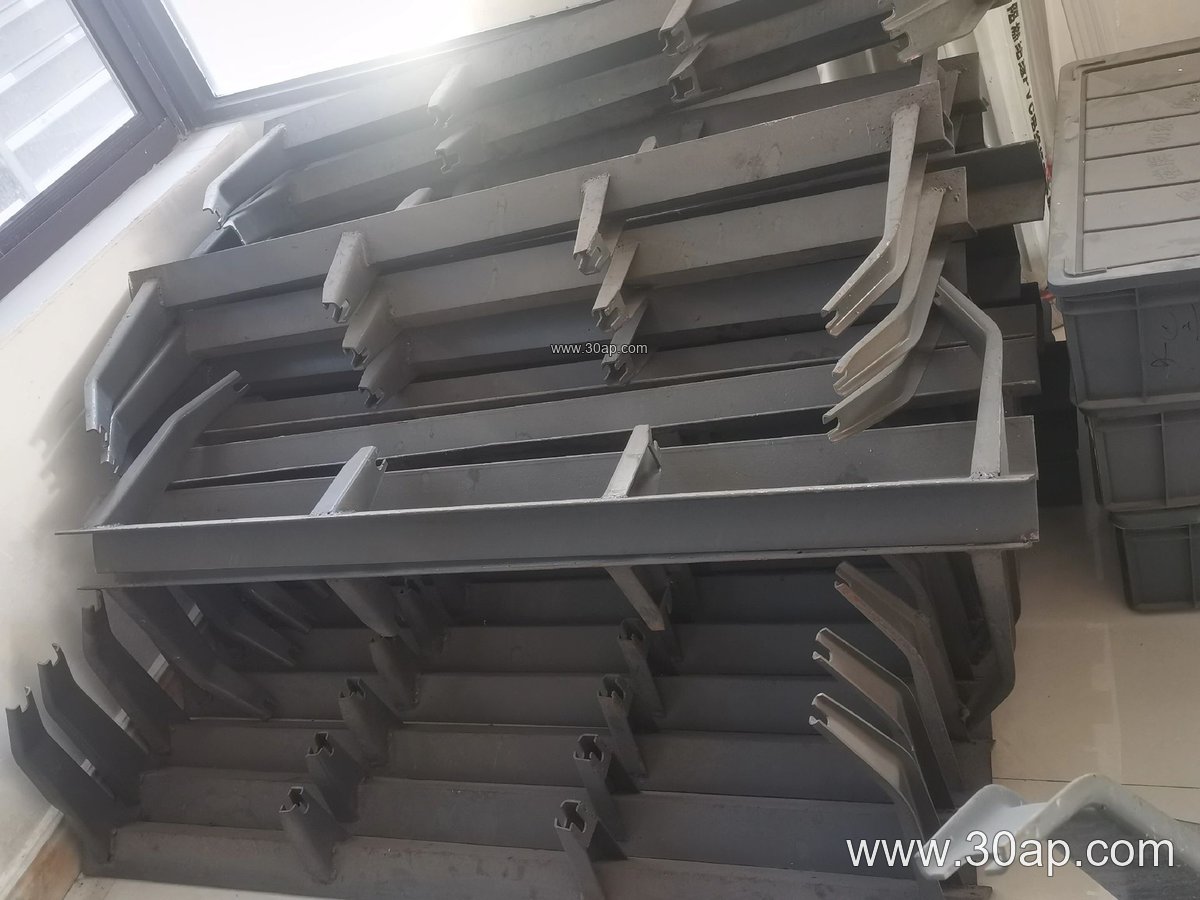
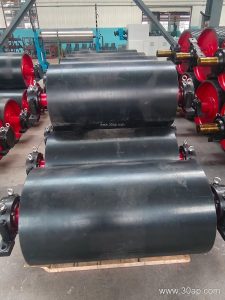
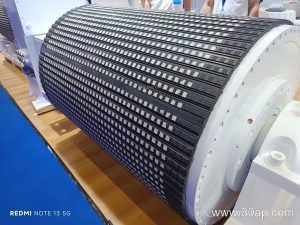
The bracket does not act alone. On the carrying run it positions trough idlers under the belt; at the head it works near the drive pulley, and at the tail near the tail pulley. Each pulley has its own function and cannot be swapped for another, just as a trough bracket cannot replace a return bracket.
Buyer Checklist
Before ordering, confirm the belt width, the required trough angle, the idler diameter, and the mounting hole pattern of the existing frame. Check the steel grade certificate for Q355, the weld quality, and the surface treatment. Ask whether the bracket is fixed or adjustable, and whether it is for the carrying or return side. Matching the bracket to the actual conveyor pulley and idler layout avoids field modification.
For conveyors handling abrasive or hot material, mention the service condition so the bracket finish and the belt specification can be chosen together. A flame retardant conveyor belt or a heat resistant conveyor belt may be needed in the same circuit, and the bracket should still be sized by load, not by habit.
Finally, keep spare brackets for the loading zone, since impact brackets take the hardest hits. A simple stock of one or two sizes matched to the line’s belt width and idler diameter keeps a crushing or coal handling plant running during scheduled stops.