What a High-Speed Conveyor Idler Does
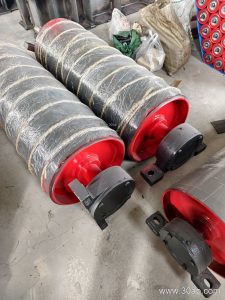
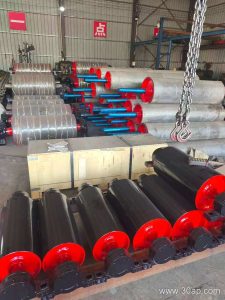
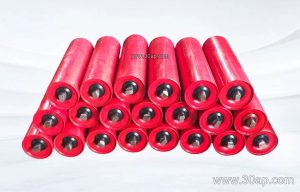
A high-speed conveyor idler is the rotating support that carries the belt and its load at elevated belt speeds. In a high-tonnage quarry, a coal preparation plant, or a power station coal yard, the idler must keep the belt tracking smoothly while handling constant motion and abrasive material. Unlike a drive pulley or a tail pulley, which transmit power and change belt direction, the idler roller only supports and guides. The high-speed version is built for continuous duty where standard idlers might wear faster or generate more vibration.
Construction Details That Matter at Speed
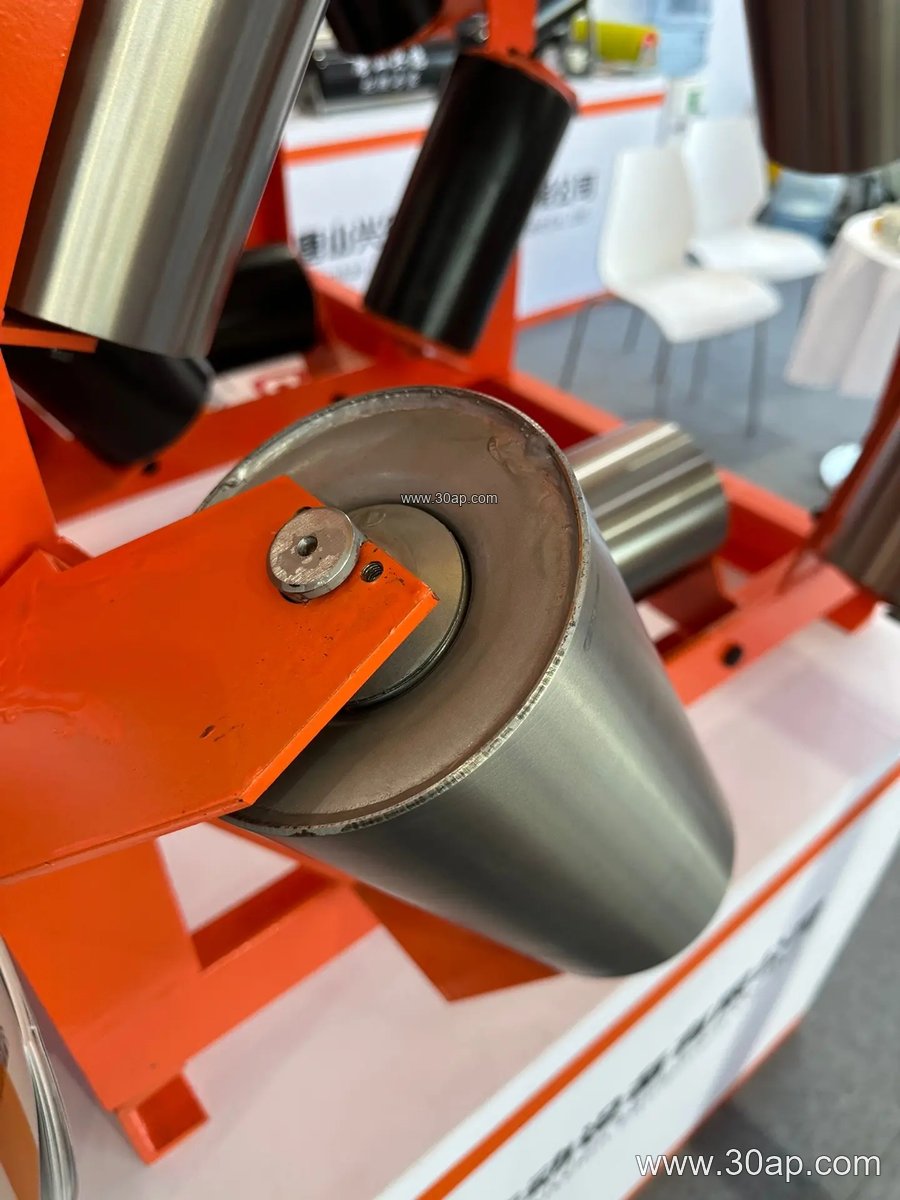
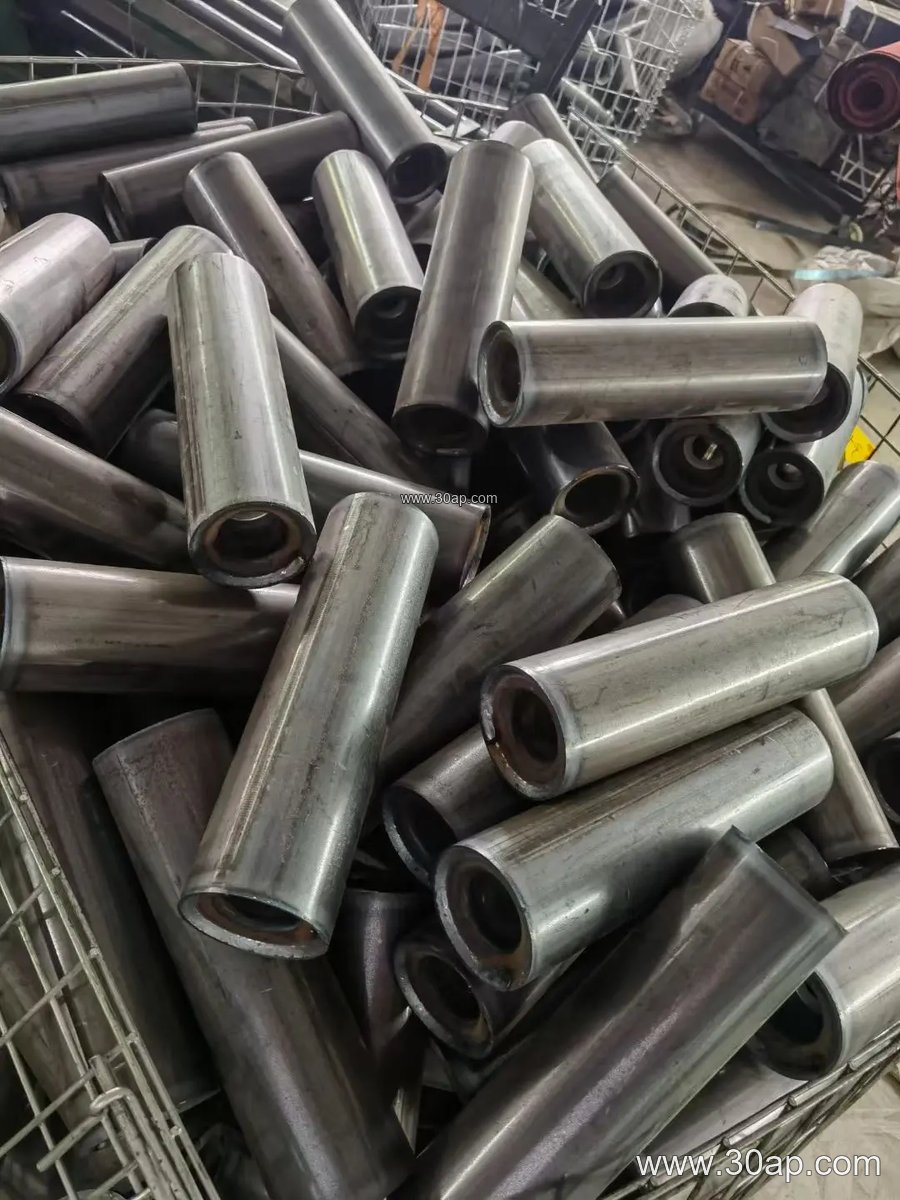
At higher belt speeds, balance and bearing quality become critical. A typical high-speed conveyor idler uses a seamless steel tube shell, machined end caps, and deep-groove ball bearings such as 6205, 6305, or 6306, selected according to load and speed rather than a fixed rule. The seal arrangement usually includes a labyrinth or multi-lip design to keep out fine dust from limestone, iron ore, or cement clinker. Roller surfaces can be plain steel, nylon, or rubber-disc types; the rubber-disc version helps absorb impact at transfer points but is not a replacement for the main high-speed idler in the carrying run.
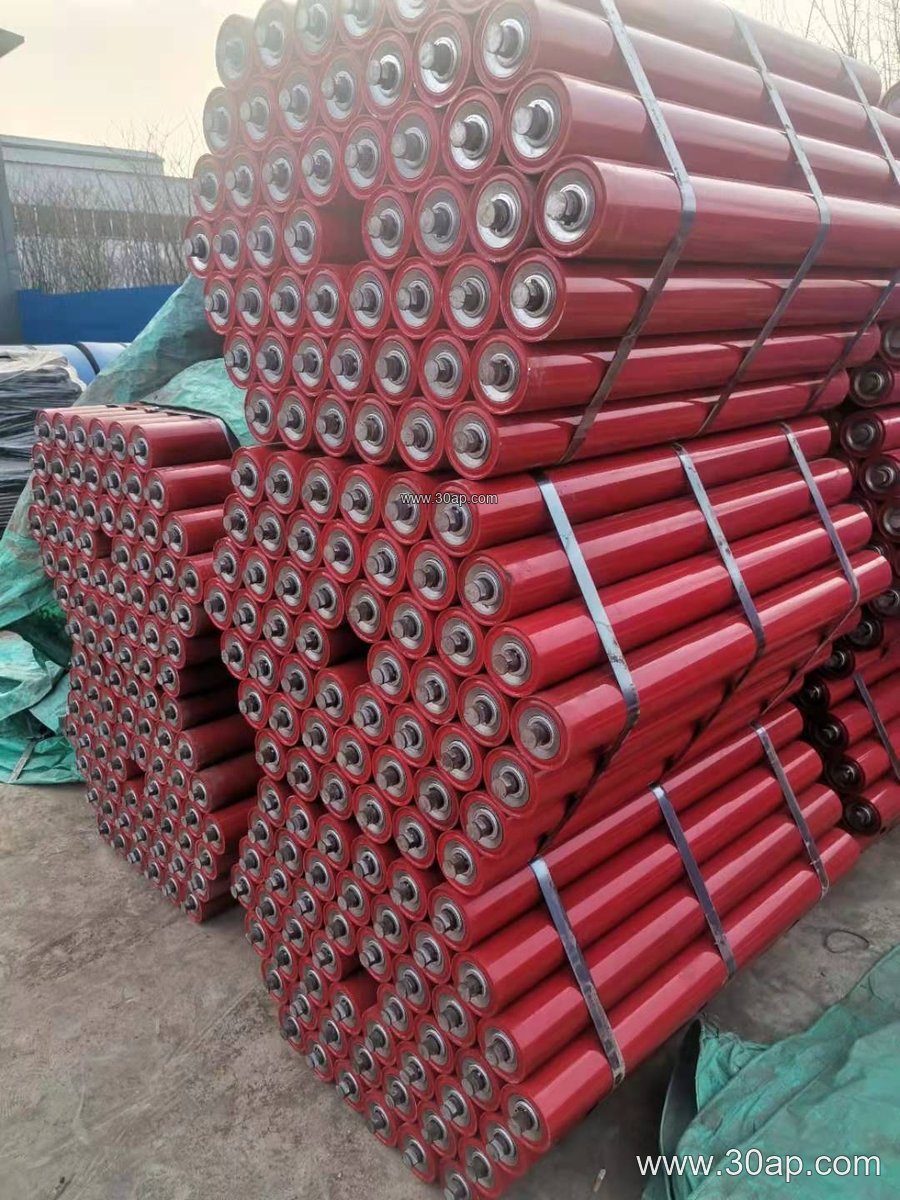
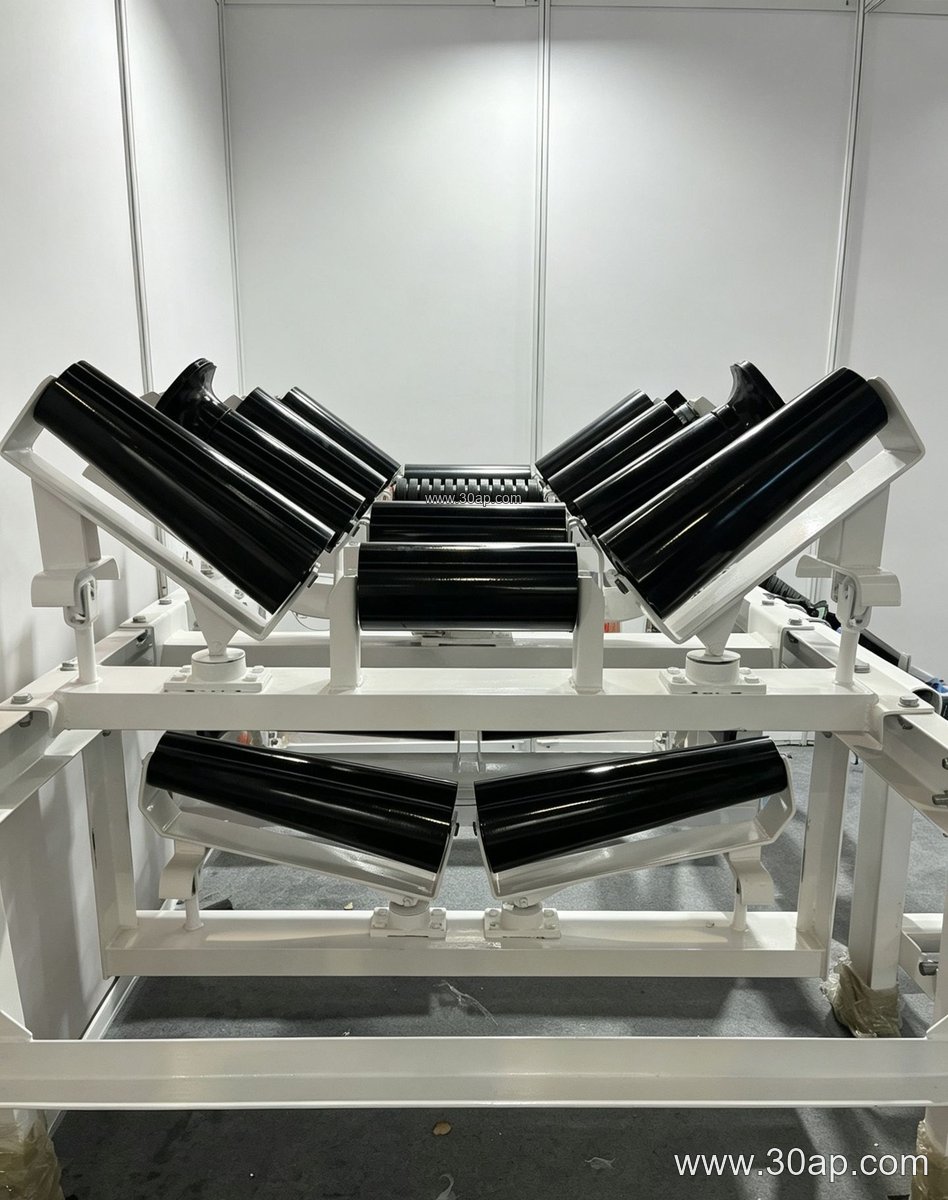
Common roller diameters for high-speed service include Ø89, Ø108, Ø127, Ø133, and Ø159 mm. The correct choice depends on belt width, trough angle, and the idler set configuration. Trough angles of 20, 30, 35, and 45 degrees are common, and a slight forward tilt of about 1.5 to 2 degrees may be used in training idlers to help center the belt.
Where High-Speed Idlers Are Used
These idlers appear in bulk material conveyor lines where the belt runs fast to move large volumes. In a limestone quarry or aggregate plant, they support a Rubber Conveyor Belt on the main haulage line. In a coal mining operation, flame retardant and anti-static belting is common, and the idlers must match that environment. A cement plant uses them on raw meal and clinker conveyors, while a power plant coal yard relies on them for continuous fuel feed. Port ship-loading systems and steel plant sinter lines also use high-speed idlers where belt speed and uptime are priorities.
Matching Idler to Belt and Idler Set
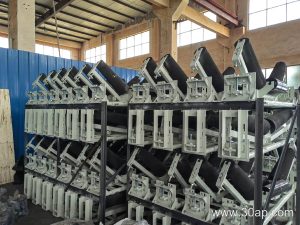
The idler set form affects roller length and load distribution. A three-roll troughing set is common for carrying runs, while a two-roll or single-roll arrangement may appear in specific transition zones. Return runs often use a flat or V-return idler. The table below gives common roller length examples for three-roll troughing sets; side rollers and center rollers can differ, and final dimensions are set by design.
| Belt Width | Common Roller Length (three-roll troughing) |
|---|---|
| B500 | 200 mm |
| B650 | 250 mm |
| B800 | 315 mm |
| B1000 | 380 mm |
| B1200 | 465 mm |
| B1400 | 530 mm |
| B1600 | 600 mm |
| B1800 | 670 mm |
| B2000 | 750 mm |
Belt width does not dictate a single pulley diameter, and shaft size must be calculated from load and speed, not guessed from belt width alone. When specifying, share the belt width, trough angle, idler set type, and expected belt speed so the supplier can recommend a suitable bearing and seal package.
Buyer Checklist for High-Speed Service
- Confirm the actual belt speed and load per idler; high speed increases bearing heat and seal wear.
- Check whether the environment is wet, dusty, or corrosive; this affects seal and surface choice.
- Match the idler set to the conveyor belt and the conveyor bracket dimensions on site.
- For coal or underground work, specify flame retardant and anti-static properties for the belting and compatible components.
- Ask for the bearing number and seal type in writing, and verify roller length against the trough angle.
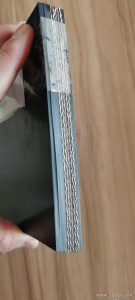
A well-chosen high-speed conveyor idler keeps a Steel Cord Conveyor Belt or fabric-core belt running true with less downtime. In a sand and gravel line or a fertilizer plant, the same principle applies: balance, sealing, and correct roller length matter more than a single headline number.