What a Q355 Conveyor Bracket Does on the Line
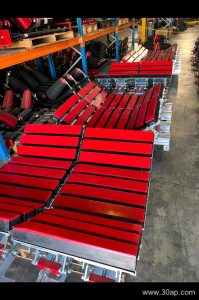
A Q355 conveyor bracket is the steel support that holds idler rollers in the correct position under or over the belt. The bracket carries the load from the roller frame into the conveyor stringer, so the belt keeps its trough shape and tracks steadily. In a quarry, a cement plant or a power plant coal yard, this part is often the quiet link between the idler roller and the main structure. The same product is commonly called a Q355 conveyor support bracket or a Q355 idler bracket, and the name refers to the steel grade rather than to one fixed shape.
How the Bracket Is Built
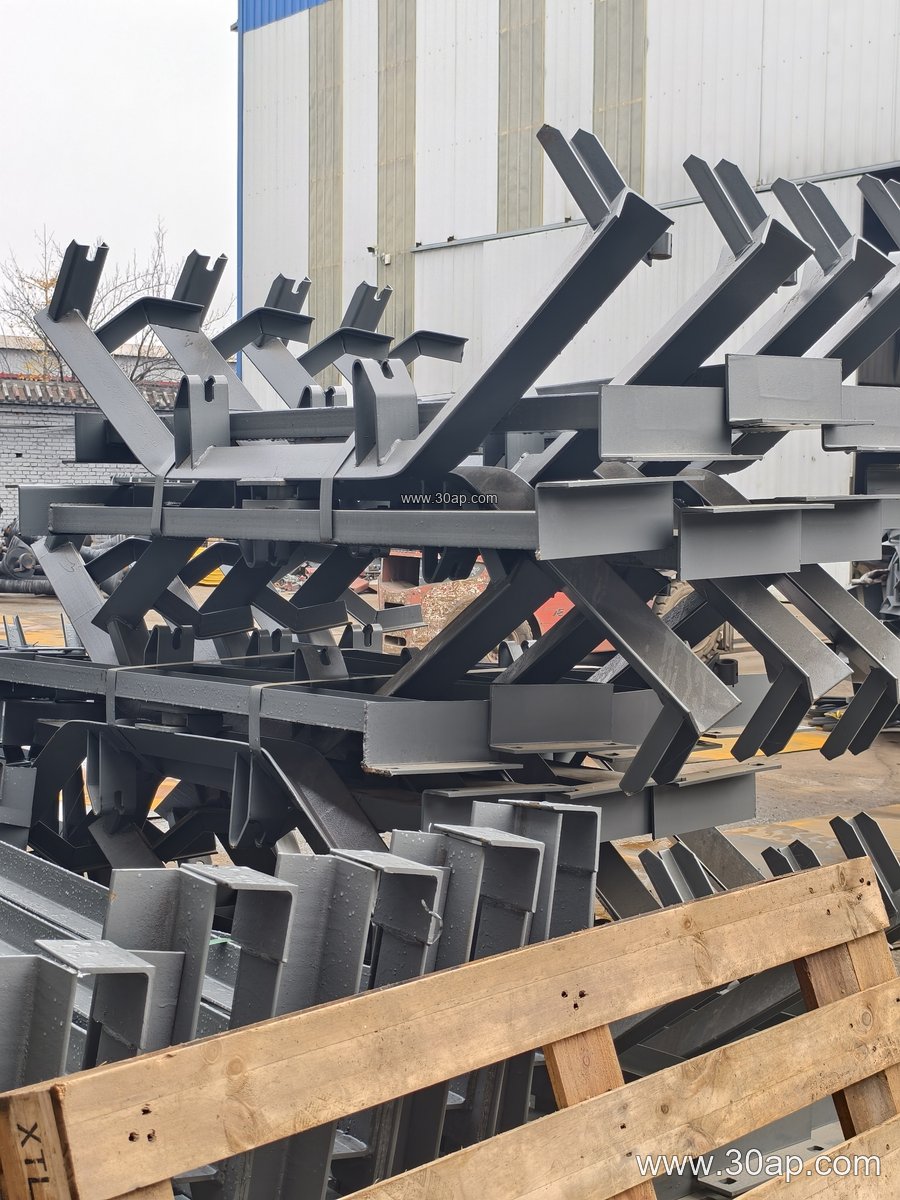
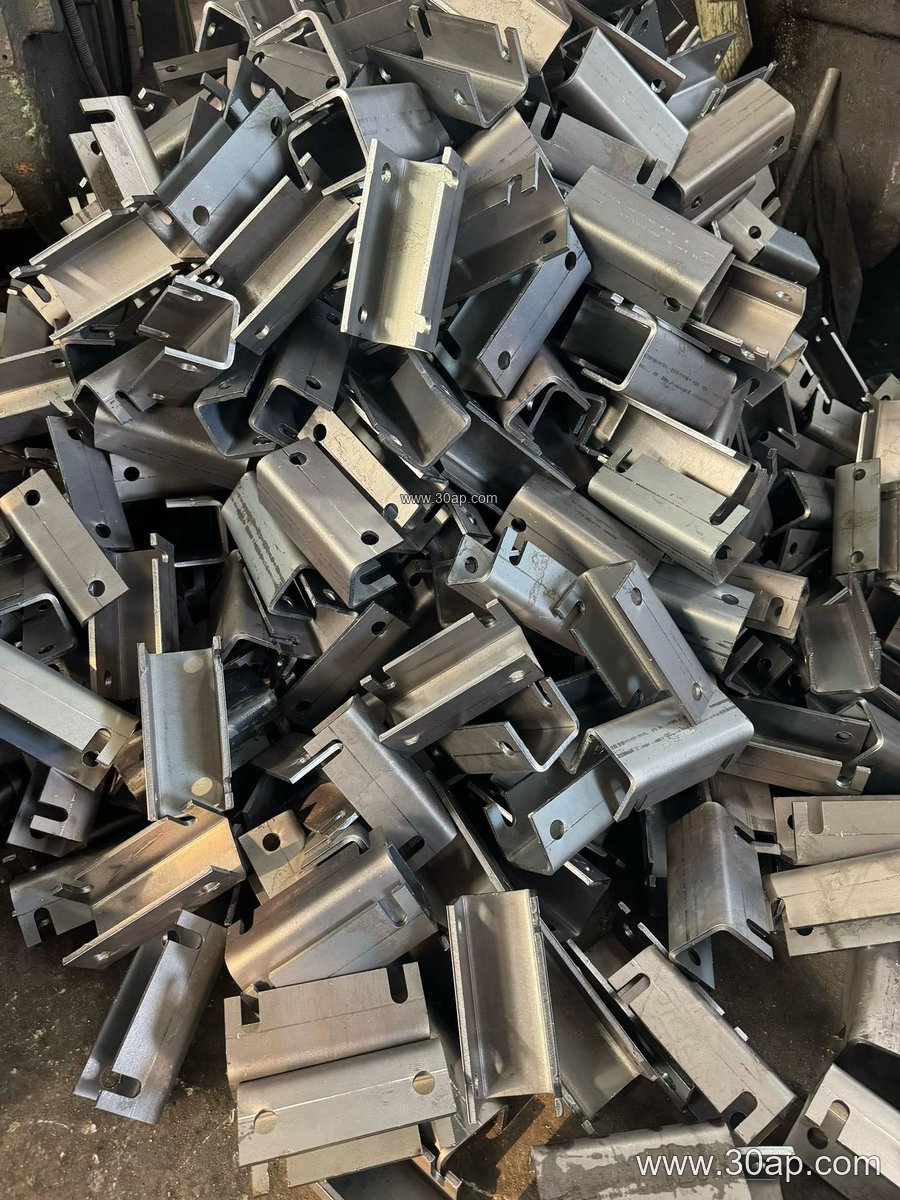
Most brackets are fabricated from angle steel, channel steel or folded steel plate. Q355 is a low-alloy structural steel with a minimum yield strength around 355 MPa, which gives useful stiffness without excessive weight. Welding and hole drilling are usually done in a jig so that the roller seats stay aligned along the conveyor. A finished bracket may include mounting slots, angle adjustment plates and reinforcing gussets. Surface treatment is normally painted or galvanized, depending on the environment.
Common Bracket Types and Where They Sit
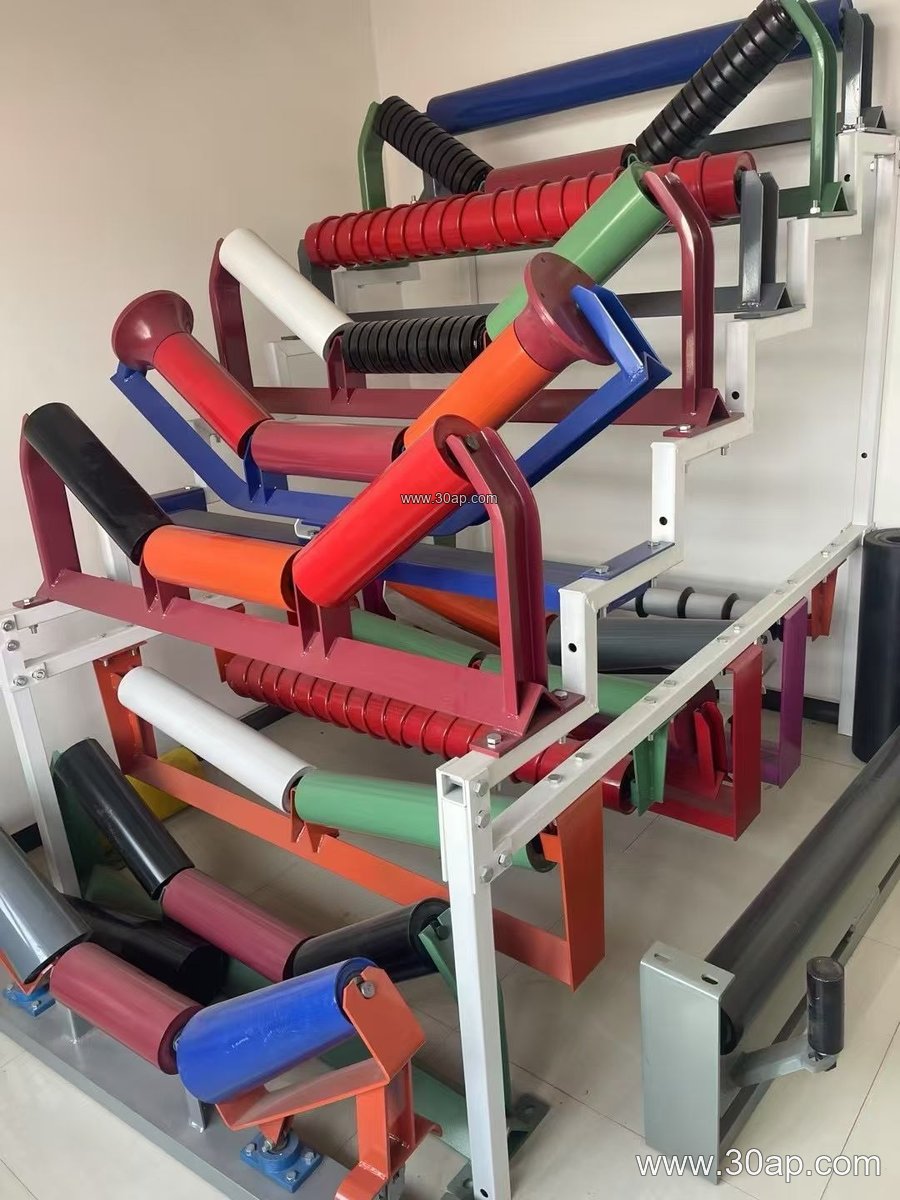
The bracket family is broad, and each subtype has a defined job. A trough bracket supports the carrying side and sets the trough angle. A transition bracket eases the belt from flat to troughed near the pulley. Return brackets hold the lower rollers, and a V-shaped return bracket helps center the belt. Impact brackets sit under the loading point, while self-aligning and forward-leaning brackets help with tracking. Hanging and adjustable brackets are used where field fitting or angle changes are expected.
- Trough bracket: carrying side, sets the trough angle.
- Transition bracket: smooths the belt path near a conveyor pulley.
- Return bracket: supports the lower run.
- Impact bracket: absorbs shock at the feed point.
- Adjustable bracket: allows angle changes on site.
Sizes, Angles and Roller Diameters
Bracket dimensions follow the belt width, the chosen trough angle and the roller diameter. The values below are reference examples, not a fixed catalogue. Hole spacing and crossbeam length are determined by design, so a buyer should confirm them against the conveyor drawing.
| Belt width | Trough angle | Roller diameter | Typical bracket form |
|---|---|---|---|
| B650 | 30 degrees | Ø89 | Trough bracket |
| B800 | 35 degrees | Ø108 | Trough bracket |
| B1000 | 35 degrees | Ø133 | Trough or transition bracket |
| B1200 | 45 degrees | Ø133 | Trough bracket |
| B1400 | 35 degrees | Ø159 | Trough bracket |
| B1600 | 45 degrees | Ø159 | Trough or impact bracket |
| B1800 | 35 degrees | Ø194 | Trough bracket |
Adjustable brackets can often be set between 20 and 45 degrees. Forward-leaning brackets usually use about 1.5 to 2 degrees of tilt. A wide belt does not force one angle or one roller size; the choice depends on material, load and belt stiffness.
Where the Bracket Fits in Real Installations
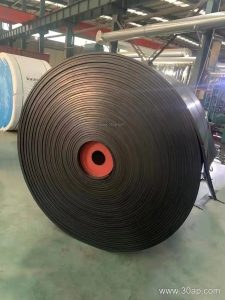
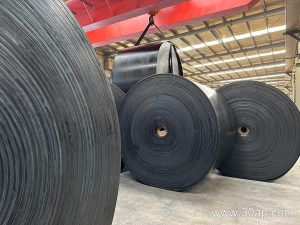
In a limestone quarry, Q355 brackets carry the troughing idlers on a primary crushing line that handles sharp rock. In a coal-fired power plant, the same bracket type supports idlers under a flame retardant conveyor belt on the coal yard feed. The bracket also appears in cement plants, steel plants, sand and gravel lines, and port loading systems. On long overland lines, a steel cord conveyor belt may run on heavy brackets, while shorter yard conveyors often use a fabric core conveyor belt with lighter frames.
Buyer Checklist Before Ordering
Start with the belt width, trough angle and roller diameter, then confirm the mounting hole pattern and the stringer connection. Ask for the steel grade and plate thickness, and check whether the bracket is fixed or adjustable. For dusty or wet sites, confirm the surface treatment. If the conveyor uses a corrugated sidewall conveyor belt or a pipe conveyor belt, the bracket layout may differ, so share the general arrangement drawing. A clear drawing review prevents mismatched holes and saves site time.
Maintenance Notes
Inspect brackets after the first weeks of running, since vibration can loosen bolts. Check for bent arms, cracked welds and worn roller seats. Replace a deformed bracket rather than forcing a new idler roller into it. Keeping the brackets aligned helps the belt run straight and reduces edge damage. For more conveyor components, see the conveyor bracket range, the idler roller page and the conveyor pulley section. A well-matched conveyor belt and bracket set keeps the whole line steady.