What a Coal Mine Conveyor Pulley Does
In a coal mine, the belt conveyor is the lifeline between the face, the drift, and the preparation plant. The coal mine conveyor pulley is the rotating drum that carries the belt, transfers torque, and keeps the run aligned. It is not a single part with a single job: a drive pulley pulls, a tail pulley returns, and a bend pulley changes direction. Each position asks for a different build, and none of these subtypes can simply stand in for another.
Because coal dust, fines, and occasional rock are part of daily operation, the pulley has to survive abrasive loading while staying true on its shaft. A well-matched conveyor pulley keeps the belt tracking and protects the splice, while a poorly specified drum shortens belt life and adds downtime.
Construction and Surface Options
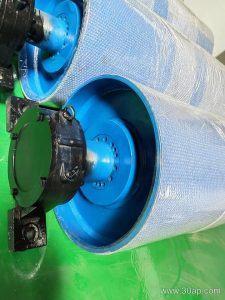
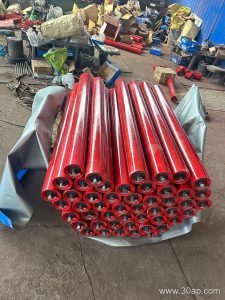
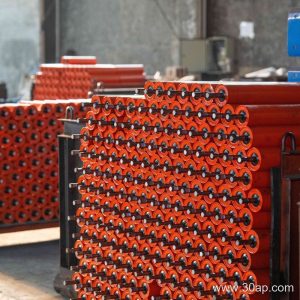
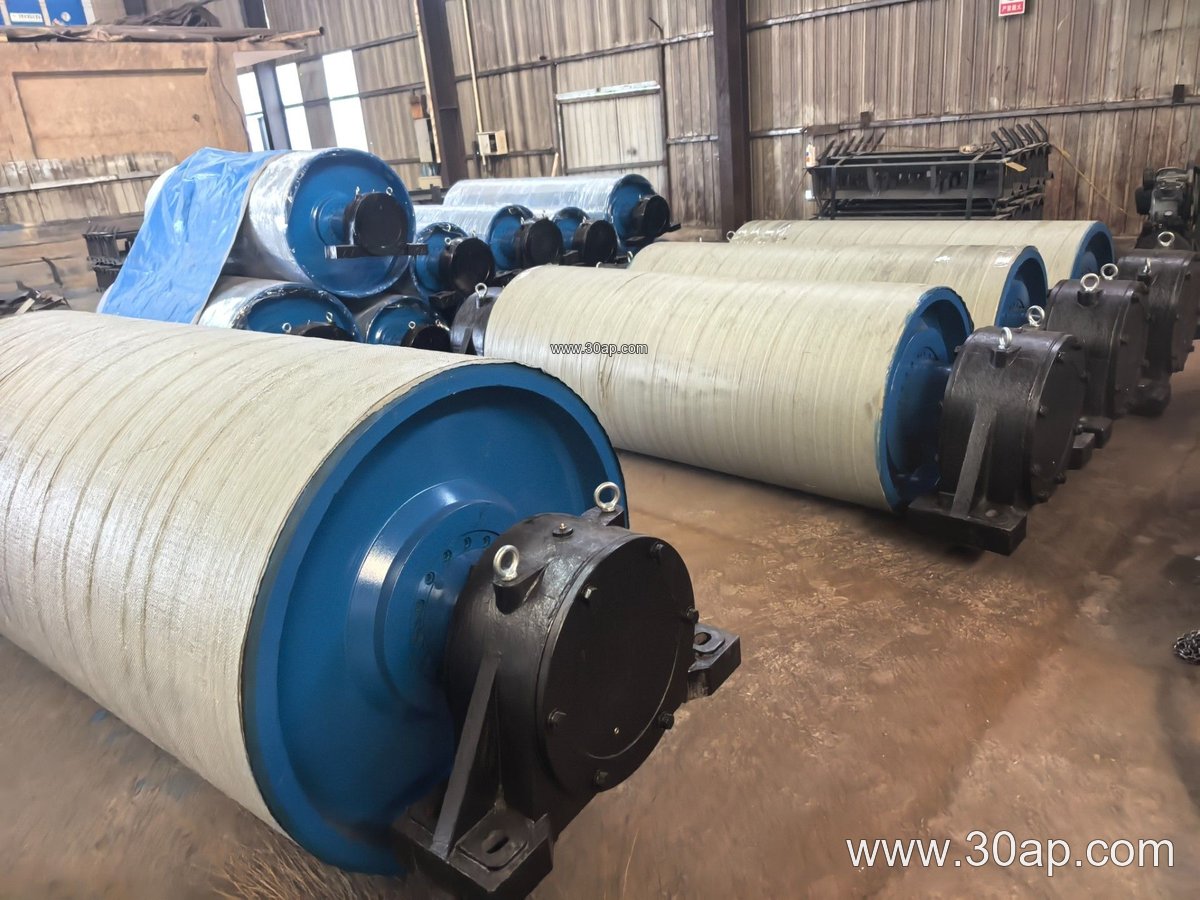
Most units are welded steel shells with a shaft, hubs, and end discs, machined for balance. The shell face can be plain, lagged with rubber, or covered with ceramic tiles for grip in wet or dusty conditions. Lagging thickness commonly ranges from 8 mm to 20 mm, with 10 mm and 12 mm often seen on medium-duty drums and 15 mm to 20 mm on heavy drives.
Surface pattern matters. Diamond lagging sheds water and fines; herringbone lagging helps center the belt on reversing drives; plain faces suit non-drive positions where friction is not the goal. For coal that may carry oil or heat, the lagging compound should be chosen with the same care as the flame retardant conveyor belt running over it.
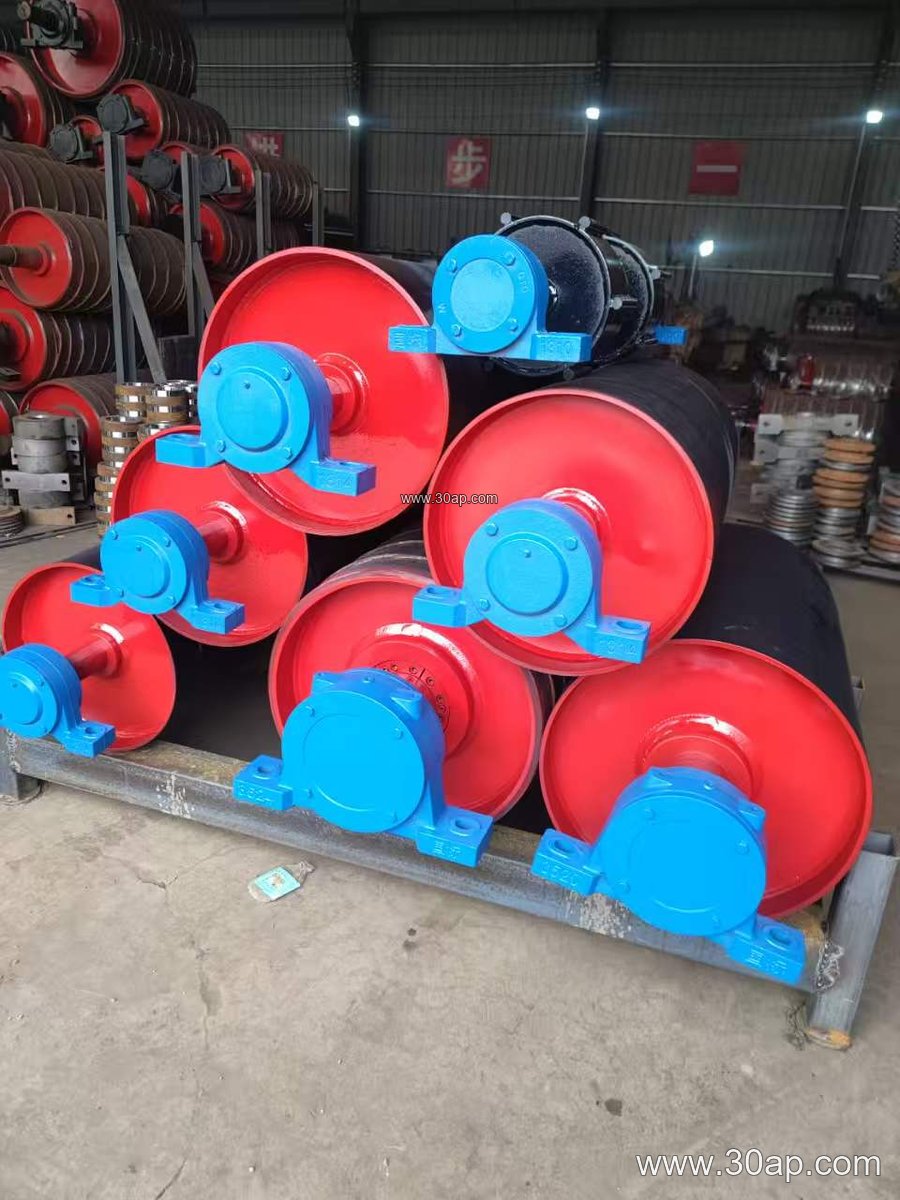
- Shell and shaft sized by torque and radial load, not by belt width alone
- Lagging fixed by cold bonding, hot vulcanizing, or cast-on rubber
- Bearing housings and conveyor bracket interfaces matched to the frame
- Balance and runout checked before installation
Sizes and Common Combinations
Diameters usually fall between Ø200 and Ø1800, and face width is normally a little wider than the belt so the edges are supported. The table below shows reference pairings seen in coal handling layouts; they are examples, not fixed rules, and final sizing follows the conveyor design.
| Belt width | Typical face width | Example pulley |
|---|---|---|
| B800 | about 950 mm | B800 x Ø500 tail pulley |
| B1000 | about 1150 mm | B1000 x Ø630 bend pulley |
| B1200 | about 1400 mm | B1200 x Ø1000 drive pulley |
| B1400 | about 1600 mm | B1400 x Ø800 take-up pulley |
| B1800 | about 2000 mm | B1800 x Ø1250 head pulley |
Shaft diameters such as Ø80, Ø100, Ø120, Ø160, and Ø200 are common, but the correct value comes from torque and bearing load calculations. A wide belt does not automatically dictate one shaft size, and one belt width can work with several drum diameters depending on wrap angle and belt tension.
Where It Sits in a Coal Mine
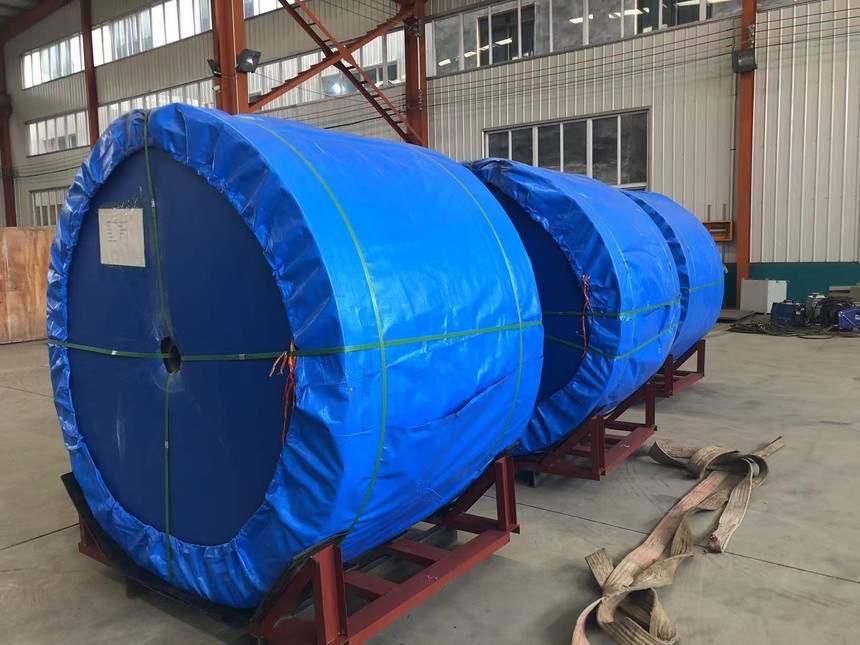
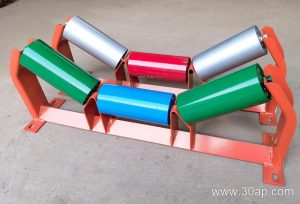
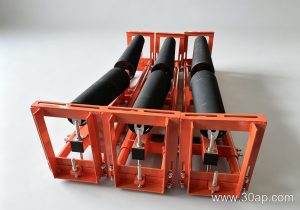
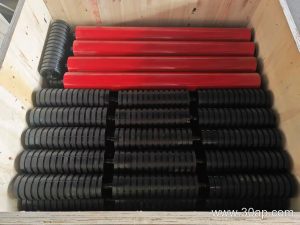
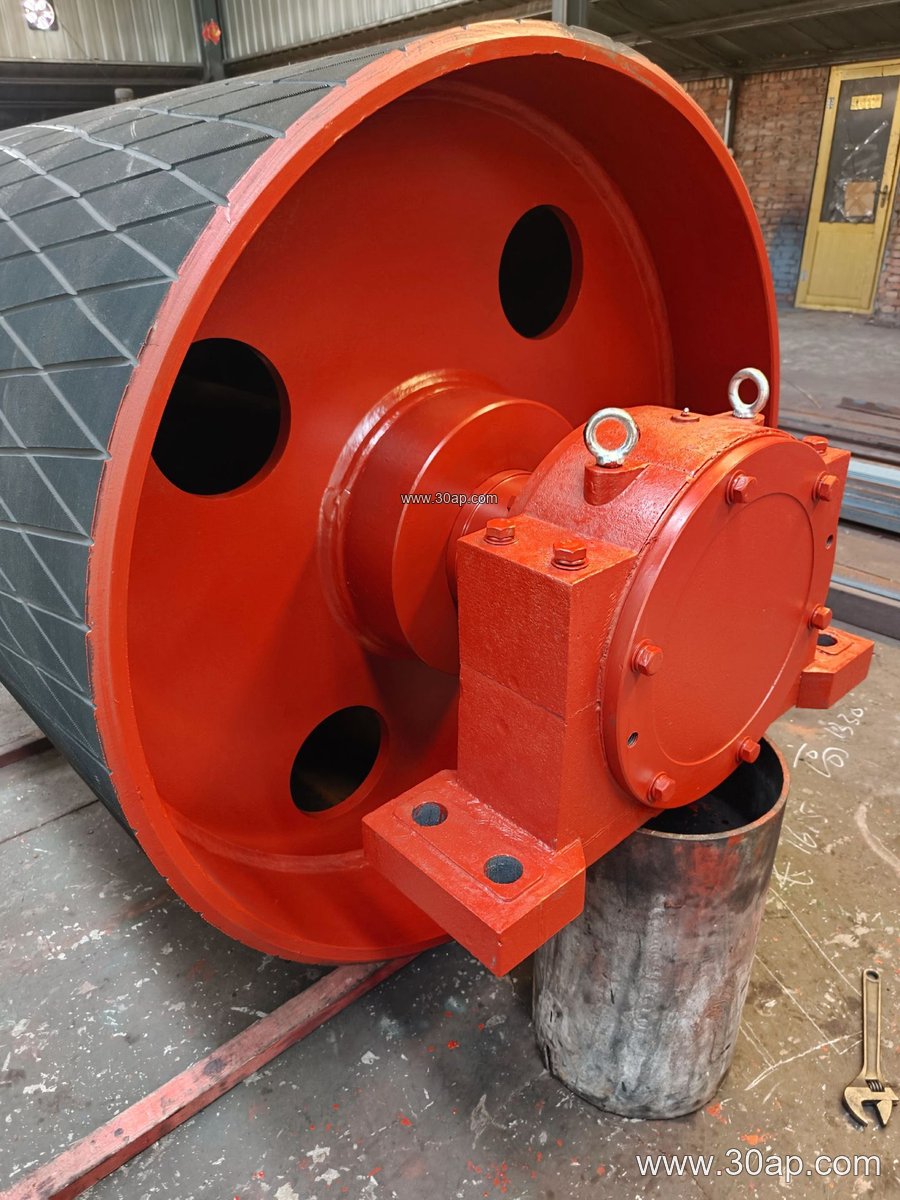
Underground, the drive pulley is often close to the transfer point, working with a coal mining conveyor belt that must resist tearing and static build-up. Surface installations at the preparation plant or the rail load-out may use larger head pulleys with heavy lagging to handle washed coal and slurry. In both cases the pulley pairs with troughing idler roller sets and a sturdy frame.
The tail pulley returns the belt and often carries a self-cleaning or wing design to shed fines. Bend and take-up pulleys manage tension and route the belt around structures, and their loads differ from the main drive, so they should be specified as their own subtype rather than copied from the head end.
Buyer Checklist Before Ordering
- Confirm the exact position: drive, tail, bend, take-up, or snub, since duties are not interchangeable.
- State belt width, belt type, and expected tension so the drum and shaft can be calculated together.
- Choose lagging pattern and thickness for the coal condition: wet, dusty, oily, or hot.
- Check bearing type, housing fit, and bracket dimensions against the existing frame.
- Ask for balance, runout, and lagging bond records rather than assuming a standard.
- Plan inspection intervals for lagging wear and shaft seal condition.
A coal mine conveyor pulley is a small part of the conveyor cost but a large part of its reliability. Matching the subtype, surface, and shaft to the real duty keeps coal moving from the face to the stockpile without unnecessary stops.