What Conveyor Pulley Lagging Does
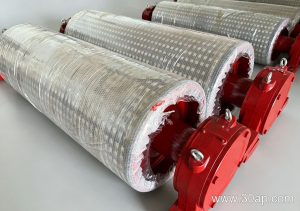
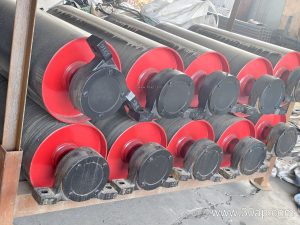
Conveyor pulley lagging is the rubber or ceramic layer bonded to the shell of a conveyor pulley to improve grip between the pulley and the conveyor belt. In a typical bulk handling line, the drive pulley must transmit torque without slipping, especially when the belt is wet, dusty, or carrying a heavy load. Lagging also protects the pulley shell from wear and can help center the belt when the surface is grooved. While the drive pulley is the most common application, lagging is also used on bend pulleys and tension pulleys where traction or wear protection matters. It is not a replacement for proper belt tensioning, but it is a key component in reliable conveyor operation.
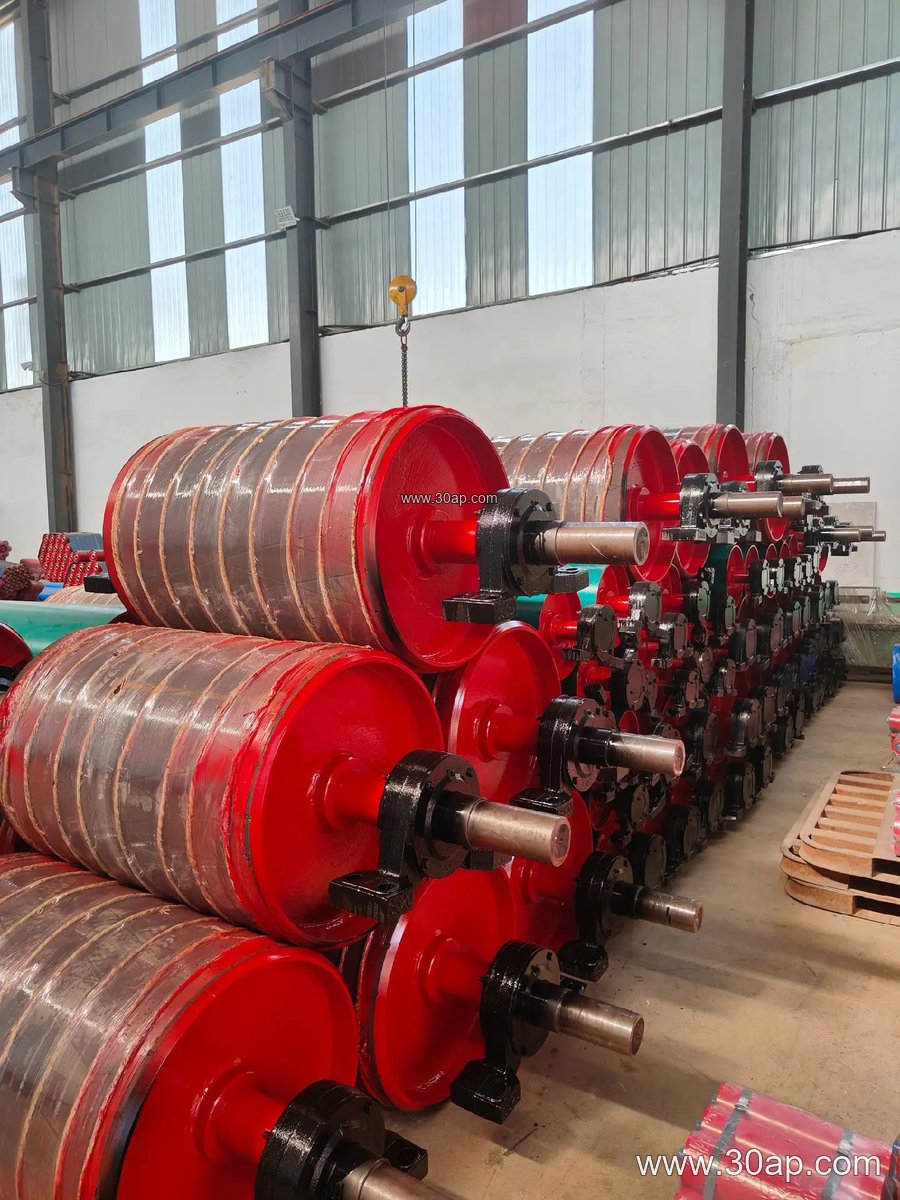
Construction and Surface Options
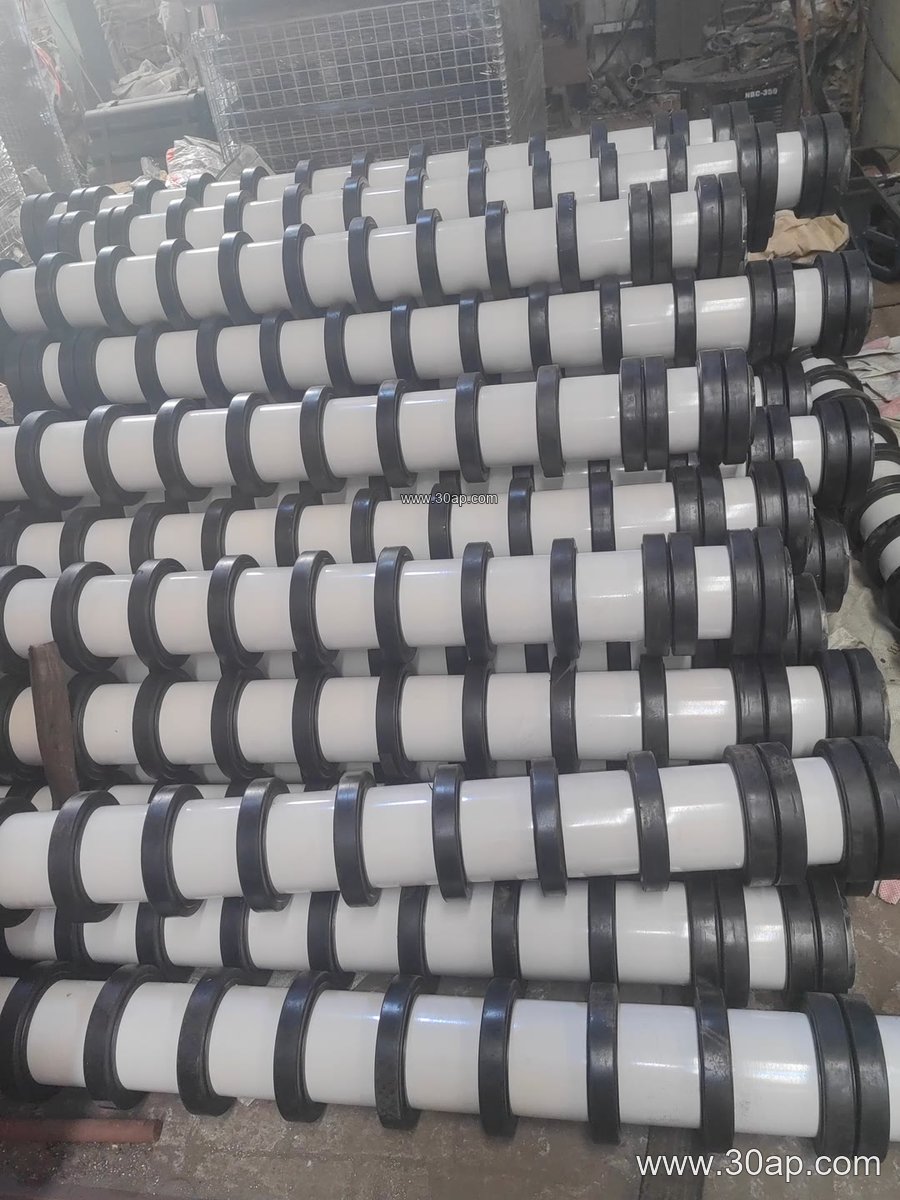
Lagging is usually applied in one of three ways: hot vulcanized rubber, cold bonded rubber, or bolt-on ceramic tiles. Hot vulcanized lagging offers a strong bond and is common in high-torque drive pulleys at mines and cement plants. Cold bonded rubber is easier to install on site and suits maintenance workshops. Ceramic lagging provides excellent abrasion resistance in wet or muddy conditions, such as wash plants and port bulk terminals. Surface patterns include plain, diamond, herringbone, and ceramic studs. Thickness typically ranges from 8 mm to 20 mm, with 10 mm and 15 mm being common choices. The right thickness depends on pulley diameter, belt tension, and the abrasive nature of the material.
Where It Is Used
You will find conveyor pulley lagging in quarry and aggregate lines, coal preparation plants, iron ore and copper ore concentrators, power plant coal handling, and ship loading facilities. In a sand and gravel plant, lagging on the drive pulley helps maintain grip when belts carry damp material. In a cement plant, hot clinker and limestone dust can polish a bare pulley, so lagging with a diamond pattern is often specified. Underground coal mining conveyors may require flame retardant lagging to match the fire safety requirements of the belt, such as a flame retardant conveyor belt or PVG conveyor belt. The lagging should be compatible with the conveyor belt surface and the environmental conditions.
Matching Lagging to Pulley and Belt
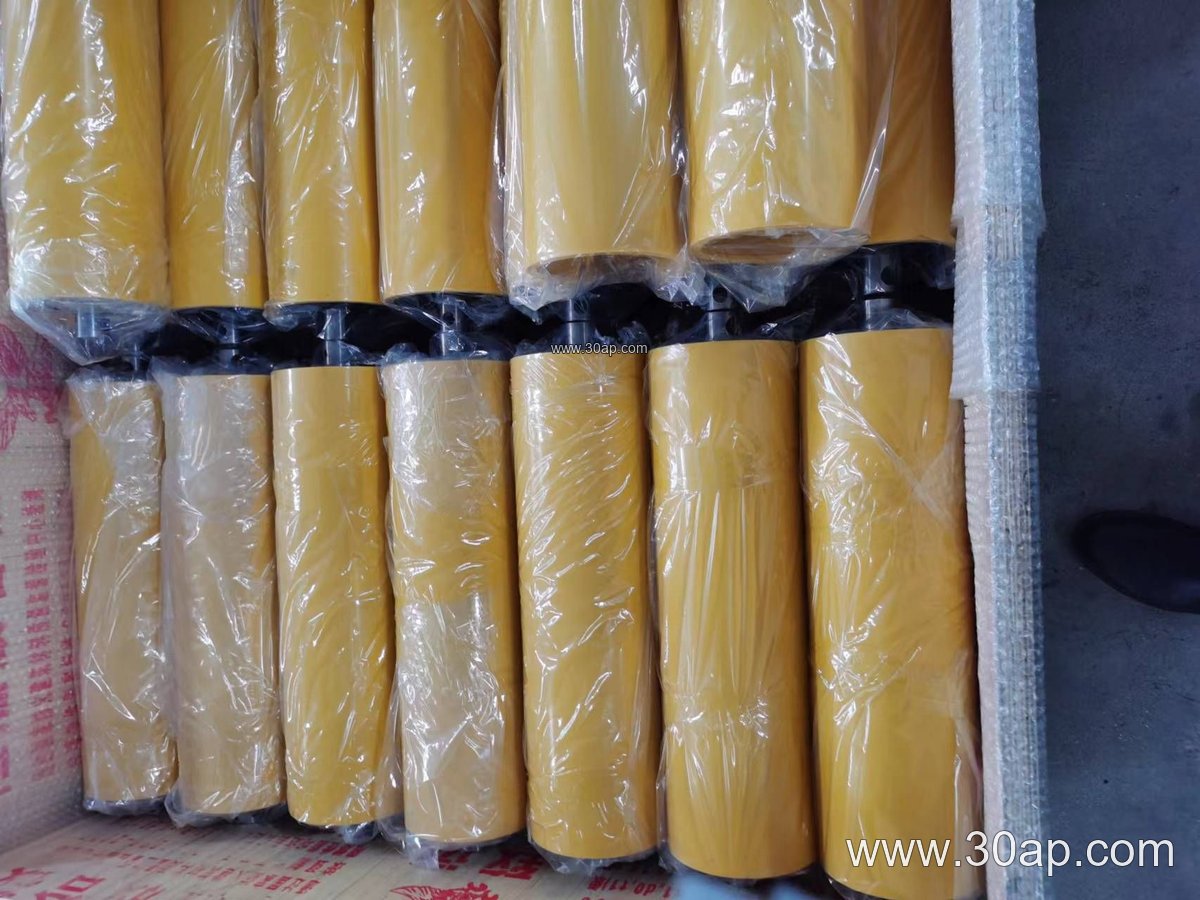
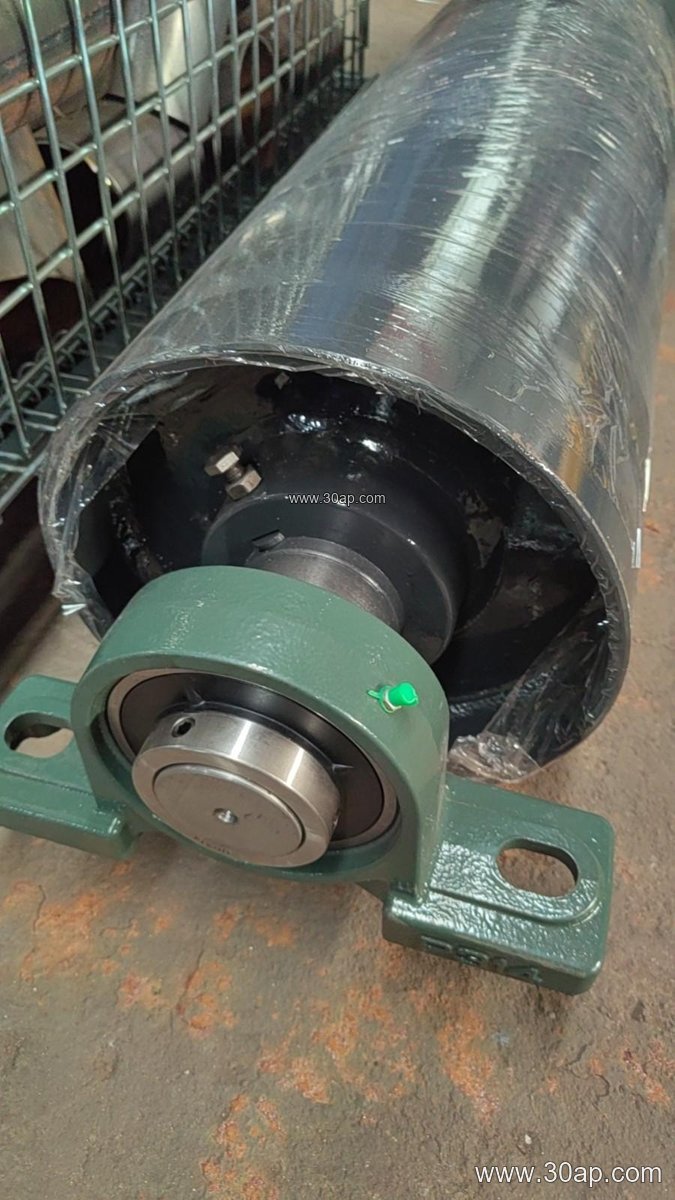
Lagging selection starts with the pulley type and duty. A drive pulley with a high wrap angle and heavy starting torque needs a thicker, high-friction lagging. A bend pulley or snub pulley may use thinner plain rubber simply to protect the shell. Belt width and pulley diameter are related but not fixed: a B800 conveyor belt might run on a Ø500 pulley in one plant and a Ø630 pulley in another, depending on belt tension and space. Common pulley diameters include Ø200, Ø315, Ø500, Ø630, Ø800, and Ø1000. Shaft diameter is determined by torque and load, not by belt width alone. For reference, a B1200 belt may use a pulley with a 1400 mm face width, while a B1400 belt may use a 1600 mm face width. Always confirm the actual pulley drawing before ordering lagging.
Buyer Checklist
- Confirm the pulley type: drive, tail, bend, or tension. Lagging requirements differ.
- Check the belt construction: steel cord conveyor belt, EP conveyor belt, or multi-ply fabric core. High-tension belts may need higher-friction lagging.
- Measure the pulley shell diameter and face width. Note any existing lagging thickness.
- Specify the surface pattern and thickness. Diamond or herringbone for general grip, ceramic for severe abrasion.
- Consider environment: heat resistant conveyor belt lines may need lagging that withstands elevated temperatures; oil resistant conveyor belt lines need oil-resistant rubber.
- Ask for the bonding method and curing requirements. Hot vulcanized lagging often needs workshop equipment.
For plants handling abrasive rock or ore, a high abrasion resistant conveyor belt paired with quality lagging reduces slip and extends pulley life. In coal mining, flame retardant conveyor belt and fire resistant conveyor belt standards may influence lagging material selection. Whether you operate a quarry conveyor belt line or a port conveyor belt system, matching lagging to the actual duty protects both the pulley and the belt.