What a Self-Aligning Idler Bracket Does
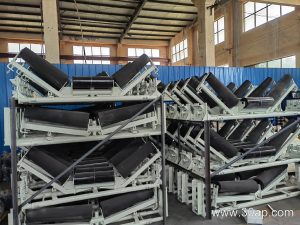
A self-aligning idler bracket is a mounting component that holds conveyor idler rollers and allows them to pivot slightly, helping the conveyor belt stay centered on the conveyor structure. Unlike fixed brackets that lock the idler in one position, this bracket responds to belt misalignment by turning the idler slightly, which encourages the belt to return to its proper path. It is commonly used on the carrying side of a conveyor, especially in sections where belt drift is a recurring issue.
In industries such as mining, coal preparation, cement plants, and aggregate crushing lines, keeping the belt aligned reduces edge damage and spillage. The self-aligning idler bracket works together with the idler roller and the conveyor bracket system to maintain smooth operation without constant manual adjustment.
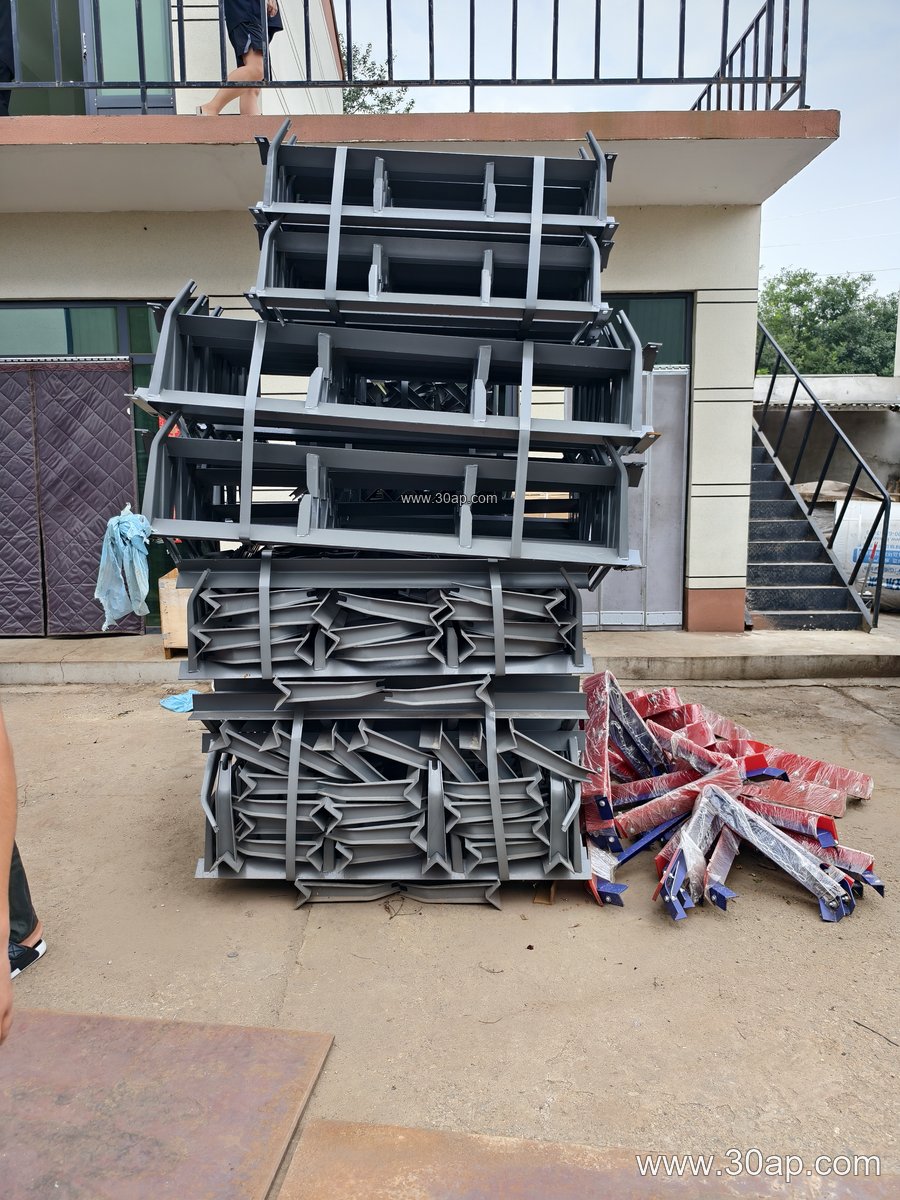
Construction and Key Features
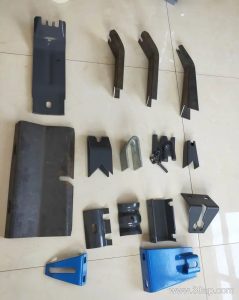
Most self-aligning idler brackets are fabricated from angle steel, channel steel, or bent steel plate. The pivot mechanism is the defining feature: a vertical shaft or hinge allows the bracket to rotate a few degrees when the belt pushes against the idler. Some designs include a return arm or linkage that amplifies the corrective movement.
Common configurations include:
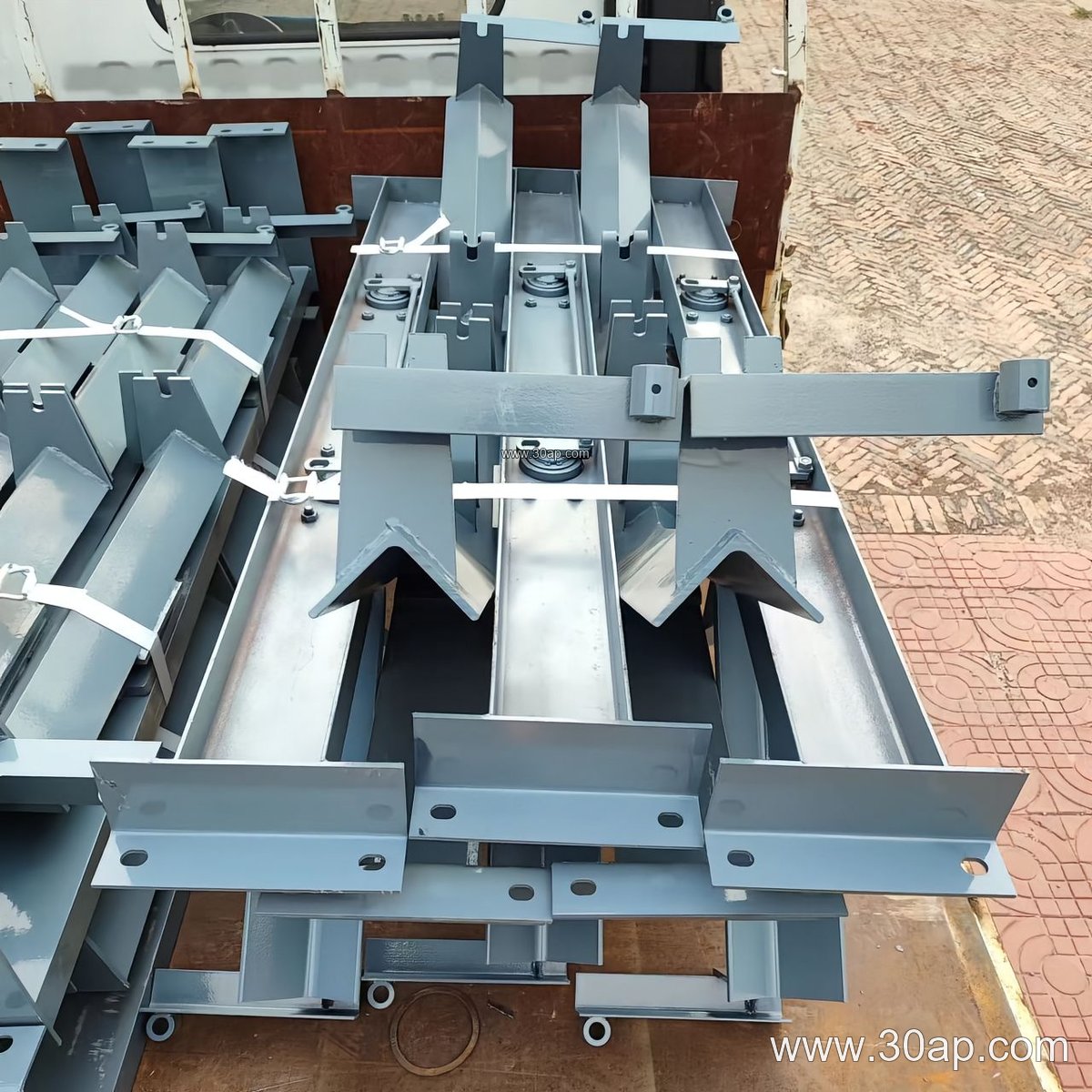
- Pivoting base plate with a central pin
- Adjustable stop bolts to limit rotation
- Mounting holes that match standard idler frame spacing
- Corrosion-resistant finish for dusty or wet environments
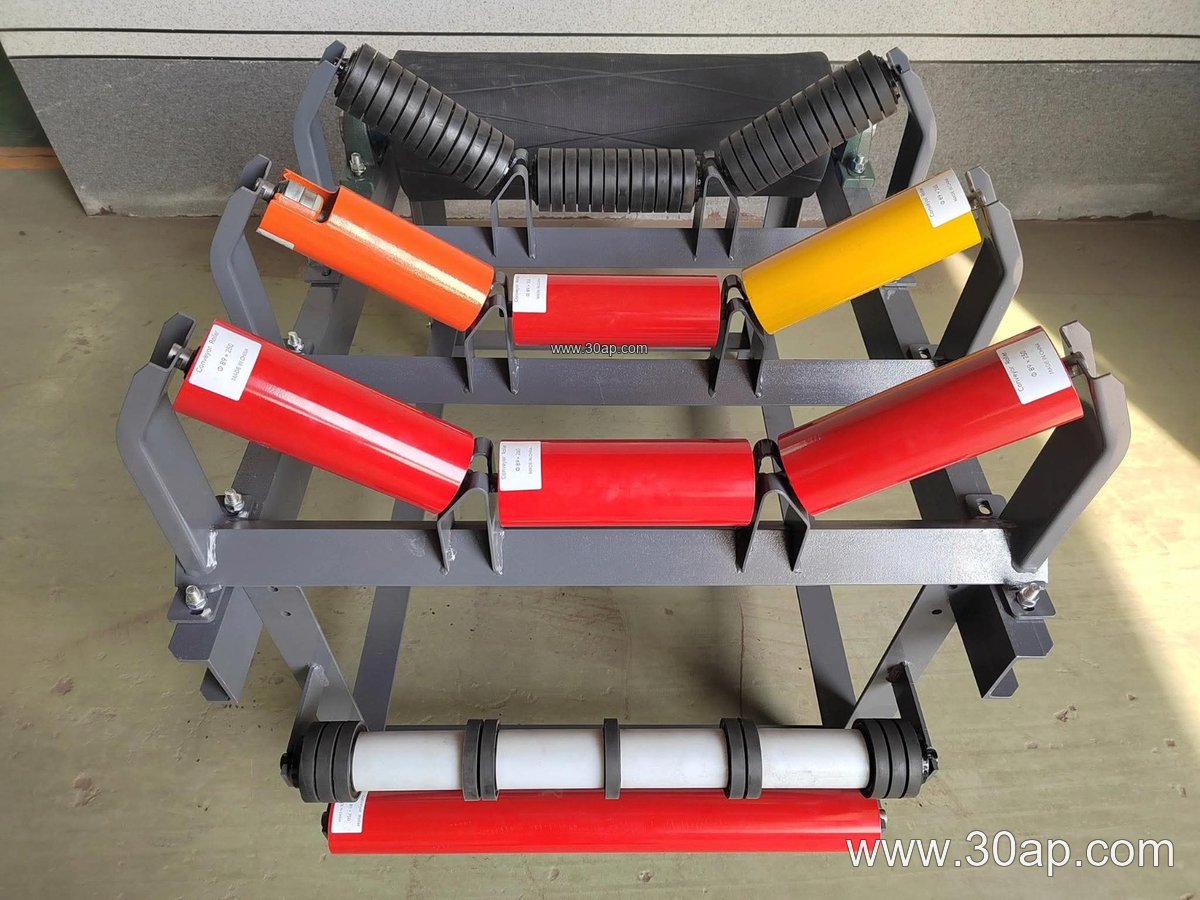
The bracket is usually paired with a standard troughing idler or a training idler. The trough angle may be fixed at 20°, 30°, 35°, or 45°, depending on the conveyor design. For self-aligning models, the pivot action is independent of the trough angle, so the bracket can be used with different idler configurations as long as the mounting dimensions match.
Where It Is Used
Self-aligning idler brackets are found in a wide range of bulk material handling systems. In a quarry or sand and gravel plant, they help keep the belt centered after a crusher discharge point where material loading can be uneven. In a coal washing plant or power plant coal yard, they reduce belt wander on long runs exposed to wind and variable load. Cement plants use them on clinker and limestone conveyors, while iron ore and copper ore operations rely on them to protect expensive conveyor belt edges from abrasion.
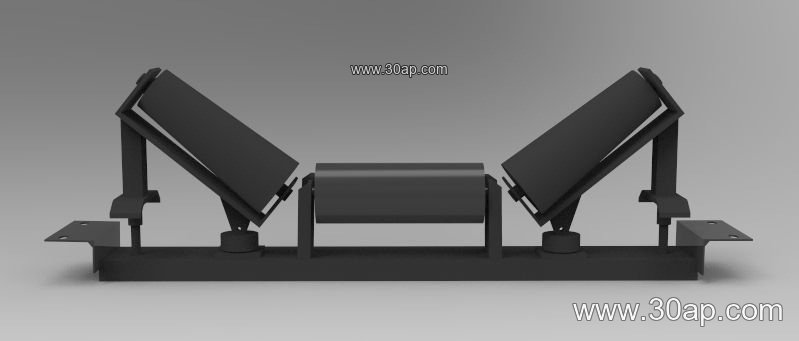
They are also useful in tunnel excavation, fertilizer handling, and grain silo systems where space is limited and belt tracking is critical. The bracket is typically installed on the carrying side, but some designs are adapted for return side applications with V-return idlers.
Selection and Sizing Notes
Choosing the right self-aligning idler bracket depends on belt width, idler diameter, and the existing conveyor bracket interface. Common belt widths include B500, B650, B800, B1000, B1200, B1400, B1600, B1800, B2000, B2200, and B2400. Idler roller diameters often range from Ø89 to Ø194. The bracket must match the mounting hole spacing and crossbeam length of the conveyor frame, which vary with belt width and trough angle.
Below is a reference table of typical combinations; these are examples, not fixed rules:
| Belt Width | Trough Angle | Idler Diameter | Typical Application |
|---|---|---|---|
| B650 | 30° | Ø89 | Small aggregate conveyor |
| B800 | 35° | Ø108 | Sand and gravel line |
| B1000 | 35° | Ø133 | Cement plant raw material |
| B1200 | 45° | Ø133 | Coal washing plant |
| B1400 | 45° | Ø159 | Iron ore handling |
| B1600 | 35° | Ø159 | Power plant coal yard |
When selecting, consider the belt type as well. A heavy-duty EP conveyor belt or a steel cord conveyor belt may require a more robust bracket with thicker pivot pins. For high-abrasion applications, such as copper ore or quarry rock, an abrasion resistant conveyor belt paired with a well-aligned idler reduces wear on both components. Flame retardant and anti-static belts are common in underground coal mining, where self-aligning brackets help maintain tracking in confined spaces.
Buyer Checklist
- Confirm belt width and idler diameter to ensure the bracket fits the frame.
- Check the mounting hole pattern and crossbeam length; these are not universal.
- Decide between fixed and adjustable trough angles; self-aligning brackets often work with either.
- Verify the pivot range and stop bolt adjustment for your belt speed and load.
- Match the bracket material and finish to the environment (dust, moisture, corrosive material).
- Consider the belt type: fabric core, steel cord, chevron, or corrugated sidewall belts may need specific idler clearance.
Regular inspection of the pivot points and stop bolts keeps the self-aligning idler bracket functioning correctly. Lubrication requirements vary by design; sealed pivots need less attention than open hinges. Replacing worn idler rollers promptly also prevents unnecessary load on the bracket and helps maintain belt tracking.