What a Crusher Conveyor Belt Does
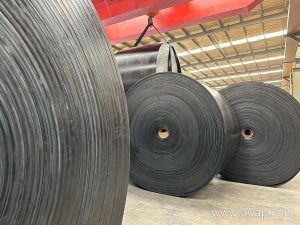
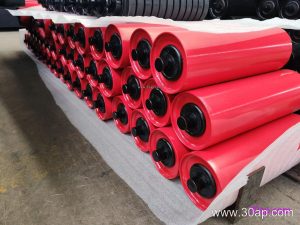
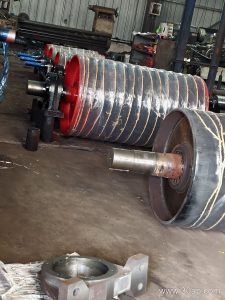
A crusher conveyor belt is the heavy-duty belt that carries crushed rock, ore, aggregate, or coal away from a primary or secondary crusher and feeds it to screens, stockpiles, or the next stage of processing. Because it works directly behind the crusher, this belt often receives sharp, hot, and fast-moving material with a wide size distribution. In mining, quarrying, cement plants, power stations, and sand and gravel yards, the crusher conveyor belt is the first link in the bulk material chain after size reduction. A well-matched belt protects the whole conveyor system, including the conveyor pulley, idler roller, and conveyor bracket, from unnecessary wear and misalignment.
Construction and Common Constructions
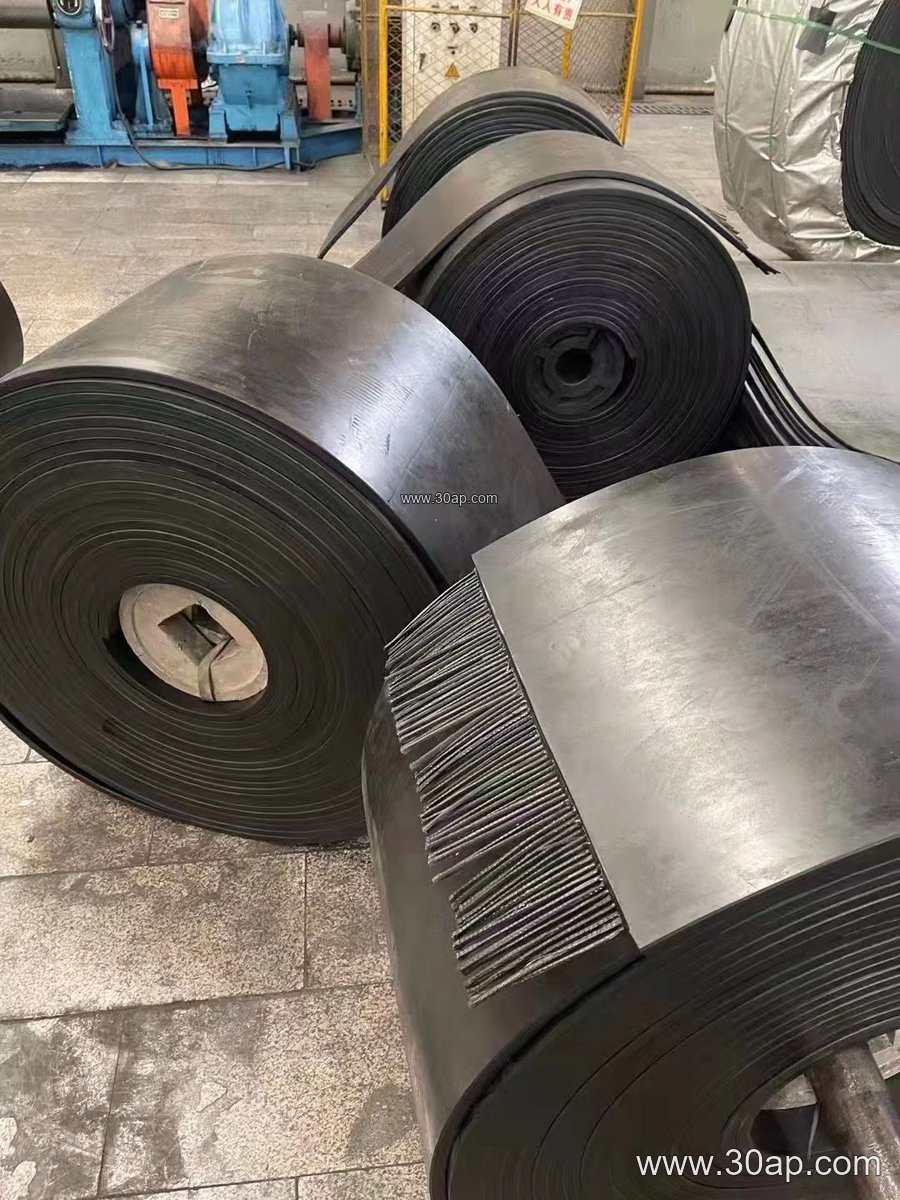
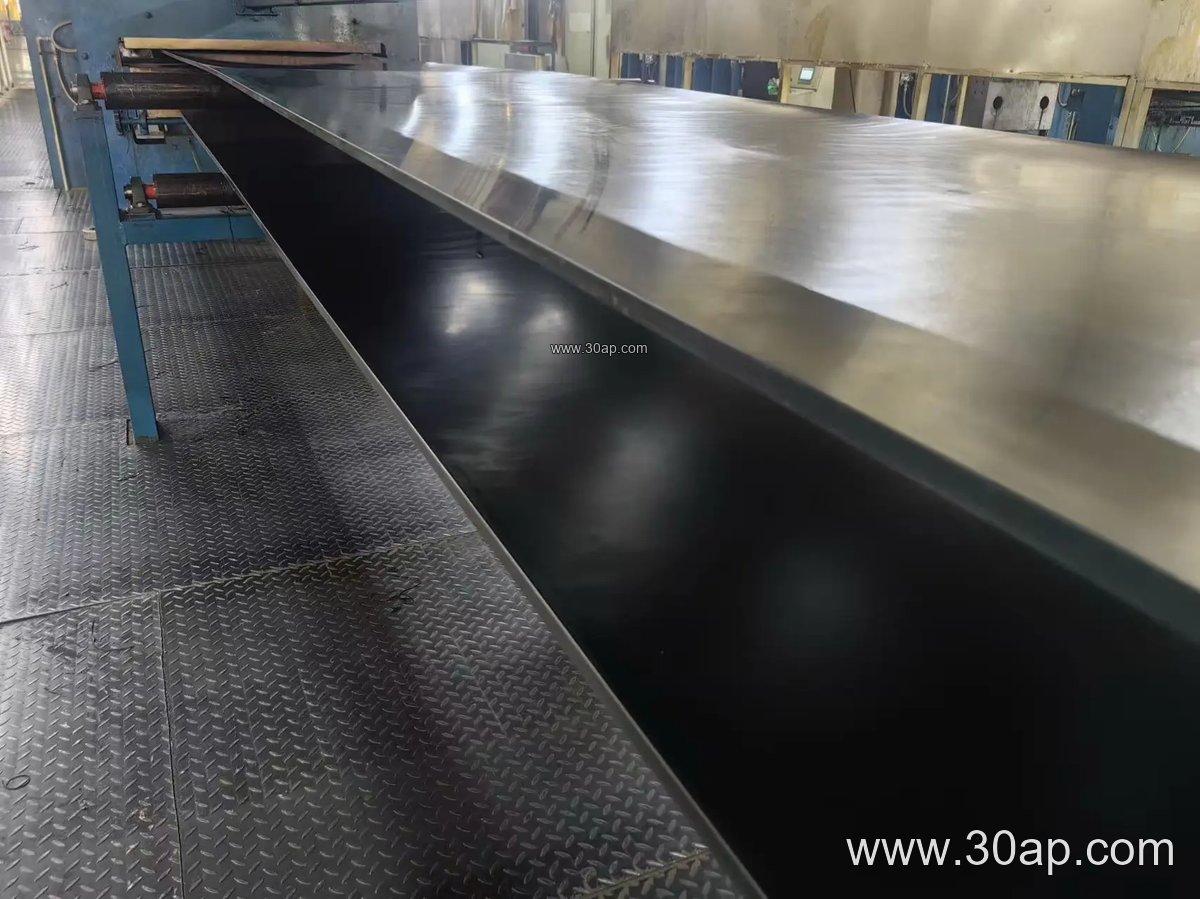
Most crusher belts are fabric-core or steel-cord constructions. The carcass provides tensile strength, while the rubber covers resist abrasion, impact, and sometimes heat or oil. For a primary crusher discharge, an abrasion resistant conveyor belt with a thick top cover is common. Where material is hot, a heat resistant conveyor belt may be specified. In coal preparation and underground operations, flame retardant conveyor belt grades are often required by site rules. The table below shows representative constructions; actual values are set by the conveyor design and supplier, not by a fixed rule.
| Construction | Typical strength grades | Common belt widths | Cover thickness examples |
|---|---|---|---|
| EP fabric core | EP200, EP400, EP630, EP800, EP1000 | B650, B800, B1000, B1200 | 4+2 mm, 5+2 mm, 6+2 mm |
| NN fabric core | NN200, NN300, NN400 | B500, B650, B800, B1000 | 3+1.5 mm, 4+2 mm |
| Steel cord | ST1000, ST1250, ST1600, ST2000 | B1000, B1200, B1400, B1600 | 6+3 mm, 8+3 mm |
| PVG mining grade | PVG800, PVG800S | B800, B1000, B1200 | Per site requirement |
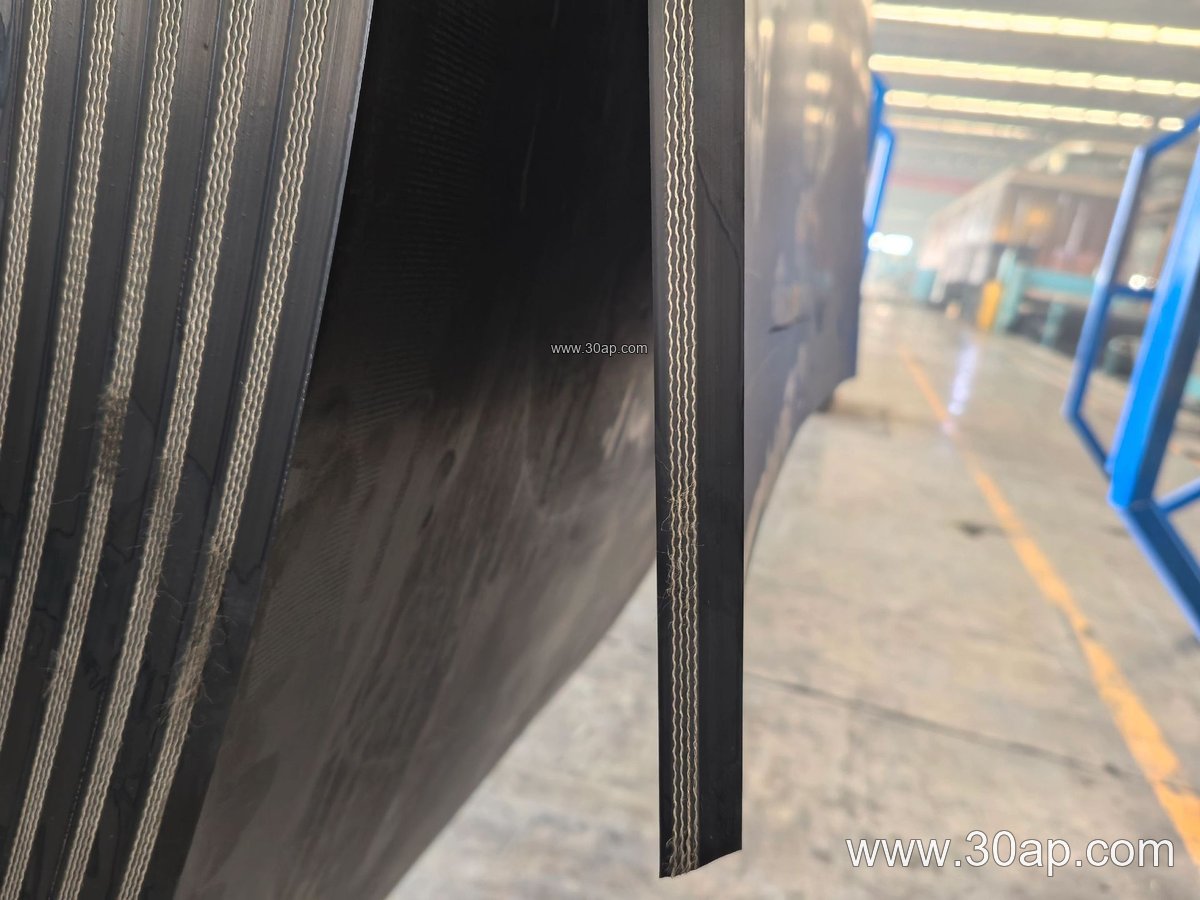
Fabric-core belts are usually built with 2 to 6 plies. A multi-ply fabric core conveyor belt spreads impact loads across several layers, which suits lumpy crusher discharge. Steel cord conveyor belt offers high strength for long runs and high tonnage, while EP conveyor belt remains a popular balance of strength, flexibility, and cost.
Where Crusher Belts Are Used
The same belt type appears across many industries. In a quarry or stone crushing plant, a quarry conveyor belt moves blasted rock from the crusher to the screening deck. In a coal mine, a coal mining conveyor belt handles sized coal and refuse. Cement plants use cement conveyor belt sections between crushers and raw mills. Power plants rely on a power plant conveyor belt to move coal or limestone. Port terminals use a ship loading conveyor belt for fast transfer. Other common service conditions include:
- Iron ore and copper ore lines, where an ore conveyor belt must resist cutting and abrasion.
- Gold mining operations with wet, sticky feed.
- Aggregate and sand making plants with high fines content.
- Recycling and construction waste lines where foreign objects are possible.
For steep inclines, a chevron conveyor belt or corrugated sidewall conveyor belt can prevent material rollback. A skirted conveyor belt helps contain dust and spillage at transfer points. In confined tunnels, a pipe conveyor belt may be chosen for dust control, but this is a different belt type and should be evaluated on its own merits.
Selection Points for Buyers
Start with the duty: lump size, drop height, throughput, and material temperature. A crusher discharge with large lumps needs impact resistance and adequate cover thickness. The belt width should match the conveyor frame and pulley face, but one belt width does not dictate a single pulley diameter. Shaft size and pulley diameter come from the conveyor design, not from belt width alone. Ask for the belt grade, number of plies or cord construction, cover thickness, and splice method. For hot clinker or sinter, confirm a high temperature conveyor belt rating. For oily scrap or recycled material, check an oil resistant conveyor belt. For cold climates, a cold resistant conveyor belt avoids cracking at start-up.
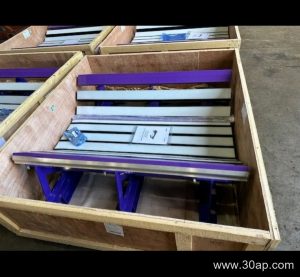
Also review the support components. Worn idler rollers cause edge damage, and a misaligned conveyor pulley can shorten belt life. Use the correct conveyor bracket to keep the frame square. Keep the belt tracking straight and maintain skirt rubber so material does not become trapped. Store spare belt rolls flat and protected from sunlight and ozone.
Maintenance and Longevity
Inspect the crusher conveyor belt at every shift for cuts, gouges, and exposed carcass. Check the splice regularly, since crusher discharge is hard on mechanical fasteners. Clean return rollers and remove buildup that can misalign the belt. Verify that the tail and bend pulleys turn freely, and confirm that the drive pulley lagging is not worn smooth. Record cover wear so replacement is planned before the carcass is damaged. A belt that is correctly specified for abrasion, impact, and temperature will usually deliver the lowest cost per ton in mining, quarry, cement, and power plant service.