What a Main Drive Pulley Does
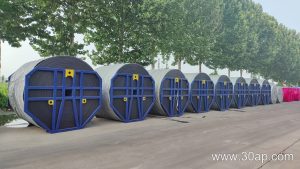
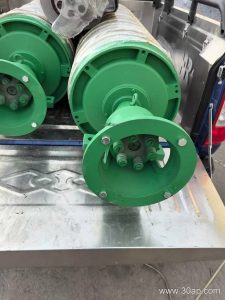
The main drive pulley is the powered drum at the head of a conveyor that transfers torque to the belt and keeps the entire system moving. In a quarry, a cement plant, or a coal handling system, this head pulley is the component that pulls the loaded belt and discharges material onto the next stage. It is not a tail pulley or a bend pulley; those serve different roles in belt tracking and tensioning. The drive pulley is the one connected to the gearbox or motor, and its design directly affects starting, stopping, and steady-state performance.
Construction and Surface Options
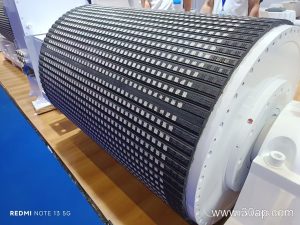
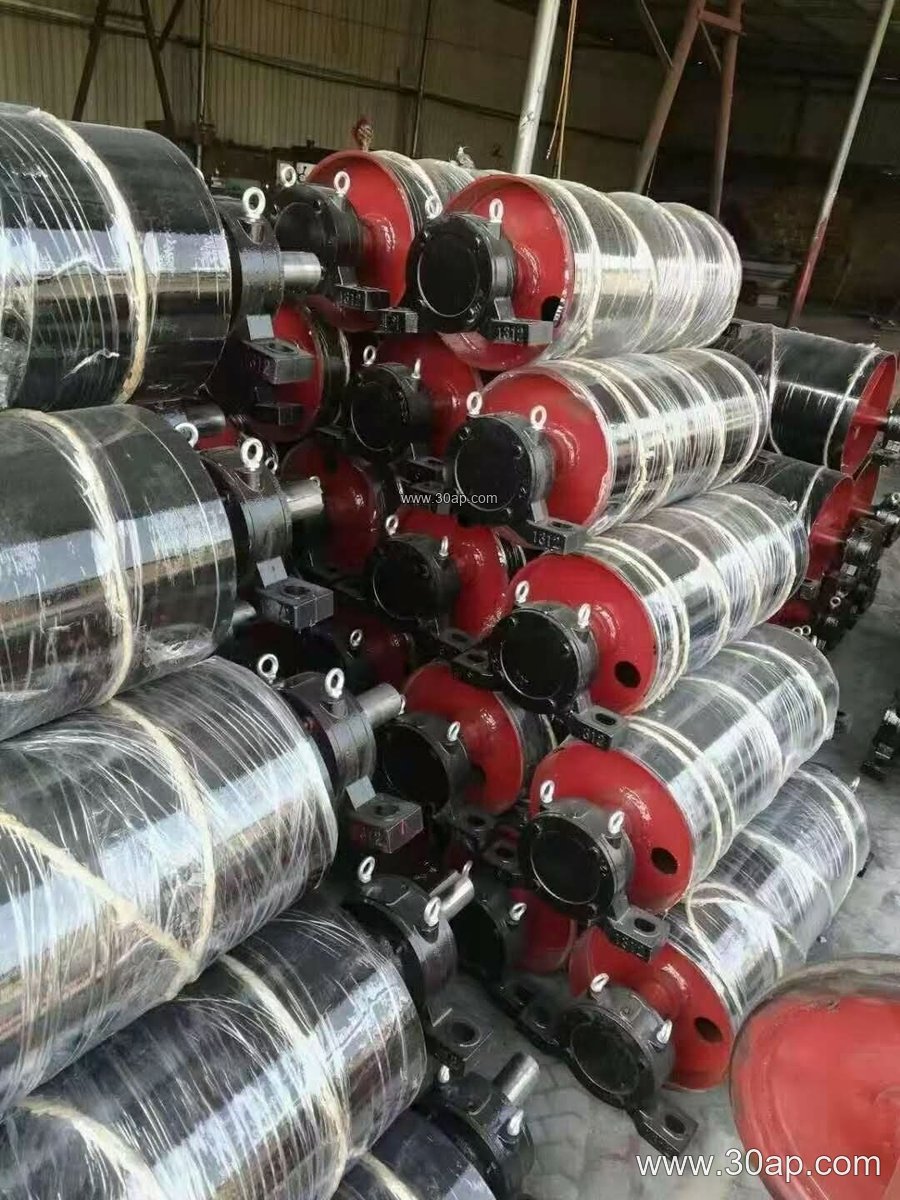
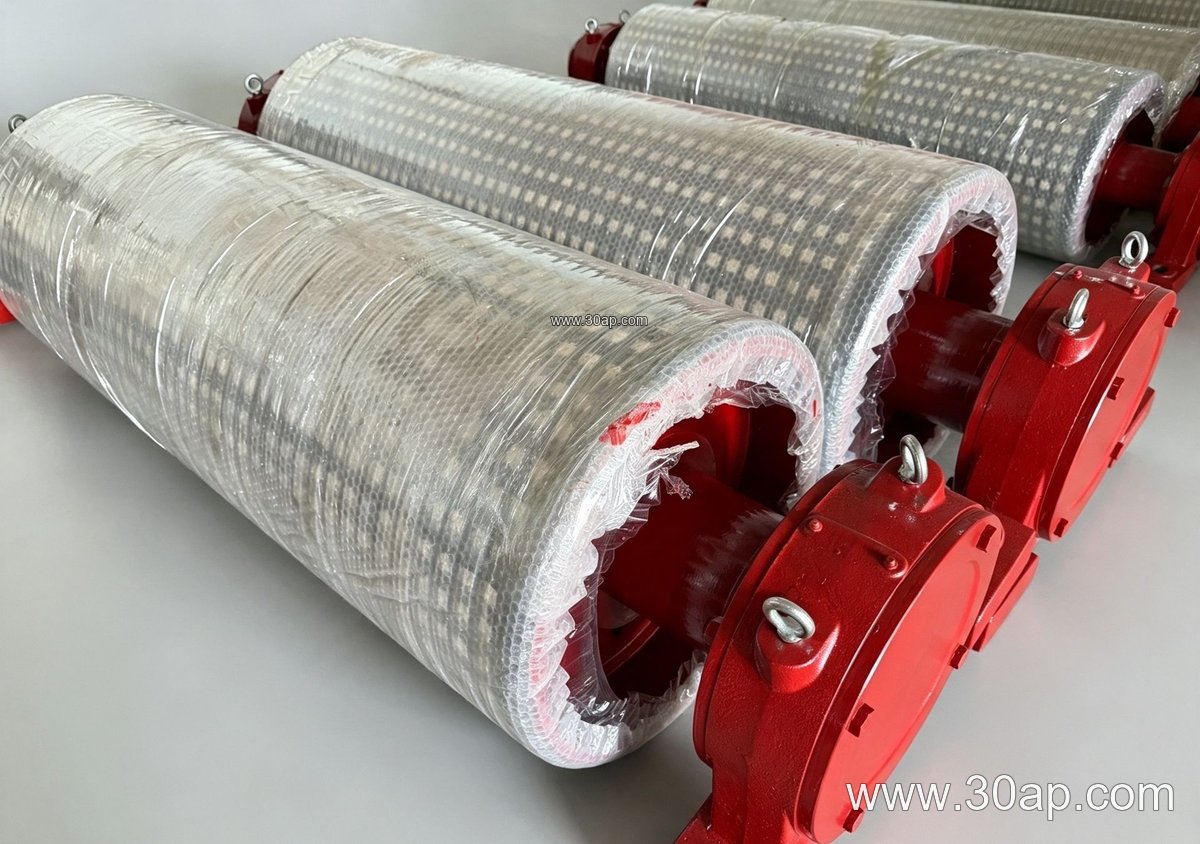
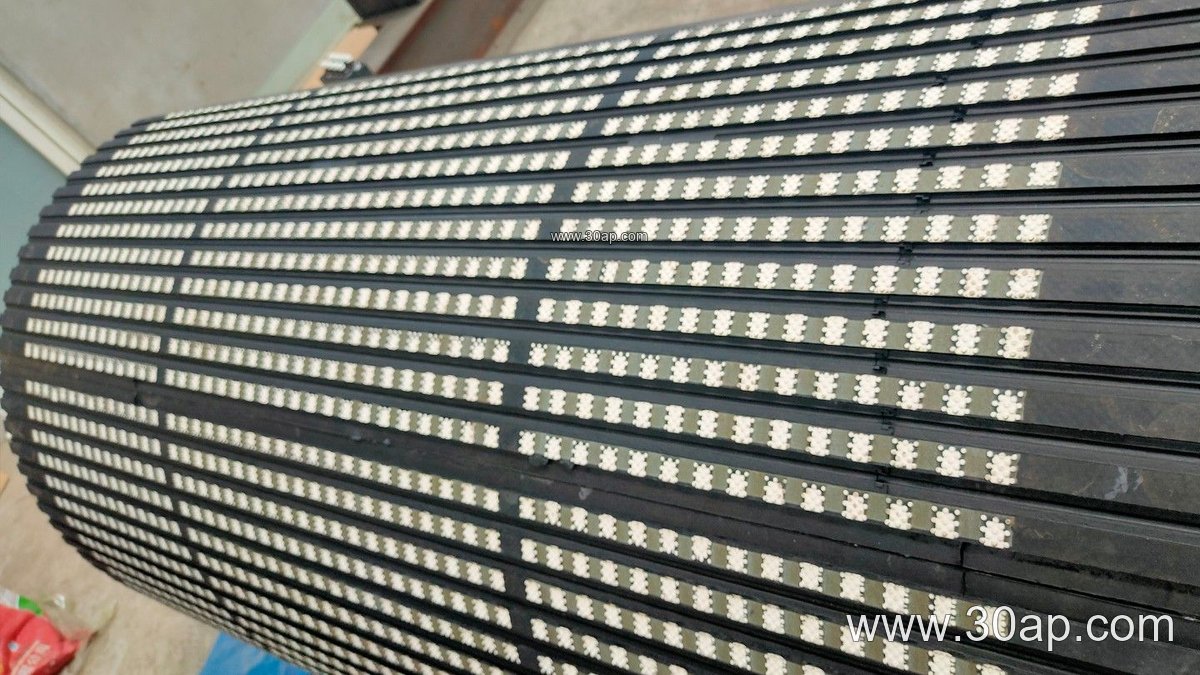
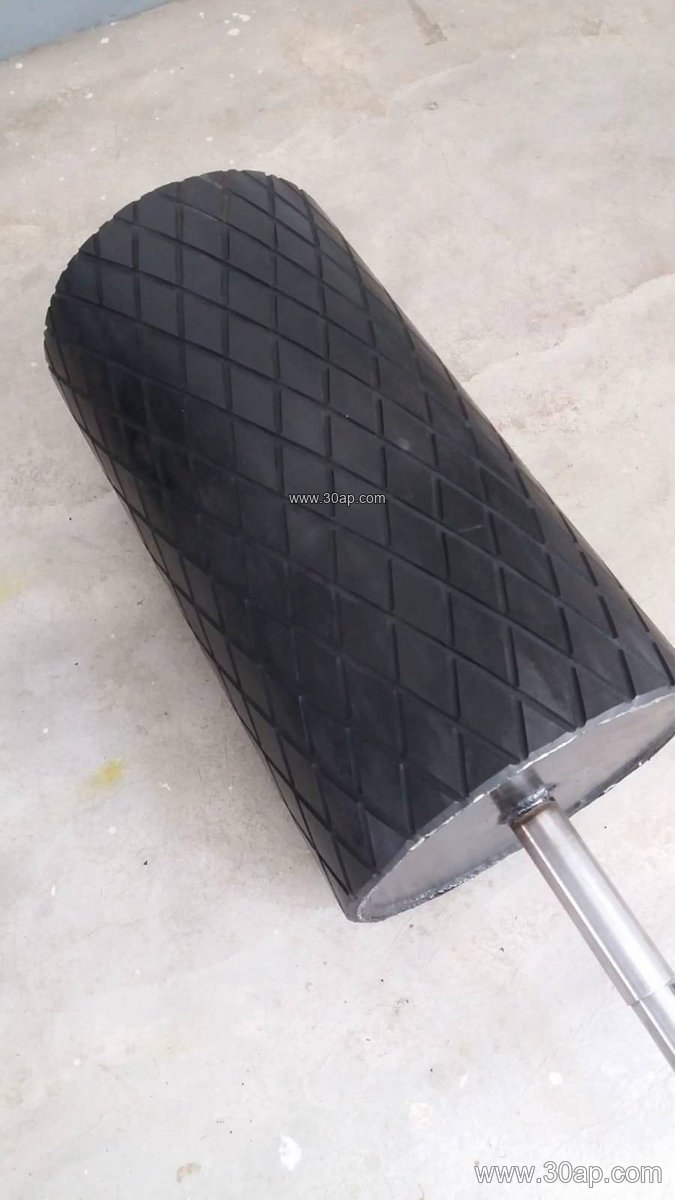
A typical main drive pulley is built from a steel shell, end discs, and a shaft sized by torque and load rather than belt width alone. The shell may be plain or covered with rubber, ceramic, or other lagging to improve grip. Common surface forms include smooth, diamond grooved, herringbone, and ceramic lagging. Lagging thickness often falls in the 8–20 mm range, depending on the duty. The pulley face width usually exceeds the belt width by about 100–200 mm on each side to allow for belt tracking. For example, a B800 belt may run on a pulley with a face width around 950 mm. Shaft diameters commonly range from Ø50 to Ø200, but the final size is determined by the conveyor designer based on the actual torque and radial loads.
Where It Is Used
You will find the main drive pulley at the discharge end of conveyors in industries such as mining, cement, power generation, and port bulk handling. In a coal preparation plant, it works with a flame retardant conveyor belt to move raw coal. In an iron ore terminal, a heavy-duty drive pulley may be paired with a steel cord conveyor belt to handle high tensions. The pulley also interacts with idler rollers, conveyor brackets, and the belt itself, so alignment and lagging condition matter for the whole line. In smaller operations, such as a sand and gravel plant, a B650 or B800 drive pulley with a Ø500 or Ø630 shell is common, while larger systems may use B1400 or B1600 belts with Ø800 or Ø1000 pulleys.
Key Parameters for Buyers
When specifying a main drive pulley, buyers should provide the belt width, the required diameter, the shaft size, the lagging type, and the bearing arrangement. The table below lists common reference values; these are not universal fixed combinations, and final dimensions should be confirmed with the conveyor design.
| Parameter | Common Reference Range |
|---|---|
| Belt width (B) | B400 to B2400 |
| Pulley diameter (Ø) | Ø200 to Ø1800 |
| Face width | Belt width + 100 to 200 mm per side (e.g., B800 ≈ 950 mm) |
| Shaft diameter | Ø50 to Ø200, by torque and load |
| Lagging thickness | 8, 10, 12, 15, 20 mm |
| Surface form | Plain, rubber lagging, diamond, herringbone, ceramic |
Belt width and pulley diameter are not locked in a one-to-one relationship. A B1200 belt might run on a Ø1000 drive pulley in one plant and a Ø800 in another, depending on belt speed, material load, and start-up conditions. Similarly, shaft diameter is never chosen from belt width alone. The buyer should also state the environmental conditions—dust, moisture, temperature—because these influence lagging selection and bearing protection. For example, an abrasion resistant conveyor belt in a stone crushing line may require a ceramic lagging on the drive pulley to maintain grip without excessive wear.
Maintenance and Compatibility
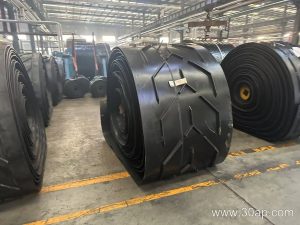
Regular inspection of the main drive pulley focuses on lagging wear, shell condition, and bearing play. A worn lagging can cause belt slip, especially in wet or dusty conditions found in wash plants and underground mining operations. When replacing lagging, the pulley diameter may change slightly, so the belt take-up and tensioning system should be checked. The drive pulley must also match the belt type: a pipe conveyor belt or a corrugated sidewall conveyor belt may need a different pulley face to accommodate its profile. In food or clean environments, a smooth rubber lagging may be preferred over grooved types for hygiene reasons. Always refer to the conveyor manufacturer’s specifications for the specific main drive pulley rather than assuming a standard size.
Selection Tips
- Confirm the actual belt width and the required pulley face width; do not assume a single diameter for a given belt width.
- Specify the lagging type and thickness based on the material and environmental conditions.
- Provide the shaft diameter and bearing type from the conveyor design, not from a generic table.
- Check compatibility with the conveyor belt, idler rollers, and brackets to avoid misalignment.
- For high-tension applications, consider a steel cord conveyor belt and a drive pulley with reinforced shell construction.
In short, the main drive pulley is a critical link between the drive system and the belt. Its correct selection and maintenance help ensure reliable operation in demanding industries such as mining, cement, and power generation.