What a 1800mm Conveyor Belt Is
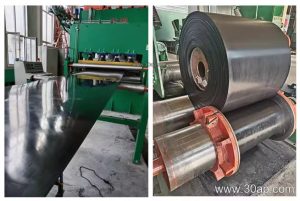
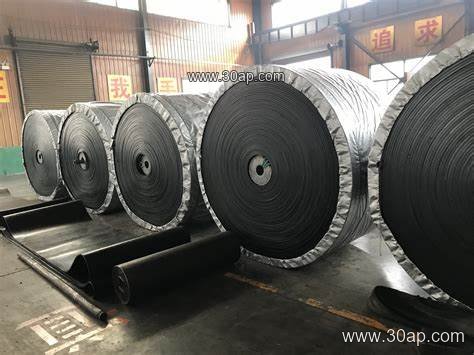
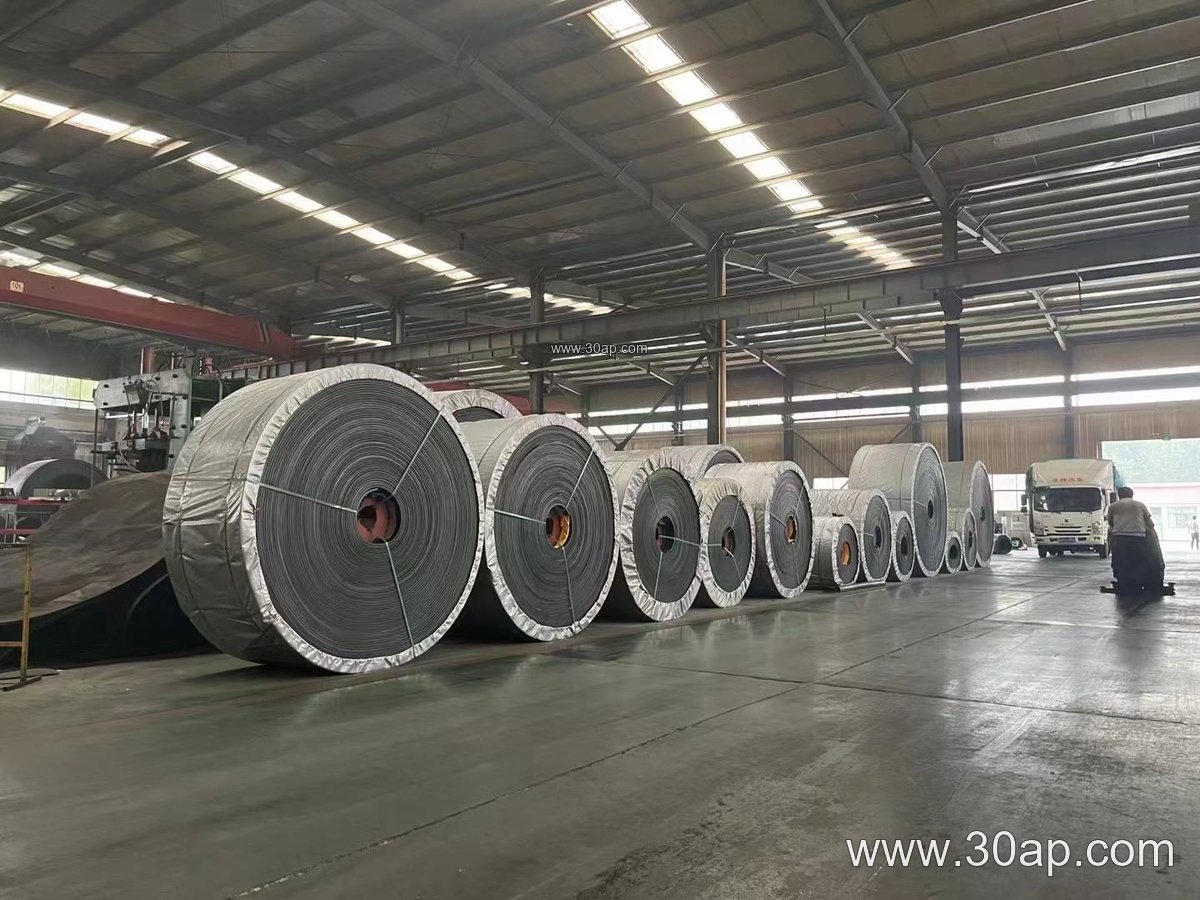
A 1800mm conveyor belt is a wide belt format used on high-capacity conveying systems. The 1800 mm figure refers to the belt width, and this class of belt is often described as a Wide Conveyor Belt or an extra-wide belt when compared with common 800 mm, 1000 mm, and 1200 mm widths. It is built to carry large volumes of bulk material across long distances in mines, coal preparation plants, cement works, power stations, ports, and aggregate yards.
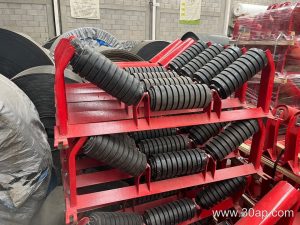
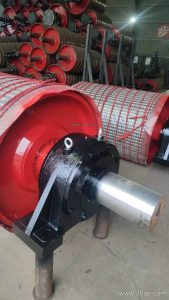
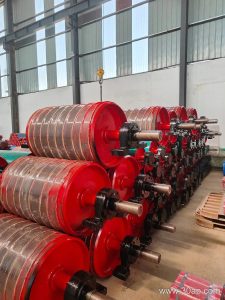
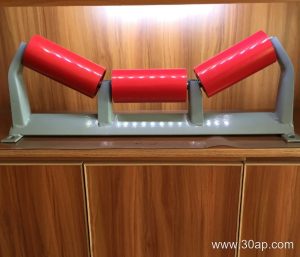
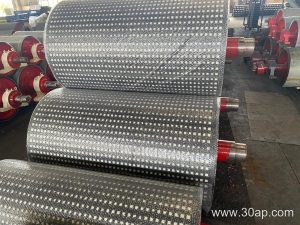
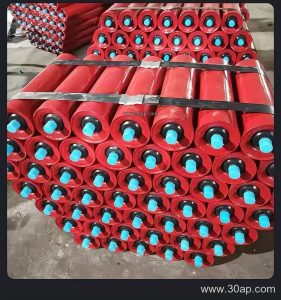
The belt is not a standalone product. It runs over a conveyor pulley at the head and tail, is supported by idler rollers along the carrying and return sides, and is held in line by conveyor brackets and frames. A 1800mm belt therefore needs a conveyor structure designed for its width, weight, and tension.
Construction and Common Configurations
Most 1800mm belts use a fabric core or a steel cord core. Fabric-core versions include EP Conveyor Belt with polyester-polyamide plies and NN nylon belts. Steel cord versions suit very high tension and long conveying lines. Cover rubber grades are chosen for the duty: abrasion resistant, heat resistant, oil resistant, flame retardant, anti-static, cold resistant, or acid and chemical resistant compounds.
Typical reference values for a belt of this width are shown below. These are common ranges, not fixed supply promises, and final values depend on the conveyor design and the manufacturer.
| Parameter | Common Reference Range |
|---|---|
| Belt width | 1800 mm (B1800) |
| Core type | EP fabric, NN fabric, steel cord |
| Fabric plies | 2 to 6 plies |
| EP strength grades | EP200, EP315, EP400, EP500, EP630, EP800, EP1000, EP1250 |
| Cover thickness | 4+2 mm, 5+2 mm, 6+2 mm, 8+3 mm |
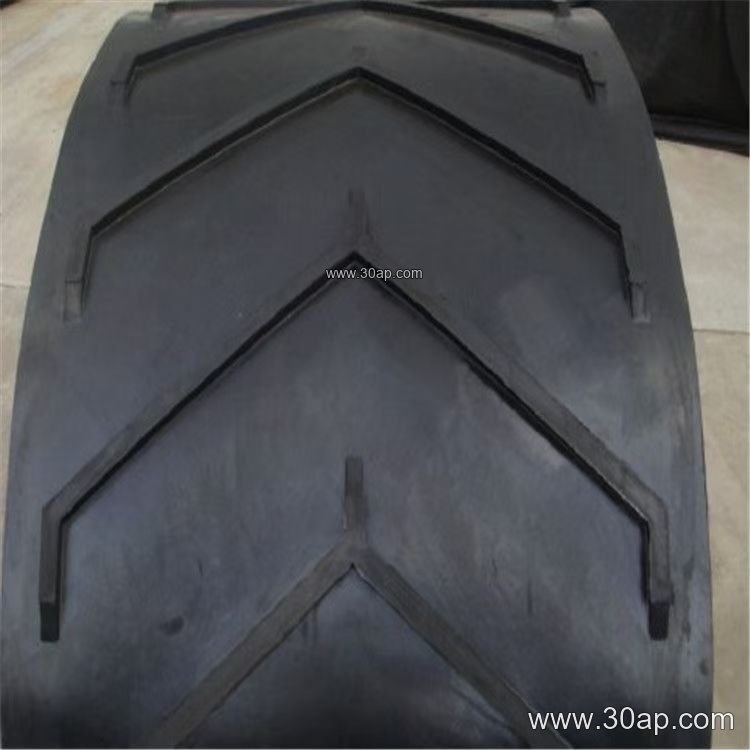
| Surface forms | Smooth, chevron, skirted, corrugated sidewall |
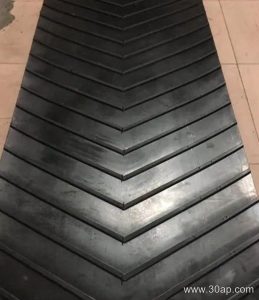
A heavy-duty mining conveyor belt in this width often uses thicker covers and higher strength grades, while a cement or power plant belt may prioritise heat or abrasion resistance. Chevron and corrugated sidewall versions are available when the incline or material containment requires them.
Where the Width Fits in a Plant
An 1800mm belt is usually found on main trunk conveyors rather than small transfer points. In a coal mining or underground mining conveyor system, it can form the backbone that receives material from crushers and delivers it to stockpiles or loading stations. In a quarry or sand making plant, it may carry crushed rock and aggregate from a crusher conveyor to screening equipment.
Port and ship loading conveyors also use wide belts to move large tonnages quickly. The same width appears in steel plants, recycling lines, and bulk material handling terminals where a single stream must handle high throughput.
Selection Points for Buyers
Before ordering a 1800mm conveyor belt, confirm the actual belt width, the required tensile strength, the number of plies or the steel cord grade, and the cover thickness. State the material being carried, its lump size, temperature, moisture, and any oil or chemical exposure. These details determine whether a standard abrasion resistant belt is enough or whether a flame retardant, heat resistant, or oil resistant grade is needed.
- Check the pulley diameters and the take-up arrangement so the belt can flex without over-stressing the carcass.
- Confirm idler roller spacing and trough angle for the belt width and material load.
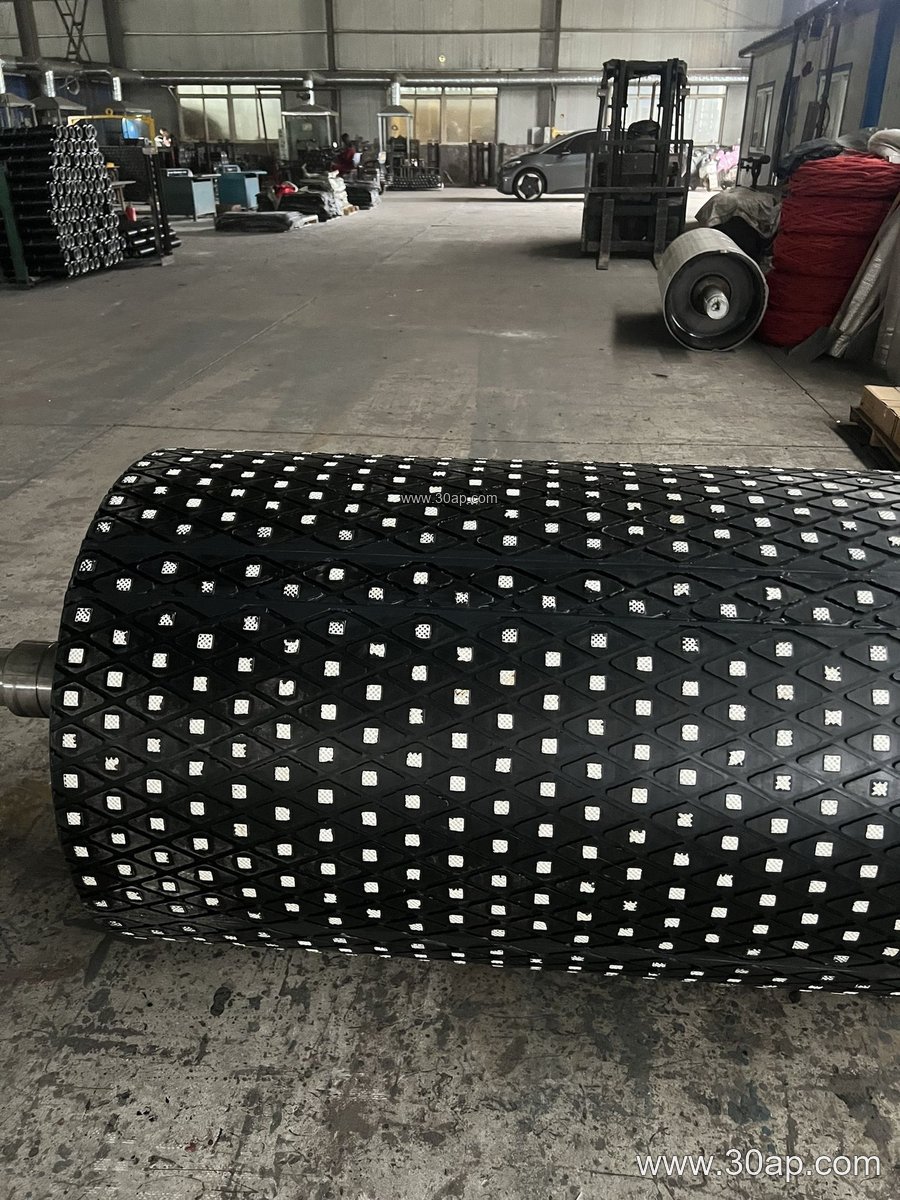
- Review the conveyor pulley lagging and the belt tracking system, since wide belts are more sensitive to misalignment.
- Ask for the belt’s mass per square metre and minimum bend radius to verify the structural design.
The belt width alone does not fix the pulley diameter or shaft size. Those values come from the conveyor tension calculation, so they should be confirmed with the conveyor designer rather than assumed from the 1800 mm figure.
Installation and Maintenance Notes
Wide belts need careful splicing. Vulcanised splices are common for high-tension fabric and steel cord belts, while mechanical fasteners may be used in some shorter or temporary installations. During installation, keep the belt centred on the tail pulley and check that all idler rollers turn freely. A skewed idler or a worn conveyor bracket can cause edge damage on a 1800mm belt faster than on a narrow belt.
Routine checks should cover cover wear, edge condition, splice integrity, and material build-up on return rollers. For hot material, inspect the heat resistant cover for cracking. For coal or underground service, verify that the flame retardant and anti-static properties remain within the specified range. Replacing a damaged section early usually costs less than repairing a torn wide belt later.