What an Underground Mining Conveyor Idler Does
An underground mining conveyor idler is the rotating roller that supports and shapes the conveyor belt along a tunnel or decline haulage route. In a coal mine, ore mine or tunnel spoil line, these idlers carry the loaded belt between the head and tail ends, keep the belt tracking, and reduce friction so the drive can move material efficiently. The idler roller itself is a small component, but on a long underground run it repeats hundreds or thousands of times, so its bearing protection and shell wear life matter to the whole conveyor system.
Underground duty differs from surface duty. Space is tight, dust and moisture are present, and maintenance access may be limited. That is why the carrying idler, return idler and impact idler are usually chosen together with the belt specification, the conveyor pulley arrangement and the conveyor bracket design.
Construction of the Idler Roller
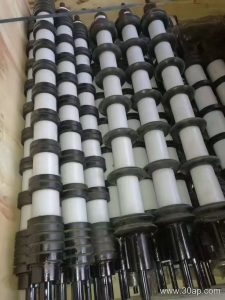
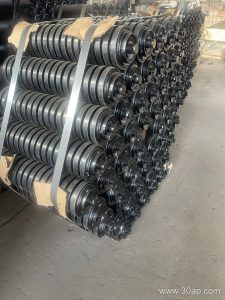
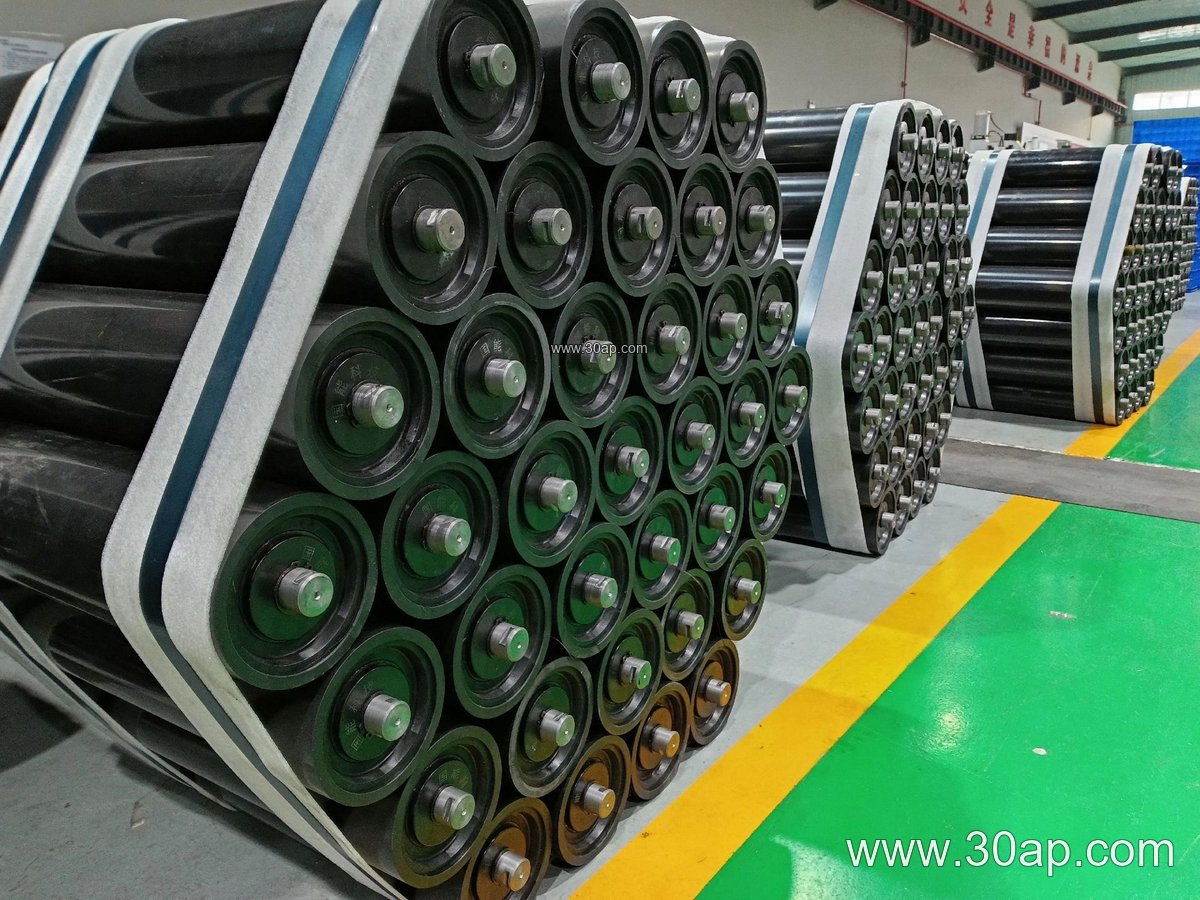
A typical underground mining conveyor idler is built from a steel tube shell, a shaft, bearing housings, labyrinth or contact seals, and a bearing set. The shell may be plain steel, nylon coated, ceramic lined or fitted with rubber rings for impact positions. Common bearing numbers include 6204, 6205, 6305, 6306, 6308 and 6310, but bearing choice follows load, speed and sealing design rather than one fixed roller diameter.
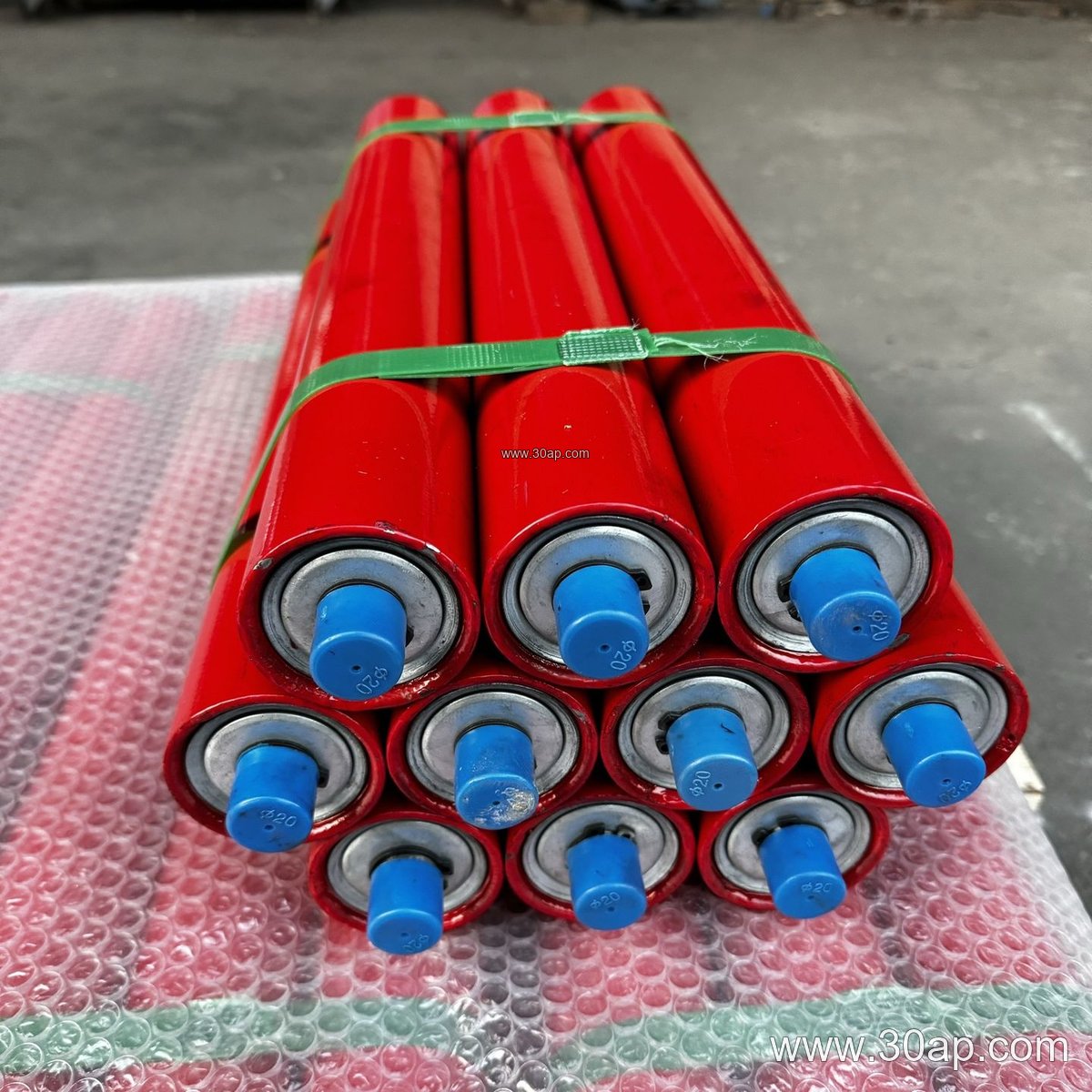
- Shell: steel tube, often with painted or coated surface
- Shaft: through shaft with machined ends for bracket mounting
- Seals: labyrinth, felt or lip seal arrangements to keep out fine dust
- Bearing: deep groove ball bearing in most carrying and return positions
The idler must rotate freely. A stiff or seized roller can rub the belt, raise power draw and damage the belt cover. For a conveyor handling abrasive ore or coal, the seal quality often decides service life more than the tube thickness alone.
Common Idler Types in Underground Sections
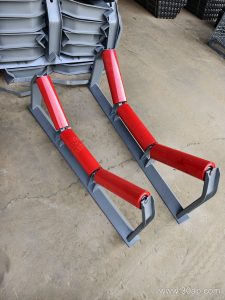
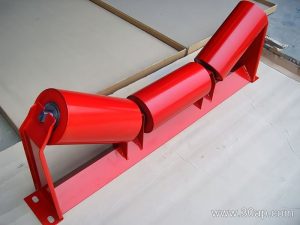
The main carrying arrangement is the three-roll troughing set, usually at 20, 30, 35 or 45 degree trough angle. A two-roll or single-roll set may appear in narrow headings. Return positions use a flat return idler or a V-return idler. Impact idlers with rubber rings are placed under the loading point, and self-aligning idlers help control belt wander on long curves.
These are not interchangeable with drive, tail or bend pulleys. A conveyor pulley turns the belt and transmits drive force, while an idler only supports it. When specifying a project, keep the pulley list and the idler list separate.
Matching Roller Diameter, Belt Width and Roll Length
Roller diameter and belt width are related through the conveyor design, not through a single fixed rule. Common roller diameters include 63, 76, 89, 102, 108, 127, 133, 159, 178, 194 and 219 mm. Belt widths range from B400 up to B2400 in many projects.
For a three-roll troughing set, the roll length changes with belt width and trough angle. The table below gives common reference values, not mandatory matches.
| Belt width | Typical side roll length, three-roll set | Typical trough angle |
|---|---|---|
| B500 | about 200 mm | 20 to 35 degrees |
| B650 | about 250 mm | 20 to 35 degrees |
| B800 | about 315 mm | 30 to 35 degrees |
| B1000 | about 380 mm | 30 to 35 degrees |
| B1200 | about 465 mm | 30 to 35 degrees |
| B1400 | about 530 mm | 35 degrees |
| B1600 | about 600 mm | 35 to 45 degrees |
| B1800 | about 670 mm | 35 to 45 degrees |
Side roll and center roll lengths can differ, and the final value comes from the idler frame drawing. A 1200 mm wide belt does not lock the pulley diameter or the shaft size by itself.
Selection Notes for Buyers
Start with the belt line duty: material type, lump size, tonnage, belt speed and tunnel gradient. Then confirm the idler group, roller diameter, shaft end, bracket spacing and seal class. For a coal mining conveyor belt that must resist flame spread, the idler specification should be reviewed together with the flame retardant conveyor belt and the fire resistant conveyor belt requirement for the whole system.
At a transfer point, an impact resistant idler with rubber rings protects both the roller and the belt. On a dusty return run, a well-sealed return idler reduces build-up. In a quarry or aggregate line feeding a crusher, the same logic applies, though dust and water conditions may differ from an underground coal face.
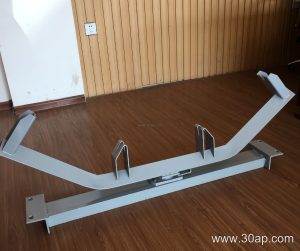
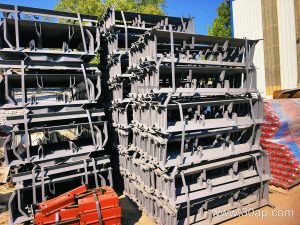
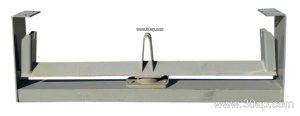
Ask for the idler drawing, bearing number, seal type and shell thickness before ordering. Confirm that the idler frame fits the existing conveyor bracket, and that the replacement roller matches the original shaft end. For a mixed fleet, keep a small spare stock of the most used carrying and return idlers.
Maintenance and Replacement
Check for noisy bearings, uneven shell wear, belt misalignment and material build-up around seals. Replace a damaged idler before it wears through the belt cover. On underground lines, plan replacement during scheduled stops so the belt does not need extra handling. A simple record of roller position, diameter and bearing number makes future purchases faster and keeps the conveyor running with fewer surprises.