What a 2200mm Conveyor Belt Is
A 2200mm conveyor belt is an extra-wide belt designed for conveyor systems that must move large volumes of bulk material in a single pass. With a nominal width of 2200 millimeters, it sits at the wide end of standard belt production and is often specified where narrower belts would require multiple lines, higher belt speeds, or frequent transfers. In practice, the belt is the load-carrying element of the conveyor, running over idler rollers on the carry side and return side, wrapping the drive pulley at the head and the tail pulley at the load point, with bend pulleys and take-up arrangements guiding the return path.
Because of its width, this belt is usually part of a heavy-duty conveyor system rather than a light assembly line. It appears in mines, coal preparation plants, cement works, power stations, ports, quarries, and large aggregate yards where throughput per hour is the main design driver.
Construction and Common Configurations
The belt body combines a tension-carrying carcass with rubber covers on both faces. For a 2200mm width, the carcass is commonly a fabric core or a steel cord design, and the choice depends on the center distance, the required tensile strength, and the impact conditions at the loading point.
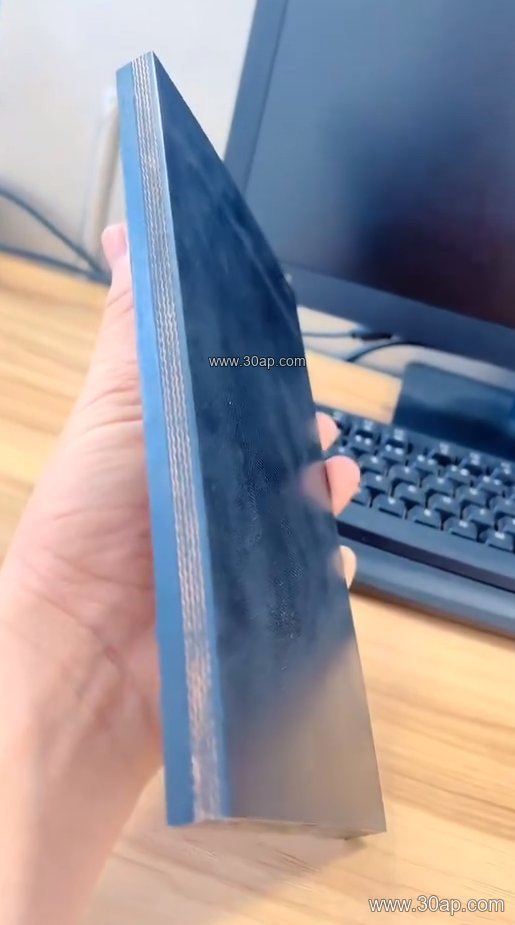
- Fabric core: multi-ply EP or NN constructions are common; EP fabric offers low stretch and good moisture resistance, while NN nylon fabric provides high flexibility and impact tolerance.
- Steel cord: used for very long runs and high tensions, with straight steel cords embedded in rubber.
- Covers: top and bottom cover thickness is selected for abrasion, heat, oil, or flame exposure. Common cover combinations in wide belts include 6+2 mm and 8+3 mm, with heavier gauges used in primary crushing and ore handling.
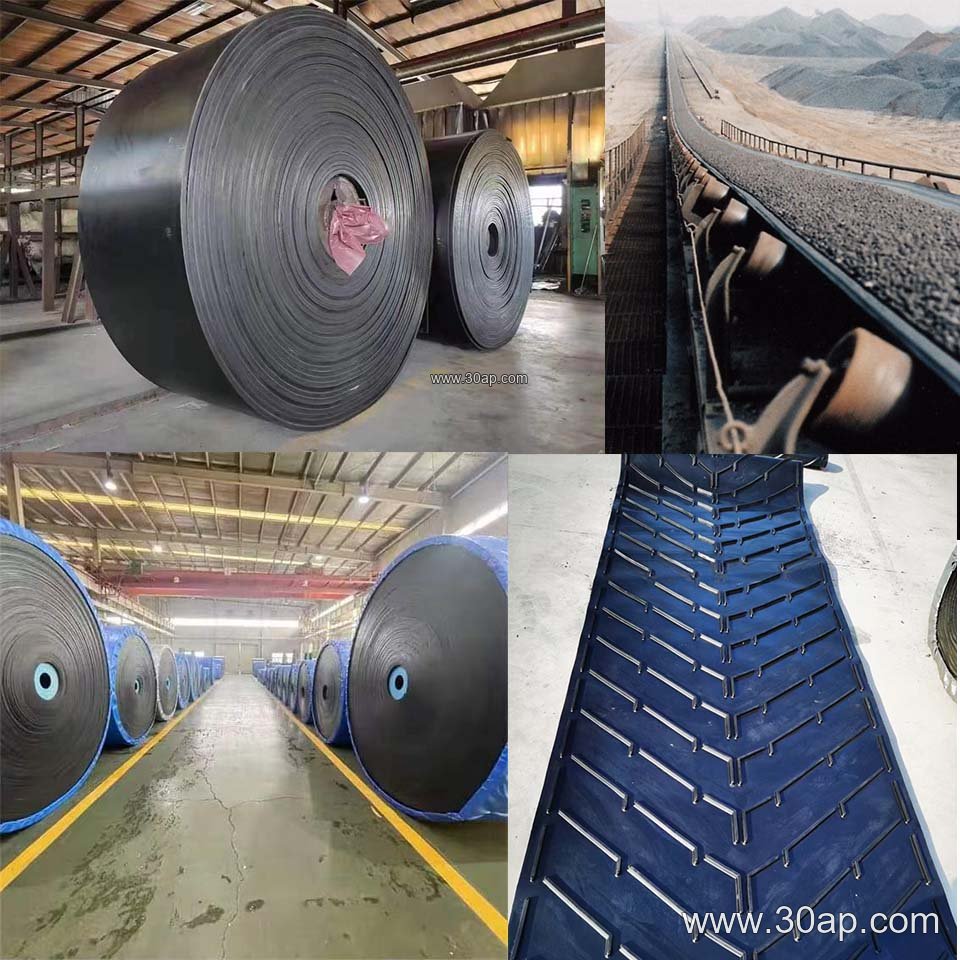
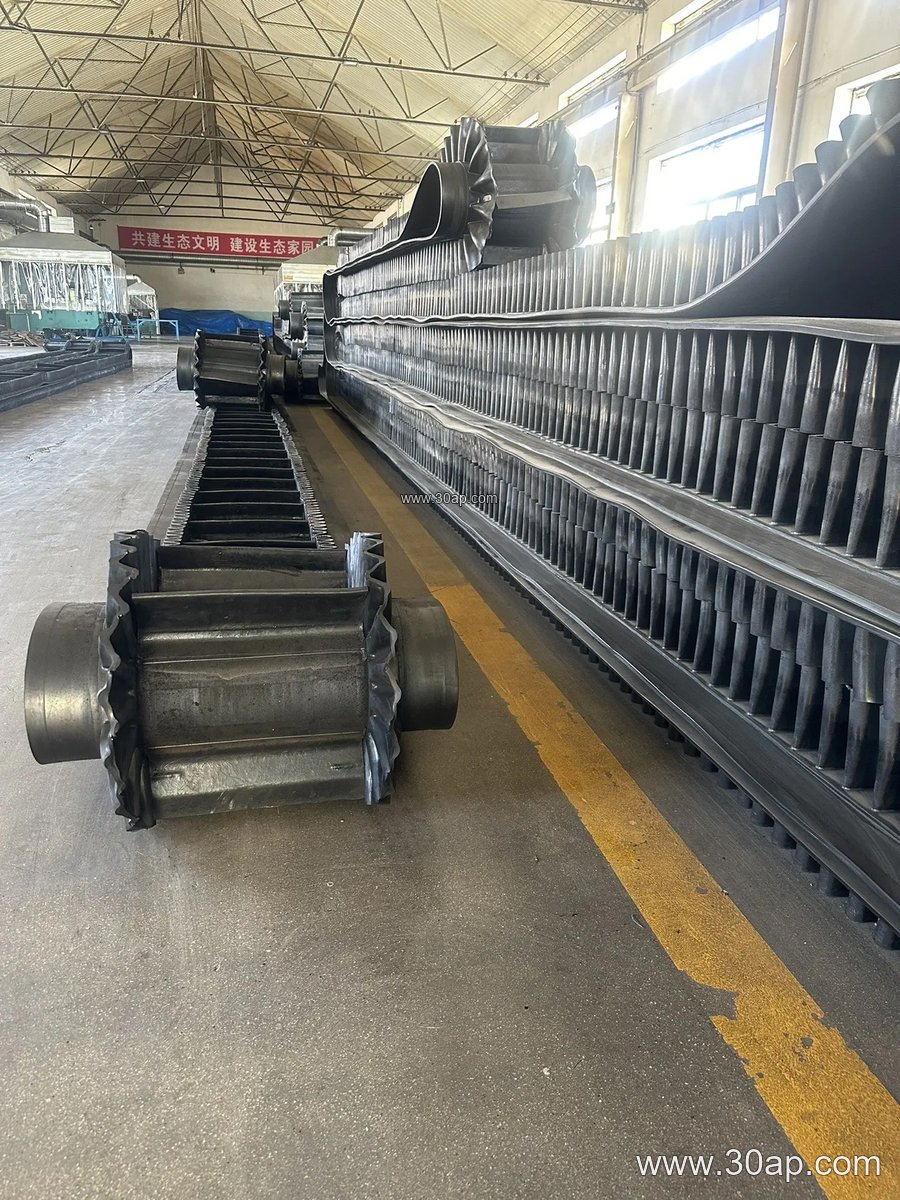
Surface forms also matter. A plain surface suits general bulk conveying, while a chevron pattern helps on inclines. Skirted and corrugated sidewall versions contain material at the edges, and a pipe conveyor belt forms a closed tube for dust control and curved routes. Heat resistant, oil resistant, flame retardant, anti-static, and cold resistant grades are available when the duty calls for them.
Typical Specifications
The table below shows reference values that are often quoted for wide belts. These are examples, not fixed combinations; final construction is confirmed by the belt designer and the conveyor layout.
| Parameter | Typical reference values |
|---|---|
| Nominal width | 2200 mm (B2200) |
| Carcass type | EP fabric, NN fabric, steel cord |
| Fabric strength grades | EP200, EP315, EP400, EP500, EP630, EP800, EP1000, EP1250 |
| Steel cord grades | ST1000, ST1250, ST1600, ST2000 |
| Number of plies | Usually 2 to 6 for fabric cores |
| Cover thickness | 4+2 mm, 5+2 mm, 6+2 mm, 8+3 mm |
| Special grades | Abrasion resistant, heat resistant, flame retardant, oil resistant, anti-static, cold resistant |
Note that belt width and pulley diameter are separate design decisions. A 2200mm belt may run on a range of pulley sizes depending on tension, wrap angle, and shaft load; there is no single pulley diameter tied to this width.
Where It Fits in the Plant
Wide belts are often found at the main transfer points of a mining conveyor belt circuit, receiving crushed rock directly from a crusher discharge. In a cement plant, a 2200mm belt may carry clinker or limestone over long distances. Power plants use them for coal delivery from stockyard to bunker, and ports apply them on ship loading and unloading lines. Quarries and sand making plants rely on them where a single wide stream reduces spillage and dust generation compared with several narrow belts.
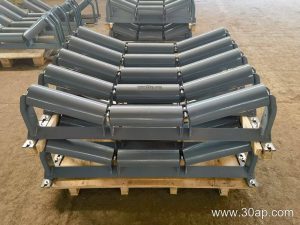
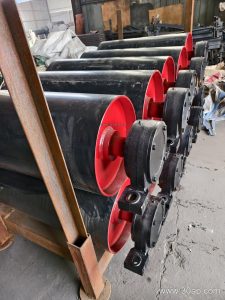
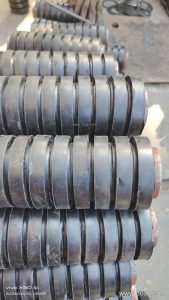
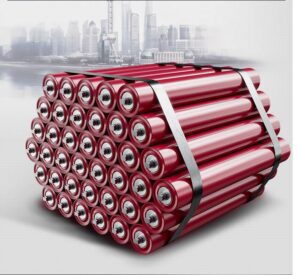
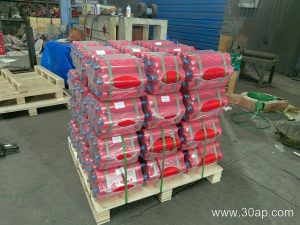
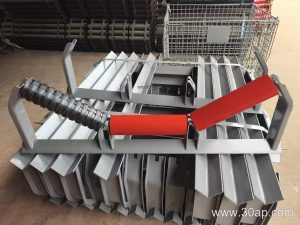
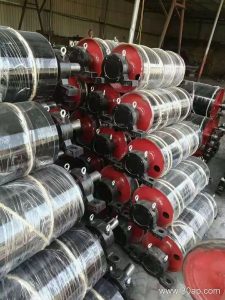
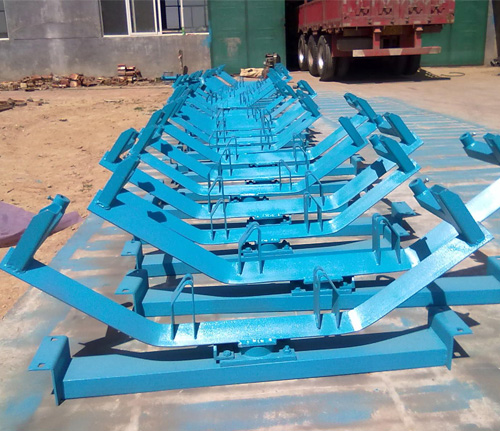
On these systems, the belt works together with idler rollers, conveyor pulleys, and conveyor brackets. The pulley set includes the drive pulley, tail pulley, and bend pulleys, each with its own function and not interchangeable. Proper alignment of idlers and pulleys is especially important at this width, because edge tracking errors grow with belt width.
Selection and Maintenance Notes
Buyers should confirm the peak tonnage, material lump size, drop height, and ambient conditions before choosing a construction. A high abrasion resistant cover is common for ore and rock, while a flame retardant grade is typical for underground coal mining conveyors. Where the route includes inclines, a chevron or corrugated sidewall belt may be considered, but those are different belt types and should be evaluated on their own merits.
- Check that the conveyor frame and idler spacing suit a 2200mm belt; wider belts need adequate support to avoid sag between idlers.
- Verify the take-up travel and pulley face width, since edge contact and mistracking are costly at this size.
- Use a belt splice method suited to the carcass, and inspect the splice and edges regularly.
- Keep the loading chute centered so material does not load one side of the belt.
For long overland runs, a steel cord belt may be the practical choice; for shorter plant conveyors, an EP or NN fabric belt with a suitable cover often serves well. The correct answer comes from the conveyor calculation, not from the belt width alone.