What a Coal Conveyor Belt Does
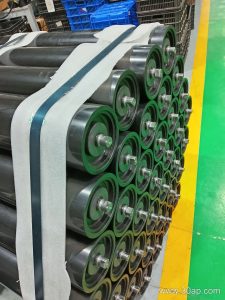
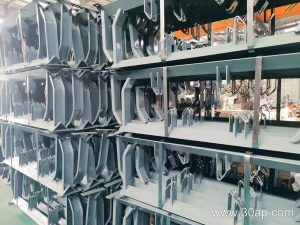
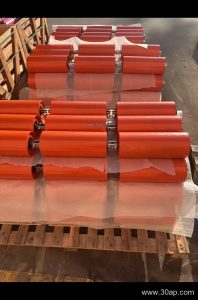
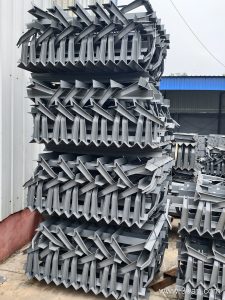
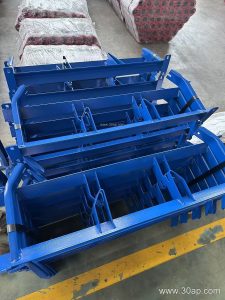
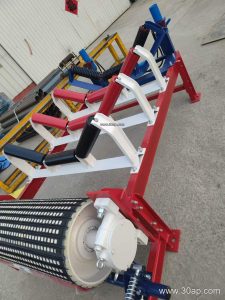
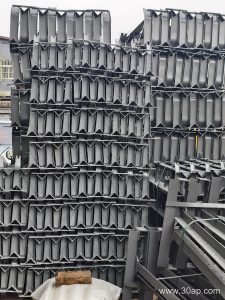
A coal conveyor belt is the load-carrying element of a bulk handling line that moves raw or washed coal from a stockpile, crusher, or underground face to screening, storage, or a ship loader. In a coal mine, a coal-fired power plant, or a cement works that burns coal in its kiln, the belt is expected to work in a dusty, sometimes damp or oily environment and to keep running through long shifts. The belt is only one part of the circuit. A conveyor pulley at the head and tail, idler rollers supporting the carrying run, and a steel conveyor bracket frame all have to suit the same duty.
Because coal can be abrasive, dusty, and in some seams prone to self-heating, the belt cover and the core are usually chosen together rather than separately. A flame retardant conveyor belt is common for underground coal mining and for enclosed galleries, while an abrasion resistant conveyor belt is often preferred on the surface where lump coal and rock wear the cover.
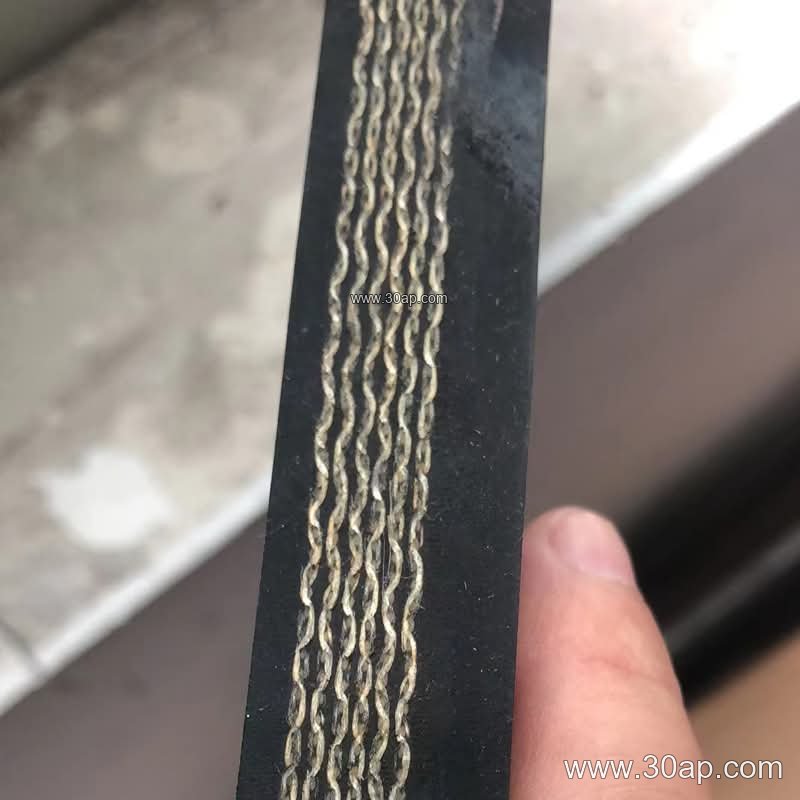
Construction of a Coal Conveyor Belt
The belt is a sandwich. A fabric or steel core carries the tension, and rubber covers protect the core from impact, abrasion, moisture, and oil. Fabric cores are built from EP (polyester-cotton) or NN (nylon) plies; steel cord cores use brass-plated wires for very long runs and high tension. Cover grade, ply count, and cover thickness are selected from the duty, not from a single standard recipe.
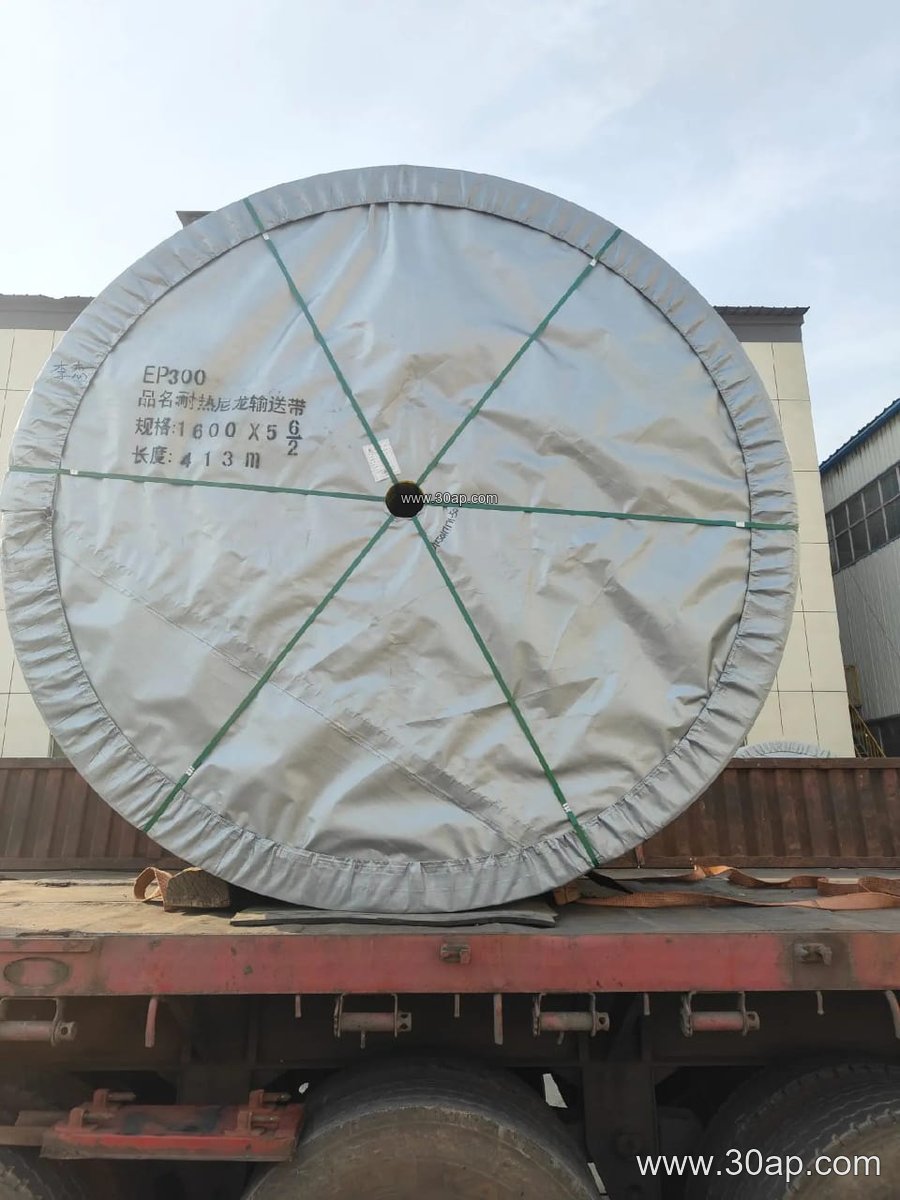
Typical reference values used in tender documents include:
| Item | Common reference values |
|---|---|
| Core type | EP fabric, NN fabric, steel cord, PVG, PVC |
| Fabric strength grades | EP200, EP315, EP400, EP500, EP630, EP800, EP1000, EP1250, EP1600, EP2000 |
| Steel cord grades | ST1000, ST1250, ST1600, ST2000, ST2500, ST3150 |
| Belt width | B500, B650, B800, B1000, B1200, B1400, B1600, B1800, B2000 |
| Cover thickness | 3+1.5, 4+2, 5+2, 6+2, 8+3 mm |
| Ply count (fabric) | Usually 2 to 6 plies |
These figures are reference data. A coal conveyor belt for a given plant is confirmed by the conveyor designer, since belt width and pulley diameter are matched through tension and wrap angle, not by a fixed rule. A 1200mm wide conveyor belt, for example, may run on different pulley sizes depending on load and speed.
Where It Is Used
Coal handling appears across several industries. In a coal mining conveyor belt system, the belt links the face or crusher to the surface stockyard. In a power plant conveyor belt line, it feeds the boiler bunkers. Cement plants, steel plants, ports, and aggregate yards also use a bulk material conveyor belt to move coal, coke, or blended fuel.
The working environment decides the cover:
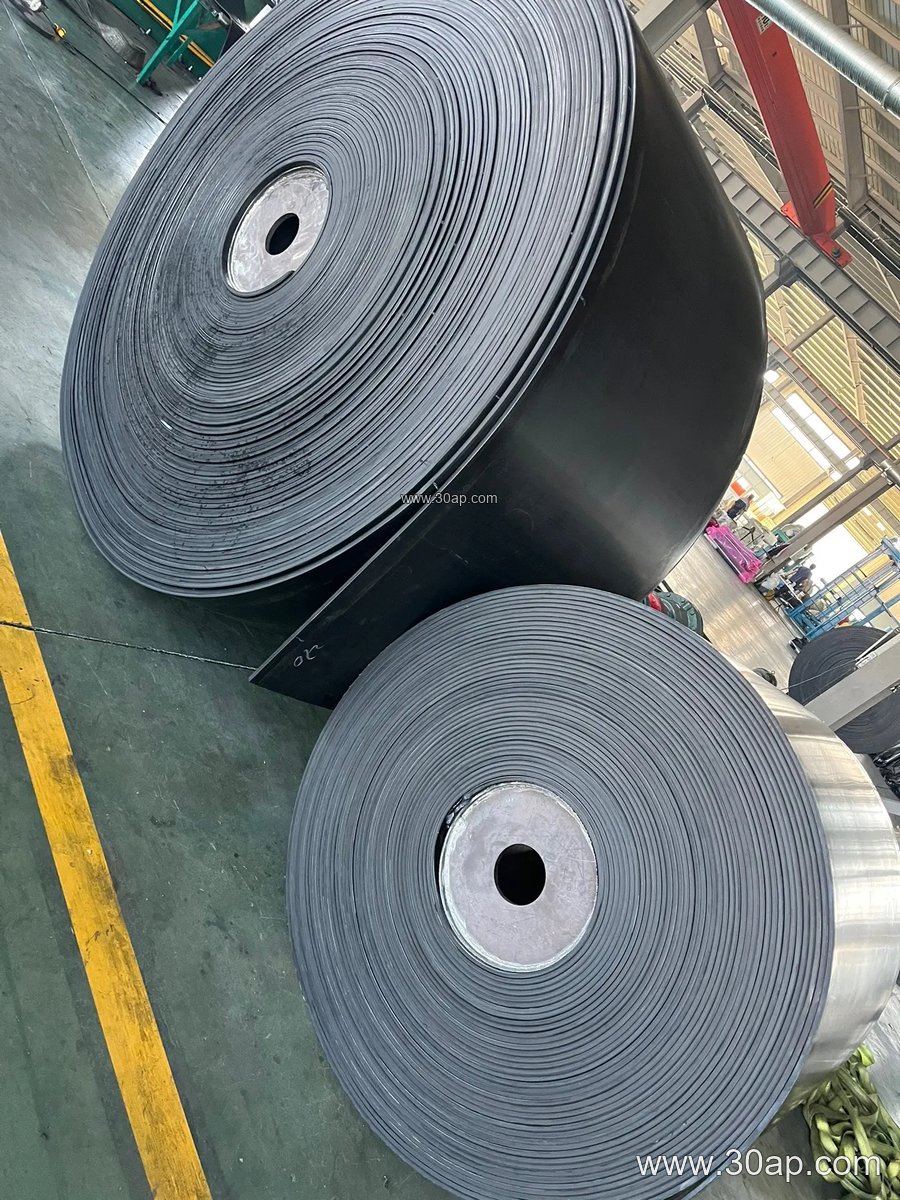
- Underground coal mining conveyor belt: flame retardant and anti-static properties are usually required, with PVG or PVC covers common in gassy seams.
- Surface stockyard and crusher conveyor belt: abrasion resistant and impact resistant covers handle lump coal and transfer points.
- Coal with oil or grease contamination: oil resistant cover helps prevent swelling.
- Cold climates: cold resistant belt keeps flexibility in winter loading.
- Long overland runs: steel cord conveyor belt or high strength EP grades reduce the number of transfer points.
Buyer Checklist
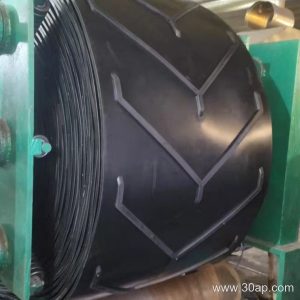
Before ordering, list the material size, moisture, temperature, and any oil or chemical exposure. State the required strength grade, belt width, cover thickness, and whether an endless conveyor belt is needed for a permanent splice. Confirm the pulley diameters at drive, tail, and bend positions, and check that the idler roller spacing suits the coal lump size. For steep inclines, a chevron conveyor belt or corrugated sidewall conveyor belt may be considered, but these are different belt forms and should not replace a standard coal belt without a design review.
Ask for the cover grade, ply or cord construction, and splice method in writing. Keep spare belt, pulley lagging, and idler rollers in the store, because a stopped coal line costs more than the belt itself.
Related reading on our site: EP conveyor belt, flame retardant conveyor belt, steel cord conveyor belt.