What a Q355 Conveyor Bracket Does
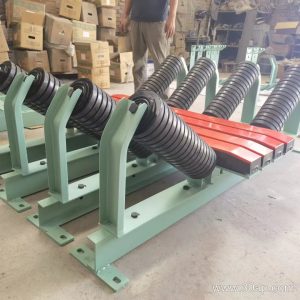
A Q355 Conveyor Bracket is the steel support that holds idler rollers at the correct position under and along a conveyor belt. The bracket is not a moving part; its job is to keep the idler roller steady, set the trough angle on the carrying side, and carry the load from the belt and material into the conveyor frame. Because Q355 is a low-alloy structural steel with good strength and weldability, this bracket suits heavy bulk handling in mines, coal preparation plants, cement works, power station coal yards and aggregate crushing lines.
The same item is also called a Q355 conveyor support bracket or Q355 idler bracket. The name refers to the material grade and the function, so buyers should confirm the drawing, hole spacing and trough angle rather than relying on the name alone.
How the Bracket Is Built
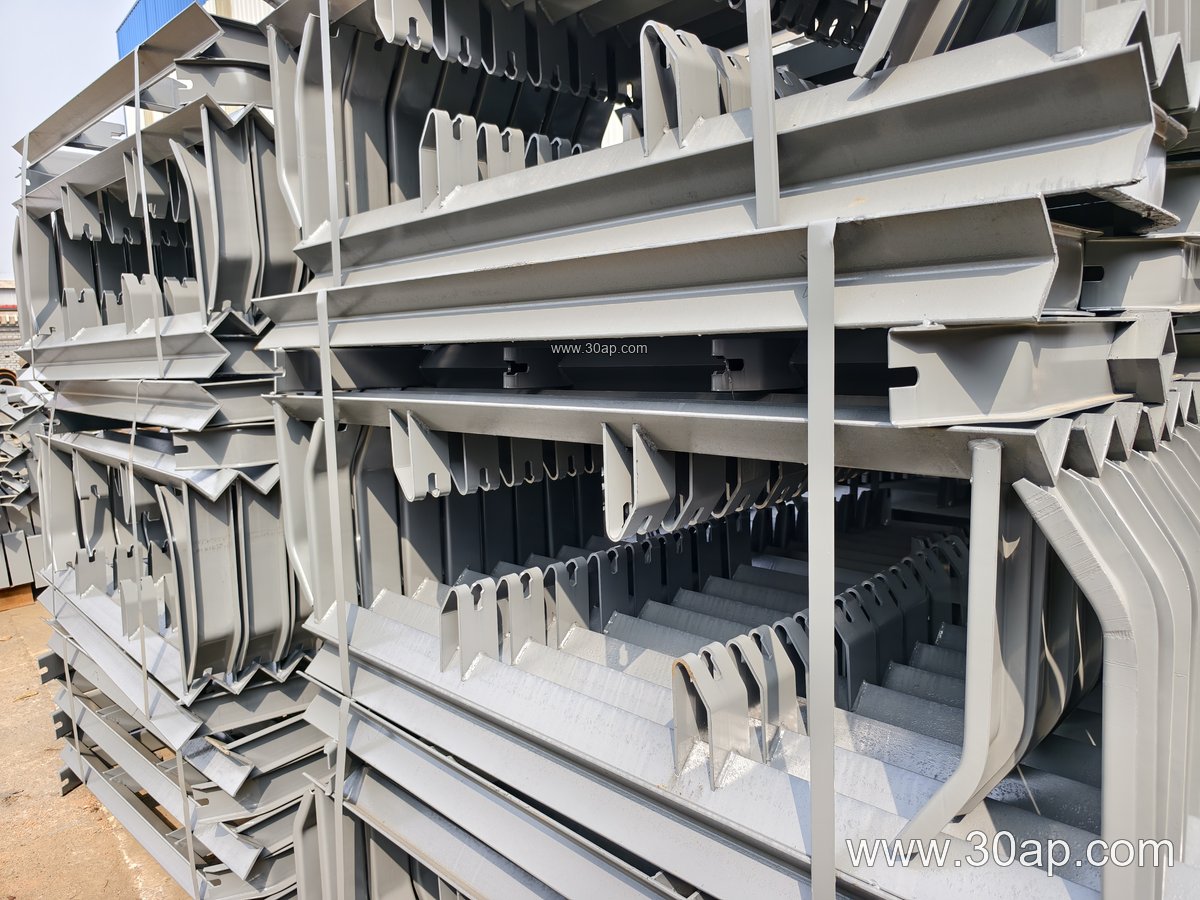
Most Q355 Conveyor Bracket designs are formed from angle steel, channel steel or folded steel plate. A carrying bracket usually has two or three inclined planes that set the trough shape, plus mounting holes for the idler roller shaft and for fixing to the conveyor frame. Return brackets are flatter, and some use a V shape to help center the belt. Welded joints should be clean and square, and hole positions must match the roller shaft and frame.
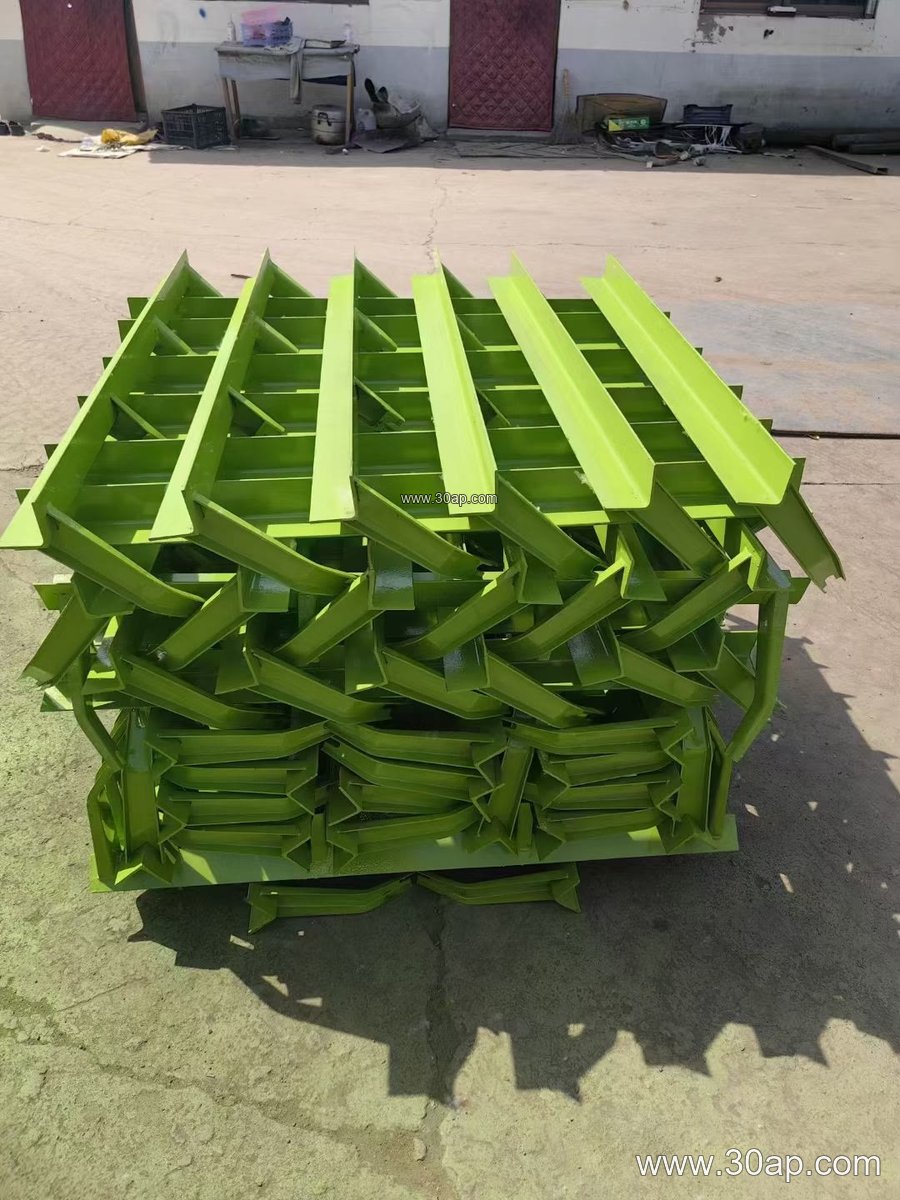
Common bracket forms include trough brackets, transition brackets, return brackets, flat lower brackets, V-return brackets, impact brackets, self-aligning brackets, forward-leaning brackets and adjustable brackets. A forward-leaning bracket usually sets the roller about 1.5 to 2 degrees ahead of the belt direction to help tracking. Adjustable brackets allow the trough angle to be changed, often between 20, 30, 35 and 45 degrees.
Where It Fits in a Conveyor Line
On the carrying side, the Q355 Conveyor Bracket sits between the conveyor frame rails and the idler roller, forming the trough that keeps bulk material centered on the belt. On the return side, a lower bracket supports the return roller or a V-return set. At transfer points, impact brackets may be used with impact rollers to absorb falling material. In a quarry or aggregate line, brackets are often paired with an Abrasion Resistant Conveyor Belt and heavy-duty rollers. In a coal yard, they may work with a Flame Retardant Conveyor Belt.
Bracket selection should follow the belt width, trough angle, roller diameter and frame design. Typical reference combinations include B800 with 35 degrees and Ø108 rollers, B1200 with 45 degrees and Ø133 rollers, or B650 with 30 degrees and Ø89 rollers. These are examples only; one belt width can be matched with different angles and roller sizes according to the design.
Reference Data for Selection
The table below lists common reference values. Actual mounting hole spacing and crossbeam length change with belt width and trough angle, so they must be taken from the approved drawing.
- Material grade: Q355 structural steel
- Construction: angle steel, channel steel or folded plate
- Belt width range: B500, B650, B800, B1000, B1200, B1400, B1600, B1800, B2000, B2200
- Trough angles: 20, 30, 35, 45 degrees; adjustable types can be set within this range
- Roller diameters: Ø89, Ø108, Ø133, Ø159, Ø194
- Forward lean: about 1.5 to 2 degrees where specified
Buyer Checklist
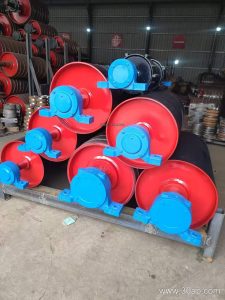
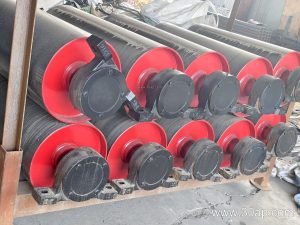
Before ordering, confirm the conveyor frame drawing, belt width, required trough angle, roller shaft diameter and hole pitch. Ask whether the bracket is fixed or adjustable, and whether it is for the carrying side, return side or a transition zone. Check the surface treatment and weld quality, and make sure the bracket is compatible with the idler roller and conveyor pulley layout on the line. For long overland or high-tonnage systems, a heavier bracket may be needed, while a lighter line in a sand and gravel plant may use a simpler design.
A well-matched Q355 Conveyor Bracket helps the belt run straight, reduces roller wear and keeps maintenance simple. It should be selected together with the conveyor belt, idler roller and frame, not as a standalone item.