What a Lower Return Idler Does
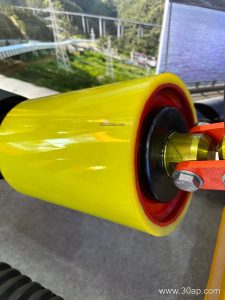
A lower return idler is the roller that carries the empty side of a conveyor belt on its way back to the tail end. While the loaded strand rides on troughing idlers, the belt underneath is supported by this return roller, usually a single flat roller running under the belt centerline. In a quarry, a coal washing plant, or a cement plant, the return run is long and constant, so these idlers do a quiet but essential job: they hold the belt up, limit sag, and keep the belt tracking steadily back to the tail pulley.
The product is also called a return roller or flat return idler. It is a different component from the drive pulley, the tail pulley, or a bend pulley. Those are conveyor pulleys that transmit power and change belt direction; a lower return idler simply supports the belt. Likewise, it should not be confused with a troughing idler on the carrying side. Each has its own place in the conveyor line.
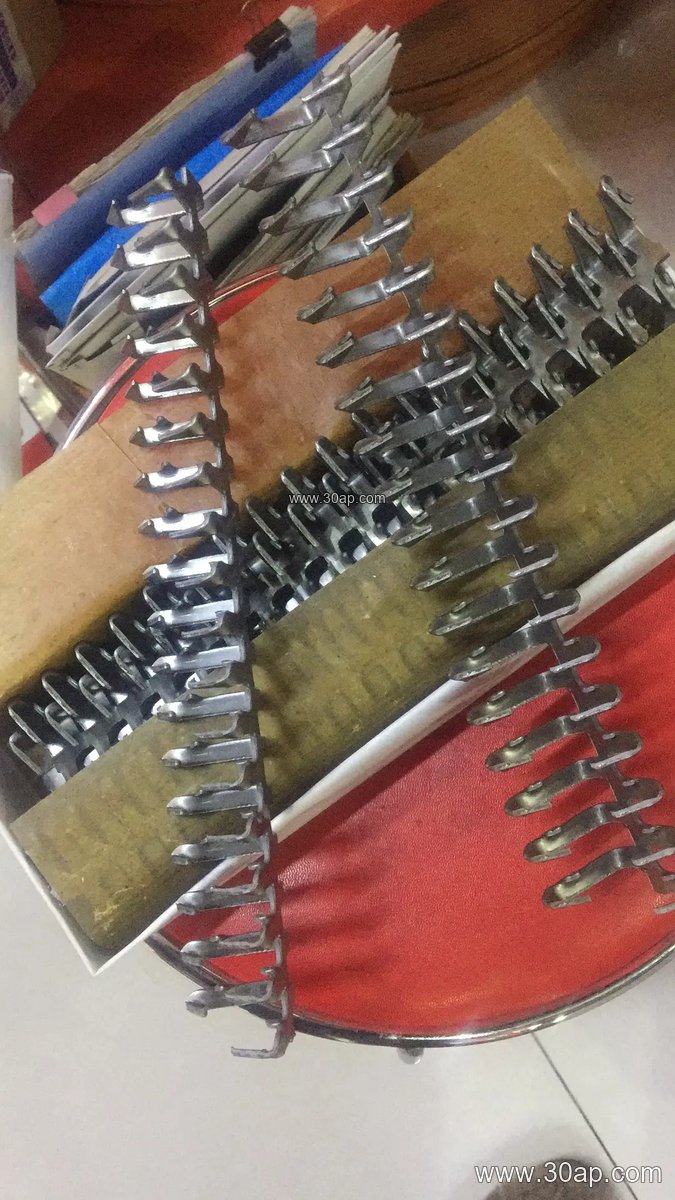
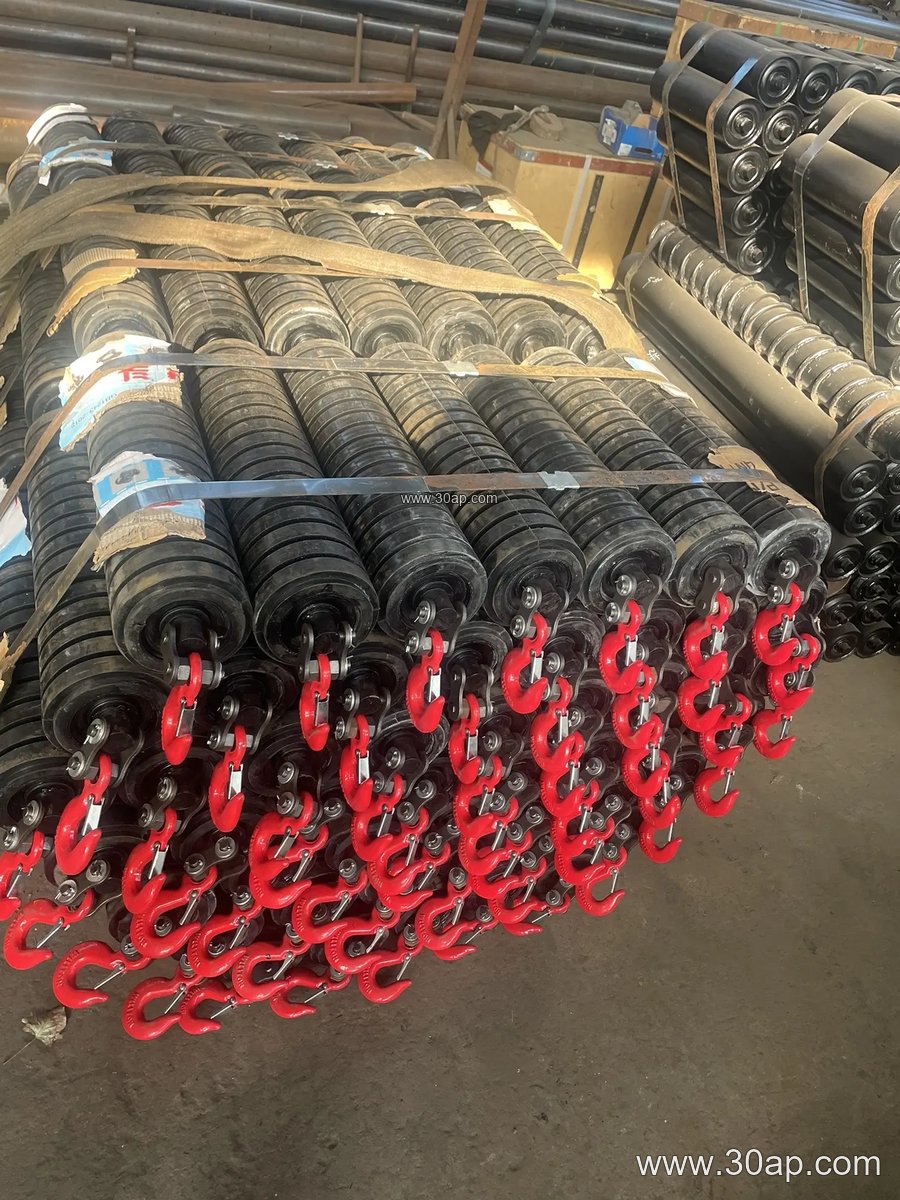
Construction and Main Parts
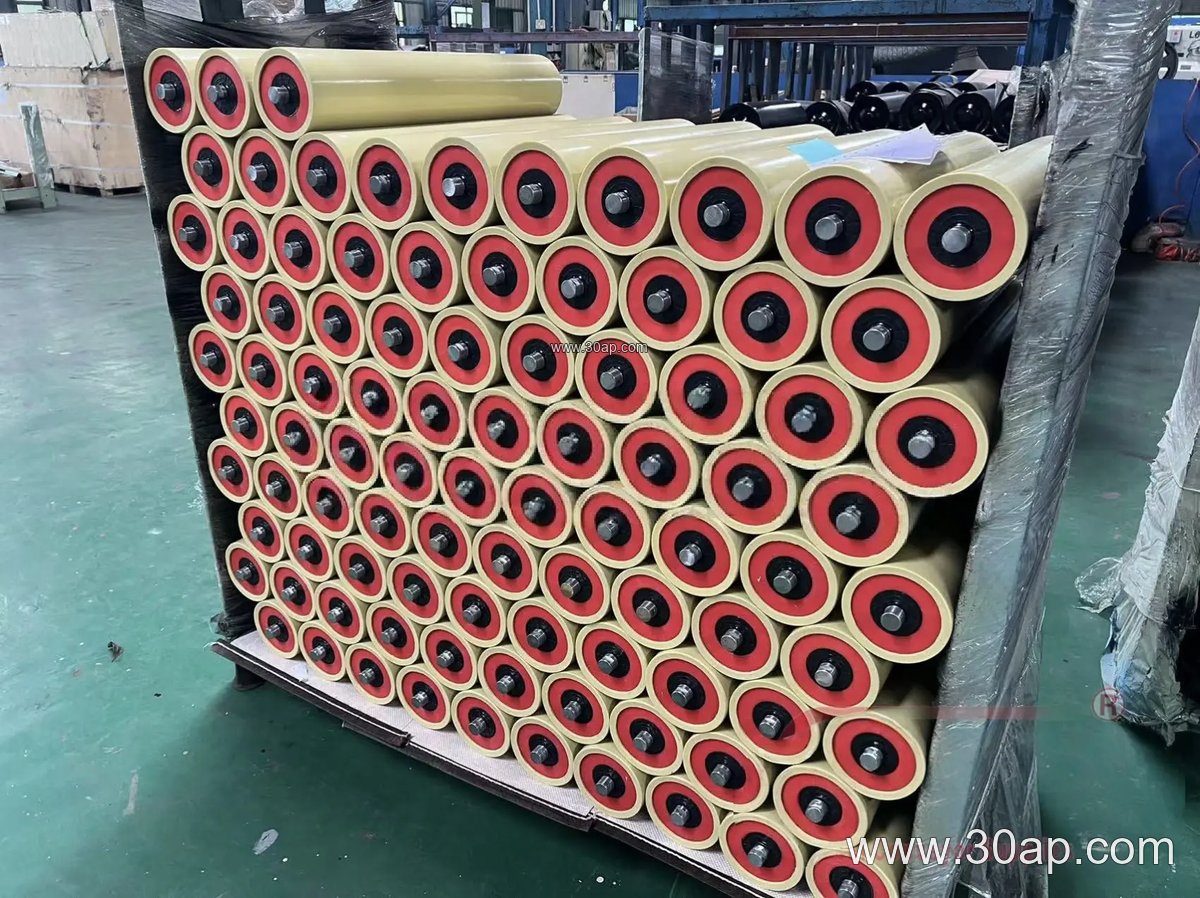
A typical return idler is built around a steel tube shell, with pressed bearing housings at both ends, sealed bearings, and a fixed shaft. The shell may be plain steel, or it may carry a rubber ring surface for gentler contact with the belt. Sealing is what decides service life in dusty plants: good labyrinth seals keep grit away from the bearings, which is important in a crusher house or a sinter plant.
Common tube diameters include Ø89, Ø102, Ø108, Ø127, Ø133, and Ø159 mm, and larger sizes such as Ø178 and Ø194 mm appear on heavy conveyors. Bearings are usually selected from 6204, 6205, 6305, 6306, 6308, or 6310, but bearing size is matched to load and shaft design, not to belt width alone.
| Item | Typical Range | Notes |
|---|---|---|
| Roller diameter | Ø89 to Ø194 mm | Selected by load and belt speed |
| Belt width | B500 to B2000 mm | Roller length follows belt width |
| Bearing | 6204 to 6310 | Matched to load, not fixed by width |
| Surface | Steel, nylon, rubber ring | Rubber rings reduce belt wear |
Where It Fits on the Conveyor
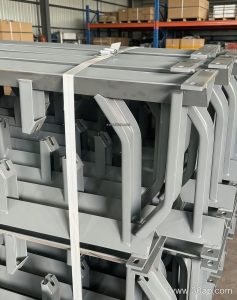
The return idler sits between the tail pulley and the loading point, spaced at intervals along the return strand. In a sand and gravel line, spacing of roughly 2.4 to 3 m is common, while heavy ore conveyors may use closer spacing. A V-shaped return idler set is sometimes used where the belt tends to misalign, while a plain flat return idler suits well-aligned lines. The choice depends on belt width, belt stiffness, and the material being handled.
In a power plant coal yard or a port bulk terminal, the return run may be several hundred meters long, so roller count and rolling resistance matter for energy use. A worn or seized return idler can drag on the belt, raise motor load, and damage the belt edge. Regular inspection of the return strand is therefore part of normal conveyor maintenance.
Buyer Checklist
- Confirm belt width and the required roller length, since a B800 belt and a B1200 belt need different roller lengths.
- State the environment: dusty, wet, corrosive, or high temperature. A rubber ring surface may help in abrasive service.
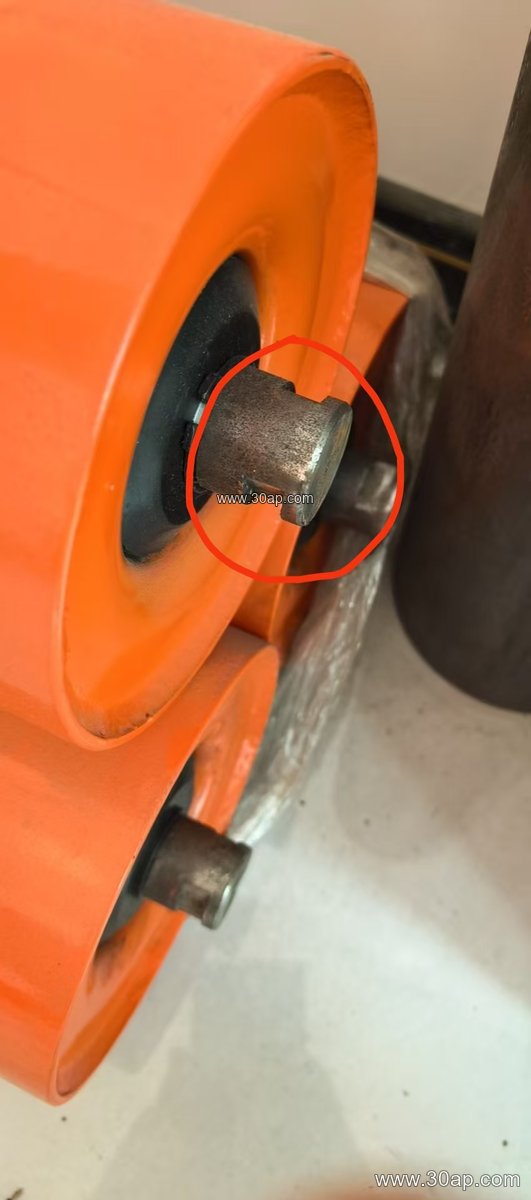
- Check shaft end design and bracket fit. The conveyor bracket must match the shaft flats and mounting slot.
- Ask about seal type and bearing brand class, as these drive service life more than shell thickness alone.
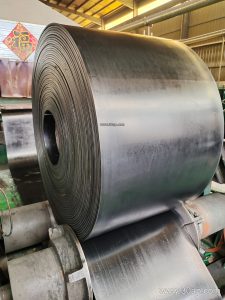
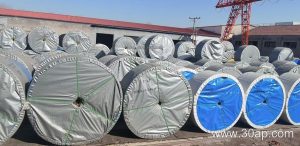
- Consider the belt itself. A heavy steel cord conveyor belt or a thick abrasion resistant conveyor belt loads the return rollers differently from a light fabric core belt.
For plants handling minerals, pairing the right return idler with a suitable conveyor belt matters. A flame retardant conveyor belt in an underground coal mine, or a heat resistant conveyor belt near a clinker cooler, will interact with the return rollers differently than a standard EP conveyor belt on an aggregate line. Buyers should share belt type, belt width, and operating conditions so the roller supplier can propose a sensible match rather than a single fixed size.
Maintenance Notes
Listen for squealing bearings and watch for a belt that wanders on the return side. Replace a seized roller promptly; a locked lower return idler can flat-spot the belt and wear through covers. Keep the return strand clear of spilled material, especially in a limestone or iron ore operation where fines build up under the belt. Checking roller rotation by hand during scheduled stops is a simple habit that prevents bigger failures.