What an Underground Coal Mining Conveyor Belt Has to Do
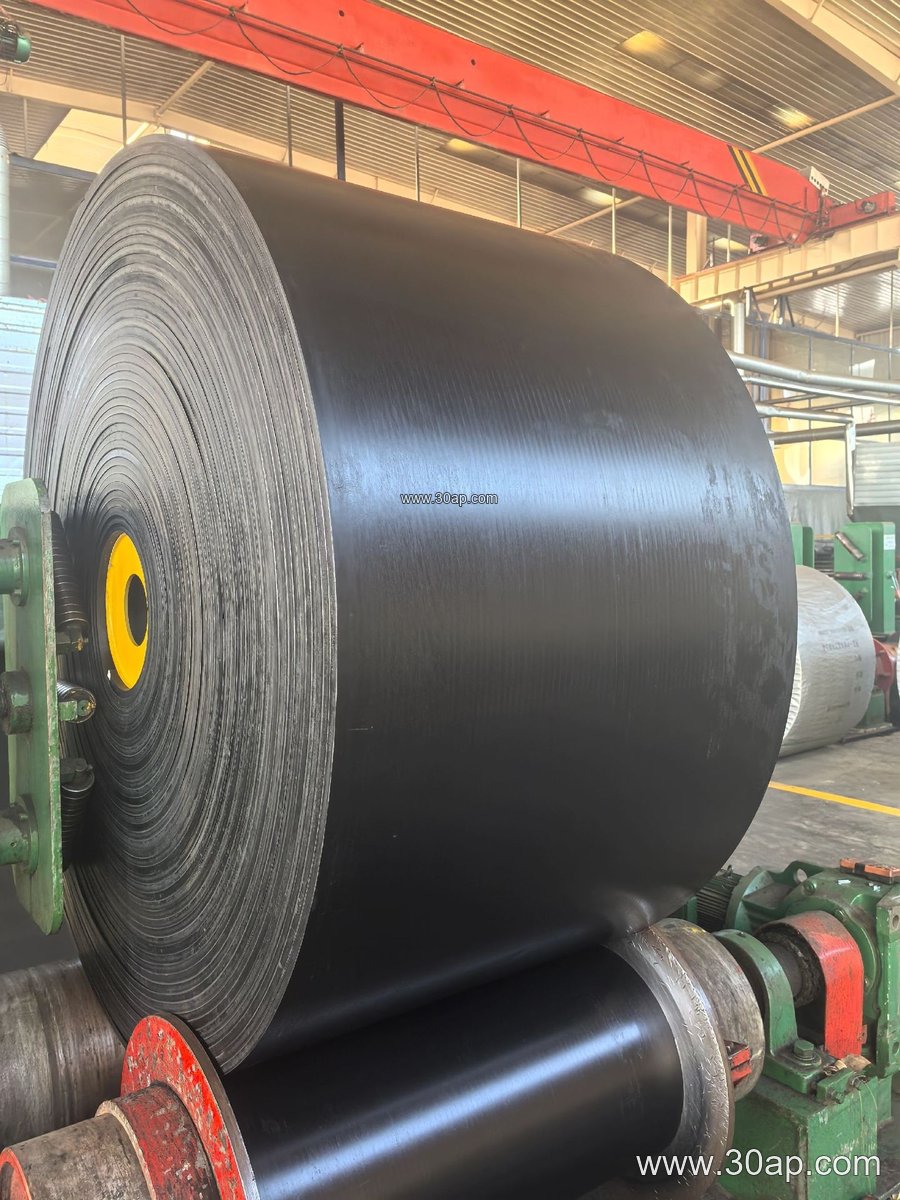
An underground coal mining conveyor belt is the load-carrying element of a belt conveyor system installed in mine roadways, drifts and transfer galleries. Its job is to move run-of-mine coal continuously from the working face or a section conveyor to the main haulage route and then to the surface. Unlike a surface yard belt, it works in confined spaces with limited headroom, dust, moisture and strict fire-safety expectations, so the belt construction and the rubber compound both matter.
The same product is also described as an underground conveyor belt, a coal mining conveyor belt or a mining conveyor belt for underground service. These are equivalent names for the same item; the subtype qualifiers such as flame retardant, anti-static or abrasion resistant describe the cover compound and must not be dropped when the duty calls for them.
Construction of the Belt
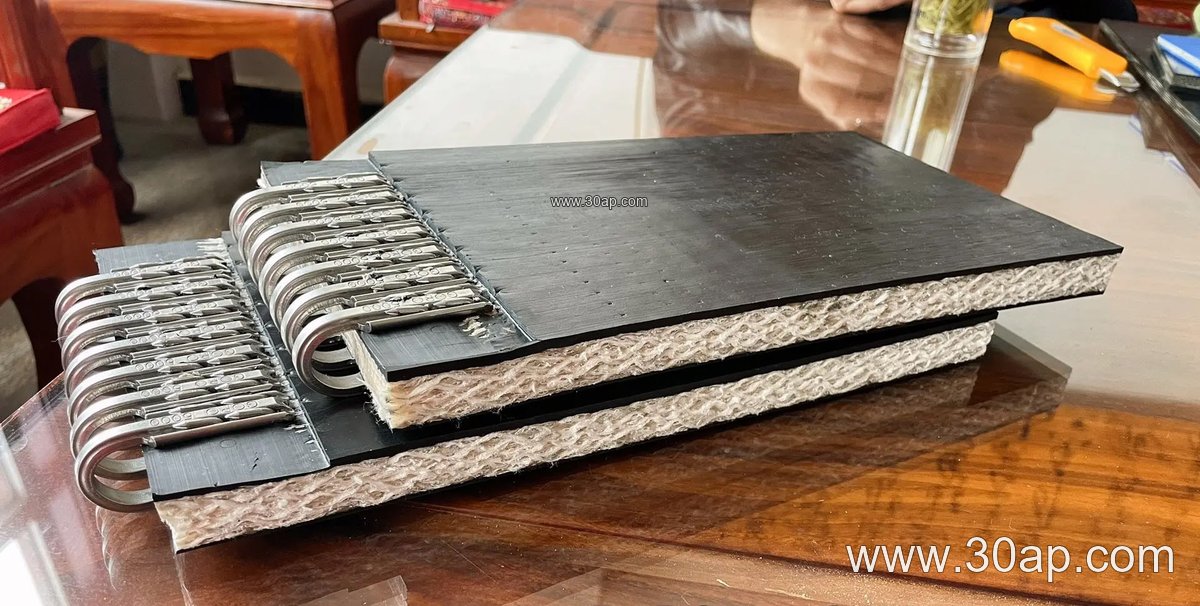
Most underground coal belts are fabric-cored. A multi-ply fabric core conveyor belt uses two to six plies of EP or NN fabric, and the plies are bonded with skim rubber between them. EP conveyor belt (polyester warp, nylon weft) is common because it stretches little under load, while NN conveyor belt stretches more but absorbs impact well at transfer points. For long main haulage inclines with high tension, a steel cord conveyor belt may be chosen, but it is a different construction and is not a substitute for a fabric belt in every roadway.
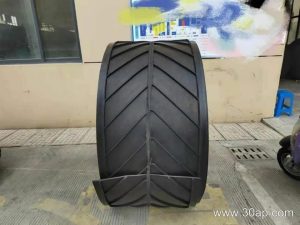
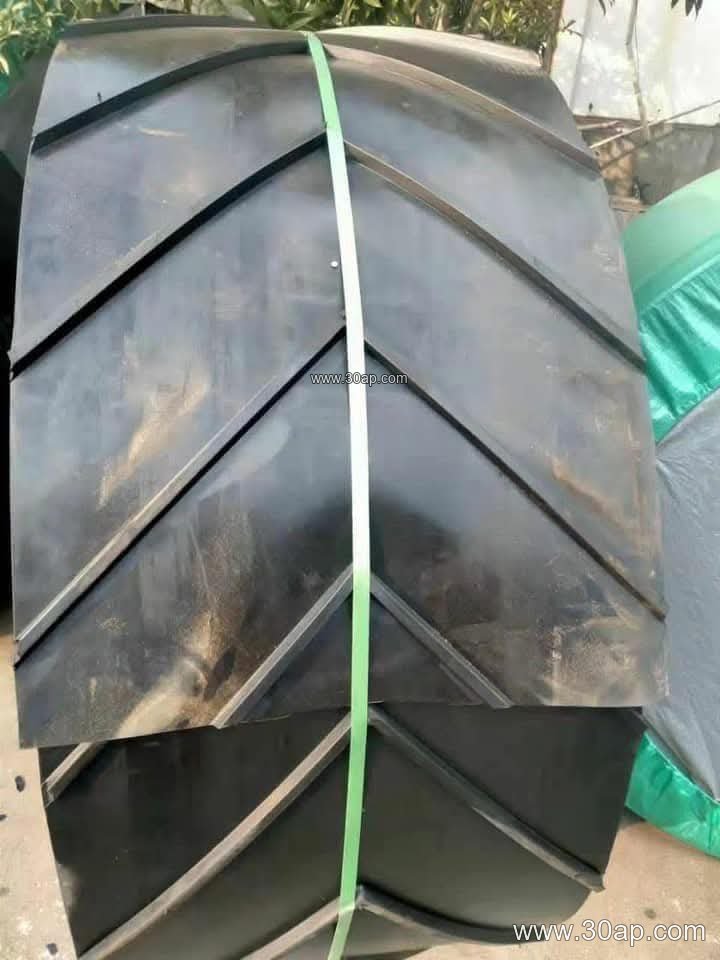
Rubber covers are specified by thickness, for example 4+2, 5+2 or 6+2 mm top and bottom, and by grade. Underground coal service usually asks for a flame retardant conveyor belt with anti-static properties. Where the coal is wet or the rock is sharp, an abrasion resistant conveyor belt cover reduces gouging. A chevron conveyor belt or a corrugated sidewall conveyor belt belongs to inclined or steep sections and is a separate design, not a replacement for a flat belt on the main line.
Supporting Equipment Around the Belt
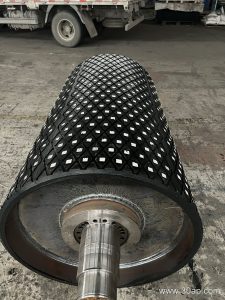
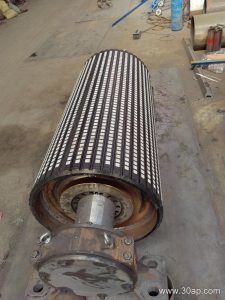
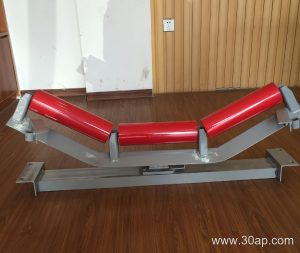
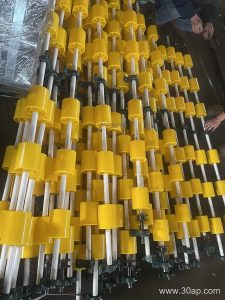
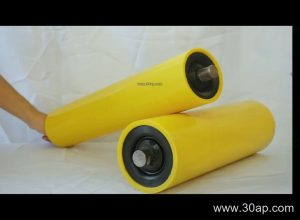
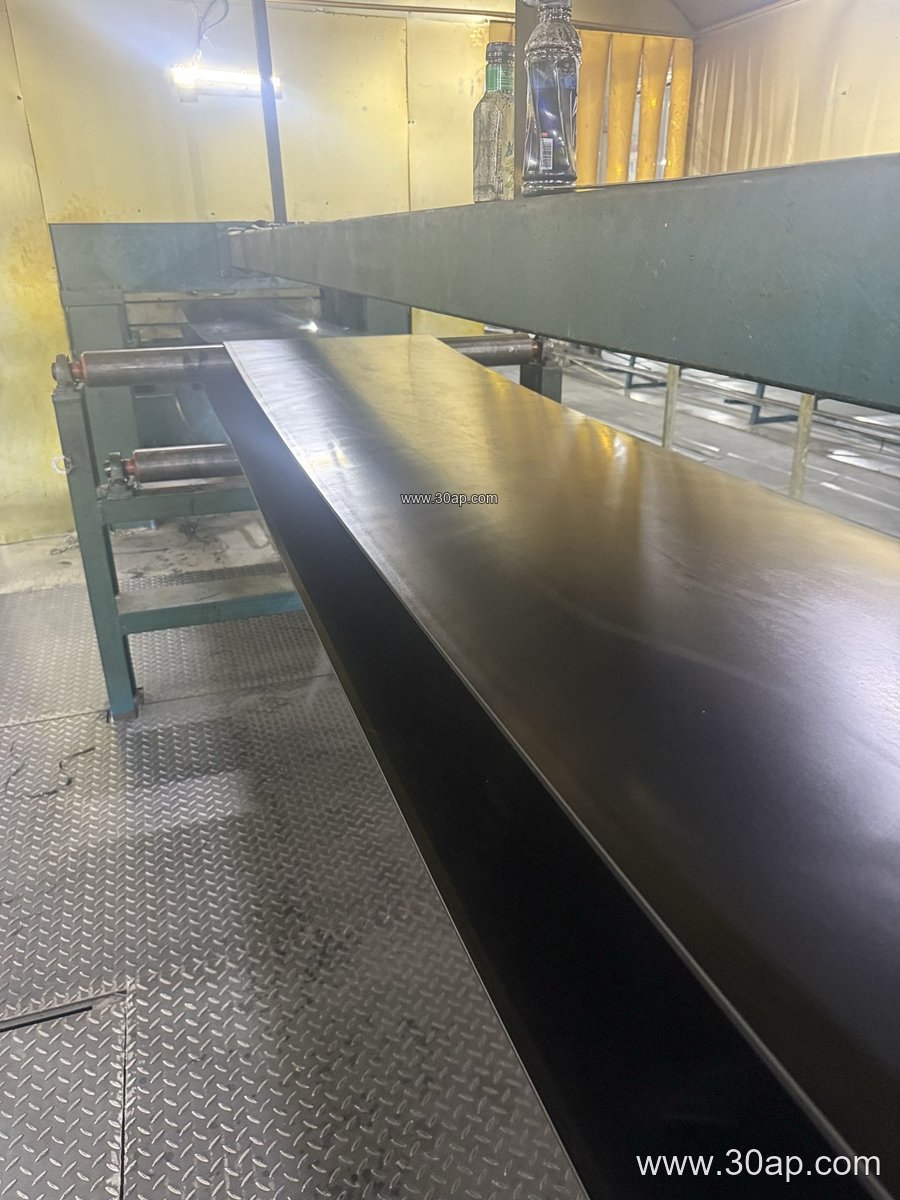
The belt only works as part of a system. A conveyor pulley at the drive end transmits power, a tail pulley returns the belt, and bend pulleys route it through take-up and transition zones. Drive, tail and bend pulleys are not interchangeable, and each is sized for its own load and wrap angle. Idler roller sets support the carrying and return strands; a conveyor bracket holds the idlers and frames in alignment. Uneven idler spacing or a misaligned pulley quickly damages the belt edge.
Common Reference Data
The table below lists reference values often used when specifying an underground coal mining conveyor belt. They are typical ranges, not fixed combinations, and every project should confirm its own design.
| Parameter | Common reference values |
|---|---|
| Belt width | B500, B650, B800, B1000, B1200, B1400, B1600, B1800, B2000 |
| Fabric core type | EP or NN, 2 to 6 plies |
| EP strength grades | EP200, EP315, EP400, EP500, EP630, EP800, EP1000, EP1250 |
| Steel cord grades (where used) | ST1000, ST1250, ST1600, ST2000 |
| Cover thickness | 3+1.5, 4+2, 5+2, 6+2, 8+3 mm |
| Cover properties | flame retardant, anti-static, abrasion resistant, heat resistant, oil resistant, cold resistant |
Where It Is Used
Underground coal is the main duty, but the same belt family appears in other bulk material conveyor belt work. In a coal preparation plant, a cement plant or a power plant coal yard, a flame retardant conveyor belt with anti-static cover is often specified. In a quarry, a stone crushing line or a sand making plant, an abrasion resistant conveyor belt is more important than flame resistance. Iron ore, copper ore and other ore conveyor belt duty may call for a heavy-duty mining conveyor belt with thicker covers, while a port or ship loading conveyor belt usually runs at higher tension and may use steel cord construction.
What a Buyer Should Check
- Confirm the required flame retardant and anti-static grade for the mine roadway, and keep those qualifiers in the purchase description.
- Match belt strength to the calculated tension, not to a habit. A wider belt does not automatically mean a stronger one, and belt width alone does not fix pulley or shaft dimensions.
- State cover thickness and compound type clearly, for example 6+2 mm abrasion resistant, rather than only the belt width.
- Check splice method and edge condition, because most underground belt failures start at the joint or the edge.
- Review the pulley and idler roller arrangement together with the belt, since transition distances affect edge stress.
A well specified underground coal mining conveyor belt is a system decision: fabric type, strength grade, cover compound and width are chosen together with the pulleys, idlers and brackets that carry it. For related belt and component options, see conveyor belt, idler roller and conveyor pulley references, and confirm final data against the project design.