What a 2200mm Conveyor Belt Is
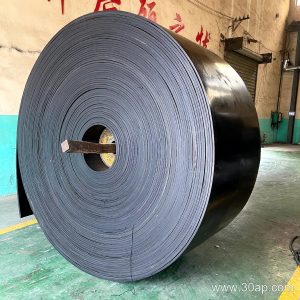
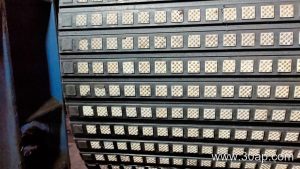
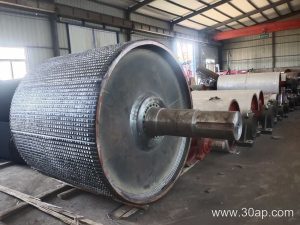
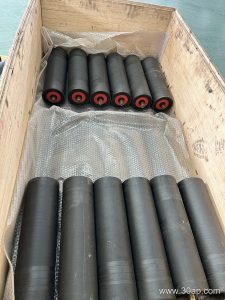
A 2200mm conveyor belt is a wide-format belt designed for high-volume material transport. At 2.2 meters across, it sits among the widest standard belt widths, often grouped with extra-wide conveyor belt constructions. This width allows a single conveyor line to carry large tonnages without excessive belt speed, making it suitable for primary crushing circuits, bulk terminal loading, and heavy-duty mining operations. The belt itself is the load-bearing surface; it works with idler rollers, conveyor pulleys, and conveyor brackets to form a complete conveying system.
Construction and Material Options
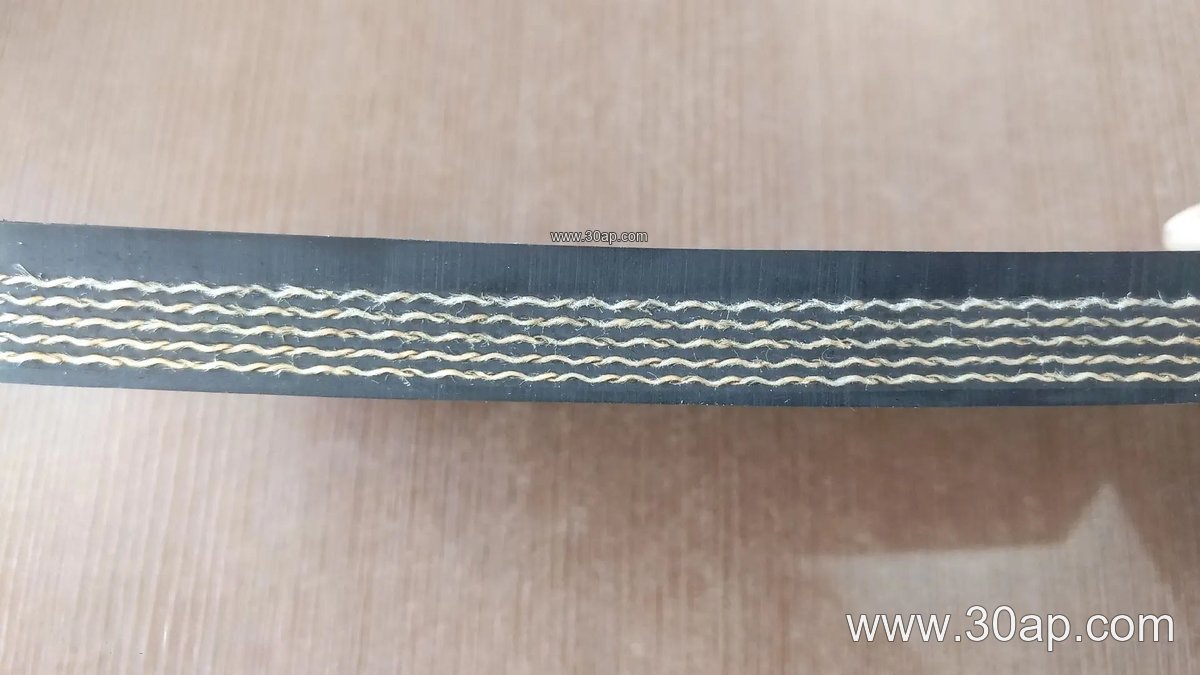
The 2200mm width can be manufactured with several carcass types. Fabric-core belts, such as EP conveyor belt or NN conveyor belt, use multiple plies of synthetic fabric for flexibility and impact resistance. Steel cord conveyor belt offers higher tensile strength for long-distance, high-tension applications. Cover rubber grades are selected to match the environment: abrasion resistant, heat resistant, oil resistant, flame retardant, and anti-static versions are common. Edge designs may include standard cut edges or molded edges to reduce fraying.
Typical constructions for this width include:
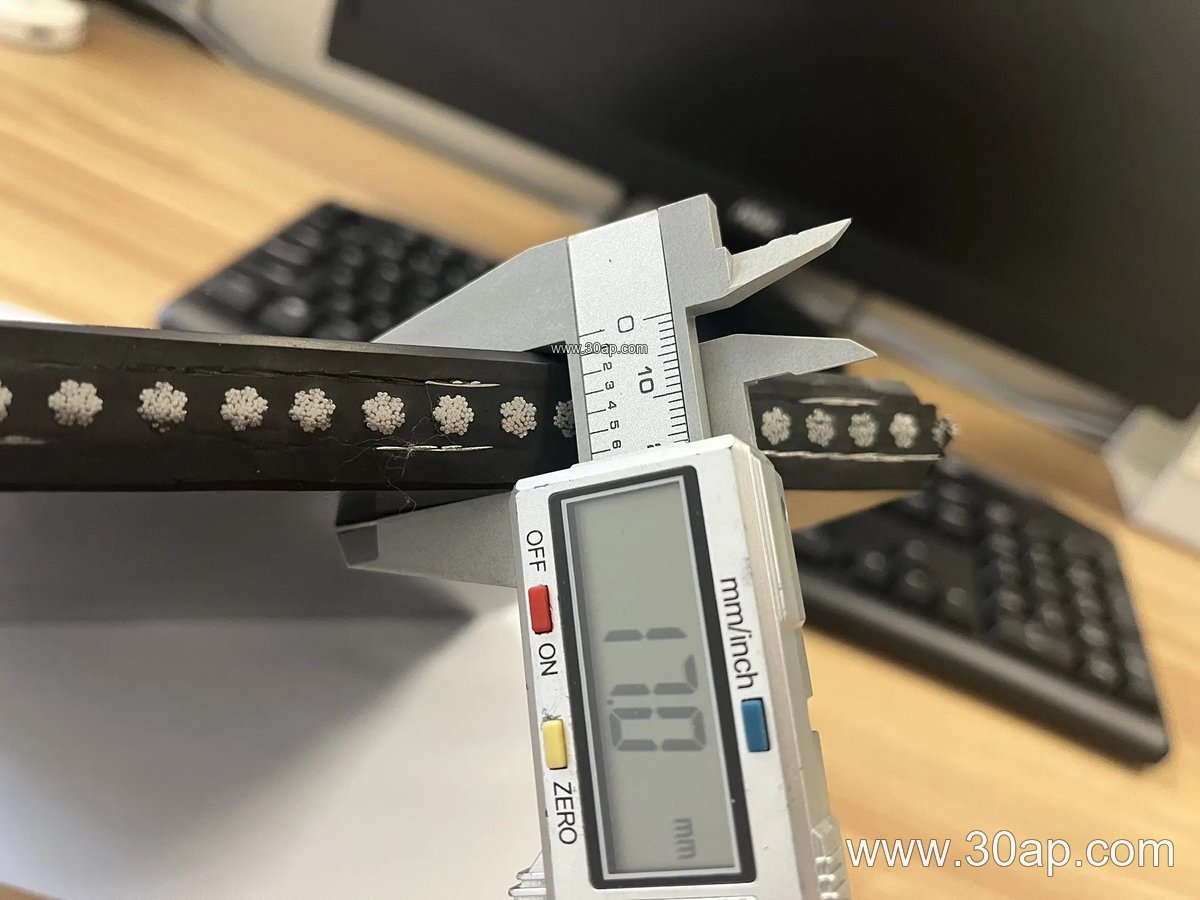
- EP fabric core with 3 to 6 plies, cover thickness from 4+2 mm to 8+3 mm
- Steel cord core for tension ratings from ST1000 to ST3150
- Specialty covers for high temperature, oil, or fire risk
These parameters are design-dependent; actual specifications should be confirmed with the manufacturer for each project.
Where 2200mm Belts Are Used
Wide belts shine in industries where lump size and throughput are high. In mining—including coal mining, iron ore, copper ore, and gold mining—a 2200mm belt can handle primary crushed rock directly from a crusher conveyor belt discharge. Quarries and aggregate plants use them to move large volumes of stone and sand. Cement plants employ wide belts for clinker and raw material transport. Power plants use them for coal handling, often with flame retardant or fire resistant grades. Ports and ship loading facilities rely on extra-wide belts to load bulk carriers efficiently.
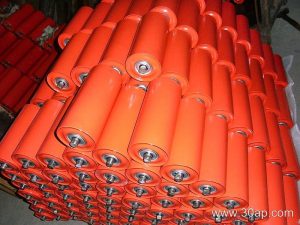
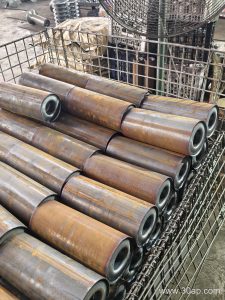
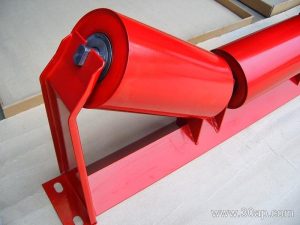
Because of the width, these belts require carefully matched conveyor pulleys, robust idler rollers, and heavy-duty conveyor brackets to maintain proper tracking and support. Drive and tail pulleys must be sized for the belt width and tension, not simply chosen by width alone.
Key Specifications and Selection Factors
When specifying a 2200mm conveyor belt, buyers should consider the following:
- Carcass type and strength: EP200 to EP2000, NN100 to NN400, or ST1000 to ST3150 depending on load and distance.
- Cover grade: abrasion resistant for minerals, heat resistant for cement or sinter, oil resistant for recycled materials, flame retardant for underground coal mining, anti-static for explosive dust atmospheres.
- Cover thickness: commonly 4+2 mm, 5+2 mm, 6+2 mm, or 8+3 mm; thicker covers suit high-impact points.
- Belt construction: endless conveyor belt for permanent installations, or open-ended with mechanical splices for ease of replacement.
- Special features: chevron conveyor belt or corrugated sidewall conveyor belt for inclined sections; skirted conveyor belt to contain material at transfer points.
Buyer Checklist
Before ordering a 2200mm belt, confirm the maximum lump size, material temperature, oil or chemical exposure, and required fire safety rating. Check that the conveyor structure—idlers, pulleys, and brackets—is rated for the belt width and the added weight of the wider belt. Consider the splice method and whether the belt will be installed as an endless loop or joined on site. Also verify that the selected cover grade matches the actual operating environment; for example, a heat resistant belt may be needed in a cement plant cooler discharge, while an abrasion resistant belt is typical for quarry conveyor belts handling sharp rock.
Finally, request the manufacturer’s recommended belt tension and pulley diameters for the specific carcass, rather than assuming a fixed relationship between belt width and pulley size. Proper engineering review ensures the 2200mm conveyor belt delivers reliable service in demanding bulk material handling systems.