What a Rubber Disc Return Idler Does
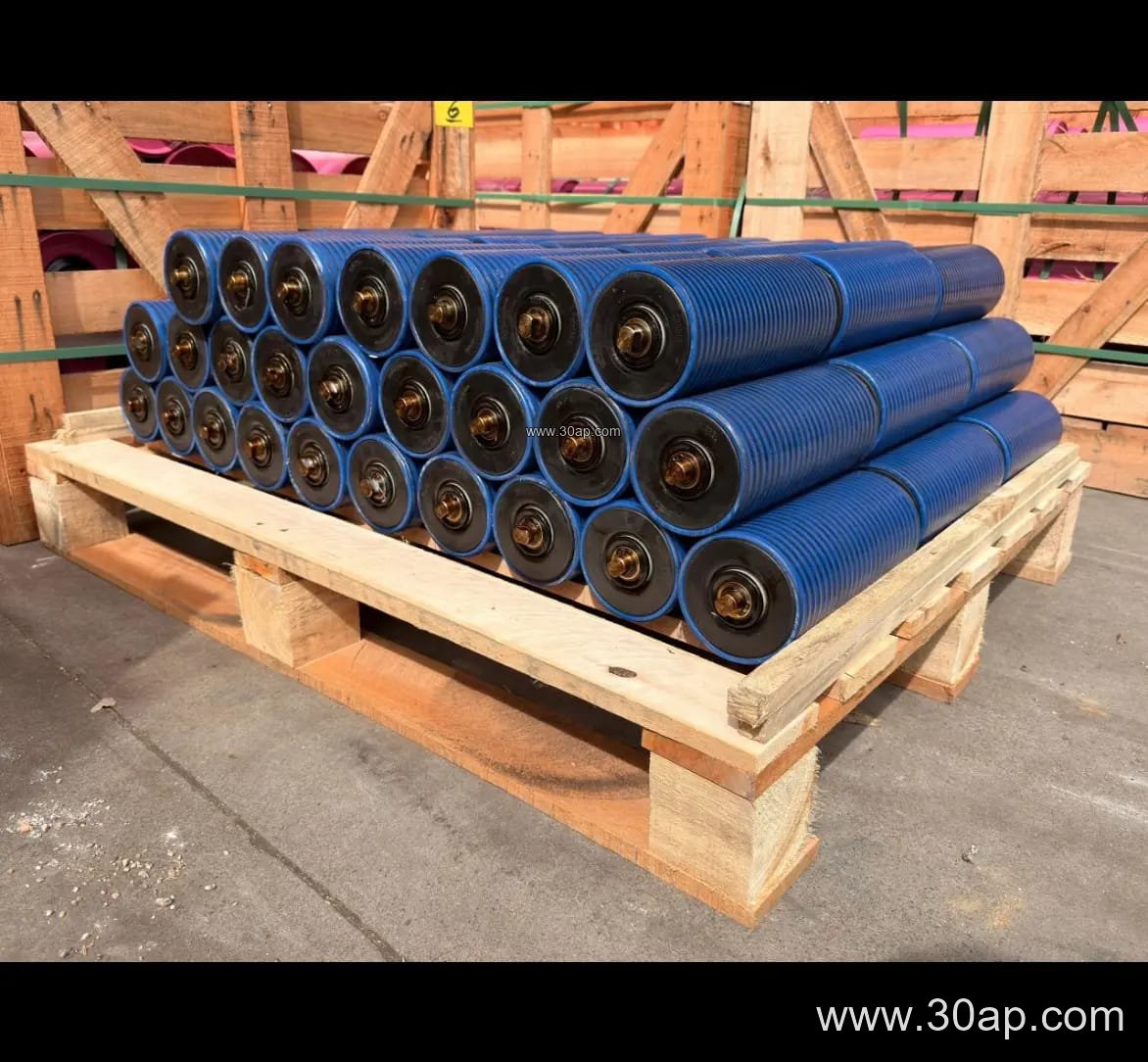
A rubber disc return idler is the roller that supports the empty, returning strand of a conveyor belt. Unlike a plain flat return roller, its shell carries a series of rubber discs, often called rubber rings, spaced along the shaft. These discs lift the belt slightly and absorb shock, and the gaps between them let fine material fall away instead of building up on the roller face. In a stone crushing line or a cement plant, that self-cleaning behavior is often the main reason an operator chooses this idler over a smooth steel return roller.
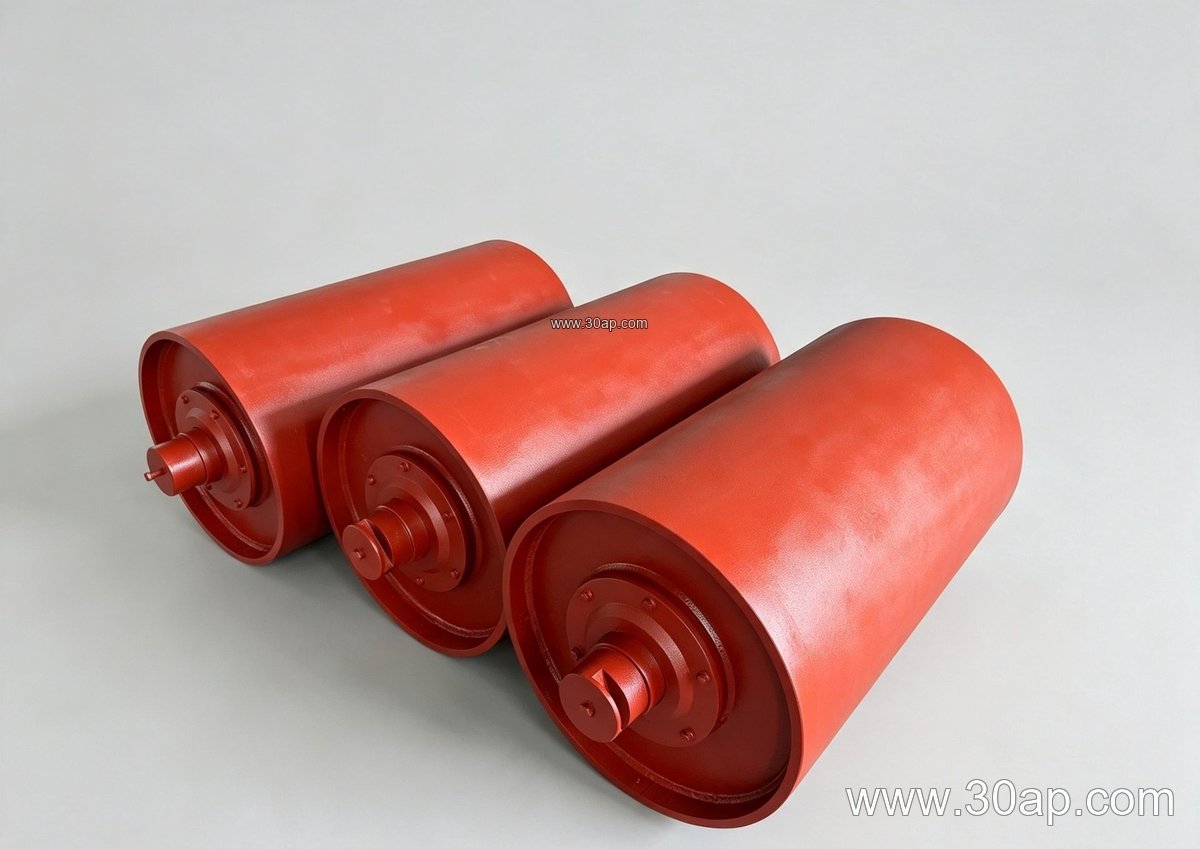
The product is also described as a rubber ring return roller or rubber disc carrying idler for the return side. Those names point to the same component. It should not be confused with a conveyor pulley at the drive, tail or bend position, which transmits power or changes belt direction rather than supporting the belt.
How the Idler Is Built
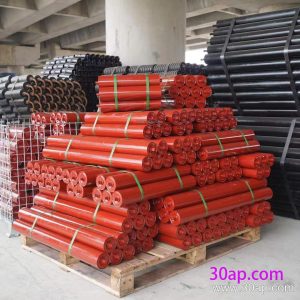
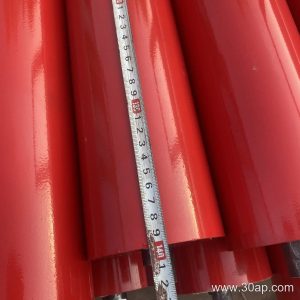
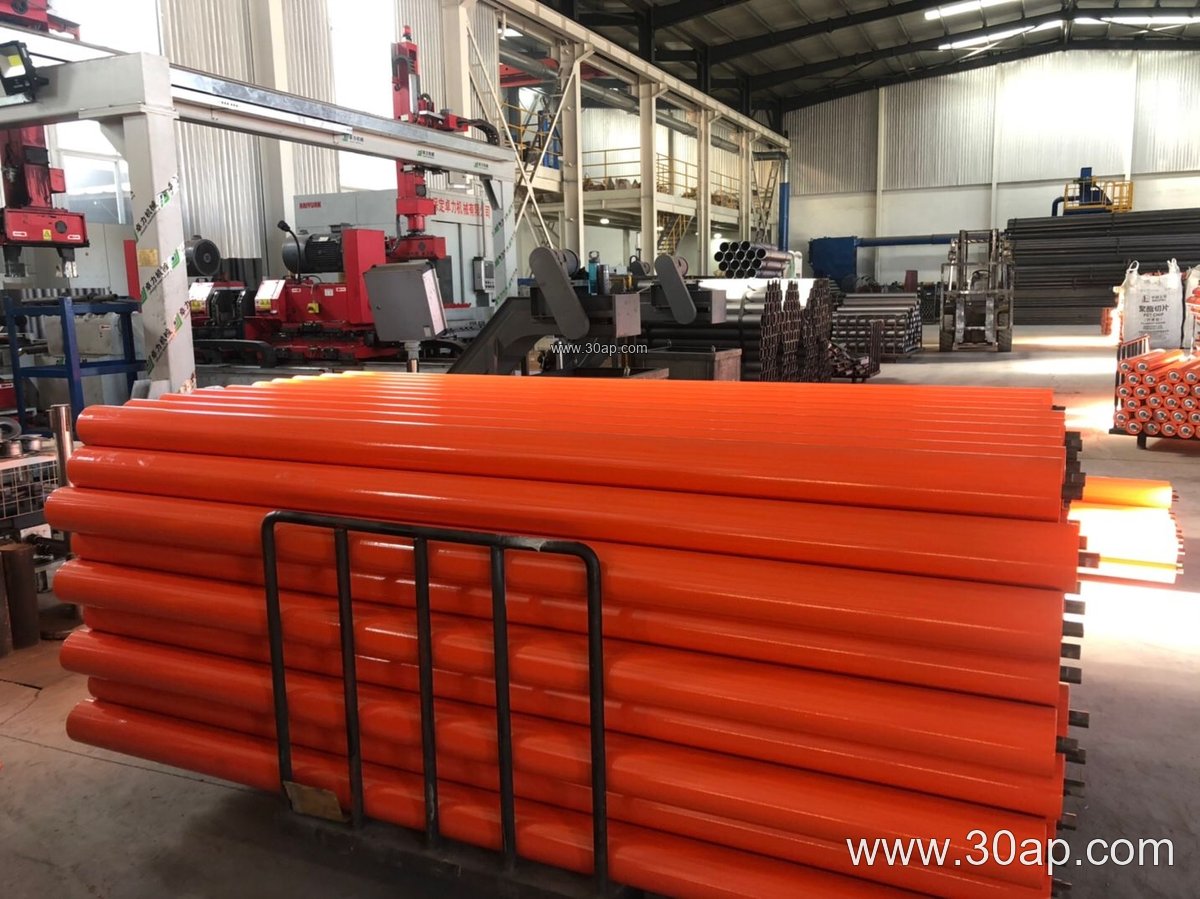
A typical unit combines a through shaft, stamped or cast bearing housings, sealed ball bearings and a steel tube shell. Rubber discs are pressed onto the shell or bonded to it, and the end discs usually sit close to the bearing caps to shield the seals. Common bearing sizes include 6204, 6205, 6305, 6306, 6308 and 6310, selected according to load and shaft design rather than tied to one roller diameter. Roller diameters such as Ø89, Ø108, Ø127, Ø133 and Ø159 mm appear in many return idler ranges, while larger sizes like Ø178, Ø194 and Ø219 mm serve heavy-duty circuits.
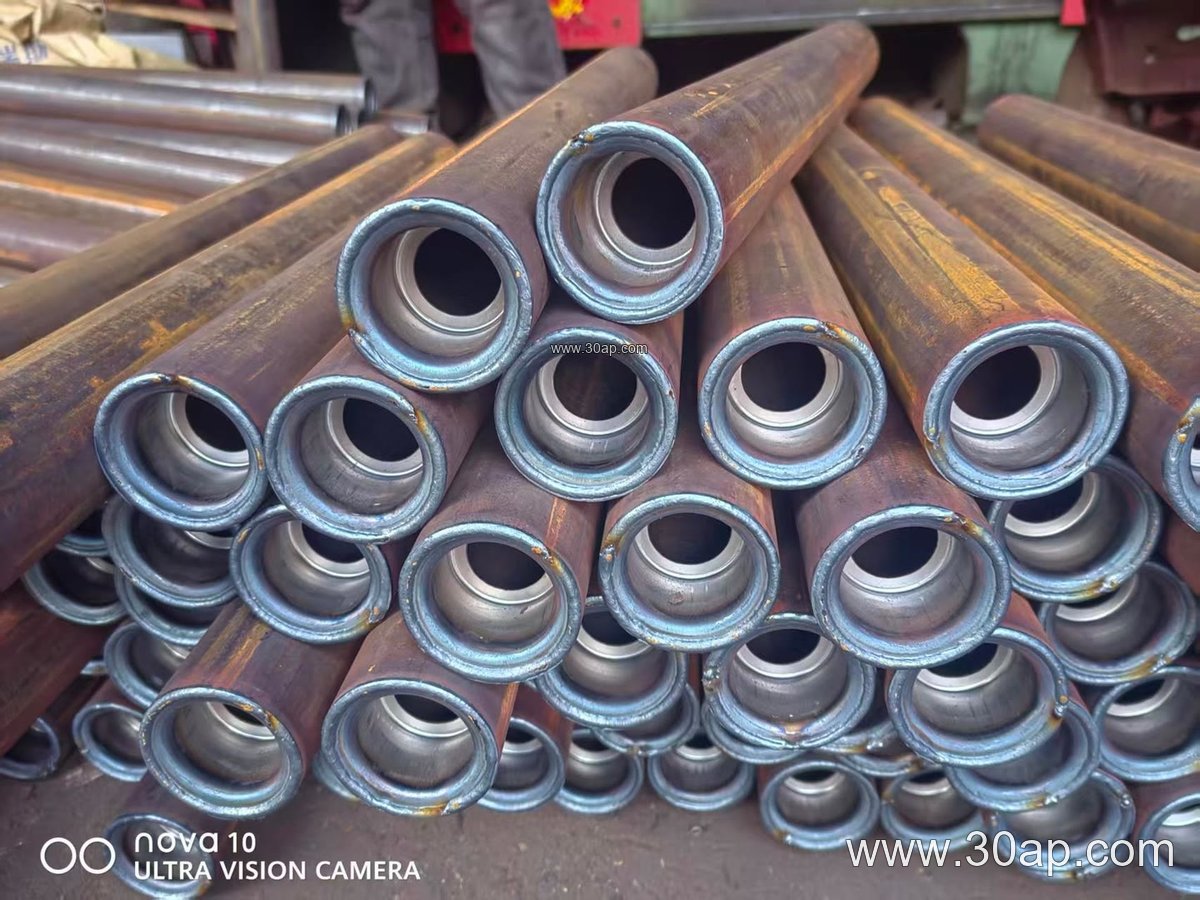
Disc hardness, thickness and spacing vary by maker. A softer disc cushions impact from lumpy ore; a firmer disc resists abrasion in a quarry conveyor belt line. Sealing quality matters as much as the rubber, because grit that reaches the bearing shortens life quickly.
Where It Fits on the Conveyor
The return idler sits under the carrying run, spaced along the return strand between the head and tail. In a coal mining conveyor belt or an underground coal mining conveyor belt, rubber discs help shed coal dust and reduce belt wear. In a power plant coal handling system or a limestone quarry, they also cope with damp fines that would otherwise stick to a steel shell.
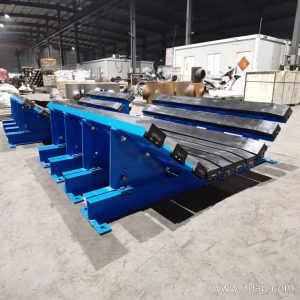
On the carrying side, troughing idlers and impact idlers do a different job. A rubber disc impact idler is sometimes used at transfer points to absorb falling material, but that is a carrying-side component, not a substitute for the return idler discussed here. Similarly, a V-shaped return roller set is a separate arrangement used for belt training on the return strand.
Common Dimensions and Matching
Return idler length follows belt width and frame design. The table below gives reference values only; actual roll length, disc count and shaft ends should be confirmed with the conveyor builder.
| Belt width | Typical return roll length | Common roll diameter range |
|---|---|---|
| B500 | about 200 mm to 600 mm | Ø89 to Ø108 mm |
| B650 | about 250 mm to 700 mm | Ø89 to Ø127 mm |
| B800 | about 315 mm to 800 mm | Ø108 to Ø133 mm |
| B1000 | about 380 mm to 1000 mm | Ø108 to Ø159 mm |
| B1200 | about 465 mm to 1200 mm | Ø127 to Ø159 mm |
| B1400 | about 530 mm to 1400 mm | Ø133 to Ø178 mm |
| B1600 | about 600 mm to 1600 mm | Ø133 to Ø194 mm |
| B1800 | about 670 mm to 1800 mm | Ø159 to Ø219 mm |
| B2000 | about 750 mm to 2000 mm | Ø159 to Ø219 mm |
These figures are examples, not fixed pairings. A wide belt does not force one shaft diameter, and a given belt width can be served by more than one pulley diameter at the head end. The conveyor bracket, frame gauge and bearing housing type decide how the idler mounts, so buyers should send the existing part number or a drawing when ordering.
Buyer Checklist
- Confirm belt width, return strand layout and the mounting bracket style.
- Check disc material and hardness against the material handled, whether abrasive ore, wet sand or hot clinker.
- Review bearing size, seal type and lubrication approach for the duty cycle.
- Ask how the discs are fixed and whether replacement discs are available.
- Match the idler to the belt speed and load, not only to the belt width.
For plants running heavy belts, the return idler is a small part of the conveyor but a frequent maintenance item. Choosing a rubber disc design that suits the material and the environment keeps the belt running straighter and reduces downtime on the whole line.