What a V-Type Idler Bracket Does
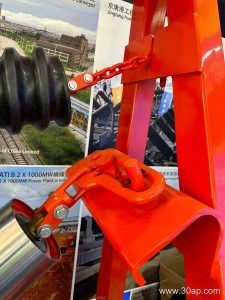
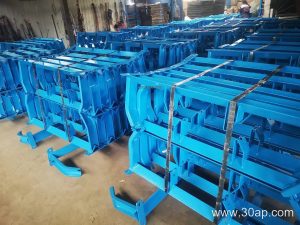
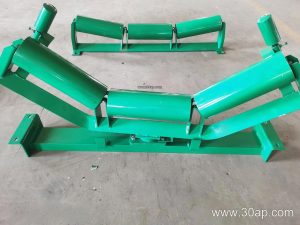
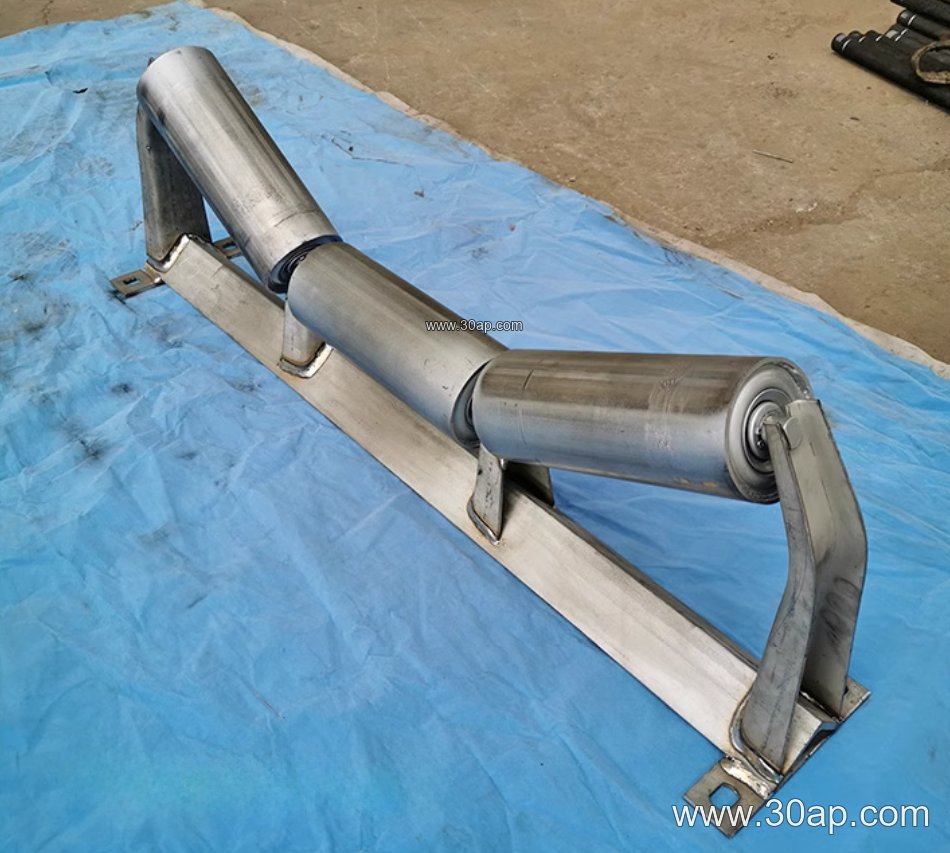
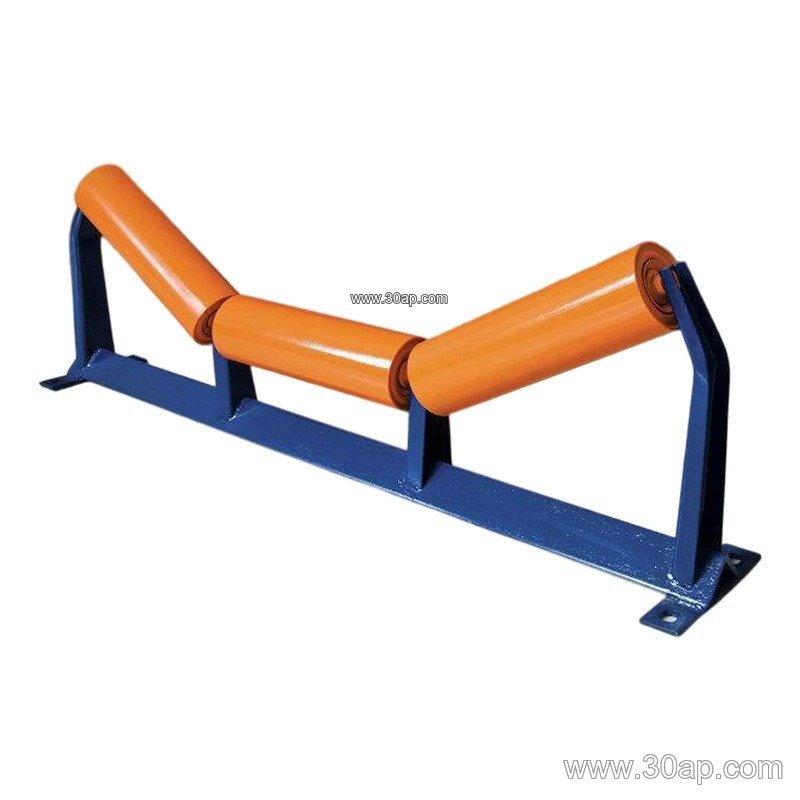
A V-Type Idler Bracket is a return-side support component that holds two idler rollers in a V configuration beneath the conveyor belt. Unlike a flat return bracket that carries the belt on a single horizontal roller, this bracket angles the rollers upward toward the center, creating a trough that helps center the belt and shed loose material. In a quarry or a coal handling plant, that gentle V shape keeps the return strand tracking straighter and reduces spillage buildup on the structure. The bracket works together with the conveyor belt and the return idler rollers to complete the lower run of the conveyor.
Construction and Common Materials
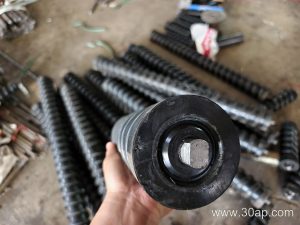
Most V-Type Idler Brackets are fabricated from angle steel, channel steel, or folded steel plate. The two inclined arms are welded or bolted to a crossbeam that mounts to the conveyor stringers. Idler rollers sit in slots or notches on the inclined arms, and the V angle is fixed by the bracket geometry. Common return roller diameters include Ø89, Ø108, Ø133, and Ø159, selected according to belt width and load. For wider belts such as B1400 or B1600, heavier channel sections are usually chosen to resist bending. The bracket is a structural part, so weld quality and hole alignment matter as much as the steel grade.
Where It Fits in a Conveyor
The V-Type Idler Bracket is installed on the return strand, between the tail pulley and the drive pulley, usually spaced at regular intervals. It is not a substitute for a bend pulley or a tail pulley; those are separate components with different functions. In a cement plant or a power plant coal yard, the return side often collects fines, and the V shape helps guide the belt back to center. In a sand and gravel line, the bracket also protects the belt from running off track after a crusher discharge. A common arrangement for a B1000 belt might use 35-degree troughing idlers on the carrying side and V-type return brackets below, with Ø108 return rollers.
Selection Notes for Buyers
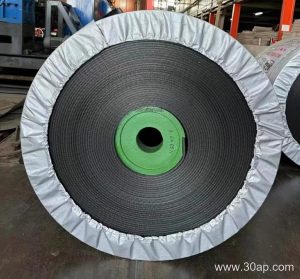
Buyers should match the bracket to belt width, return roller diameter, and the required V angle. Standard belt widths range from B500 to B2200, and the bracket crossbeam length and mounting hole spacing change accordingly. A B650 conveyor may use Ø89 rollers, while a B1200 system often uses Ø133 or Ø159. The V angle is typically fixed, but adjustable brackets allow fine tuning during installation. When specifying, confirm the stringer hole pattern and the roller shaft diameter. The bracket should also suit the belt type in service: a heavy-duty mining conveyor belt or a steel cord conveyor belt may call for a more robust frame than a light fabric core belt.
Installation and Maintenance Tips
Align the bracket square to the conveyor centerline and check that both inclined arms sit at the same height. Idler rollers should turn freely in their slots; a seized roller will wear the belt edge and can damage the bracket. Inspect welds and mounting bolts during scheduled shutdowns, especially in high-vibration areas near a crusher or a transfer point. Keeping the return strand clean reduces material buildup that can lift the belt off the V rollers. For abrasive service, such as an iron ore or copper ore conveyor, consider wear-resistant roller shells and check bracket wear at the contact points.
Related Components and Belt Compatibility
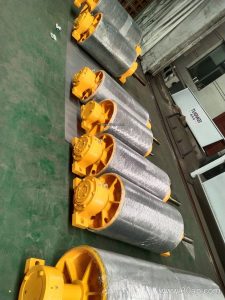
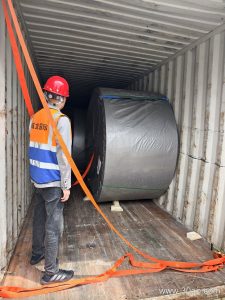
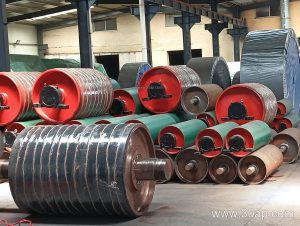
The V-Type Idler Bracket works as part of a system that includes the conveyor pulley, the idler roller, and the belt itself. In a coal mining conveyor or an underground mining conveyor, flame retardant and anti-static belt properties are important, but the bracket remains a steel support item. For a pipe conveyor belt or a corrugated sidewall conveyor belt, the return support arrangement may differ, so confirm the bracket type with the conveyor designer. The bracket does not change belt specifications; it only supports the return run. Common references such as B800 with 30-degree idlers and Ø108 rollers, or B1200 with 45-degree carrying idlers and Ø133 return rollers, are starting points rather than fixed rules.