What a Heavy-Load Idler Does on a Conveyor
A heavy-load idler is the carrying or return roller built to support the belt and the material on it where tonnage, lump size and continuous operation put real stress on the rotating parts. In a quarry, a limestone mine or a crushing and screening line, the belt may be loaded with sharp rock at high throughput, and the rollers underneath have to keep turning without seizing, flexing or wearing through the shell. The same applies in a cement plant handling clinker and raw meal, or in a power plant coal yard where dust and moisture are constant companions.
The idler is a simple assembly in principle: a steel tube shell, a shaft, bearing housings at each end, and a sealing arrangement that keeps grit and water away from the bearing. What separates a heavy-load idler from a light-duty roller is the wall thickness of the shell, the bearing size, the weld quality and the seal design. On a conveyor belt carrying coarse ore, a failed roller can cut the belt or start a fire, so the extra material and machining are not cosmetic.
How the Roller Is Built
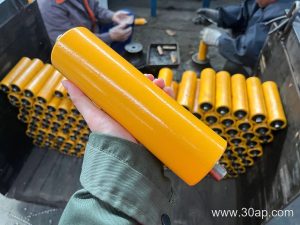
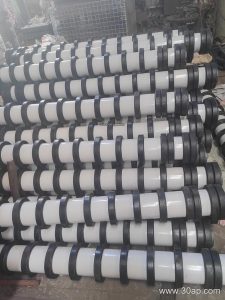
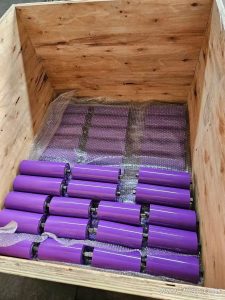
The shell is usually a steel tube with machined ends, and the shaft runs through the bearing housings. Common bearing sizes for this class of roller include 6205, 6305, 6306, 6308 and 6310, matched to the load and the shaft diameter rather than to belt width alone. Seals may be labyrinth type, contact lip seals or a combination, and the choice matters in wet washing plants and dusty transfer points. Roller surfaces can be plain steel, nylon, ceramic or rubber-ringed depending on whether the goal is abrasion resistance, belt protection or material build-up control.
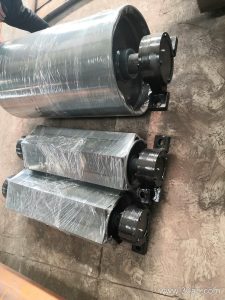
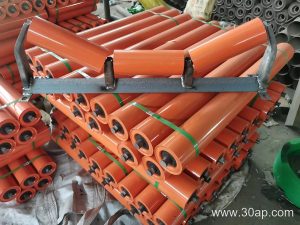
Heavy-load carrying idlers are normally arranged in three-roll troughing sets, with trough angles of 20, 30, 35 or 45 degrees. The transition idler near the pulley uses a smaller angle to ease the belt from flat to troughed. Return idlers may be flat or V-shaped, and impact idlers with rubber rings are placed under the loading point where the material drops onto the belt. A heavy-load idler is not a substitute for a drive pulley, tail pulley or bend pulley; those are different components with different duties, and the roller only supports the belt between them.
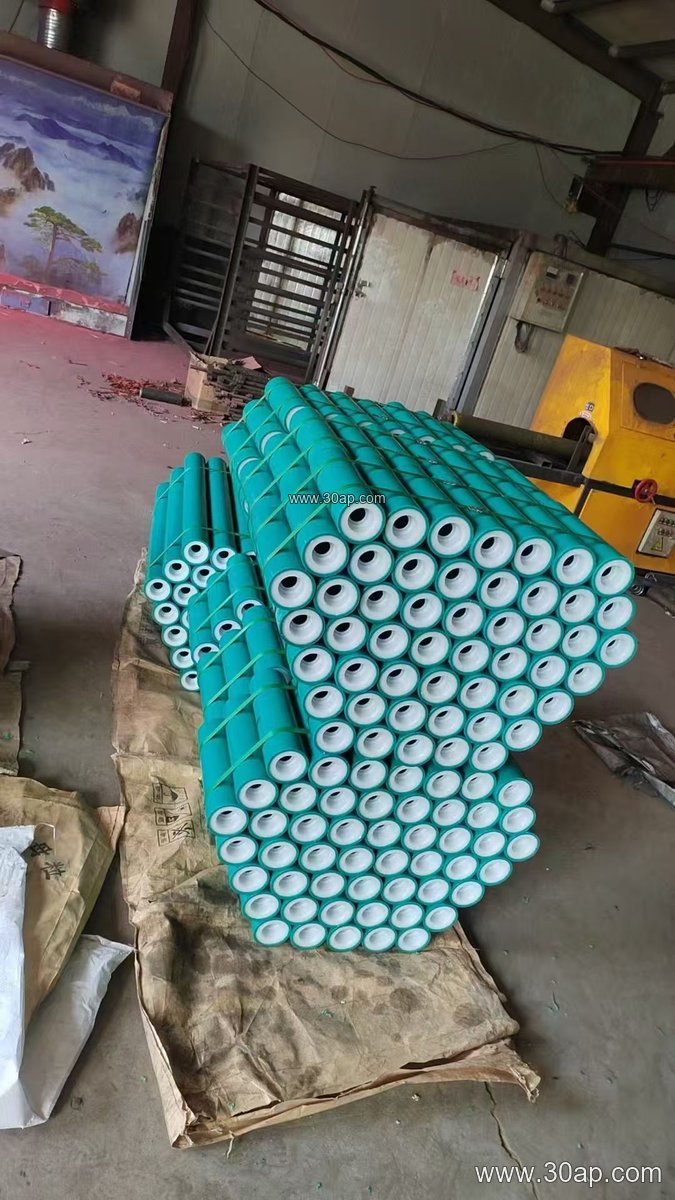
Typical Sizes and Arrangements
Roller diameter and length follow the belt width, the trough angle and the load. The figures below are common reference values, not fixed rules, and side rolls may differ from the centre roll.
- Roller diameters commonly seen: Ø89, Ø108, Ø127, Ø133, Ø159, Ø178 and Ø219 mm.
- Belt widths commonly served: B650, B800, B1000, B1200, B1400, B1600 and B1800.
- Three-roll troughing sets at B800 often use rolls around 315 mm long; at B1200 around 465 mm; at B1400 around 530 mm; at B1600 around 600 mm.
- Trough angles of 20, 30, 35 and 45 degrees; forward lean of about 1.5 to 2 degrees is used on training idlers.
These dimensions should be confirmed against the conveyor design, because belt speed, material density and lump size all influence the final choice. A wide, heavily loaded conveyor belt such as a 1200mm or 1400mm unit may need larger shafts and bearings than a narrow belt of the same length.
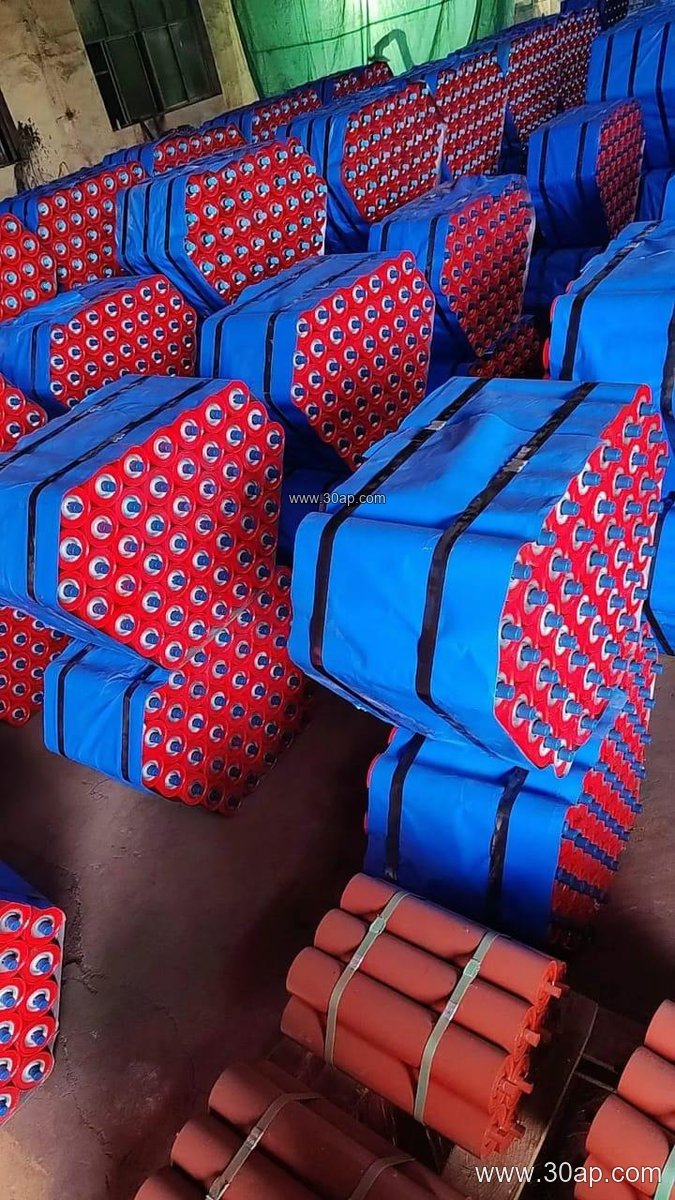
Where Heavy-Load Idlers Are Used
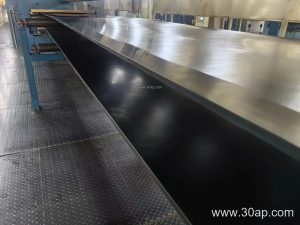
The most demanding applications are usually in bulk handling: iron ore and copper ore terminals, coal washing plants, sinter plants and steel works, aggregate quarries and tunnel spoil lines. In these places the belt may be an abrasion resistant conveyor belt or a flame retardant conveyor belt, and the roller has to tolerate dust, moisture and occasional spillage. A heavy-load idler is also useful on the return run of a long overland conveyor, where the belt itself is heavy and the rollers run continuously for years.
Selection should consider the environment as much as the tonnage. A roller with a good seal in a dry quarry may not last in a wet coal preparation plant. Buyers should ask about shell thickness, bearing brand and size, seal type, and whether the roller is balanced for the intended belt speed. Spare rollers and conveyor bracket compatibility should be checked before ordering, since frame dimensions vary between manufacturers.
What Buyers Should Check Before Ordering
Start with the belt width, trough angle and the position on the conveyor. Then confirm the roller diameter, the shaft end type and the frame fixing centres. Ask for the bearing designation and seal arrangement, and request the roller’s static load rating if it is available. For impact zones, specify rubber-ringed rollers rather than standard troughing idlers. For training sections, use self-aligning idlers with the correct forward lean.
Finally, plan maintenance. Idlers fail gradually, and a seized roller can damage the belt within hours. Keep a small stock of the most common sizes, and inspect the return side as often as the carrying side. A heavy-load idler is a modest component, but on a busy conveyor belt system it is the part that keeps the whole line turning.