What a Custom Conveyor Pulley Really Is
A custom conveyor pulley is a made-to-order drum that turns, tensions, or redirects a conveyor belt on a specific machine. Unlike a catalog item pulled from a shelf, it is built around the actual belt width, shaft load, lagging requirement, and mounting position of one conveyor line. In a quarry, a cement plant, or a coal handling system, that fit matters because the pulley is often the point where belt tracking, traction, and service life are decided. When the drum is sized and finished for the duty, the whole conveyor runs more smoothly; when it is not, belt mistracking and premature lagging wear follow quickly.
The same assembly is also called a custom conveyor drum or tailored belt pulley, and those names describe exactly the same product. Drive, tail, and bend pulleys are different roles, not interchangeable labels, so a buyer should always state which position the drum will fill.
Construction and the Parts That Matter
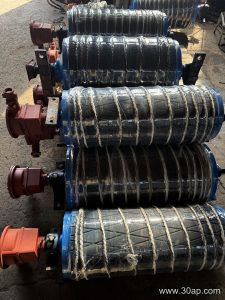
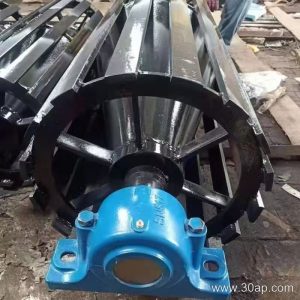
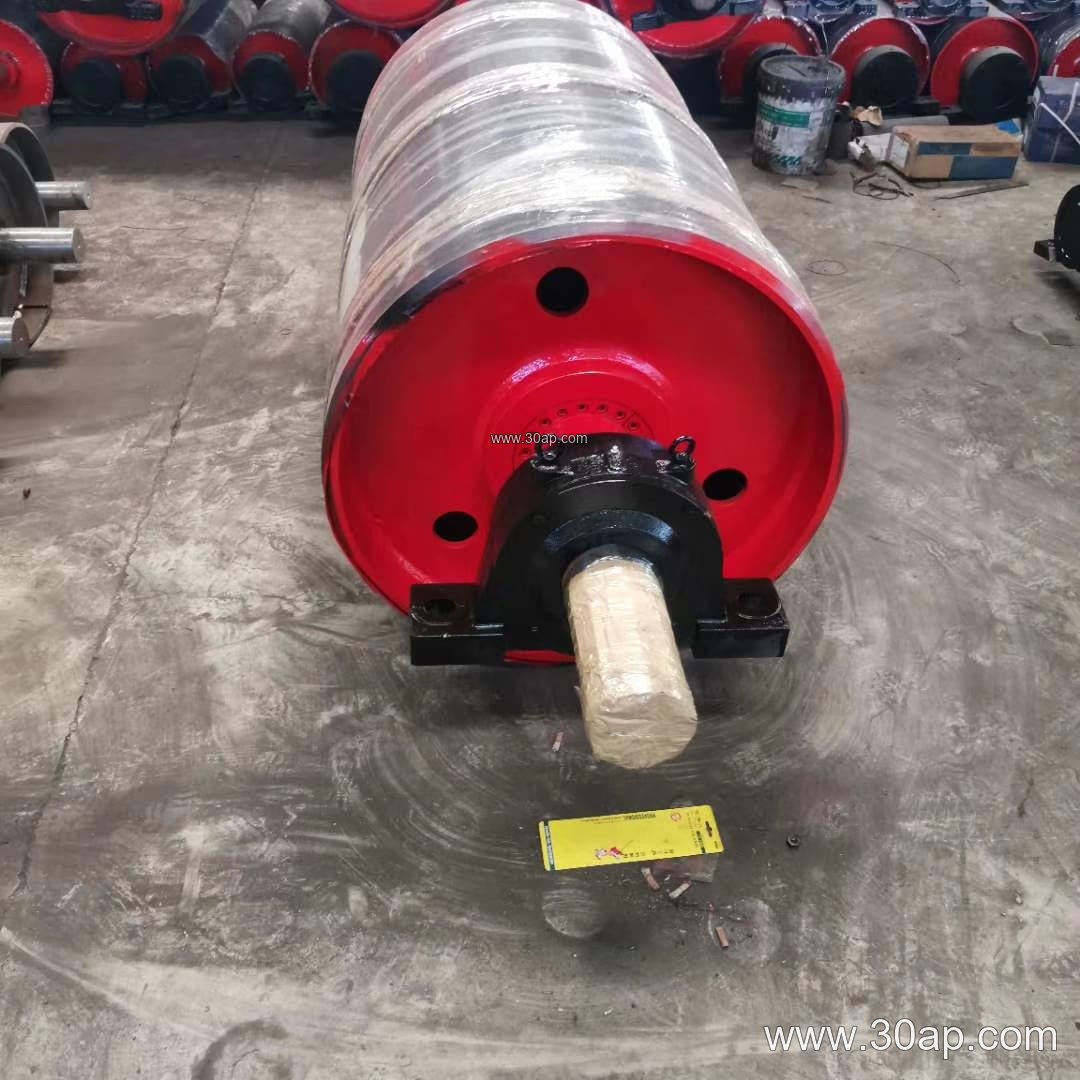
Most custom drums share a common anatomy: a rolled steel shell, two end discs, a through shaft or stub shafts, bearing housings, and a lagging surface. The shell is machined for concentricity, the shaft is keyed or shrink-fitted, and the whole unit is balanced before shipment. On heavy-duty mining conveyor belts, the shell thickness and weld quality carry much of the load, while the shaft diameter is set by torque and bearing reaction rather than by belt width alone.
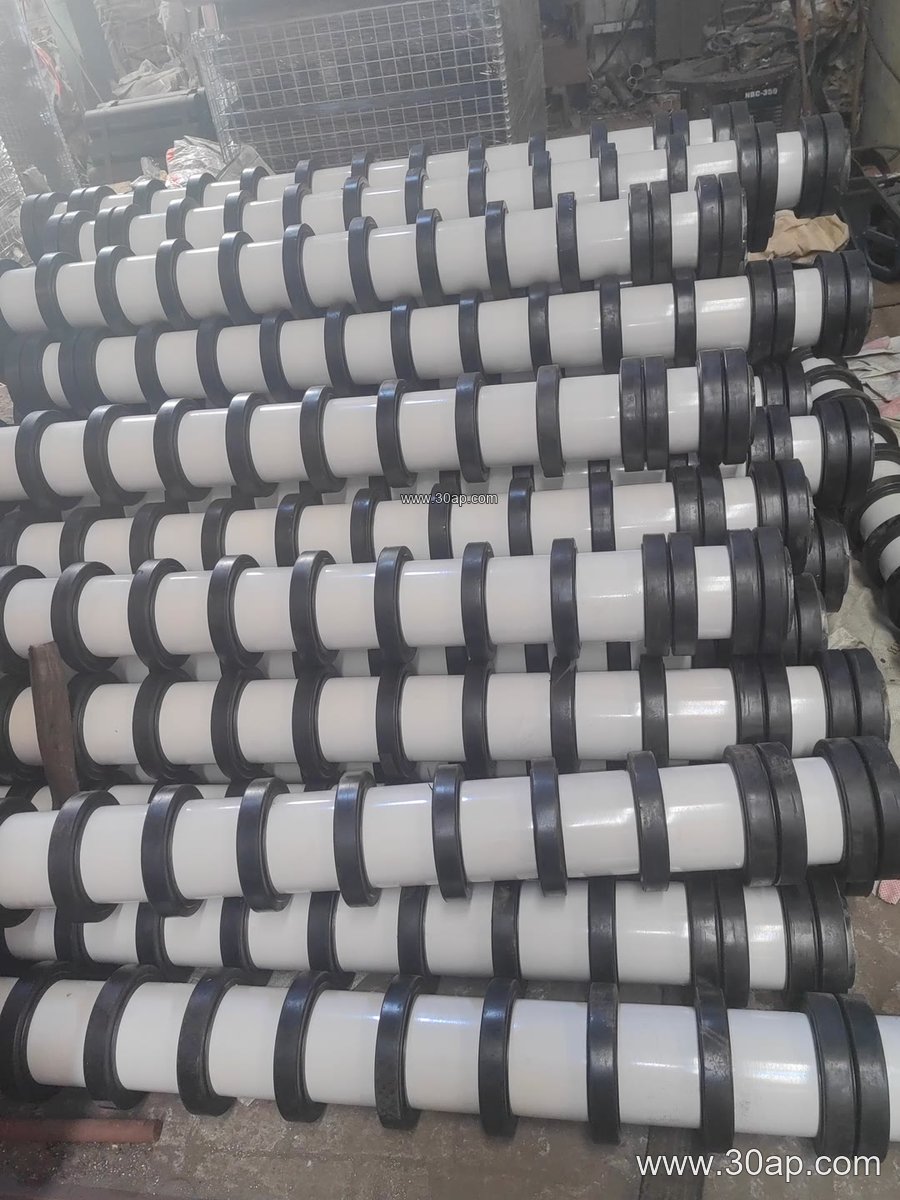
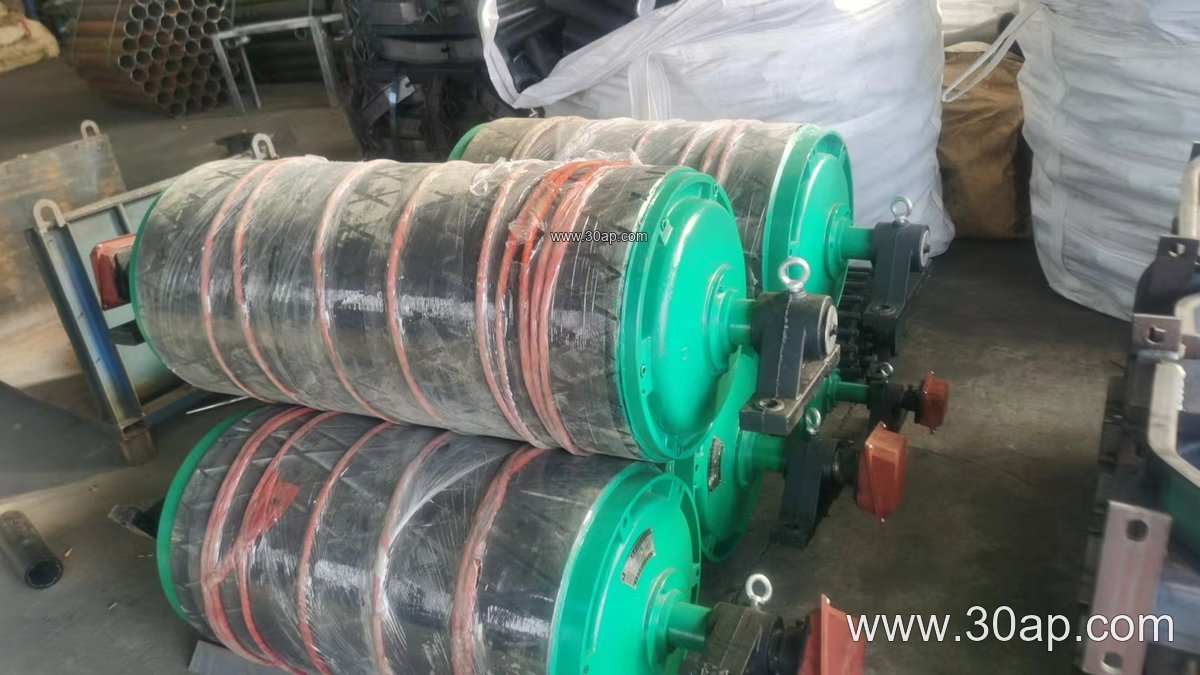
Surface finish is where customization shows most clearly. Plain shells suit some tail positions, while rubber lagging improves grip at the drive. Common lagging styles include diamond grooved, herringbone, ceramic, and plain rubber, usually in 8, 10, 12, 15, or 20 mm thickness. In wet or dusty conditions, grooved lagging helps shed water and fines; in a primary crusher discharge, ceramic tiles resist abrasive slip. The right choice depends on the material being carried and the amount of wrap around the drum.
Typical Sizes and Reference Data
Sizes are never universal, but the table below shows the kind of combinations that appear in project drawings. Treat these as reference values, not fixed pairings.
Common Pulley Face Widths
| Belt Width | Typical Pulley Face Width |
|---|---|
| B400 | about 500 mm |
| B500 | about 600 mm |
| B650 | about 750 mm |
| B800 | about 950 mm |
| B1000 | about 1150 mm |
| B1200 | about 1400 mm |
| B1400 | about 1600 mm |
| B1600 | about 1800 mm |
| B1800 | about 2000 mm |
Diameter and Shaft Reference
| Item | Common Range |
|---|---|
| Pulley diameter | Ø200, Ø250, Ø315, Ø400, Ø500, Ø630, Ø800, Ø1000, Ø1250, Ø1400, Ø1600, Ø1800 |
| Shaft diameter | Ø50, Ø60, Ø70, Ø80, Ø90, Ø100, Ø120, Ø140, Ø160, Ø180, Ø200 |
| Lagging thickness | 8, 10, 12, 15, 20 mm |
Combinations such as B800 × Ø500, B1200 × Ø1000, or B1400 × Ø800 are common, but no single belt width locks the drum to one diameter. Shaft size follows the calculated torque and bearing load, so it should be confirmed by the conveyor designer.
Where These Drums Are Used
In a limestone quarry or an aggregate crushing line, a custom conveyor pulley usually appears at the head drive and at the tail return. The head drum pulls the loaded belt, while the tail drum keeps it aligned as rock and dust drop onto the strand. In a coal washing plant or a power station coal yard, flame retardant and anti-static belt requirements often push the design toward careful lagging selection and robust sealing. Cement plants running clinker and limestone ask for abrasion resistant belt grades, and the drive drum must match that duty with strong traction and a shell that resists wear.
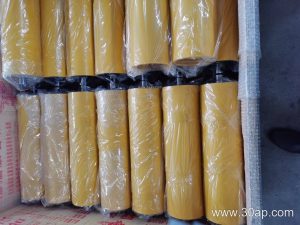
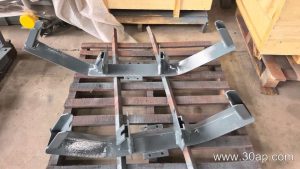
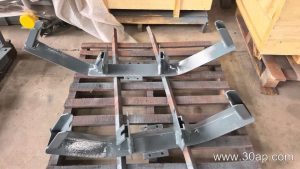
Port bulk terminals handling iron ore or fertilizer, and steel plants moving sinter, also rely on tailored drums. In each case, the pulley works together with the conveyor belt, conveyor idler rollers, and conveyor brackets, so the drum dimensions must line up with the frame and the belt path. A mismatch at one of these points shows up as edge wear or belt wander along the whole line.
What Buyers Should Confirm Before Ordering
- Position and role: drive, tail, take-up, snub, or bend. Each has different traction and wrap needs.
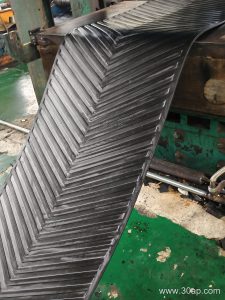
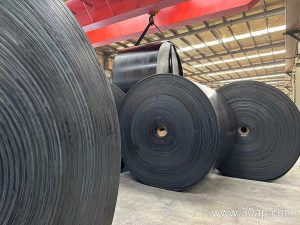
- Belt data: width, thickness, tension, and whether the belt is a heavy-duty mining conveyor belt or a lighter fabric core type.
- Lagging: plain, rubber, diamond, herringbone, or ceramic, with the thickness stated in millimeters.
- Shaft and bearing: shaft diameter, keyway, bearing type, and housing fit dimensions.
- Environment: dust, water, heat, oil, or corrosive spray, which affects sealing and surface choice.
A clear drawing with belt width, face width, diameter, shaft size, lagging pattern, and mounting hole layout removes most of the risk. It also lets the workshop verify balance and concentricity before the drum leaves the shop.
Maintenance Notes
Inspect lagging for glazing, chunking, or embedded stone, and check bearing temperature and grease condition on a regular schedule. Belt tracking should be checked after any drum replacement, because a new shell can change the contact line. Keeping spare wear parts such as lagging strips and bearings on hand shortens downtime in a busy sand and gravel plant or a tunnel mucking operation.
For more on matching drums with belts and rollers, see conveyor pulley and EP conveyor belt guidance, along with related conveyor idler information. A well-specified custom conveyor pulley is the quiet reason a conveyor keeps its line, shift after shift.