What the NN300 Conveyor Belt Is
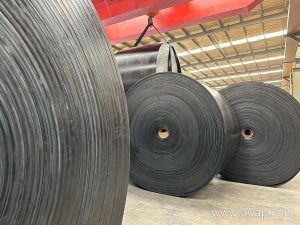
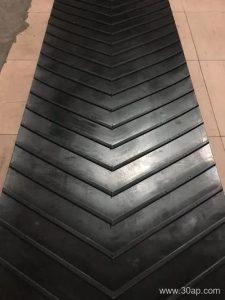
The NN300 Conveyor Belt is a multi-ply fabric core belt built on nylon (NN) canvas. The “300” refers to the nominal tensile strength of the carcass, commonly expressed in N/mm. In practice, an NN300 belt sits in the middle-to-heavy range of nylon fabric belts, above NN100 and NN200 but below NN400, and it is chosen where a conveyor needs more strength than light-duty fabric construction can offer without moving to a steel cord design. The accurate equivalent name for the same product is a nylon conveyor belt rated at 300, or a nylon fabric core belt with a 300-strength carcass.
Unlike a Steel Cord Conveyor Belt, which relies on steel wires for tension, this belt carries load through woven nylon plies bonded between rubber covers. That makes it flexible, resistant to fatigue, and reasonably tolerant of small pulleys and repeated flexing.
How the Belt Is Built
Construction follows the usual fabric belt route. Multiple nylon plies are calendered and assembled, then covered with top and bottom rubber. The cover grade is chosen for the duty: abrasion resistant, heat resistant, oil resistant, flame retardant, anti-static, or cold resistant. Edges may be cut and sealed or molded.
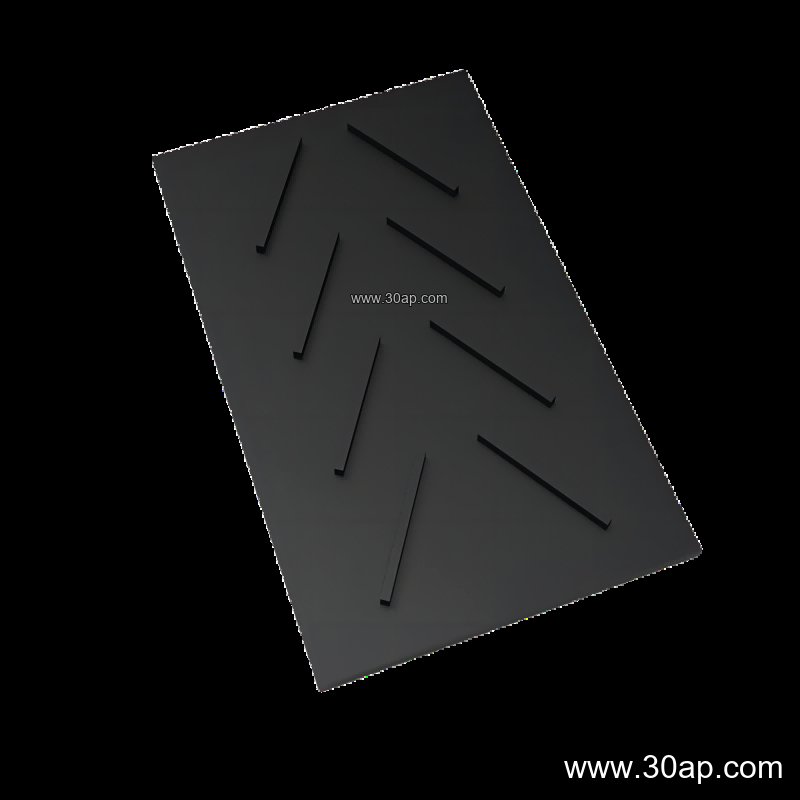
Typical build data for this class of belt, to be confirmed with the manufacturer, looks like this:
| Item | Common range (reference) |
|---|---|
| Carcass strength | NN300 (nominal) |
| Number of plies | 2 to 6 |
| Top / bottom cover | 4+2, 5+2, 6+2, 8+3 mm |
| Belt width | B650, B800, B1000, B1200, B1400, B1600 |
| Cover grades | Abrasion resistant, heat resistant, flame retardant, oil resistant |
These values are customary references, not fixed combinations. A buyer can specify an 800mm or 1200mm width with covers suited to the site, and the ply count is set by the conveyor design rather than by width alone.
Where It Fits on Site
Nylon fabric belts are common in quarry, aggregate, cement, power plant, and general bulk material handling. An NN300 belt often appears on main haulage or transfer conveyors in a sand and gravel plant, a cement clinker line, or a coal handling system where a flame retardant grade is required. It also suits crushing circuits feeding a Crusher Conveyor Belt duty, where impact and abrasion are steady rather than extreme.
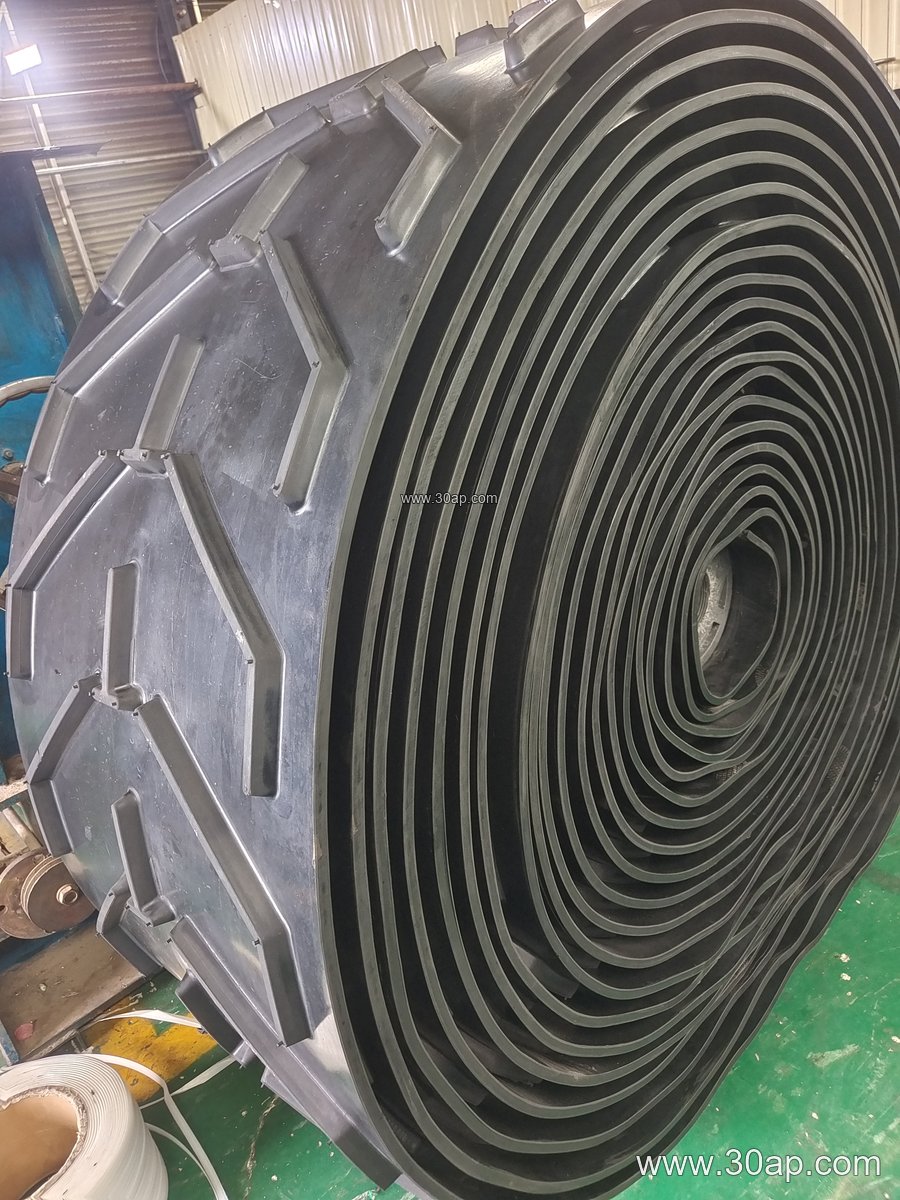
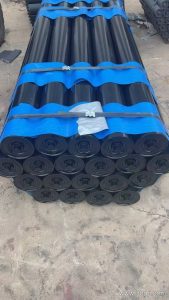
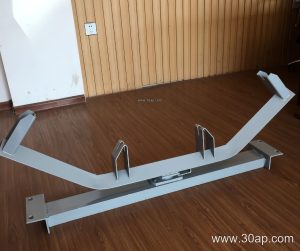
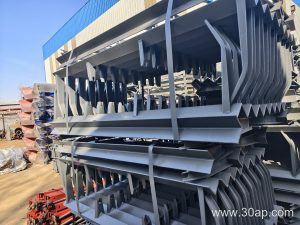
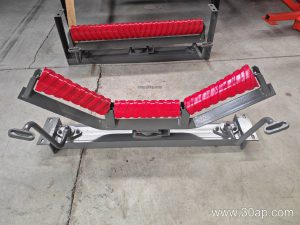
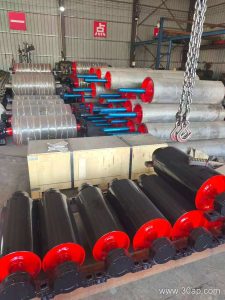
In mining and underground coal mining, the belt may be specified with flame retardant and anti-static properties, and the conveyor frame is completed with idler rollers, conveyor pulleys, and conveyor brackets. Note that drive pulleys, tail pulleys, and bend pulleys serve different roles and are not interchangeable; the belt specification should be matched to the actual pulley arrangement by the conveyor designer.
For very long, high-tension overland lines, a steel cord belt is usually the better comparison, while a heavy-duty fabric belt remains practical for moderate center distances and frequent starting.
Selection Points for Buyers
- Strength and safety factor: confirm the required working tension and the design safety factor, then check that NN300 is adequate rather than oversized.
- Cover grade: match the rubber to the material. Hot clinker calls for a heat resistant cover; oily scrap favors an oil resistant grade; coal handling often needs flame retardant and anti-static.
- Width and troughing: belt width should suit the lump size and capacity, and the trough angle should match the idler roller set.
- Pulley and splice: pulley diameters and splice type are set by the conveyor designer; do not assume a fixed shaft size from belt width.
- Environment: cold climates may call for a cold resistant compound, and dusty or explosive atmospheres for anti-static construction.
Installation and Care
Correct storage, square cutting, and a properly stepped splice extend service life. Track belt tracking after startup, keep idler rollers turning freely, and inspect edges for damage. A worn cover can often be repaired before the carcass is affected, which protects the investment in the belt.
For related fabric options, buyers sometimes compare an EP Conveyor Belt or a lighter NN200 grade, but the NN300 remains the specified product when the tension and duty point to a 300-strength nylon carcass.