What the Self-Aligning Idler Bracket Does
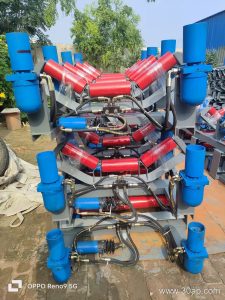
A self-aligning idler bracket, also called a training idler bracket, is the mounting component that lets a carrying or return idler assembly pivot slightly so the belt can be steered back toward the center of the conveyor frame. Instead of being welded in a fixed position, the bracket is built around a vertical pivot or a linkage that reacts to belt misalignment, usually through the friction and side force created when an edge of the belt runs off track. On a quarry conveyor belt or a cement plant transfer line, this small correction at the idler station can prevent spillage, edge damage, and premature wear of the conveyor belt.
The bracket itself does not carry the full load of the material. It positions the idler roller at the correct angle and holds it stable while allowing controlled rotation around its pivot. The result is a training station that works with the belt rather than fighting it.
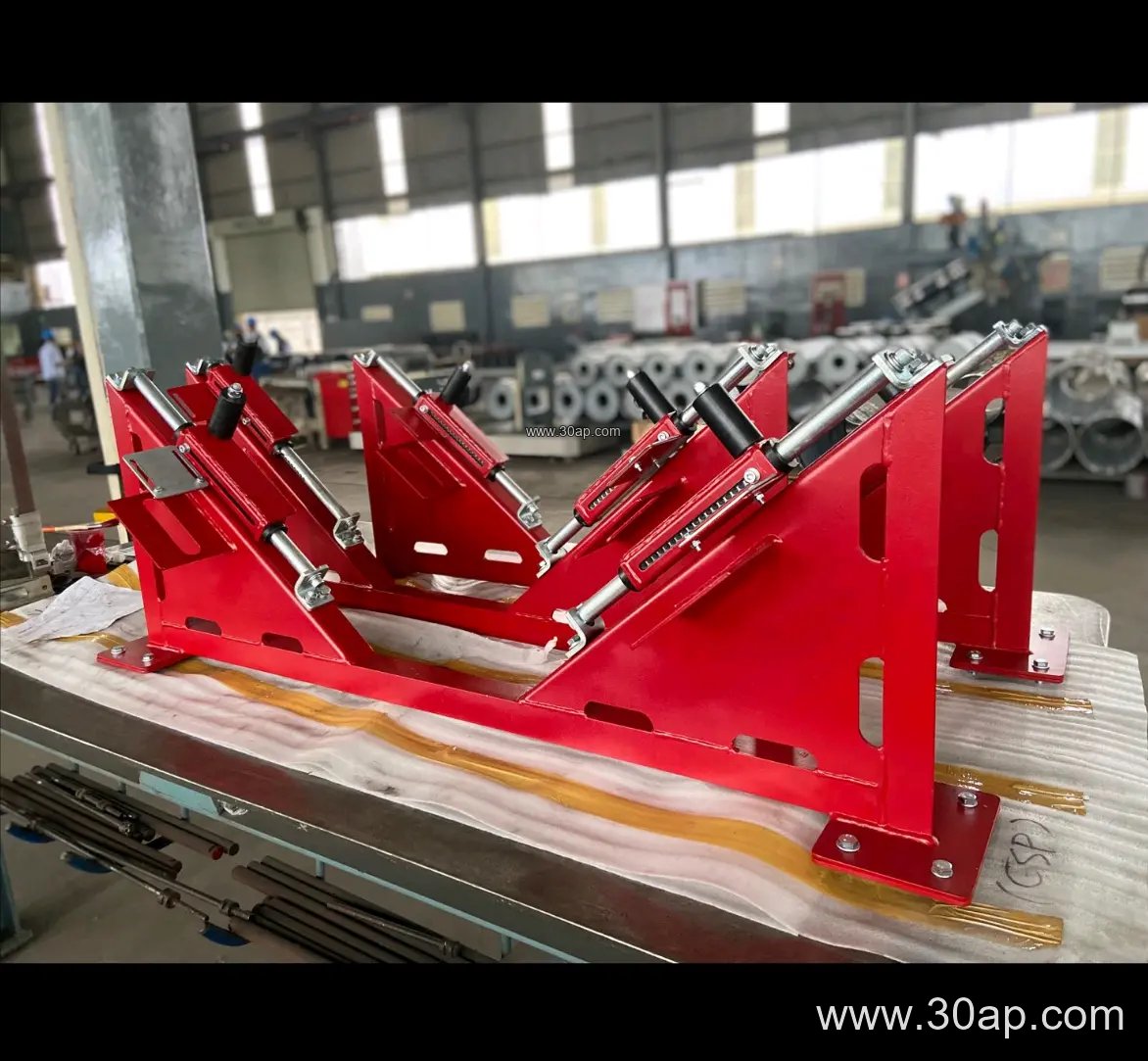
Construction and Typical Materials
Most training brackets are fabricated from angle steel, channel steel, or folded steel plate. The pivot shaft, bushings, and stops are the critical details, because they determine how freely the bracket moves and how much correction it can apply. A common design uses a central pivot with two arms that hold the idler shaft, plus limit stops that prevent over-correction.
- Fabricated frame in angle or channel steel, welded and drilled for the idler shaft
- Vertical pivot with bushing or bearing seat for low-friction rotation
- Adjustable stops or return springs to control the training response
- Mounting holes sized to the conveyor stringer spacing
Because the bracket sits close to the belt line, surface treatment matters in dusty or wet service. Paint systems and galvanizing are common choices in coal handling and aggregate plants, though the exact finish should be confirmed with the supplier for the site conditions.
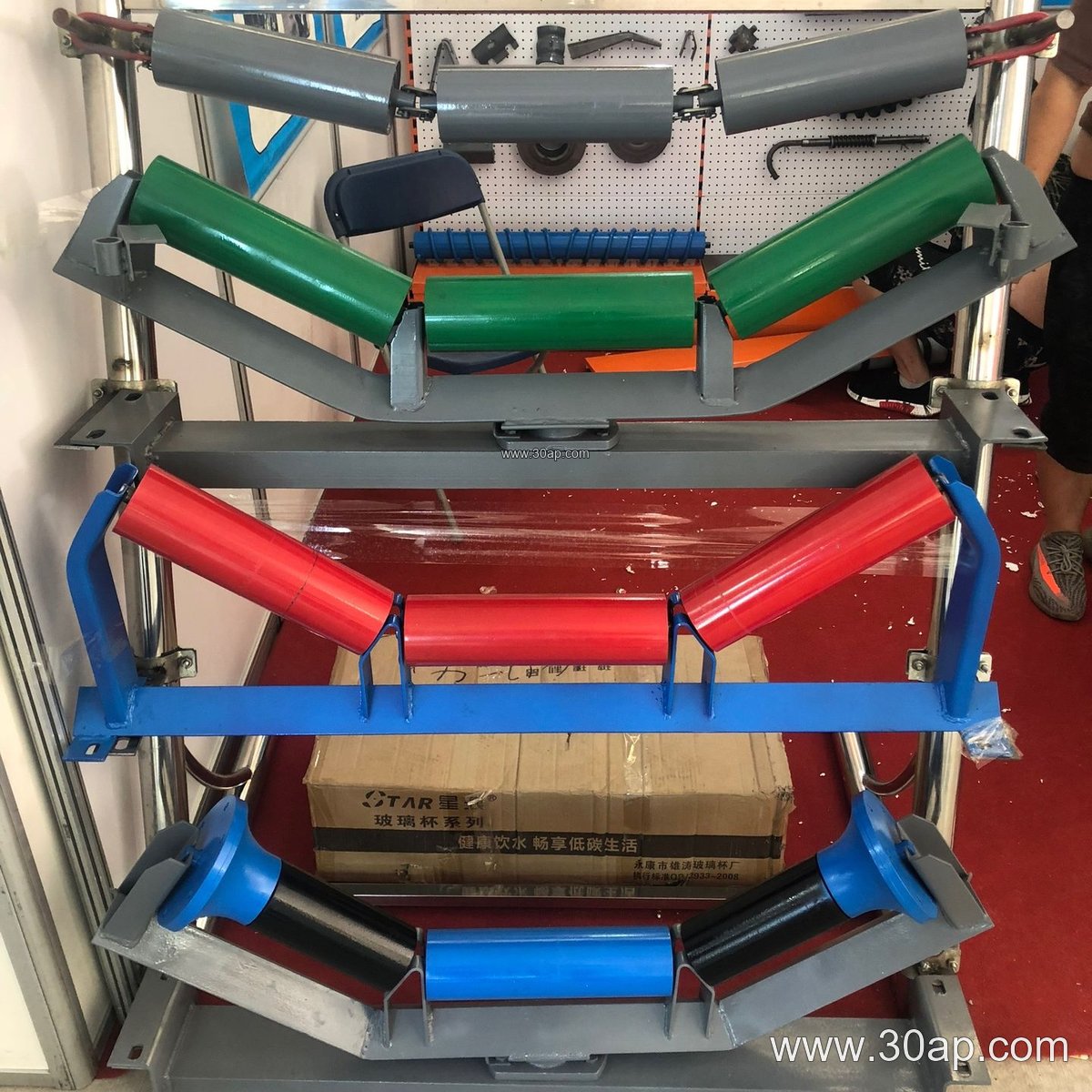
Where It Fits on the Conveyor
Training brackets are usually installed in the carrying run, a few belt widths downstream of a loading point, and in the return run ahead of the tail. They are frequently paired with troughing idlers at 20, 30, 35, or 45 degrees, and with return idlers in flat or V-return form. In a coal mining conveyor belt system, a self-aligning bracket on the return side is often the first defense against a belt that drifts after the material load shifts.
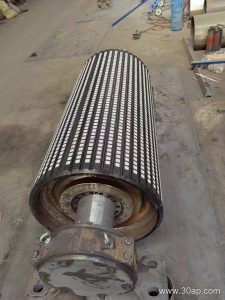
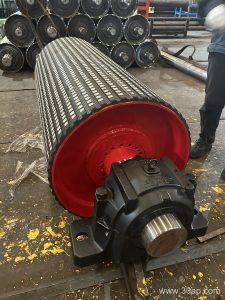
Note that the bracket is not a substitute for a conveyor pulley. Drive pulleys, tail pulleys, and bend pulleys each have their own alignment and take-up requirements, and they should be checked separately when a belt runs off center.
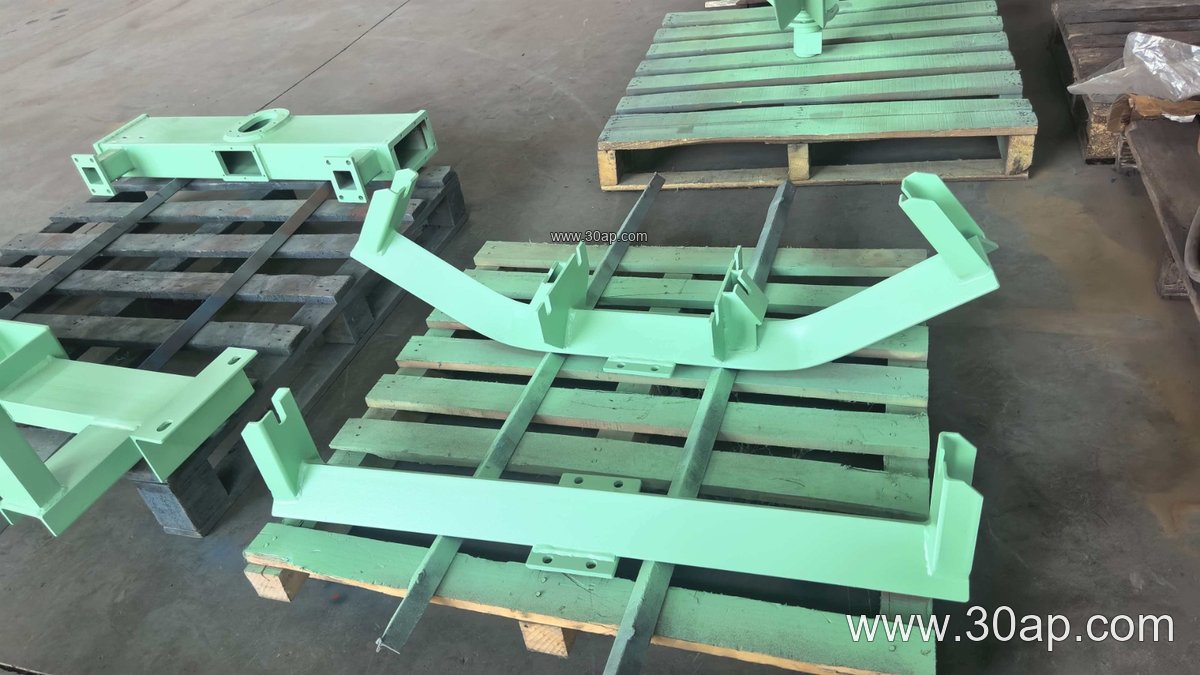
Matching the Bracket to Belt Width and Roller Diameter
There is no single bracket size for every conveyor. The mounting hole spacing and crossbeam length generally follow the belt width and trough angle, while the idler shaft seat follows the roller diameter. Typical reference combinations include B800 with a 35 degree trough and Ø108 rollers, B1200 with 45 degrees and Ø133, or B650 with 30 degrees and Ø89. These are examples of common practice, not fixed rules, and the final selection should be confirmed by the conveyor designer.
| Reference Item | Common Range | Notes |
|---|---|---|
| Belt width | B500 to B2200 | Bracket beam length follows belt width |
| Trough angle | 20, 30, 35, 45 degrees | Adjustable brackets can shift between these |
| Idler diameter | Ø89, Ø108, Ø133, Ø159, Ø194 | Seat and shaft size must match the roller |
| Mounting hole spacing | By design | Set by stringer width and frame layout |
On a wide belt such as a 1800mm or 2000mm conveyor, the training bracket is larger and heavier, and the pivot must be robust enough to handle the side load without binding. On narrower belts in a sand and gravel line, a lighter fabricated bracket is usually sufficient.
Buyer Checklist
- Confirm belt width, trough angle, and idler diameter before ordering.
- Check whether the bracket is fixed or adjustable, and how much correction travel it offers.
- Verify the pivot design and bushing material for dusty or wet service.
- Ask for the mounting hole spacing drawing rather than assuming a standard.
- Match the bracket to the actual conveyor bracket frame, not to a nominal size only.
For heavy-duty mining conveyor belt duties, a reinforced channel steel frame and sealed pivot are usually worth the extra cost. For lighter aggregate or food-grade lines, a simpler folded plate design may be adequate. In either case, the self-aligning idler bracket should be inspected together with the rollers and the belt surface, since a worn idler or a damaged belt edge can defeat even a well-built training station.