What a Coal Conveyor Idler Does on the Line
A coal conveyor idler is the rotating roller assembly that supports the belt and the load between the head and tail of a conveyor. On a coal handling line, these idlers carry the weight of the belt plus the coal, keep the belt in a stable trough shape, and reduce friction so the drive only has to overcome the load and the natural resistance of the system. In a coal-fired power plant, a wash plant, or an underground coal mining conveyor belt route, the idler is one of the highest-count components, so its quality and fit directly affect how often maintenance crews have to stop the line.
The idler works together with the conveyor belt, the conveyor pulley at each end, and the conveyor bracket that fixes the assembly to the frame. None of these parts can be treated in isolation: a belt that tracks badly will wear idlers quickly, and a seized idler will damage the belt edge and cover.
How the Roller Is Built
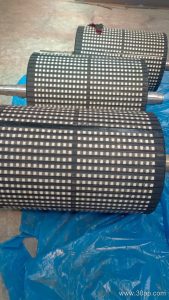
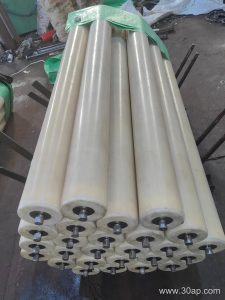
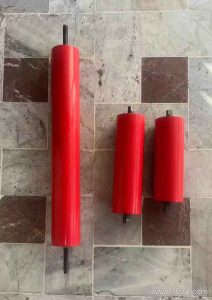
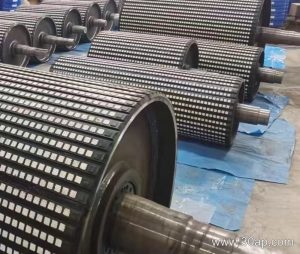
A typical idler roller is a steel tube with a shaft through the center, bearing housings at both ends, and a sealing arrangement to keep coal dust and water out. The shell may be plain steel, nylon-coated, ceramic-covered, or fitted with rubber rings for impact zones. The bearing size is chosen by load and speed, not by belt width alone; common bearing numbers include 6204, 6205, 6305, 6306, 6308, and 6310, and the same bearing can appear in more than one roller diameter.
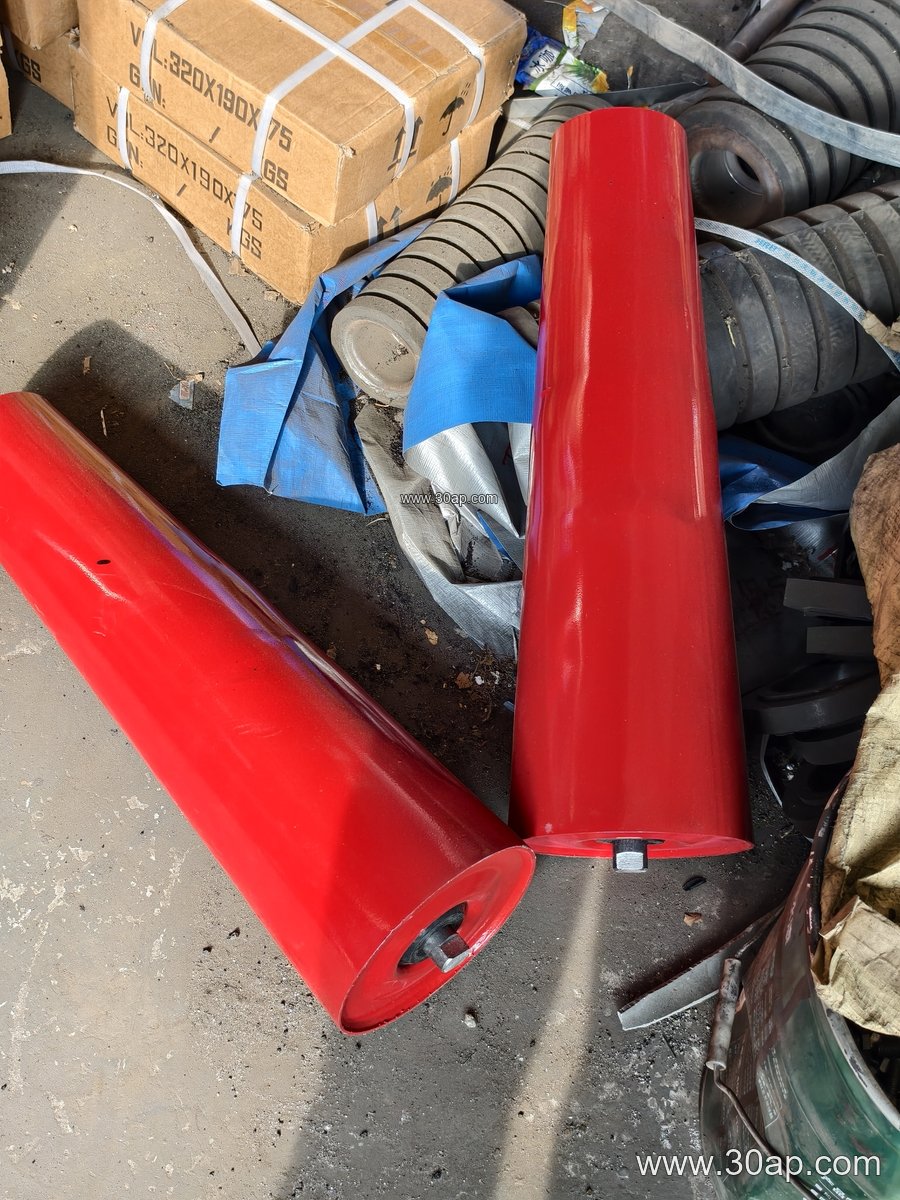
Sealing is where many coal applications are won or lost. Fine coal dust is abrasive and tends to enter through the labyrinth gap, so a multi-stage seal with good grease retention usually lasts longer than a simple lip seal. Roller diameter is usually selected from a range such as Ø89, Ø108, Ø127, Ø133, Ø159, or Ø178 mm, with larger diameters favored on wide, high-tonnage belts where rotational speed and bearing load matter.
Common Idler Positions and Forms
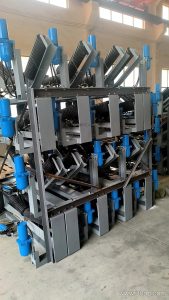
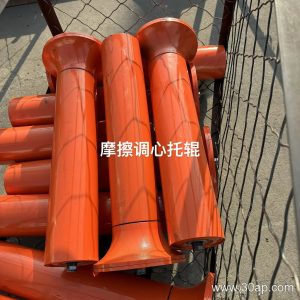
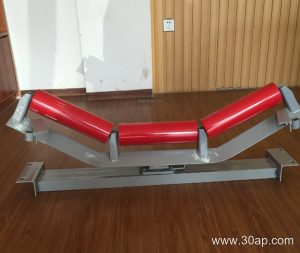
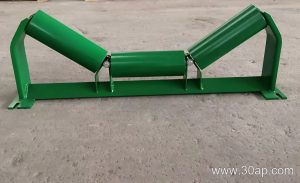
The carrying side of a coal conveyor usually uses three-roll troughing sets, while the return side uses flat or V-return rollers. Transition idlers sit near the pulleys to ease the belt from flat to troughed, and impact idlers with rubber rings are placed under the loading point where coal drops onto the belt. Self-aligning idlers, including friction and tapered types, are used on long runs where belt tracking is a concern.
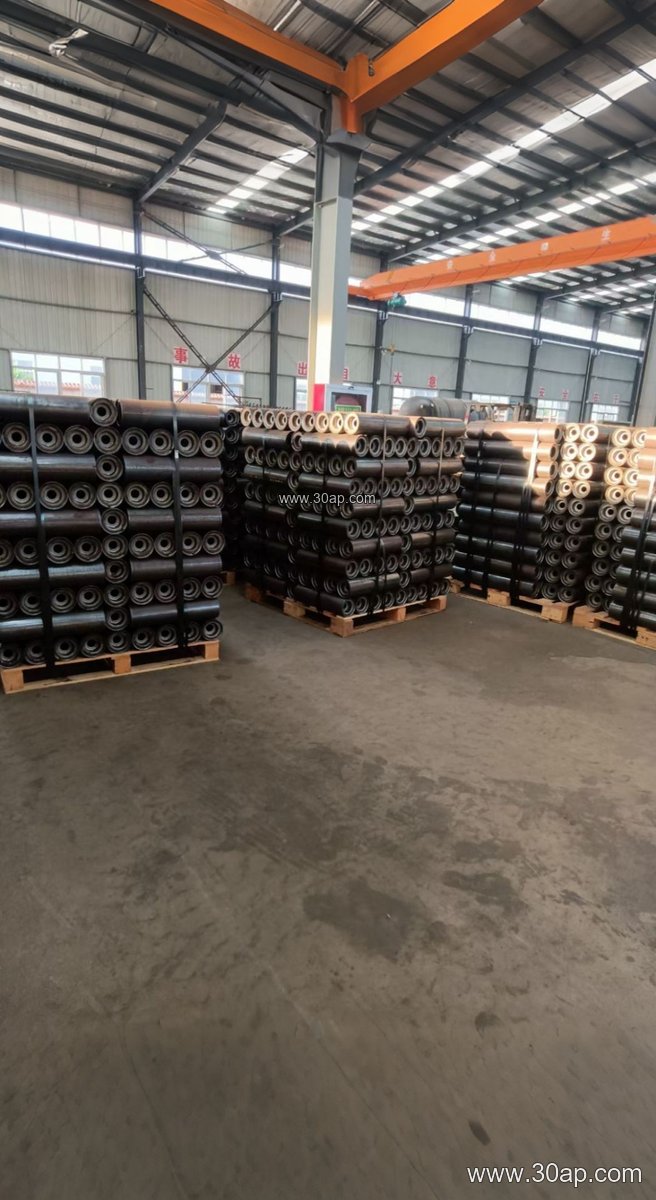
- Troughing idlers: 20°, 30°, 35°, or 45° trough angles, selected by material behavior and belt stiffness.
- Impact idlers: rubber-ring or cushion rolls under the chute.
- Return idlers: flat or V-shaped, supporting the empty belt.
- Self-aligning idlers: correct small tracking errors on long conveyors.
Roll length changes with belt width, trough angle, and roll arrangement. For example, a three-roll troughing set commonly uses about 200 mm rolls on B500, 315 mm on B800, 465 mm on B1200, and 600 mm on B1600, but side rolls and center rolls can differ, so the drawing should be checked rather than assumed.
Where These Idlers Are Used
Coal handling is the classic application, but the same roller design appears in cement plants feeding kilns and mills, in iron ore and copper ore stockyards, in port ship-loading lines, and in aggregate plants where a crusher conveyor belt moves crushed stone. In a coal yard, a flame retardant conveyor belt is often paired with anti-static properties, and the idlers must tolerate dust, moisture, and occasional spillage. In a cement plant, abrasion resistant conveyor belt grades are common because limestone and clinker wear the cover quickly.
Where the belt is a steel cord conveyor belt or a heavy multi-ply fabric core type such as EP200 or NN300, the idler frame and roll diameter are usually sized for the higher belt tension and load. A pipe conveyor belt or a corrugated sidewall conveyor belt needs different support geometry, so the idler layout should follow the conveyor designer’s drawing rather than a generic catalog page.
What a Buyer Should Check
Before ordering, confirm the belt width, the trough angle, the roll diameter, the shaft end type, and the bracket spacing. Ask for the seal design and the bearing brand or specification, because two idlers that look the same from outside can differ greatly in service life. Check that the roller is balanced and that the shell thickness suits the load; thin shells deflect under heavy coal lumps and cause belt vibration.
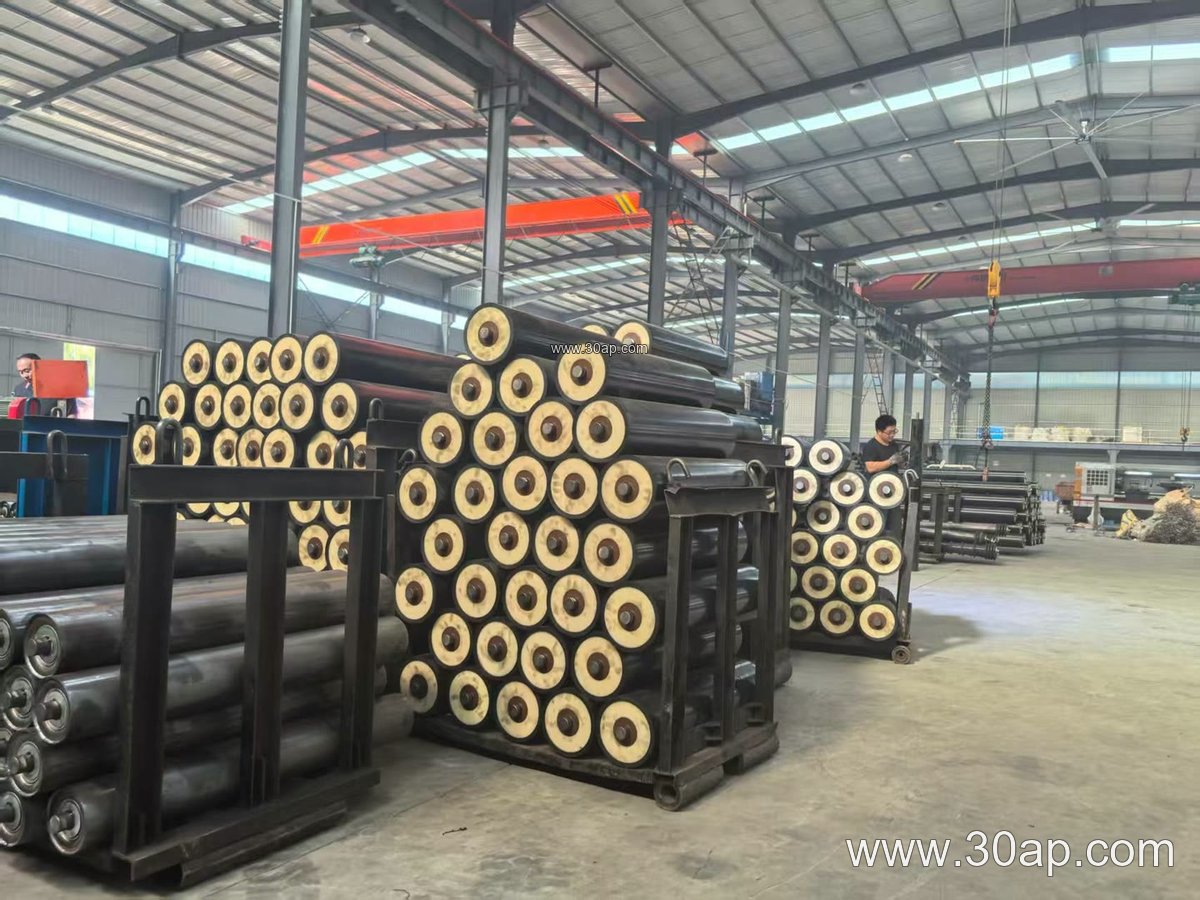
For a coal mining conveyor belt or an underground coal mining conveyor belt, flame retardant and anti-static requirements usually apply to the belt, and the idler specification should match the same safety and dust environment. Buyers should also confirm whether the frame uses a fixed or adjustable bracket, and whether the idler is designed for easy replacement without cutting the belt.
Maintenance Notes
Seized rollers are the most common cause of belt damage on coal lines. A monthly walk-down that checks for noisy bearings, wobbling shells, and coal buildup around the frame prevents most failures. Keep the loading point centered so impact idlers wear evenly, and replace rollers in matched sets where possible so the belt does not run on a mix of worn and new diameters.
For related equipment, the conveyor pulley, the conveyor bracket, and the belt itself should be inspected at the same time, since a worn pulley lagging or a misaligned bracket will shorten idler life no matter how good the roller is.