What a 2200mm Conveyor Belt Is
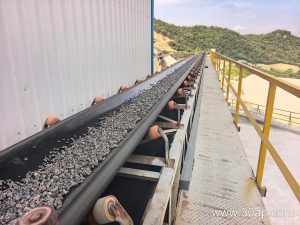
A 2200mm conveyor belt is a wide, heavy-duty belt designed for conveying large volumes of bulk material. The 2200mm figure refers to the belt width, which is among the wider standard sizes used in industrial conveying. This width allows high throughput and is often found in primary crushing circuits, stockyard systems, and long overland conveyors where capacity per unit time matters. When specified correctly, a 2200mm conveyor belt can handle everything from coal and ore to cement clinker and aggregate.
Construction and Material Options
The belt body is typically built with a fabric core or a steel cord core, depending on the required tensile strength and load support. Common fabric cores include EP (polyester-nylon) and NN (nylon-nylon) constructions, while steel cord belts are chosen for very high strength and long center distances. Cover rubber grades are selected to match the operating environment: abrasion resistant for sharp rock, heat resistant for clinker or sinter, flame retardant for underground coal mining, oil resistant for oily materials, and anti-static where static buildup is a concern.
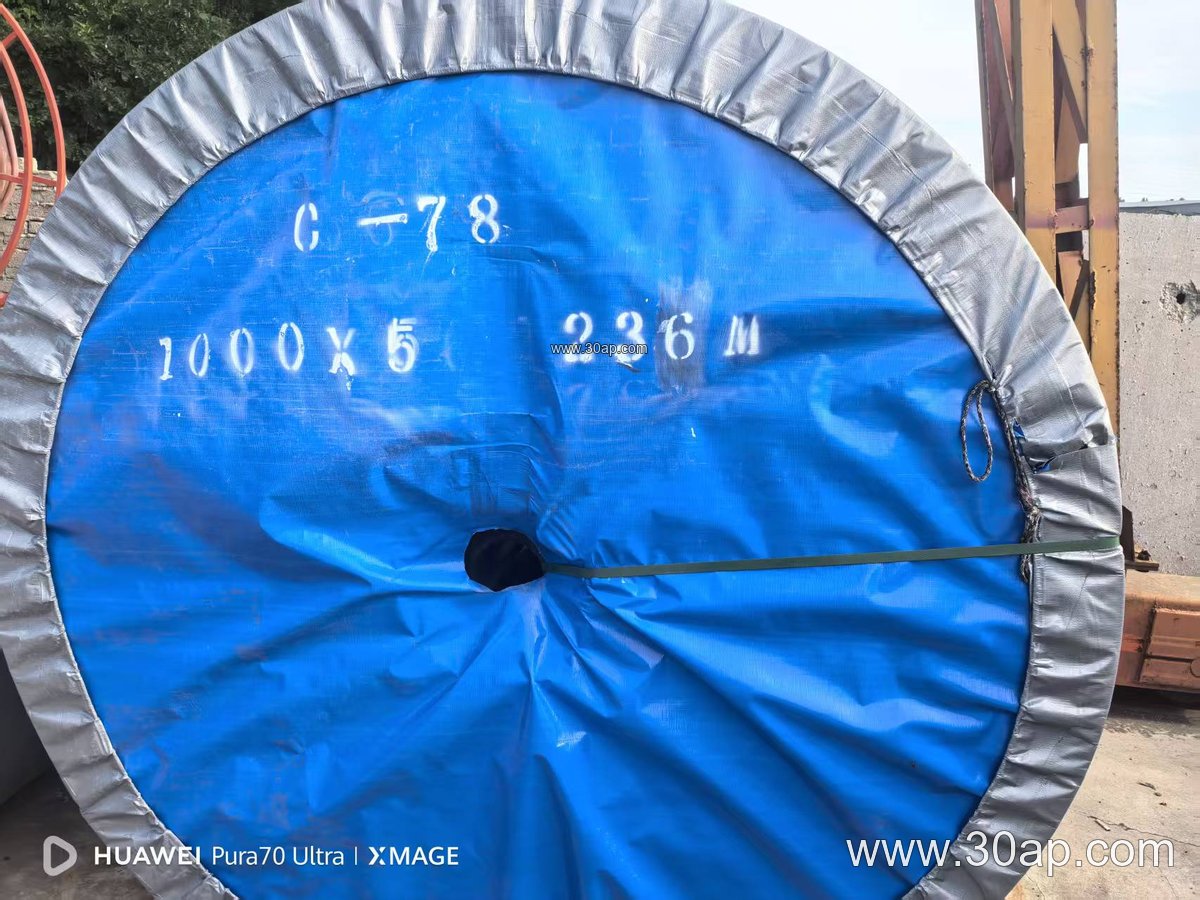
For a 2200mm wide belt, the carcass may have multiple plies or a single steel cord layer. Typical cover thickness combinations range from 4+2 mm to 8+3 mm, with heavier covers used in high-impact and high-abrasion applications. Edge construction and vulcanized splices are critical for keeping a wide belt tracking correctly on the conveyor structure.
Typical Applications
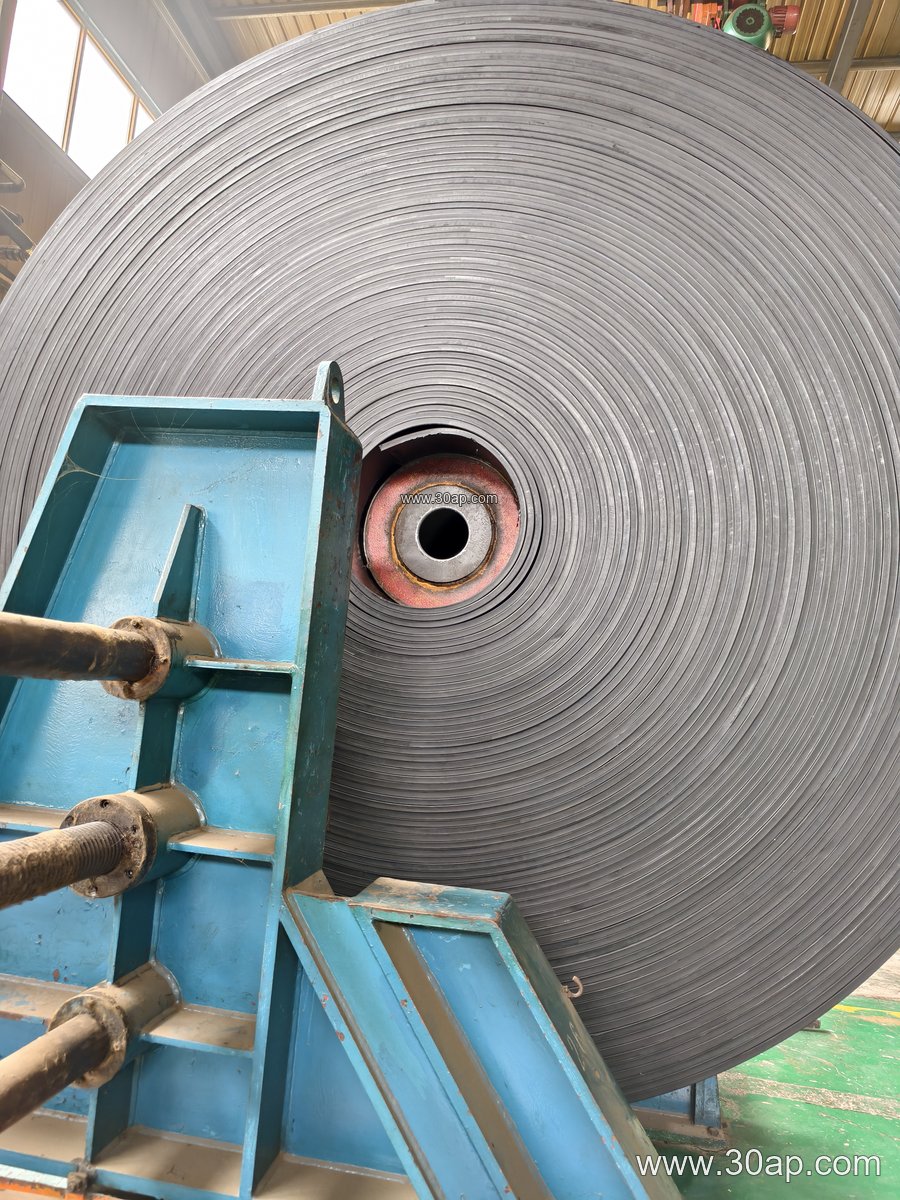
This belt width is common in mining, coal preparation, cement plants, power stations, quarries, and large ports. In a crushing plant, a 2200mm conveyor belt may carry run-of-mine ore from the primary crusher to the stockpile. In a coal-fired power plant, it can feed coal from the yard to the boiler bunkers. The width also suits ship loading and unloading systems where high capacity is needed in a single stream. Other industries such as steel plants and sand and gravel operations also use wide belts for main haulage.
Key Specifications to Consider
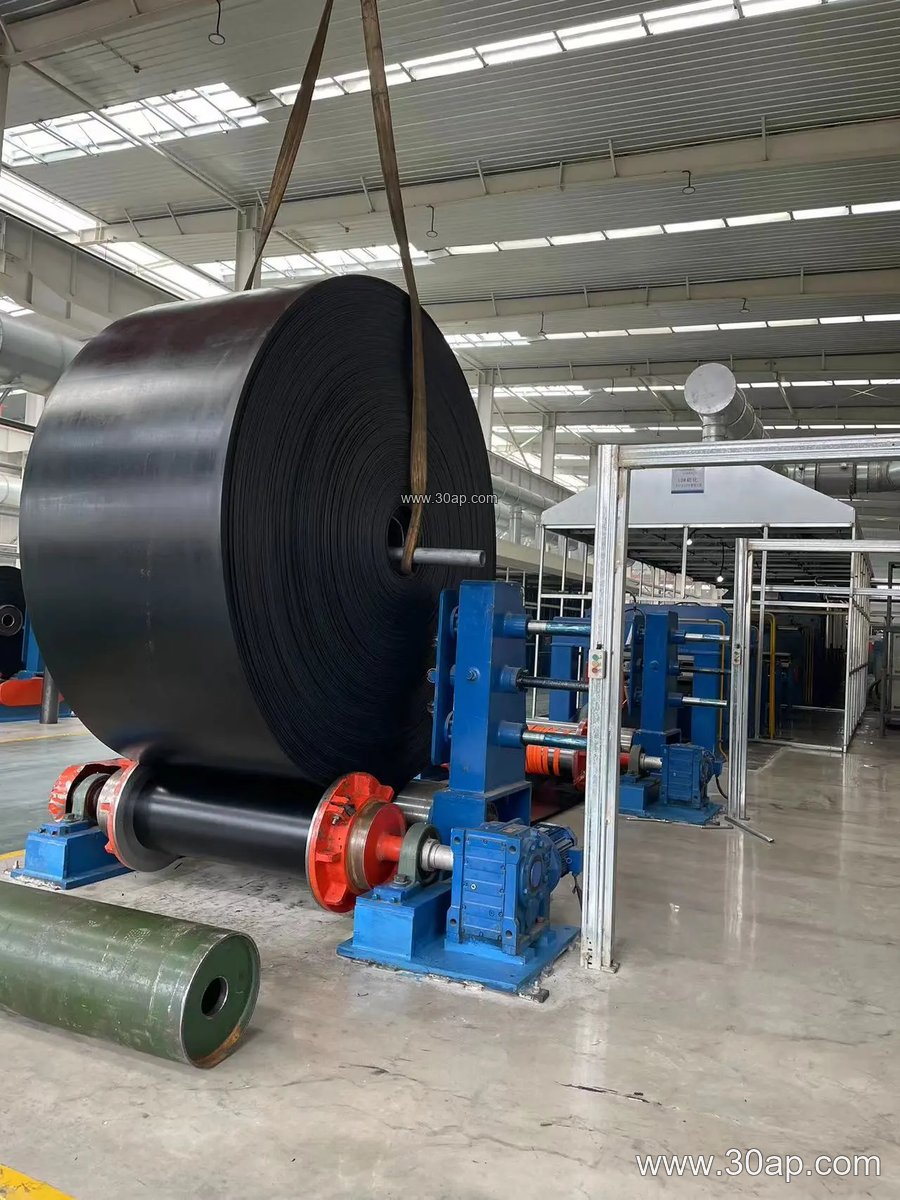
When selecting a 2200mm conveyor belt, several parameters need to be defined. The table below lists common reference values; actual specifications should be confirmed with the belt manufacturer and conveyor designer.
| Parameter | Common Options / Reference Range |
|---|---|
| Belt width | 2200 mm |
| Fabric core types | EP200, EP315, EP400, EP500, EP630, EP800, EP1000 |
| Steel cord strength grades | ST1000, ST1250, ST1600, ST2000 |
| Number of fabric plies | 2 to 6 (typical) |
| Cover thickness (top + bottom) | 4+2 mm, 5+2 mm, 6+2 mm, 8+3 mm |
| Cover rubber properties | Abrasion resistant, heat resistant, flame retardant, oil resistant, anti-static, cold resistant |
Belt strength and cover grade must be matched to the material lump size, drop height, and ambient conditions. For example, a high-abrasion resistant cover is often used when conveying sharp, angular rock, while a flame retardant grade is essential in underground coal mining.
Compatibility with Conveyor Components
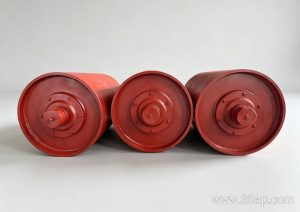
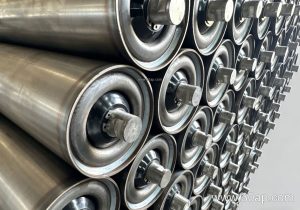
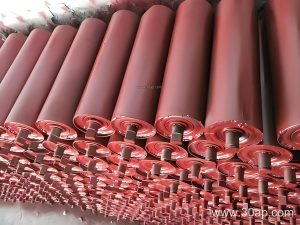
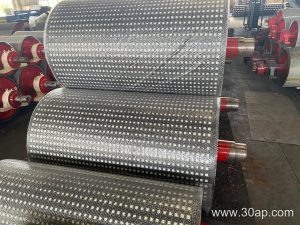
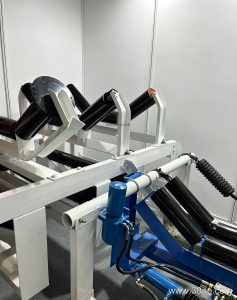
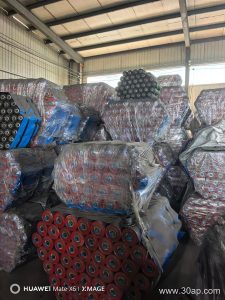
A 2200mm conveyor belt works as part of a complete system. The conveyor pulley diameters, idler roller spacing, and conveyor bracket design all influence belt performance. Drive pulleys, tail pulleys, and bend pulleys each have specific roles; they are not interchangeable. The belt width does not dictate a single pulley diameter, so the conveyor designer must calculate the required pulley size based on belt tension, wrap angle, and load. Idler rollers should be selected to support the belt width and material load without excessive sag. Proper alignment of conveyor brackets helps maintain belt tracking across the full 2200mm width.
Buyer Checklist
- Define the material type, lump size, and tonnage per hour to select the correct belt strength and cover grade.
- Confirm the conveyor structure dimensions, including pulley diameters and idler spacing, to ensure compatibility.
- Specify the splice type and whether the belt should be supplied endless or open-end for on-site splicing.
- Consider environmental factors such as temperature, moisture, and fire hazard when choosing cover rubber.
- Request the manufacturer’s technical data sheet for the exact belt construction and verify all dimensions before ordering.
For related equipment such as conveyor idler roller, conveyor pulley, and conveyor bracket, ensure the specifications match the belt width and load requirements. A well-matched system reduces downtime and extends belt life.
Maintenance and Handling Notes
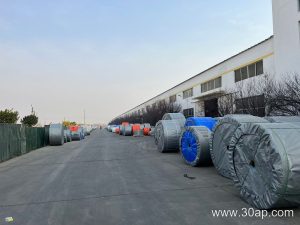
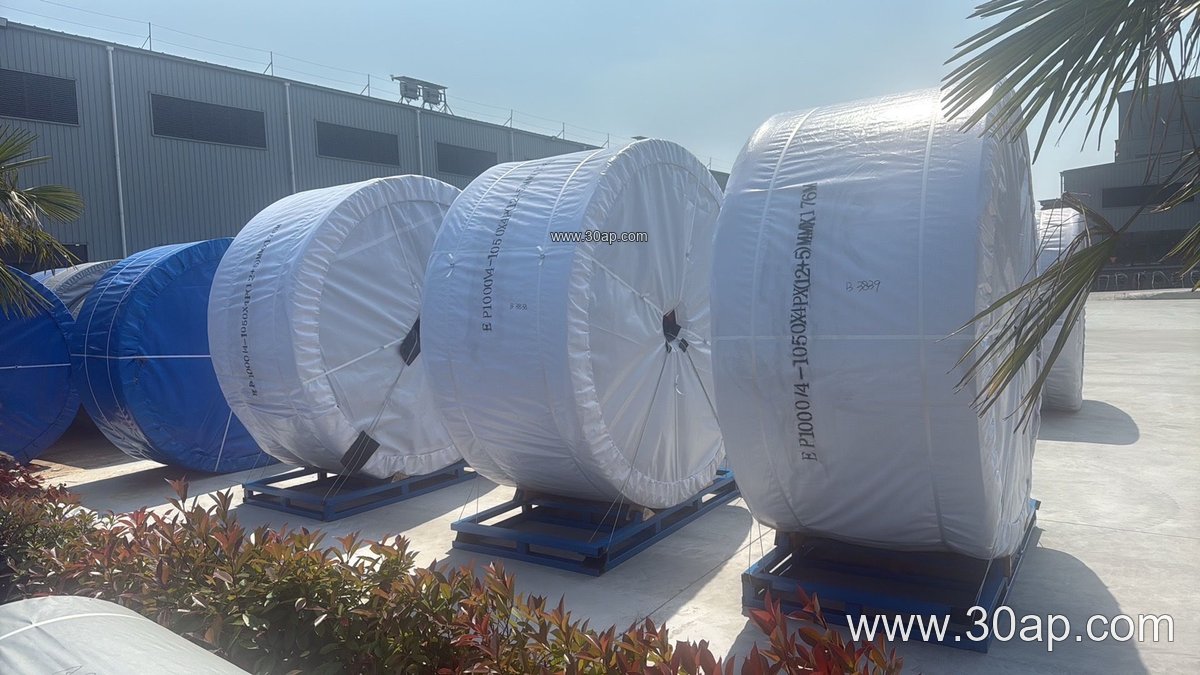
Wide belts require careful handling during installation to avoid edge damage. Regular inspection of the belt surface, edges, and splices helps detect wear or damage early. Keeping the conveyor frame aligned and idlers turning freely prevents mistracking, which is more noticeable on wide belts. When storing a 2200mm conveyor belt, keep it in a dry, shaded area and avoid sharp bends that could crack the cover rubber.