What an Idler Bracket Does on a Conveyor
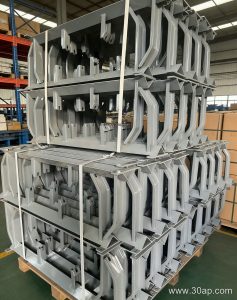
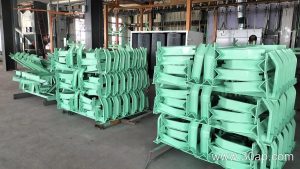
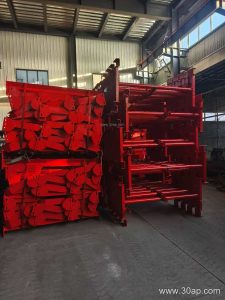
An idler bracket is the structural component that holds conveyor idlers in the correct position under or above the belt. It connects the idler roller to the conveyor frame and sets the trough angle, spacing and alignment that the belt needs to run smoothly. In a quarry, a coal washing plant or a cement kiln feed line, this bracket is often the quiet part that decides whether the whole conveyor tracks straight or drifts.
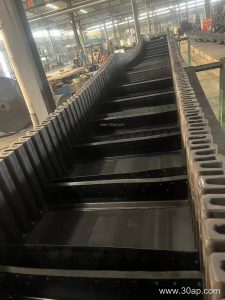
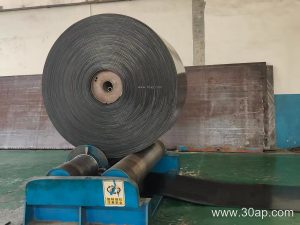
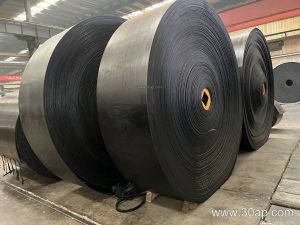
The bracket is usually matched with the belt and pulley system rather than chosen alone. A fabric core conveyor belt or a steel cord conveyor belt behaves differently under load, so the bracket must support the idler roller with enough rigidity for the belt width and material weight.
How the Bracket Is Built
Most idler brackets are fabricated from angle steel, channel steel or folded steel plate. The frame is welded or bolted into a crossbeam, with mounting slots or holes positioned to accept the idler shaft. Surface treatment is usually painting or galvanizing, depending on the environment.
Common bracket types include trough brackets, transition brackets, return brackets, V-return brackets, impact brackets and self-aligning brackets. Each has a distinct role:
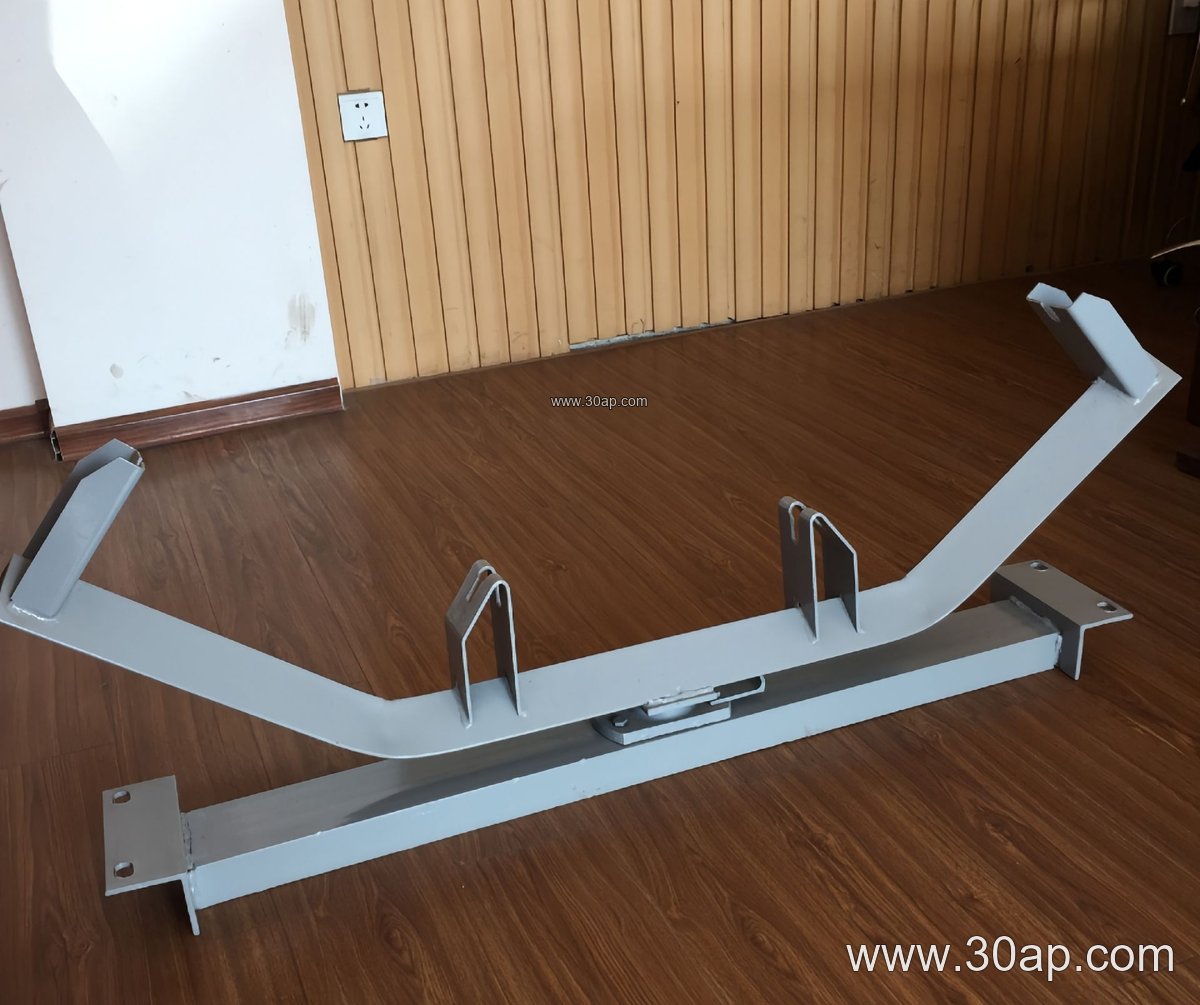
- Trough brackets set the trough angle for carrying idlers.
- Transition brackets ease the belt from flat to troughed profile.
- Return brackets support the empty belt on the return side.
- Impact brackets sit under loading points to absorb shock.
- Self-aligning brackets correct belt drift.
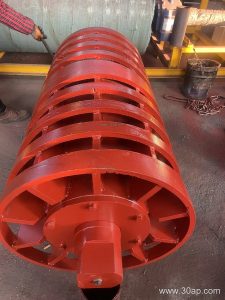
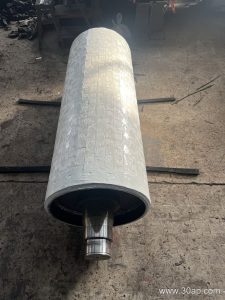
The bracket must not be confused with the pulley. A drive pulley, tail pulley and bend pulley are separate components with different duties. A bend pulley, for example, changes belt direction, while an idler bracket only supports the belt through idlers.
Matching Bracket, Belt Width and Roller Diameter
Bracket selection usually starts with belt width, trough angle and roller diameter. These values are not fixed pairs; a B800 belt can be used with different trough angles and roller diameters depending on the conveyor design. The mounting hole spacing and crossbeam length are determined by the belt width and trough angle, so they should be confirmed against the conveyor drawing.
| Item | Common Reference Values |
|---|---|
| Belt width | B500, B650, B800, B1000, B1200, B1400, B1600, B1800, B2000, B2200 |
| Trough angle | 20°, 30°, 35°, 45° (adjustable brackets can change between these) |
| Roller diameter | Ø89, Ø108, Ø133, Ø159, Ø194 |
| Forward tilt | Usually about 1.5° to 2° |
| Material | Angle steel, channel steel, folded steel plate |
Examples such as B800 with 35° and Ø108, or B1200 with 45° and Ø133, are common combinations, but they are references rather than mandatory matches. A B650 conveyor with 30° and Ø89 may suit a lighter duty line, while a heavy-duty mining conveyor belt system may need a larger roller and a stronger bracket.
Where Idler Brackets Are Used
These brackets appear wherever a conveyor carries bulk material. In a limestone quarry or a sand and gravel line, trough brackets keep the belt stable at high tonnage. In a coal washing plant, flame retardant conveyor belt and anti-static conveyor belt requirements mean the bracket and roller assembly must be compatible with the safety environment. In a power plant coal yard, reliable return brackets reduce belt wander on long runs.
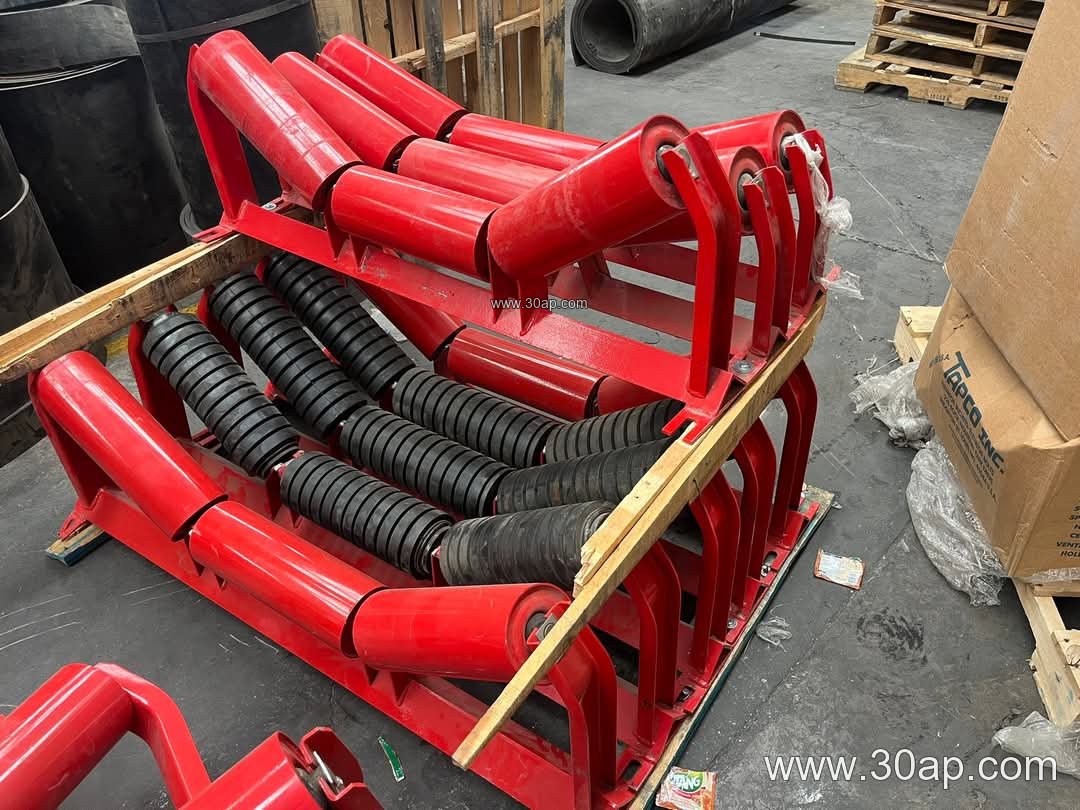
In a cement plant, heat resistant conveyor belt or abrasion resistant conveyor belt may be used near clinker and raw material transfer points, and the bracket under the loading zone is often an impact type. In a port or ship loading system, wide belts such as 1800mm or 2000mm need brackets with longer crossbeams and careful alignment.
Buyer Checklist Before Ordering
Before purchasing, confirm the belt width, the required trough angle, the idler roller diameter and the mounting dimensions. Ask whether the bracket is fixed or adjustable, and whether it is for the carrying side or the return side. Check the material and finish against the site conditions: a wet washing plant and a dry aggregate yard place different demands on coating and corrosion resistance.
Also confirm the bracket works with the chosen conveyor pulley layout and the conveyor belt type, including whether the belt is an EP conveyor belt, an NN conveyor belt or a steel cord conveyor belt. For underground coal mining, flame retardant and anti-static properties are usually required for the belt, and the bracket should be selected to suit the same environment. A simple conveyor bracket drawing review before ordering can prevent misalignment, premature roller wear and belt edge damage later.
Installation and Maintenance Notes
Mount brackets square to the conveyor centerline and keep the crossbeam level. Check bolt tightness after the first run-in period, and inspect for bent or worn brackets after heavy impact loading. A loose or misaligned idler bracket can cause the belt to mistrack, which then loads the pulley and belt edges unevenly. Regular inspection of brackets, idlers and pulleys together keeps the conveyor running straight and extends belt life.