What a Heavy-Duty Conveyor Bracket Does on a Belt Line
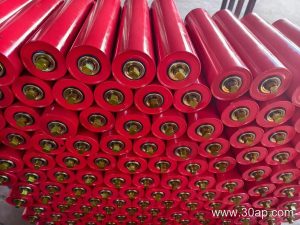
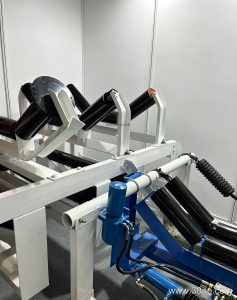
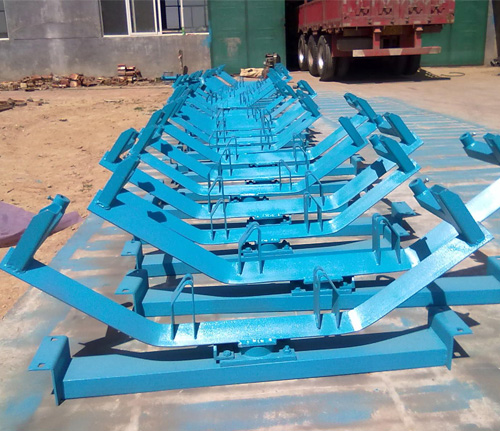
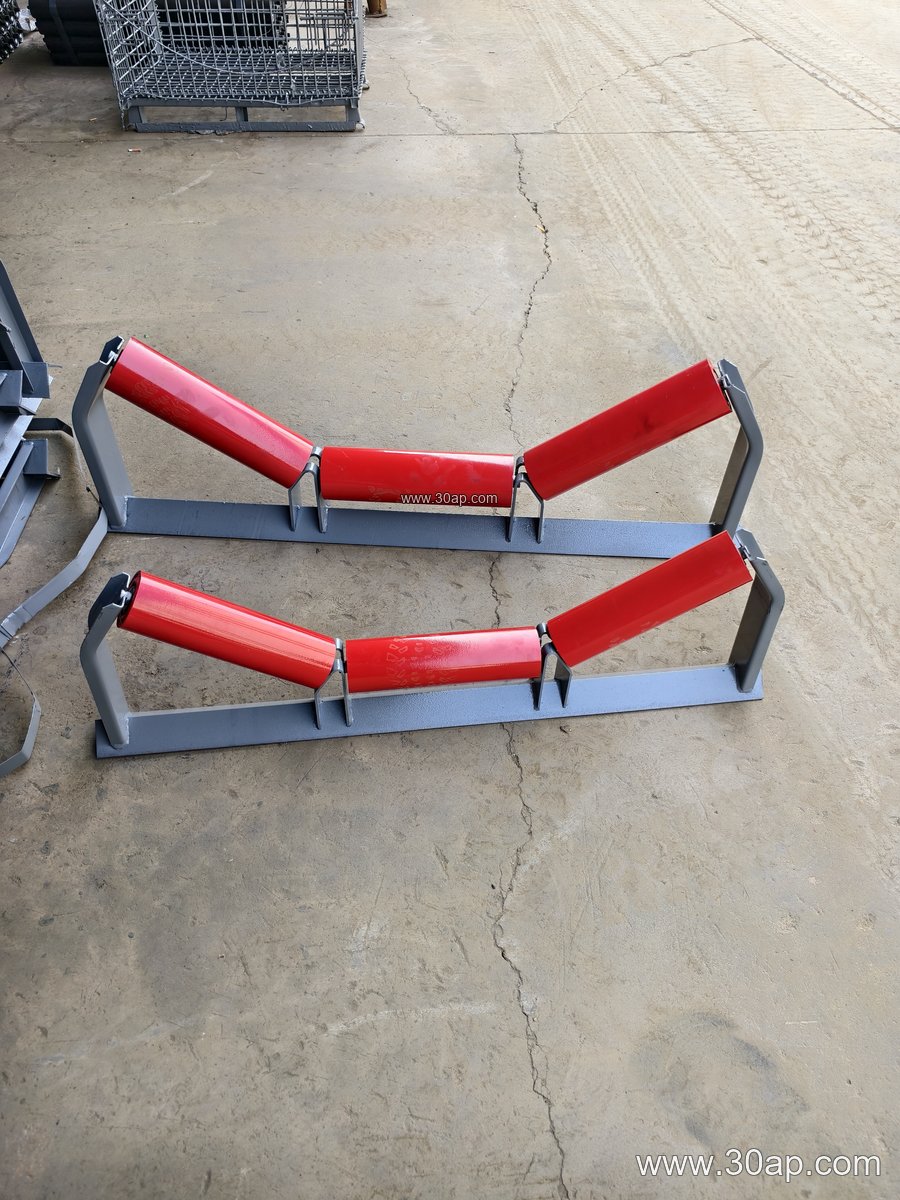
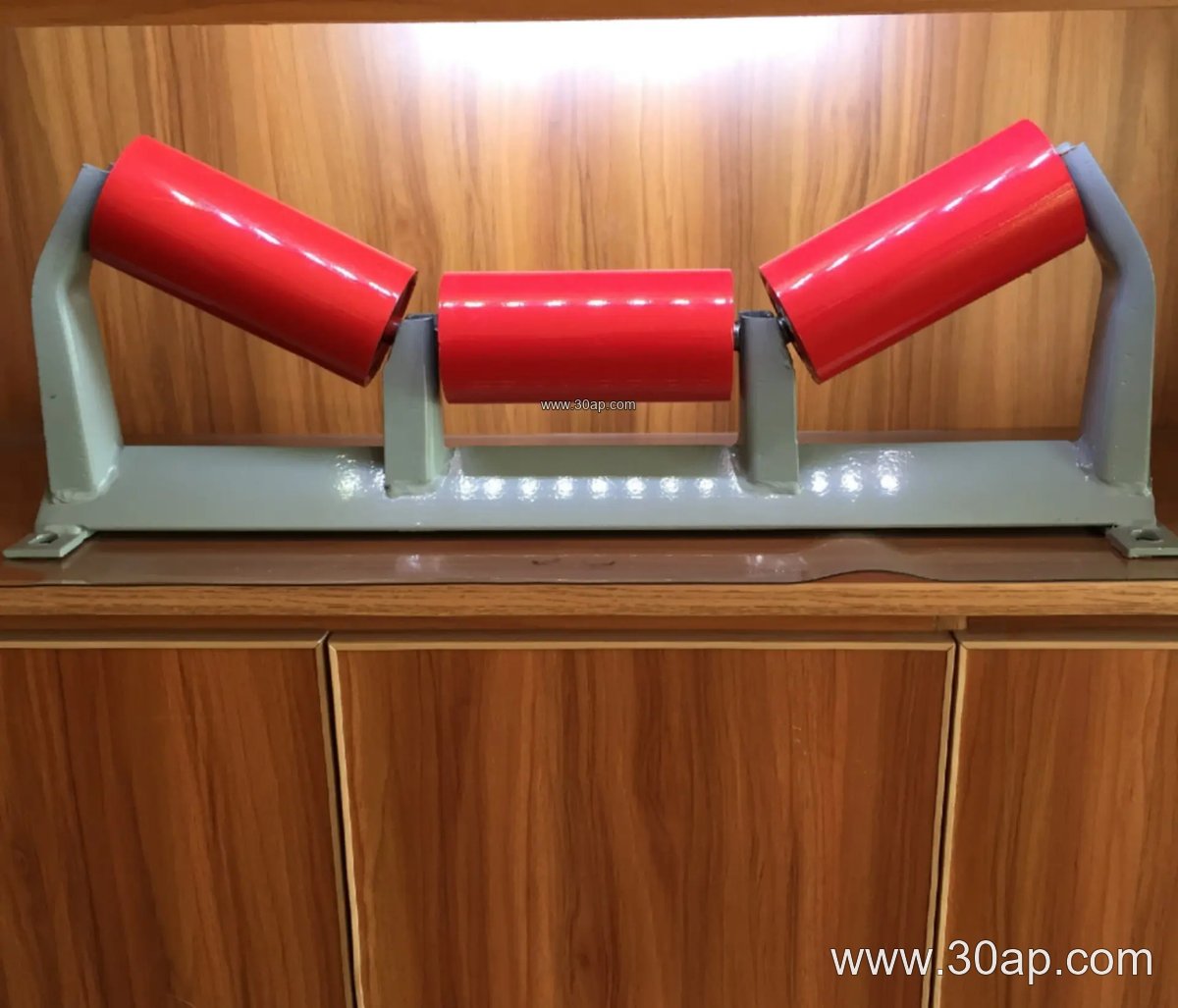
A heavy-duty conveyor bracket is the support structure that holds idlers in position under and over the belt. It carries the weight of the belt, the material and the idler itself, and it fixes the trough angle that shapes the belt into a carrying trough. In a quarry, a cement plant or a power plant coal yard, the bracket is often the part that decides whether the whole line stays aligned and stable.
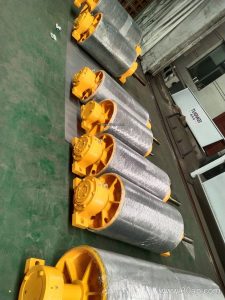
This component is also called a heavy-duty idler frame or heavy-duty roller support bracket, and both names describe the same item. It should not be confused with a drive pulley, tail pulley or bend pulley, which are separate components with separate jobs.
How the Bracket Is Built
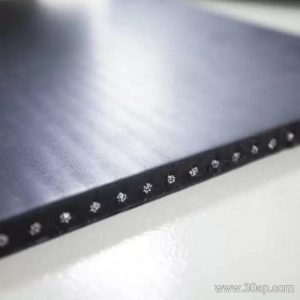
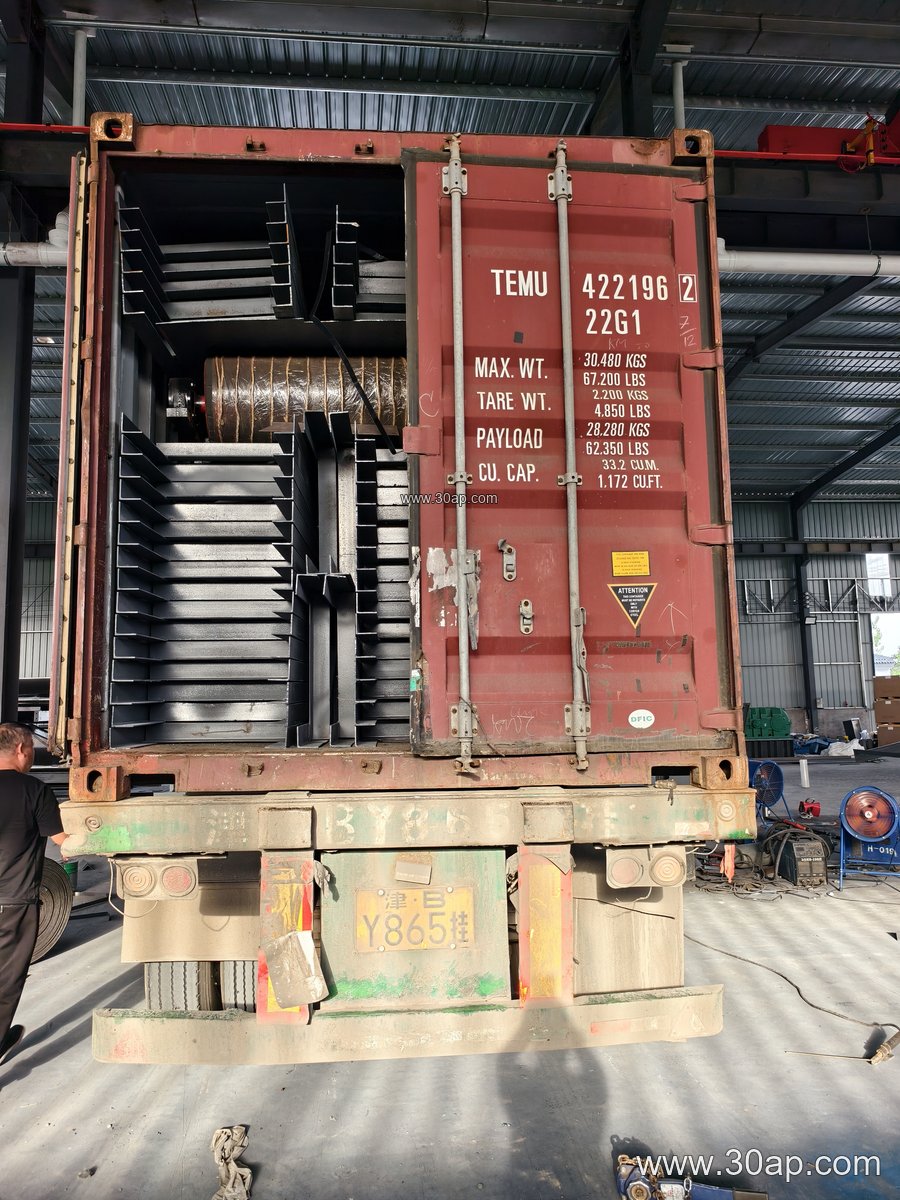
Most heavy-duty brackets are fabricated from angle steel, channel steel or folded steel plate. The frame is welded or bolted, then drilled for idler mounting. Heavier lines use thicker sections and reinforced joints so the bracket resists vibration, impact and belt pull. A well-built conveyor bracket keeps its shape over years of service, which matters when a steel cord conveyor belt runs at high tension.
Common bracket types
- Troughing bracket for the carrying side
- Transition bracket near pulleys
- Return bracket and V-return bracket
- Impact bracket under loading points
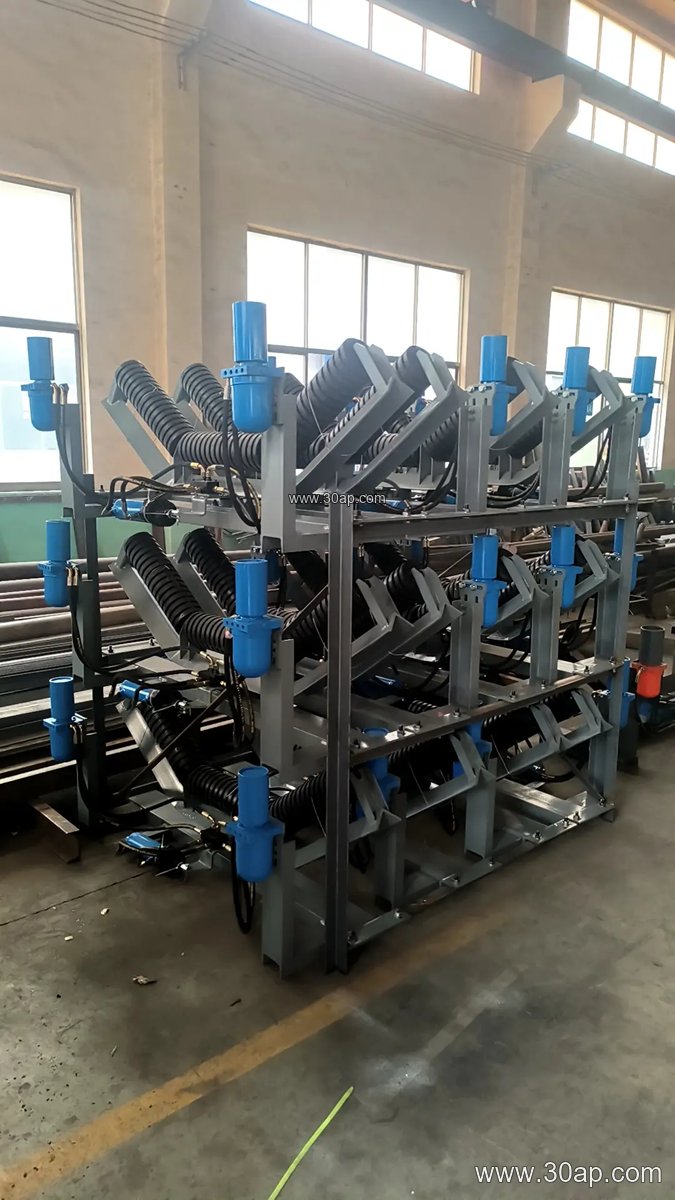
- Self-aligning bracket for belt tracking
- Adjustable bracket with changeable trough angle
Trough Angle and Roller Diameter
Trough angle is chosen with belt width and material load in mind. Common angles are 20, 30, 35 and 45 degrees. An adjustable bracket can move between these angles, while a fixed bracket is set at one angle at manufacture. Forward tilt of about 1.5 to 2 degrees is sometimes used on training brackets. Roller diameter is usually Ø89, Ø108, Ø133, Ø159 or Ø194, selected by load and belt speed rather than by belt width alone.
| Belt width | Typical trough angle | Typical idler diameter |
|---|---|---|
| B650 | 30 degrees | Ø89 |
| B800 | 35 degrees | Ø108 |
| B1000 | 35 to 45 degrees | Ø133 |
| B1200 | 35 to 45 degrees | Ø133 |
| B1400 | 35 to 45 degrees | Ø159 |
| B1600 | 35 to 45 degrees | Ø159 |
| B1800 | 35 to 45 degrees | Ø194 |
| B2000 | 45 degrees | Ø194 |
These are reference values, not fixed pairings. Mounting hole spacing and beam length change with belt width and trough angle, so each bracket should be confirmed against the drawing.
Where Heavy-Duty Brackets Are Used
In a limestone quarry, brackets under the crusher discharge face constant impact and need extra stiffness. In a coal-fired power plant, the coal handling line runs long shifts, and a sturdy frame keeps the idler roller aligned with the belt. Other common sites include cement plants, iron ore plants, aggregate yards and port loading systems, where a heavy-duty mining conveyor belt or an abrasion resistant conveyor belt carries sharp, dense material.
Brackets also work alongside a skirted conveyor belt at transfer points, a chevron conveyor belt on inclines, and a heat resistant conveyor belt near clinker or sinter. In each case the bracket simply holds the idler in the right position; the belt and pulley do the moving.
Buyer Checklist
- Match bracket type to position: carrying, return, transition or impact.
- Confirm belt width, trough angle and roller diameter together.
- Ask for material thickness and finish, especially for wet or dusty sites.
- Check mounting hole spacing against the existing idler and frame.
- For adjustable brackets, confirm the angle range before ordering.
- Plan inspection of bolts, welds and alignment as part of routine maintenance.
A heavy-duty conveyor bracket is a simple part, but it ties the belt, idler roller and conveyor pulley together into one working line. Choosing the right type, angle and fit keeps a bulk handling system steady in the toughest conditions.