What a Heavy-Duty Conveyor Bracket Does on a Tough Line
In a quarry, a cement plant, or a coal preparation facility, the conveyor structure takes a beating every shift. The heavy-duty conveyor bracket is the steel support that holds the idler roller in place and keeps the belt tracking under load. It is not simply a piece of angle iron bolted to the stringer; it is the interface between the rotating idler and the fixed frame, and when the material is abrasive, heavy, and fast-moving, that interface needs extra muscle.
This article looks at how these brackets are built, where they fit, and what to check before ordering. Related hardware such as the conveyor pulley and the belt itself must be matched to the same duty level, so the bracket is always part of a system decision rather than a standalone part.
Construction and Common Forms
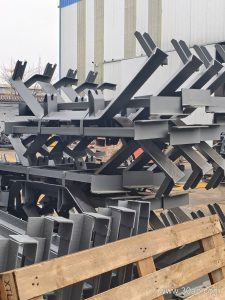
Most heavy-duty brackets are fabricated from angle steel, channel steel, or folded steel plate. The heavier sections are used where impact and vibration are routine, such as under a crusher discharge or at a transfer point. A standard troughing bracket may be formed from folded plate, while a reinforced version often uses channel sections for the crossbeam and gusseted corners for stiffness.
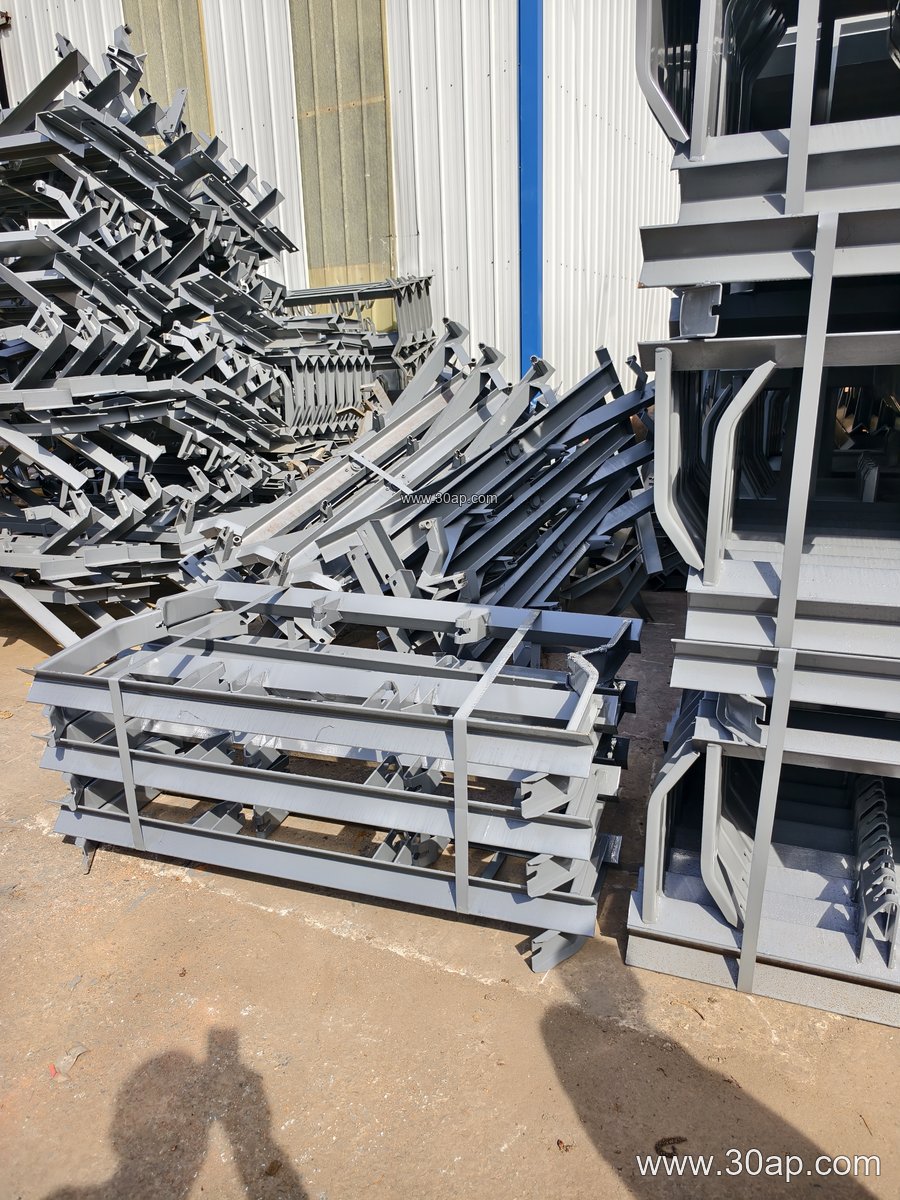
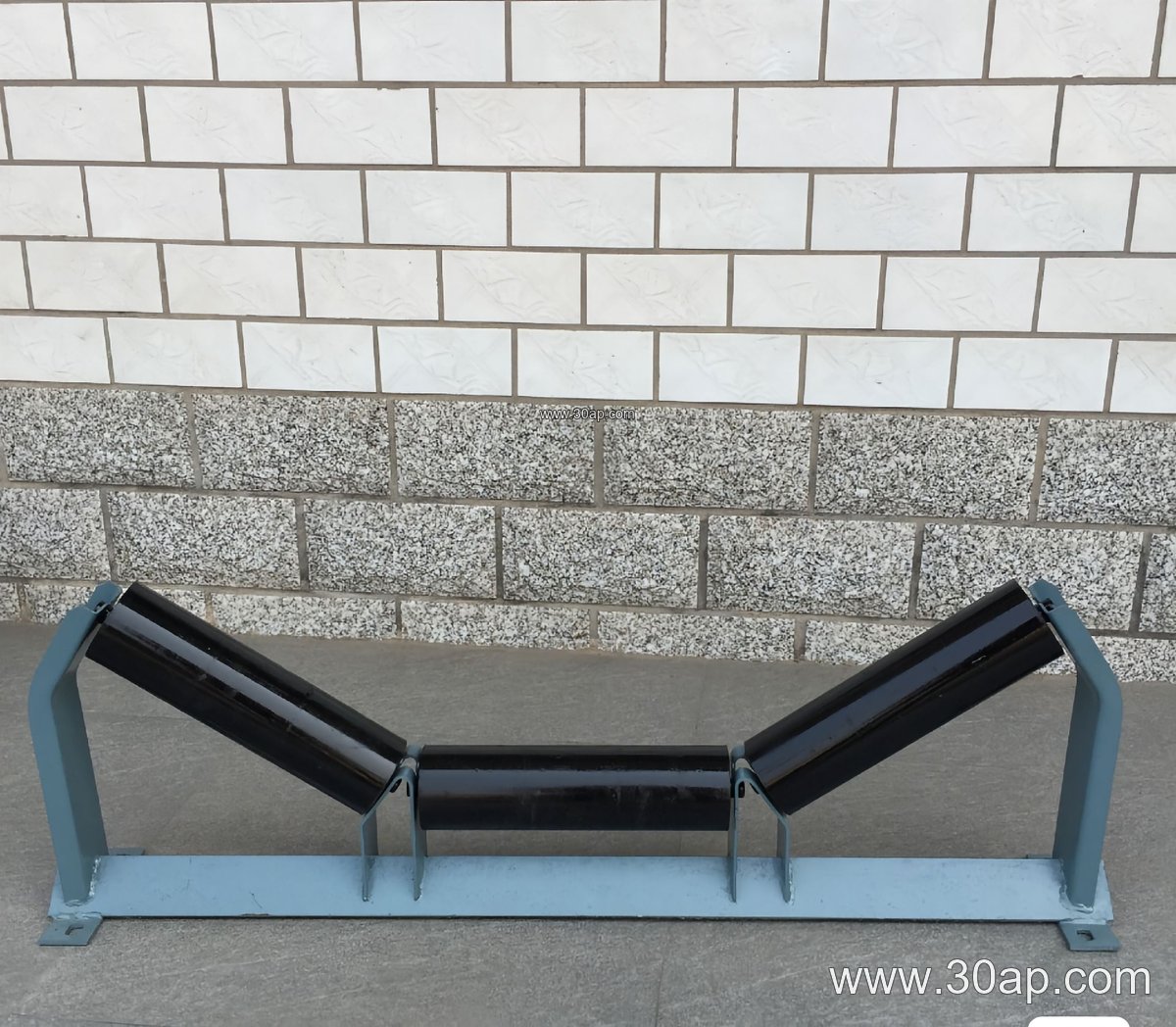
The bracket family includes several distinct forms. Troughing brackets carry the upper belt; return brackets support the empty side; impact brackets sit under loading zones; self-aligning brackets help correct belt wander. A heavy-duty conveyor bracket can be any of these forms, but the term usually signals thicker material, stronger welds, and a design that tolerates misalignment and shock loading.
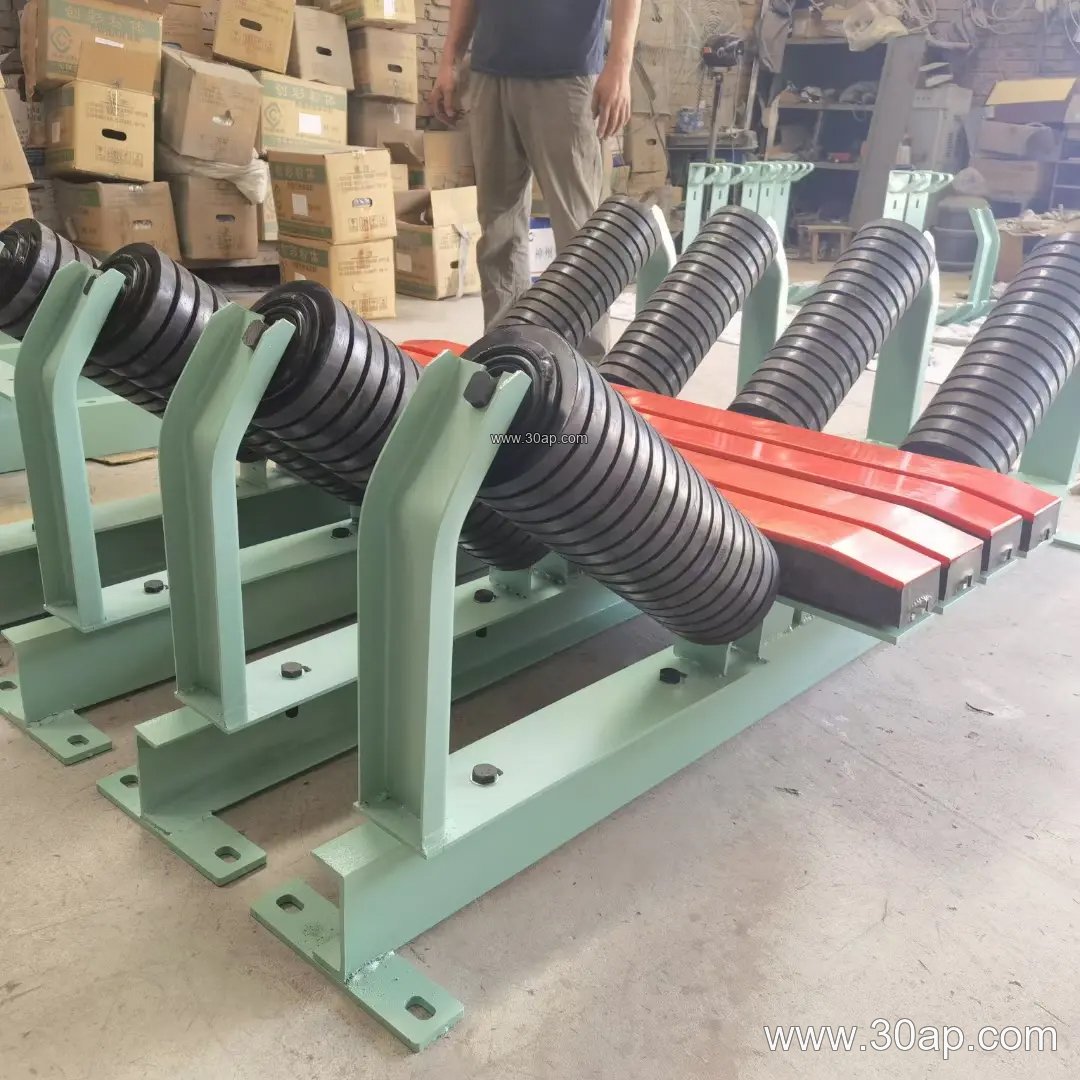
Common material and finish choices include:
- Angle steel frames for light to medium troughing stations
- Channel steel crossbeams for high-load and impact positions
- Folded steel plate for compact, stiff bracket bodies
- Hot-dip galvanized or painted finishes for dusty, humid, or wash-down areas
Matching Belt Width, Trough Angle, and Idler Diameter
Bracket geometry follows the belt width and the required trough angle. A B800 belt on a 35-degree trough is a common arrangement in aggregate plants, while a B1200 or B1400 line in a coal mine may run 45-degree troughs with larger idlers. The idler diameter is selected from load and speed considerations; Ø89, Ø108, Ø133, Ø159, and Ø194 are all used, and the bracket must accept the chosen roller without forcing a single fixed combination.
Adjustable brackets allow the trough angle to be set between positions such as 20, 30, 35, and 45 degrees during installation. This is useful on lines where the belt width is fixed but the material characteristics call for a different trough profile. Fixed brackets are simpler and stiffer, and they suit lines where the angle is already settled.
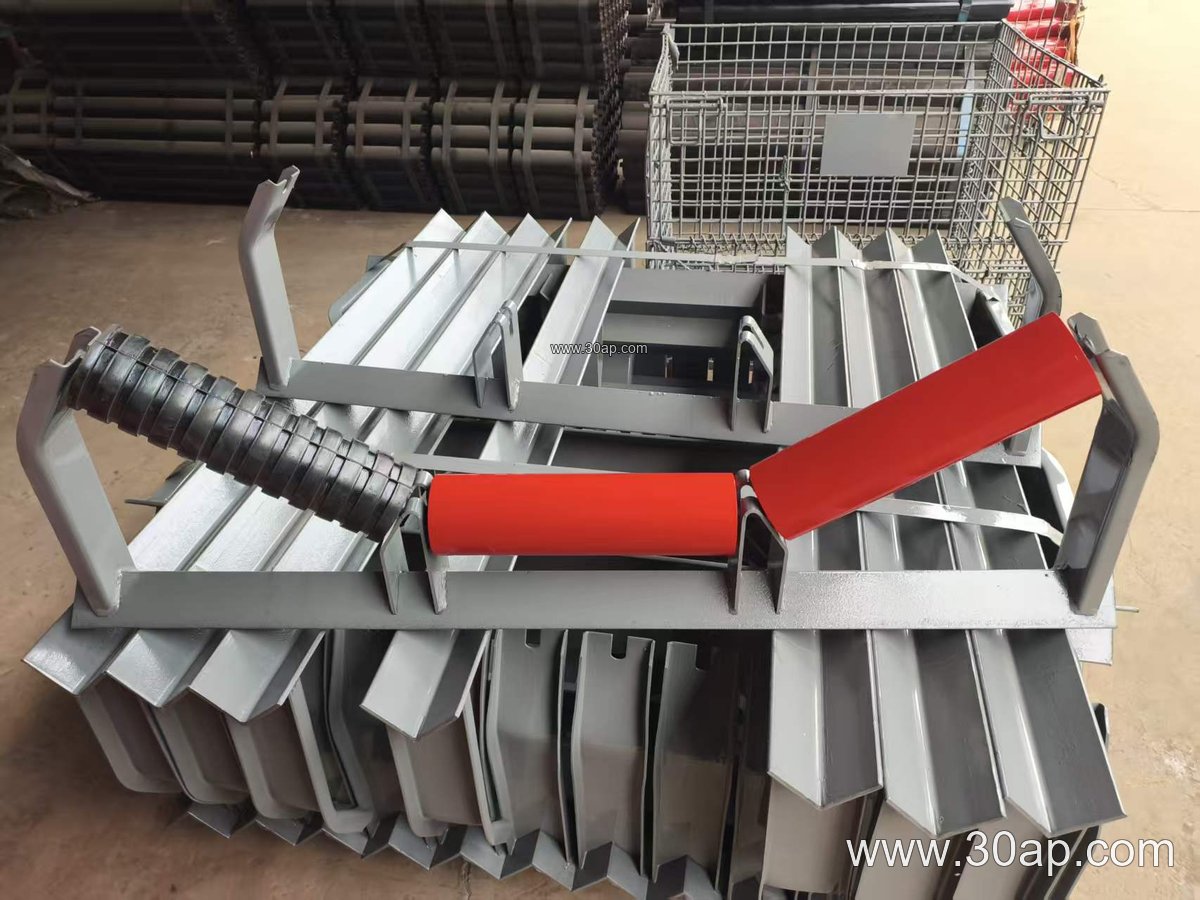
Installation hole spacing and crossbeam length change with belt width and trough angle, so these dimensions should be confirmed against the actual idler frame rather than assumed. The table below shows reference combinations only; they are not mandatory pairings.
| Belt Width | Trough Angle | Idler Diameter | Typical Bracket Form |
|---|---|---|---|
| B500 | 20° | Ø89 | Folded plate troughing bracket |
| B650 | 30° | Ø89 | Angle steel troughing bracket |
| B800 | 35° | Ø108 | Channel steel troughing bracket |
| B1000 | 35° | Ø133 | Reinforced troughing bracket |
| B1200 | 45° | Ø133 | Heavy-duty troughing bracket |
| B1400 | 45° | Ø159 | Heavy-duty troughing bracket |
| B1600 | 45° | Ø159 | Impact or transition bracket |
| B1800 | 45° | Ø194 | Heavy-duty impact bracket |
| B2000 | 45° | Ø194 | Heavy-duty troughing bracket |
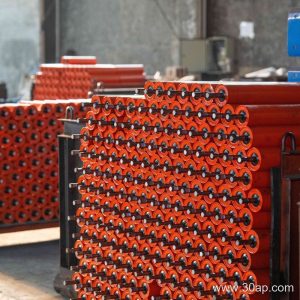
On a belt carrying abrasive ore or clinker, the bracket may also be paired with a high abrasion resistant conveyor belt and a sealed idler roller to reduce maintenance frequency. In coal mining applications, flame retardant conveyor belt and anti-static conveyor belt grades are often specified alongside the structure, and the bracket must not interfere with grounding or clearance requirements.
Where It Fits in the Conveyor Structure
Heavy-duty brackets are found at the head and tail areas, at transfer points, and along the carrying run where material load is highest. In a limestone quarry, the primary discharge zone is a typical location because the belt receives large lumps and the idlers need firm support. In a power plant coal yard, the same bracket form may be used on the receiving conveyor and on the reclaim line.
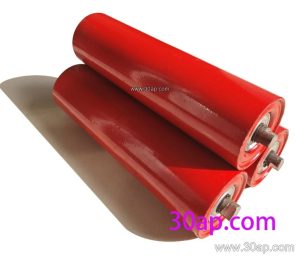
The bracket works together with the conveyor pulley, the idler roller, and the belt. A bend pulley or tail pulley changes belt direction, but it does not replace the bracket; each has its own mounting and alignment role. For this reason, spare parts planning should treat the bracket as a structural item with its own inspection and replacement schedule.
Buyer Checklist and Maintenance Notes
Before ordering, confirm the belt width, trough angle, idler diameter, and mounting hole pattern. Check whether the bracket is fixed or adjustable, and whether the finish suits the environment. In a fertilizer plant or a grain silo, corrosion resistance may matter more than impact strength; in an iron ore or copper ore line, wear resistance and stiffness are usually the priority.
- Verify the bracket material and thickness against the duty level
- Confirm the trough angle and idler diameter rather than assuming a standard set
- Check that the bracket accepts the chosen idler roller without modification
- Inspect welds and bolt holes on delivery
- During operation, watch for loose bolts, bent brackets, and belt misalignment
A heavy-duty conveyor bracket is a small part of the total conveyor cost, but it influences belt life, idler life, and downtime. Matching it to the belt width, the material, and the site conditions is the practical way to keep a bulk handling line running.