What a Ship Loading Conveyor Belt Does
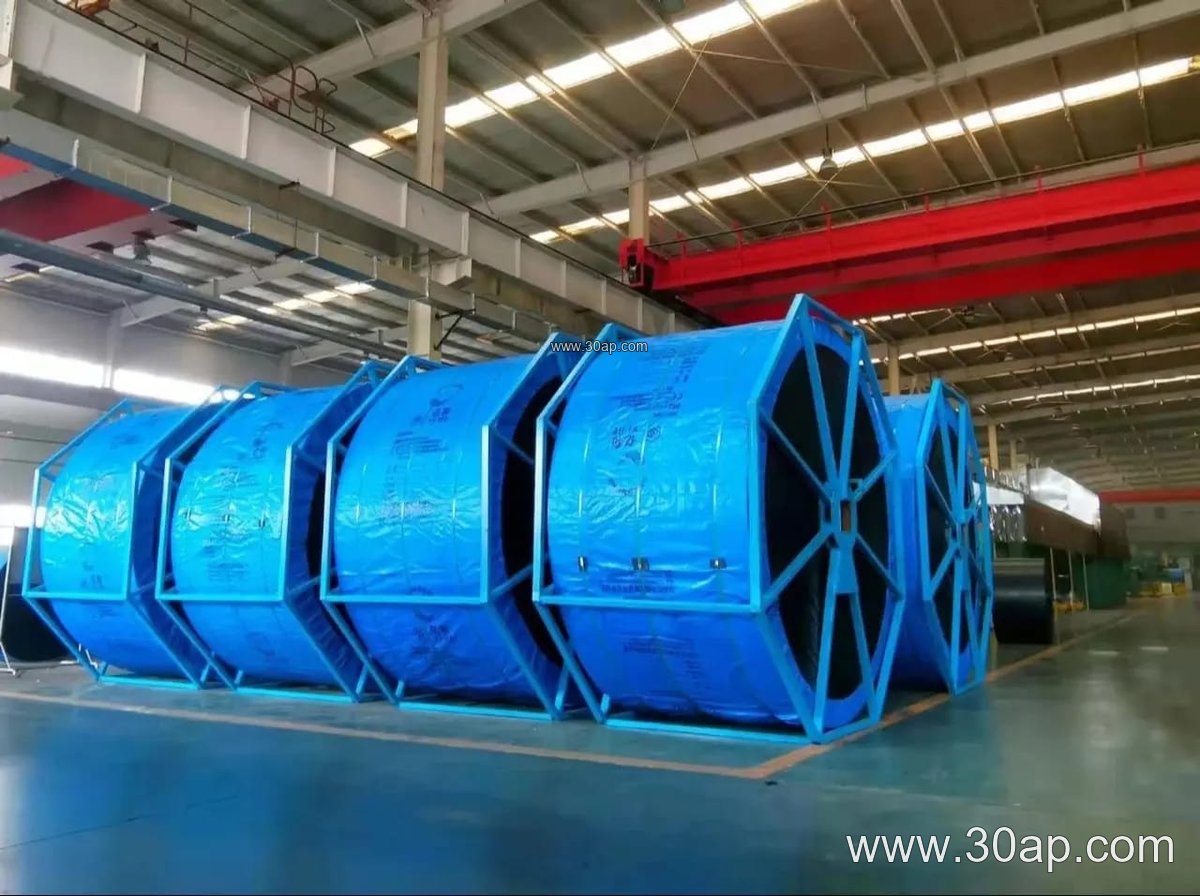
A ship loading conveyor belt is the heavy-duty belt that carries bulk cargo from a stockyard, silo, or rail unloader to the ship loader boom and then into the vessel hold. In ports, cement terminals, coal export facilities, and ore berths, this belt works under continuous duty and must handle high tonnage, long horizontal runs, and steep inclined sections. Because the material is usually free-flowing and abrasive, the belt is expected to resist cutting, edge wear, and impact at transfer points.
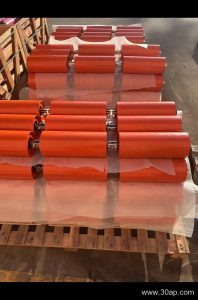
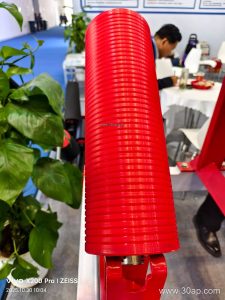
The product is a complete belt assembly rather than a single rubber strip. It combines a carcass, cover rubber, and often a specialized profile that keeps cargo centered on the boom. The same conveyor belt may run over long distances on troughing idler rollers before it reaches the ship loader head pulley.
Construction and Common Configurations
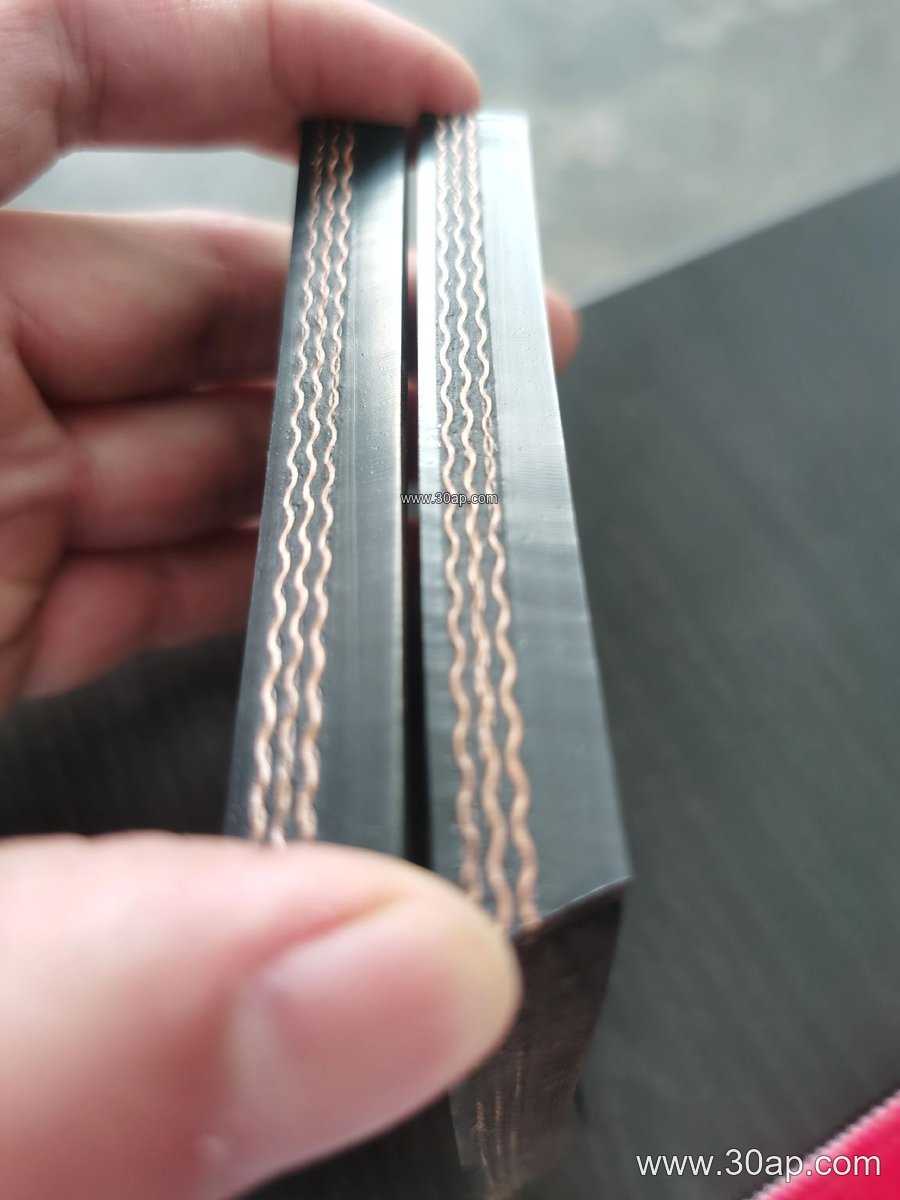
Most ship loading belts use a fabric core or steel cord carcass. Fabric cores such as EP or NN are common for moderate lengths and frequent starts, while steel cord designs are chosen when the boom is long and tensile loads are high. Cover rubber grade depends on the cargo: coal and coke often call for flame retardant and anti-static properties, cement dust favors abrasion resistance, and fertilizer or grain may require oil resistance or food grade compounds.
| Element | Common Options | Typical Notes |
|---|---|---|
| Carcass type | EP fabric, NN fabric, steel cord | Selected by tensile load and take-up design |
| Strength grade | EP200 to EP2000, ST1000 to ST3150 | Reference grades; final choice by calculation |
| Belt width | B800, B1000, B1200, B1400, B1600, B1800, B2000 | Matched to rated capacity and cargo size |
| Cover thickness | 4+2 mm, 5+2 mm, 6+2 mm, 8+3 mm | Top cover sized for impact and abrasion |
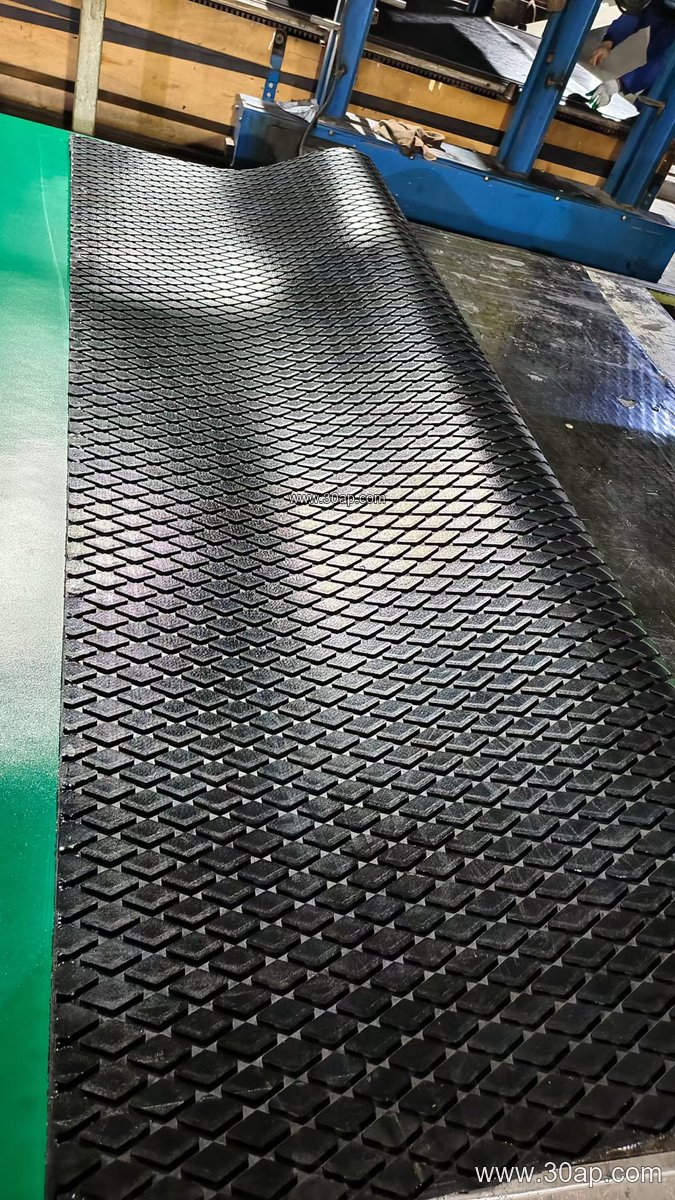
| Surface form | Plain, chevron, corrugated sidewall, skirted | Used when the boom angle requires extra grip |
Keeping Cargo on an Inclined Boom
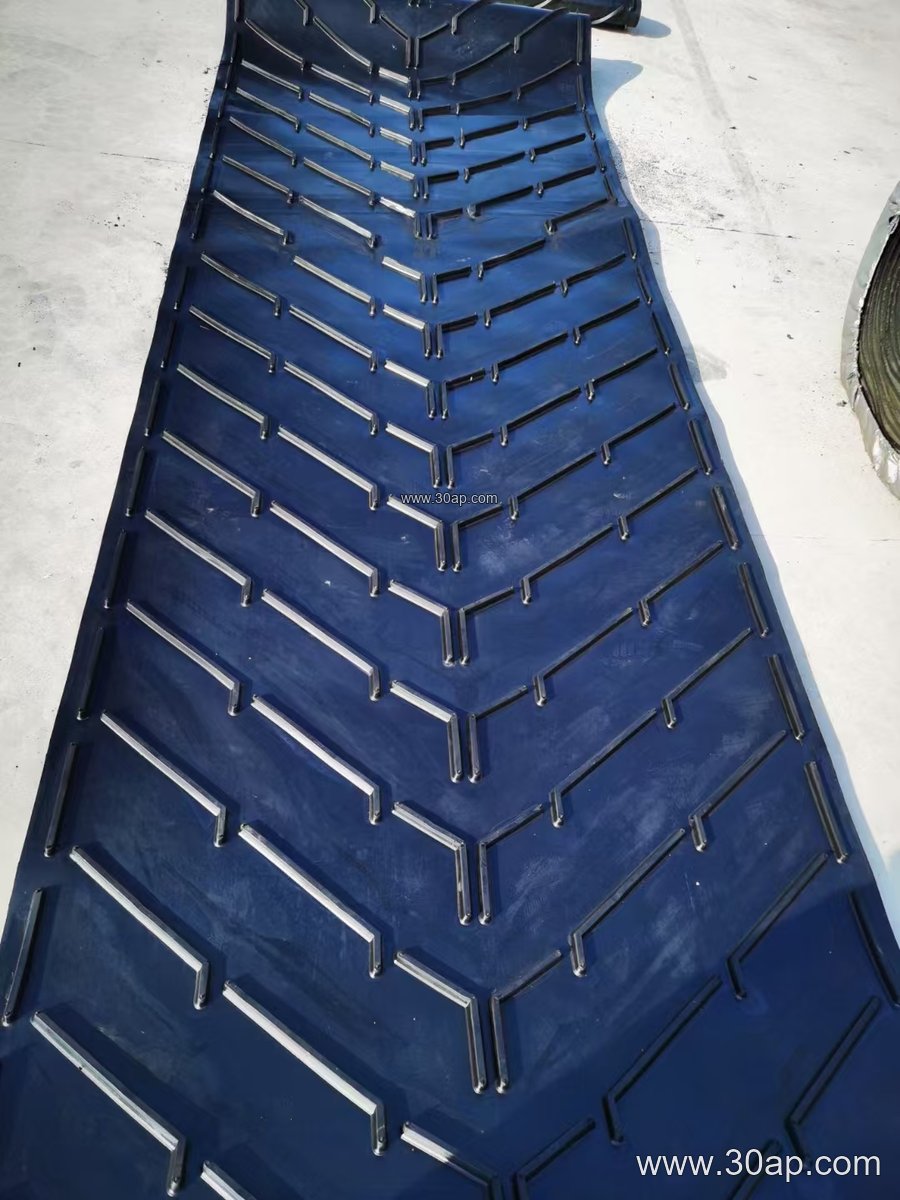
Ship loader booms often rise at angles where plain belting may allow material rollback. A chevron conveyor belt or a belt with corrugated sidewalls helps hold the load and reduces spillage at the boom transfer. Skirted edges are another option when dust control matters. These are profile choices within the same ship loading belt family, not a different duty class.
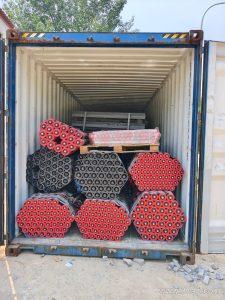
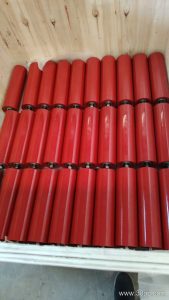
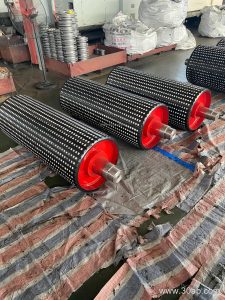
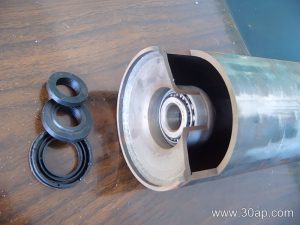
Belt tracking depends on correct pulley alignment. Drive, tail, and bend pulleys each perform a distinct role, and none can be substituted for another. A slight misalignment at any of these conveyor pulleys can cause edge wear and shorten belt life. Supporting idler rollers should be checked for seizing, because a locked roller can cut through the bottom cover quickly.
Where These Belts Are Used
- Coal export terminals and coal mining conveyor belt systems feeding shiploaders
- Iron ore, copper ore, and other mineral berths handling abrasive cargo
- Cement plants and clinker export facilities with dusty, hot material
- Grain and fertilizer terminals requiring oil resistance or food grade belting
- Power plant coal yards and bulk material import docks
In these settings the belt works alongside the ship loader structure, transfer chutes, and take-up systems. A steel cord conveyor belt is frequently chosen for long boom travel, while fabric core belting suits shorter shuttle runs and smaller terminals.
Buyer Checklist
Before ordering, confirm the cargo type, lump size, rated capacity in tons per hour, boom length, incline angle, and ambient conditions. Ask for the cover grade that matches the material, and specify whether flame retardant or anti-static properties are needed for the local environment. Belt width should be selected from capacity calculations, not copied from another terminal.
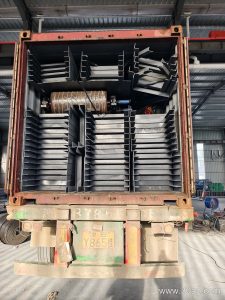
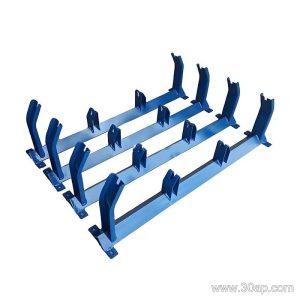
Also review the pulley and idler arrangement with the conveyor designer. The belt, idler roller, pulley, and conveyor bracket all interact, and a well-matched system reduces spillage and downtime. Request the manufacturer’s data sheet for tensile strength, cover thickness, and splice method, and keep spare belt sections on hand for fast repair during loading seasons.