What the Ø152 Conveyor Idler Is
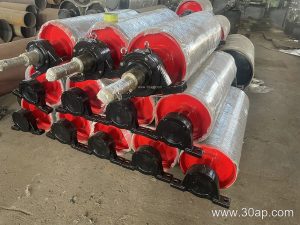
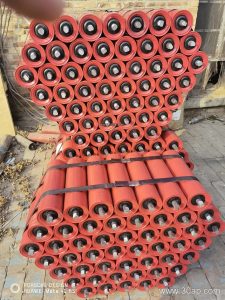
A Ø152 conveyor idler is a carrying or return roller with a nominal outside diameter of 152 mm. In many plants it is simply called a 152 mm idler roller, and the two terms describe the same component. It is not a drive pulley, tail pulley or bend pulley; those are larger drums that transmit and redirect belt tension, while this idler supports the belt between them. The size sits between smaller 133 mm and 139 mm rollers and the heavier 159 mm and 178 mm sizes, so it is often chosen for medium to wide belts where stability and bearing life matter. You will see it in quarry conveying, cement plant raw material lines, power plant coal handling, and iron ore or copper ore circuits where a heavy-duty mining conveyor belt runs over long distances.
Construction and Common Variants
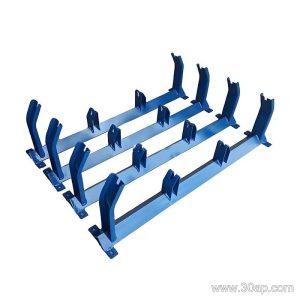
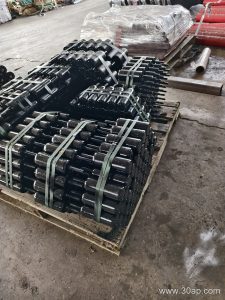
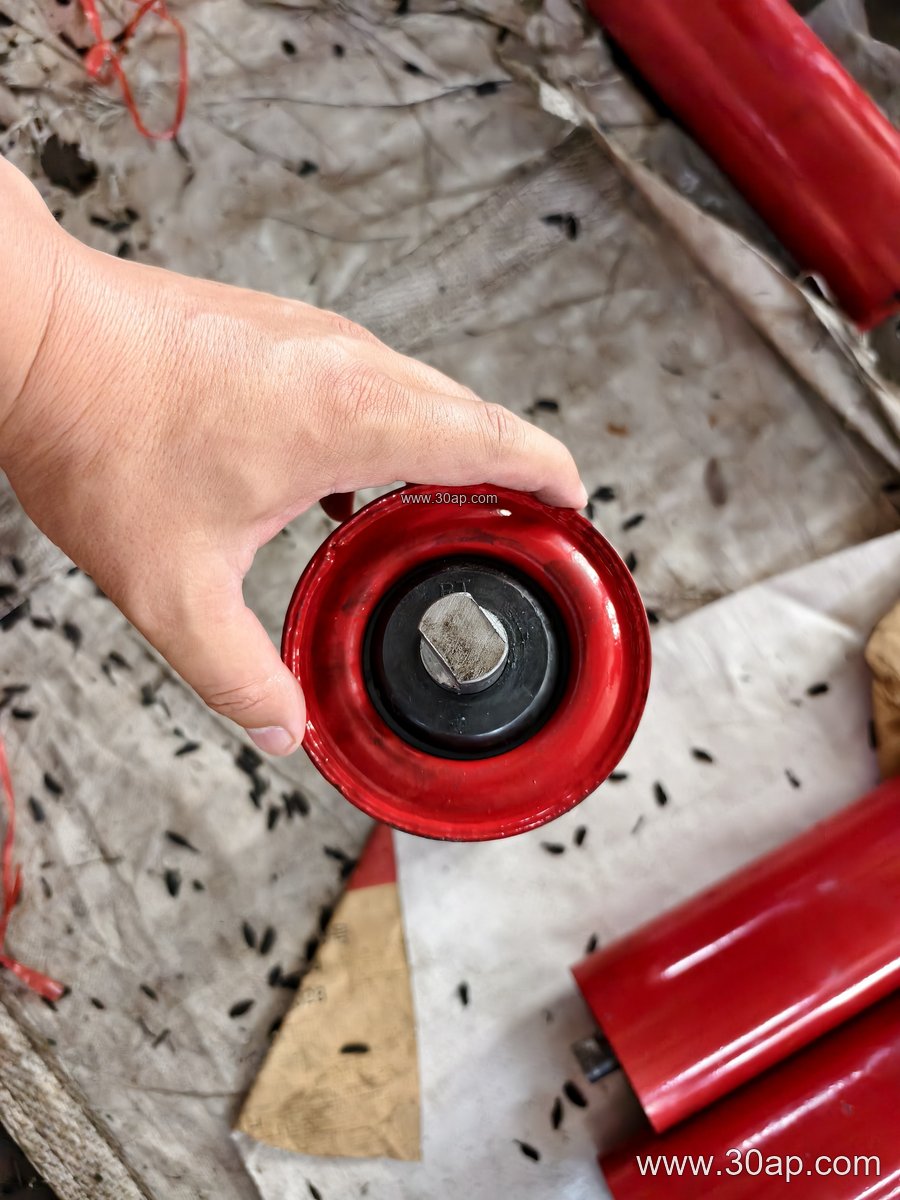
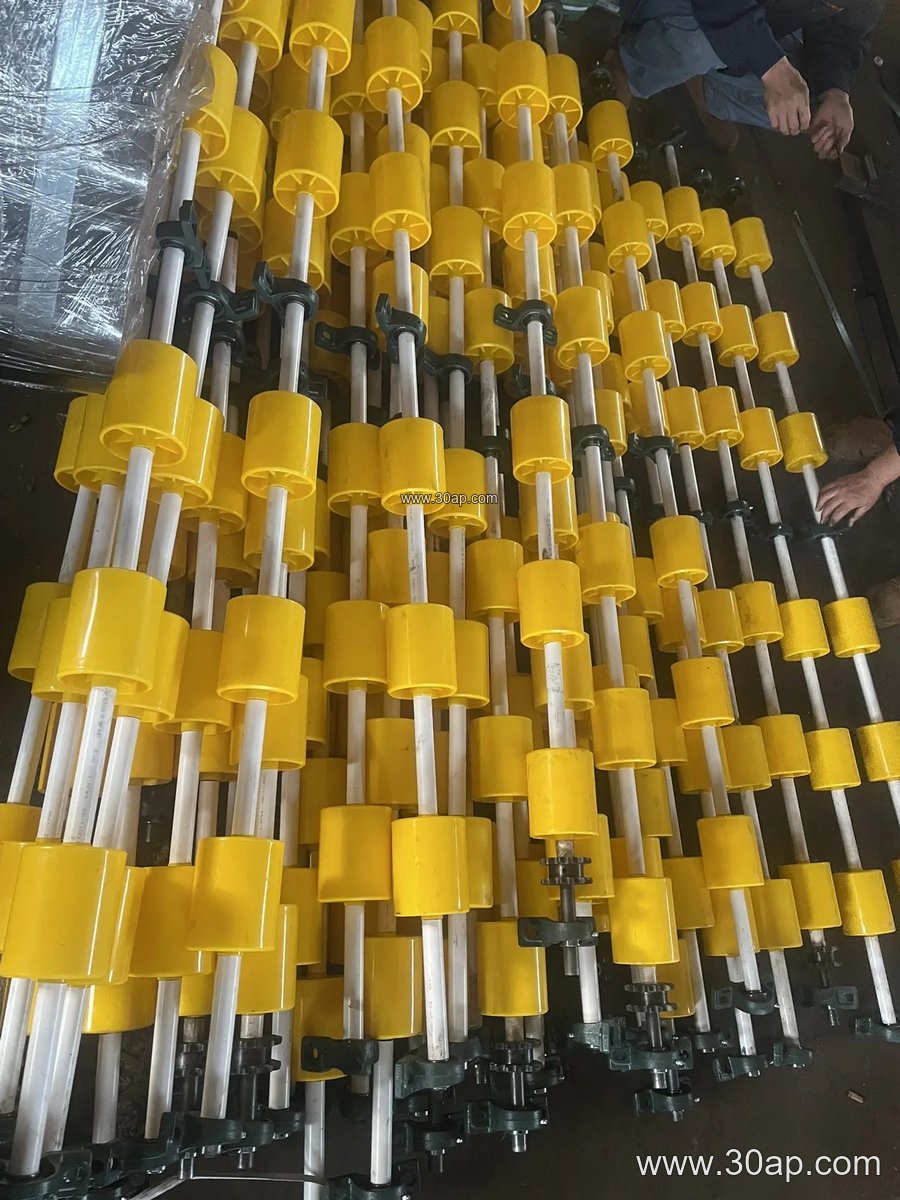
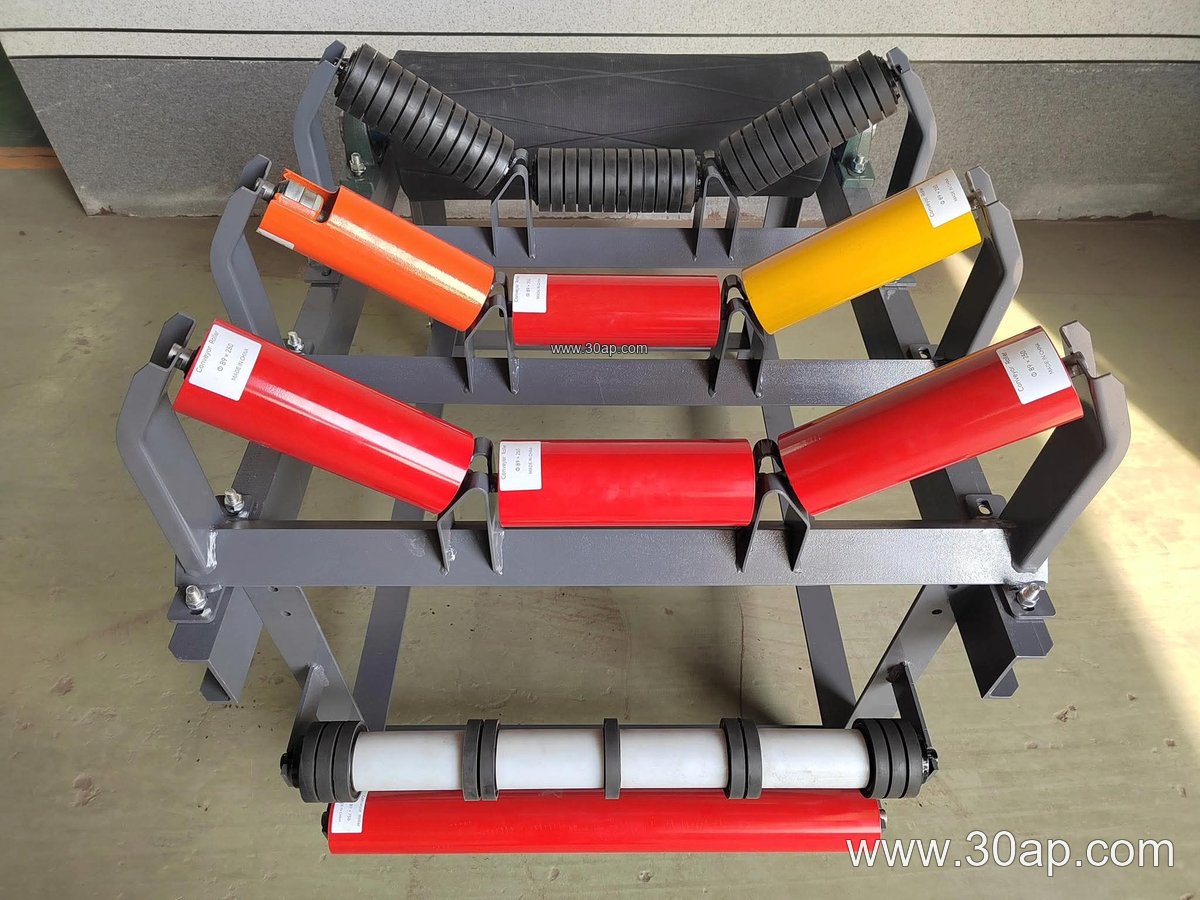
The body is usually a steel tube with machined end faces, fitted with sealed bearings and a shaft. Common bearing sizes in this class include 6305, 6306, 6308 and 6310, but the shaft diameter should follow the actual load calculation rather than the belt width alone. Roller surfaces may be plain steel, nylon, ceramic or rubber rings, depending on whether the priority is abrasion resistance, material build-up release or impact damping. In a three-roll troughing set, the centre roll and side rolls can differ in length; for example, a B1000 belt often uses a roll length near 380 mm, while B1200 may call for about 465 mm. These figures are typical references, not fixed rules.
Where It Fits on the Conveyor
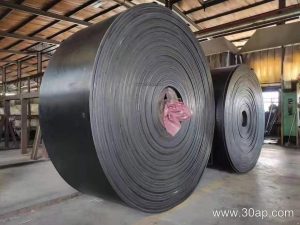
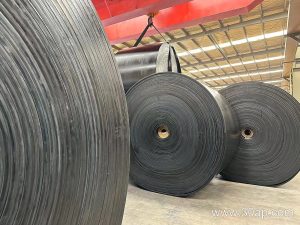
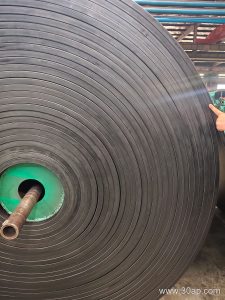
The Ø152 idler is most often used as a troughing idler on the carrying side, set at a 20, 30, 35 or 45 degree trough angle. A three-roll set gives the belt a stable trough profile for bulk material, while a two-roll or single-roll arrangement may appear in transition zones or at loading points. On the return side, a flat or V-return idler of the same diameter can support the empty belt. In coal mines and underground coal mining conveyors, a flame retardant conveyor belt is common, and the idler frame and roller surface should suit the same dusty, moist environment. In cement plants and aggregate lines, a rubber conveyor belt or an abrasion resistant conveyor belt may run over these idlers, so roller wear and material spillage are daily concerns.
Selection Checks for Buyers
Before ordering, confirm the belt width, trough angle, roll length, shaft size and mounting bracket. A Ø152 idler should not be treated as a universal match for every belt width; the idler set and frame design determine the fit. Check the bearing seal type for dust and water exposure, and confirm whether the application needs a rubber-disc impact idler at the loading point instead of a standard steel roll. For high-temperature zones, a heat resistant conveyor belt may be used, but the idler bearing grease and seal should also be checked. Maintenance teams should inspect for seized rollers, worn shells and loose brackets, because a failed idler roller can damage the belt edge and increase power draw.
Reference Dimensions
Use the table below as a starting point for discussion with a supplier. Values are common references and should be confirmed against the conveyor design.
| Item | Typical reference |
|---|---|
| Nominal diameter | Ø152 mm |
| Belt width examples | B800, B1000, B1200, B1400, B1600 |
| Roll length examples | About 315 mm for B800; 380 mm for B1000; 465 mm for B1200; 530 mm for B1400; 600 mm for B1600 |
| Trough angles | 20°, 30°, 35°, 45° |
| Bearing examples | 6305, 6306, 6308, 6310 |
| Surface options | Steel, nylon, ceramic, rubber ring |
In short, the Ø152 conveyor idler is a mid-to-large roller for stable belt support in quarry, cement, power and mining service. Match it to the belt, frame and duty rather than to a single number, and it will do its quiet job between the head and tail pulleys.