What a Belt Conveyor Drive Pulley Does
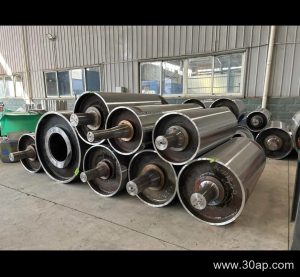
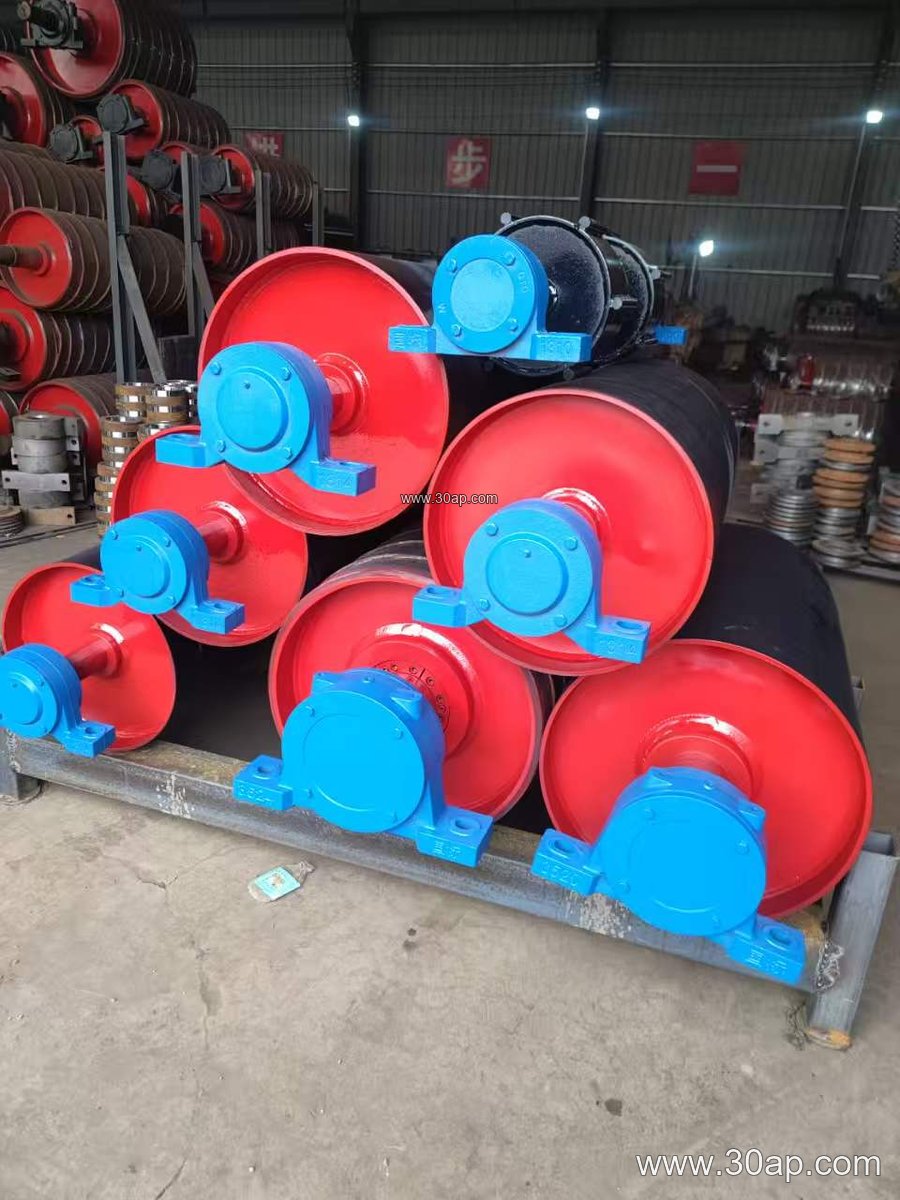
The belt conveyor drive pulley, often called the head pulley or drive drum, is the powered component that transmits torque to the conveyor belt and keeps the entire system moving. It is typically located at the discharge end of the conveyor, where material is transferred to the next stage. In a quarry or aggregate line, this pulley works together with the conveyor belt and idler rollers to move crushed stone efficiently. The drive pulley is not interchangeable with a tail pulley or bend pulley; each has a distinct role in belt tracking and tension control.
Construction and Key Components
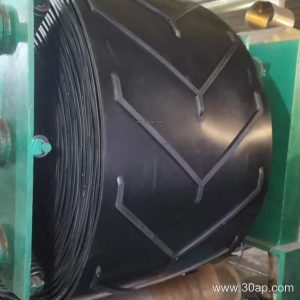
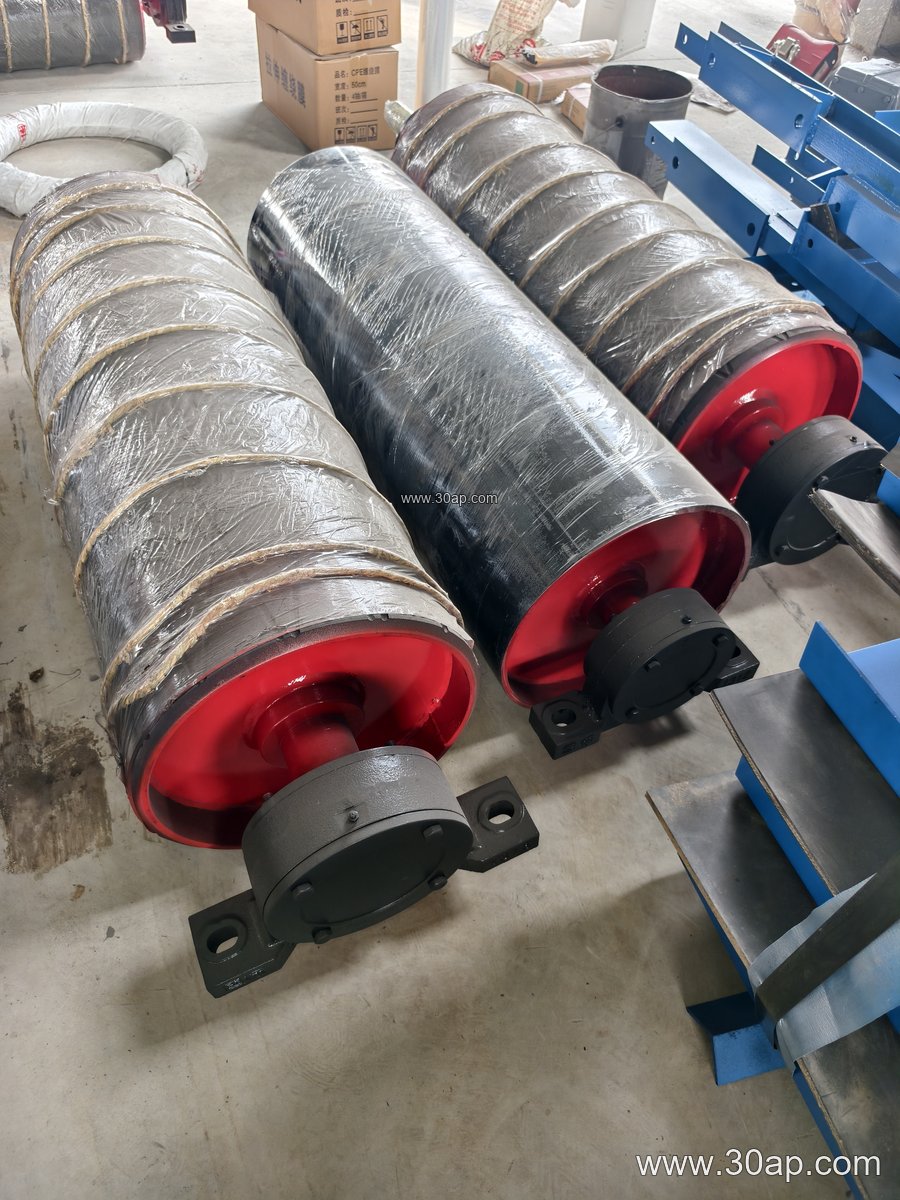
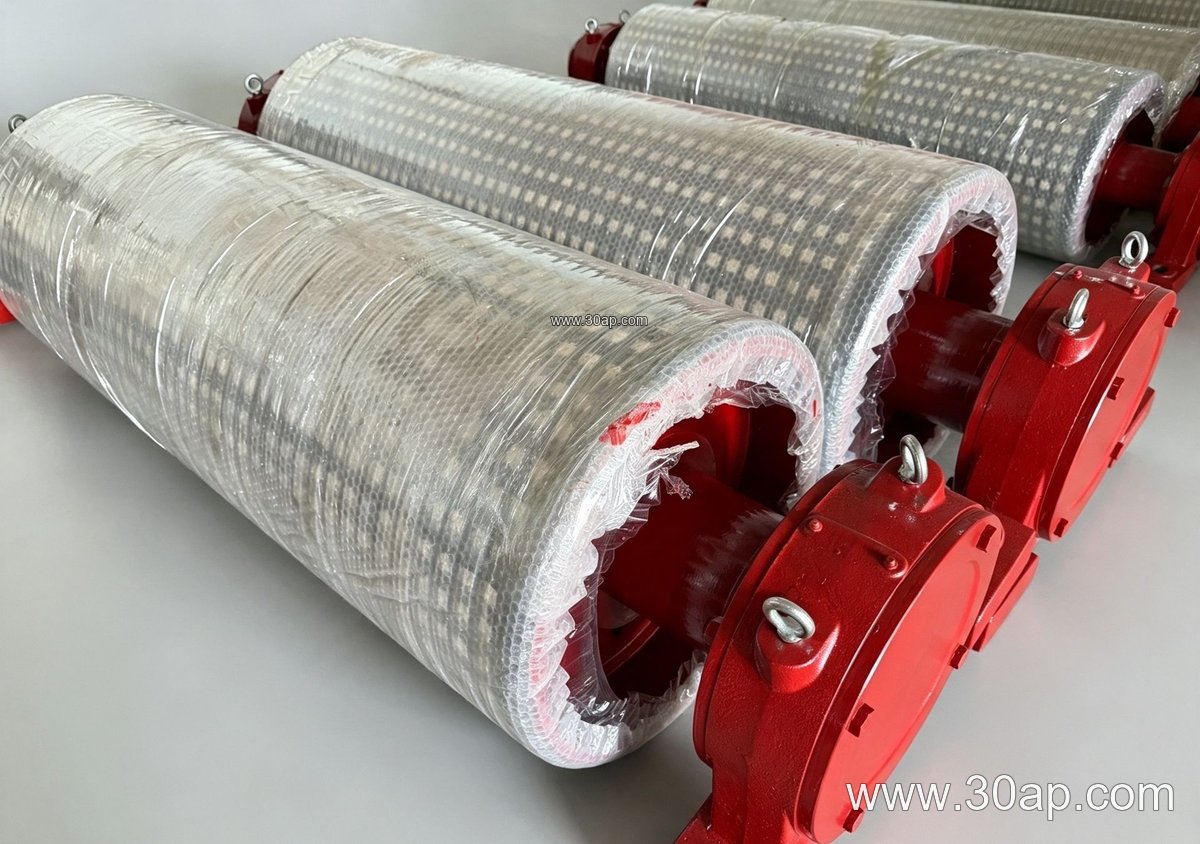
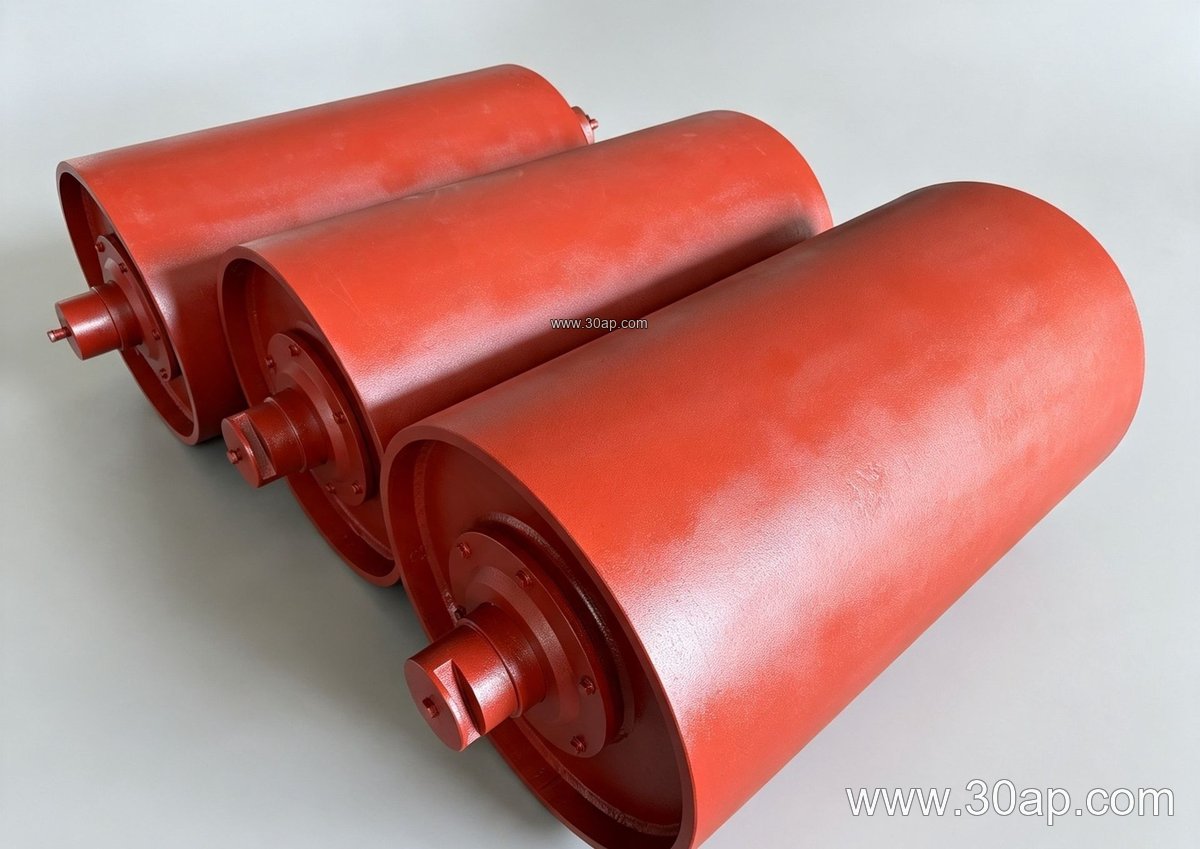
A typical drive pulley consists of a cylindrical shell, two end discs, a shaft, and bearing housings. The shell is usually made from rolled steel, and the shaft is sized according to the torque and load requirements of the conveyor. Surface lagging is often applied to improve grip and reduce belt slip. Common lagging types include plain rubber, diamond pattern, herringbone, and ceramic lagging, with thicknesses typically ranging from 8 mm to 20 mm. The pulley is mounted on conveyor brackets or a sturdy frame that aligns with the conveyor structure.
Common Drive Pulley Dimensions
Drive pulleys are available in a range of diameters and face widths to suit different belt widths and tension requirements. The table below shows typical combinations, but final selection should always be based on engineering calculations.
| Belt Width (mm) | Typical Pulley Diameter (mm) | Typical Face Width (mm) | Common Lagging Thickness (mm) |
|---|---|---|---|
| B500 | Ø250 – Ø400 | 600 | 8 – 10 |
| B650 | Ø315 – Ø500 | 750 | 8 – 12 |
| B800 | Ø400 – Ø630 | 950 | 10 – 15 |
| B1000 | Ø500 – Ø800 | 1150 | 10 – 15 |
| B1200 | Ø630 – Ø1000 | 1400 | 12 – 20 |
| B1400 | Ø800 – Ø1250 | 1600 | 15 – 20 |
| B1600 | Ø1000 – Ø1400 | 1800 | 15 – 20 |
| B1800 | Ø1250 – Ø1600 | 2000 | 15 – 20 |
Note that a given belt width can accommodate several pulley diameters depending on the required torque, belt speed, and take-up arrangement. Shaft diameters are determined by torque and load, not by belt width alone; common shaft sizes include Ø80, Ø100, Ø120, Ø140, Ø160, and Ø180 mm.
Where Drive Pulleys Are Used
Drive pulleys are essential in bulk material handling across many industries. In a coal mining operation, a heavy-duty drive pulley must cope with abrasive coal and often uses flame retardant conveyor belt for safety. In a cement plant, the drive pulley on a clinker conveyor may be paired with a heat resistant conveyor belt to withstand elevated temperatures. Sand and gravel plants rely on robust drive pulleys to handle abrasive aggregate, frequently using abrasion resistant conveyor belt. Port facilities use large drive pulleys on ship loading conveyors, where reliability is critical.
Selecting the Right Drive Pulley
Choosing a drive pulley involves more than matching the belt width. Engineers consider the maximum belt tension, starting and stopping torque, lagging type, and environmental conditions. For example, a quarry conveyor belt carrying sharp rock may benefit from ceramic lagging for extended wear life, while a food grade application might require a different surface finish. The pulley diameter should be large enough to avoid excessive belt bending stress, but not so large that it wastes space or cost. Always consult the conveyor design manual and pulley manufacturer for specific recommendations.
Maintenance and Inspection
Regular inspection of the drive pulley helps prevent unplanned downtime. Check lagging for wear or glazing, inspect the shaft for cracks, and verify bearing lubrication. Misalignment between the drive pulley and the conveyor belt can cause belt tracking problems; adjusting the pulley or the conveyor bracket may be necessary. In dusty environments such as a stone crushing plant, keep the pulley area clean to avoid material buildup that can damage the belt and pulley surface.
For more information on conveyor components, visit our conveyor pulley and conveyor belt pages.