What a Bend Pulley Assembly Does
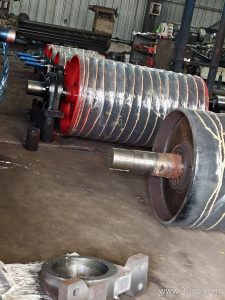
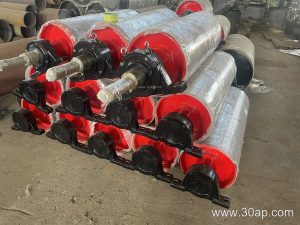
A bend pulley assembly is the turning unit that changes the direction of a conveyor belt without driving it. In a typical conveyor, it is mounted near the tail or along the return run, guiding the belt back into the loop while keeping wrap on the drive pulley. Unlike a drive pulley or tail pulley, it transmits no torque; its job is to route the belt smoothly and maintain tension. In quarry, cement, and power plant conveyors, this assembly often works alongside idler rollers and conveyor brackets to keep the belt tracking true.
Construction and Key Components
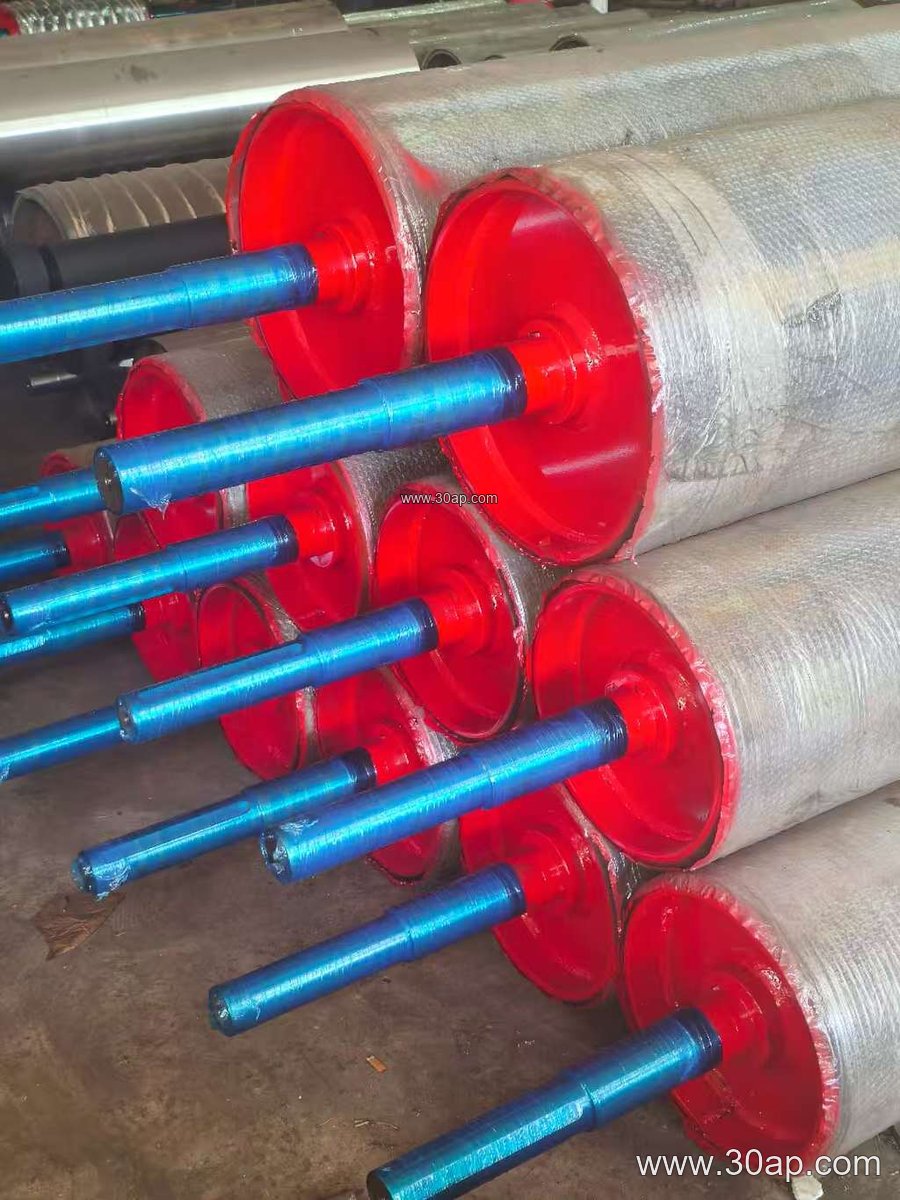
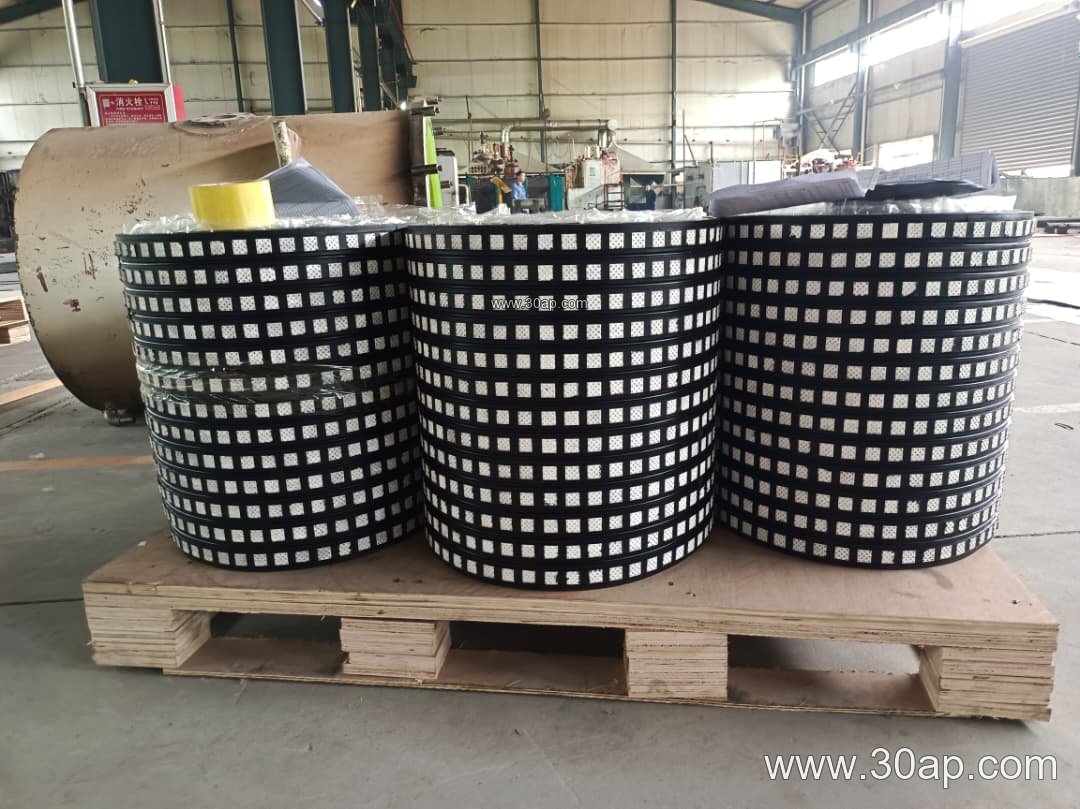
The assembly usually consists of a cylindrical shell, shaft, bearing housings, and a support frame. The shell may be plain steel or covered with rubber lagging to improve grip and protect the belt. Common surface options include plain, cold-bonded rubber, hot-vulcanized rubber, diamond grooving, and ceramic lagging. Lagging thickness is often 8, 10, 12, 15, or 20 mm, selected according to belt speed and material. The shaft diameter is determined by torque and load, with common sizes such as Ø50, Ø60, Ø70, Ø80, Ø90, Ø100, Ø120, Ø140, Ø160, Ø180, and Ø200. Bearings are typically self-aligning spherical roller types, housed in cast or fabricated bearing blocks.
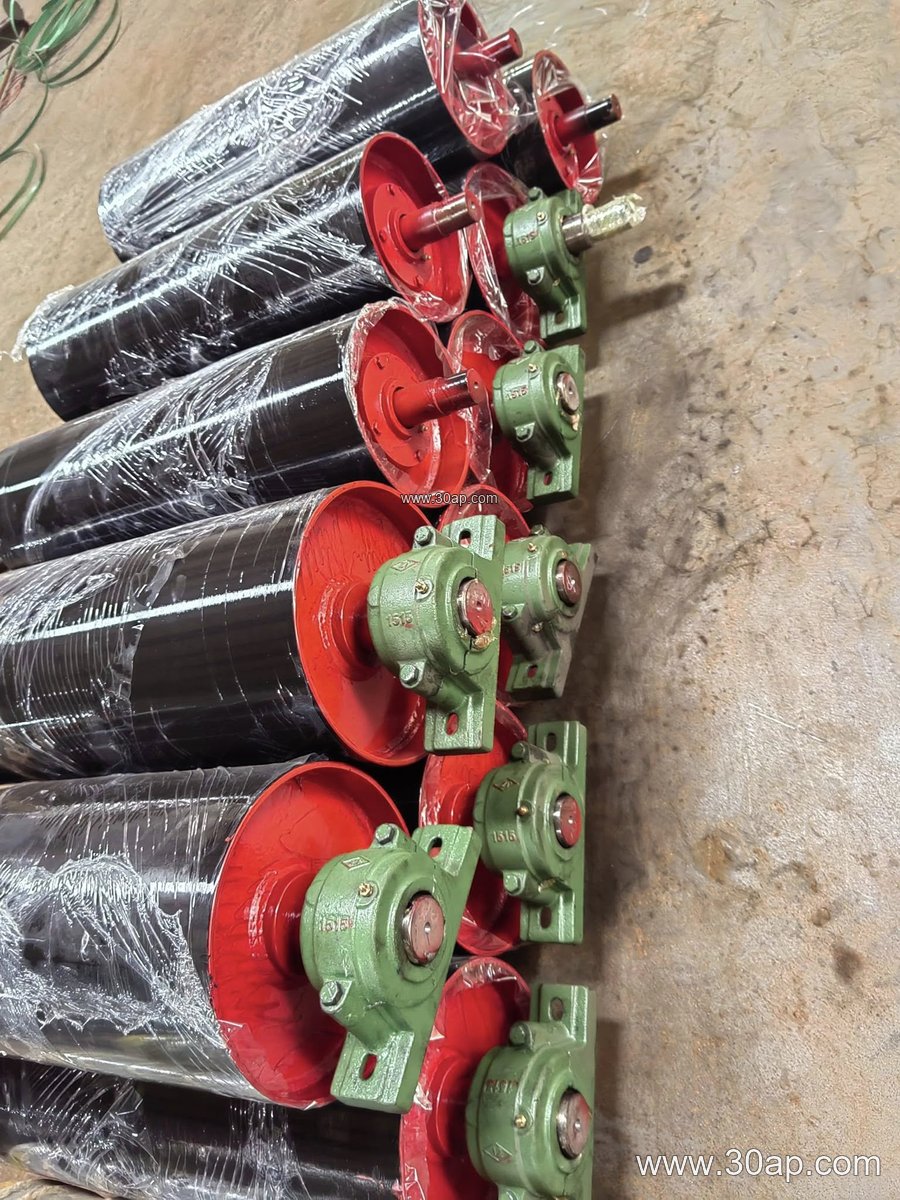
For reference, some typical bend pulley assembly dimensions are shown below. These are common ranges, not fixed combinations:
| Belt Width | Pulley Face Width (approx.) | Common Diameter Range |
|---|---|---|
| B400 | 500 mm | Ø200–Ø315 |
| B500 | 600 mm | Ø250–Ø400 |
| B650 | 750 mm | Ø315–Ø500 |
| B800 | 950 mm | Ø400–Ø630 |
| B1000 | 1150 mm | Ø500–Ø800 |
| B1200 | 1400 mm | Ø630–Ø1000 |
| B1400 | 1600 mm | Ø800–Ø1250 |
| B1600 | 1800 mm | Ø1000–Ø1400 |
| B1800 | 2000 mm | Ø1250–Ø1600 |
Face width is usually slightly larger than the belt width to allow for misalignment. For example, a B1200 belt might use a pulley with about 1400 mm face width. Diameter and shaft size are selected by the conveyor designer based on belt tension and radial loads, not by belt width alone.
Where It Is Used
Bend pulley assemblies appear in nearly every bulk handling conveyor. In a limestone quarry, they help route the belt around a transfer point before the crusher. In a coal-fired power plant, they guide the return strand on coal conveyors feeding the bunkers. They are also found in cement plants, steel mills, and port loading systems. When the conveyor uses a steel cord conveyor belt or a heavy-duty fabric belt, the bend pulley must be sized to handle higher tensions and thicker belts. In underground mining, flame retardant and anti-static belts are common, and the bend pulley assembly should be compatible with the belt’s cover grade and stiffness.
Selection and Maintenance Tips
Buyers should confirm the belt width, belt type, and maximum tension before choosing a bend pulley assembly. The pulley diameter should be large enough to avoid excessive bending stress in the belt, especially with thick or stiff belts such as EP conveyor belt or steel cord conveyor belt. Lagging choice matters: diamond or ceramic lagging improves traction and shedding in wet conditions, while plain or rubber lagging may suit cleaner environments. Bearing selection should match the load and speed, and the shaft should be checked for deflection. Regular inspection of lagging wear, bearing play, and frame alignment helps prevent belt tracking issues. In dusty applications like a sand and gravel line or a cement plant, keep the assembly clean and lubricated according to the manufacturer’s schedule.
Finally, remember that a bend pulley assembly is not a substitute for a drive pulley or tail pulley. It is a guiding component that works with the whole conveyor system, including the conveyor belt, idler rollers, and conveyor brackets. Proper matching of pulley face width, diameter, and lagging to the belt and load will extend service life and keep the conveyor running smoothly.